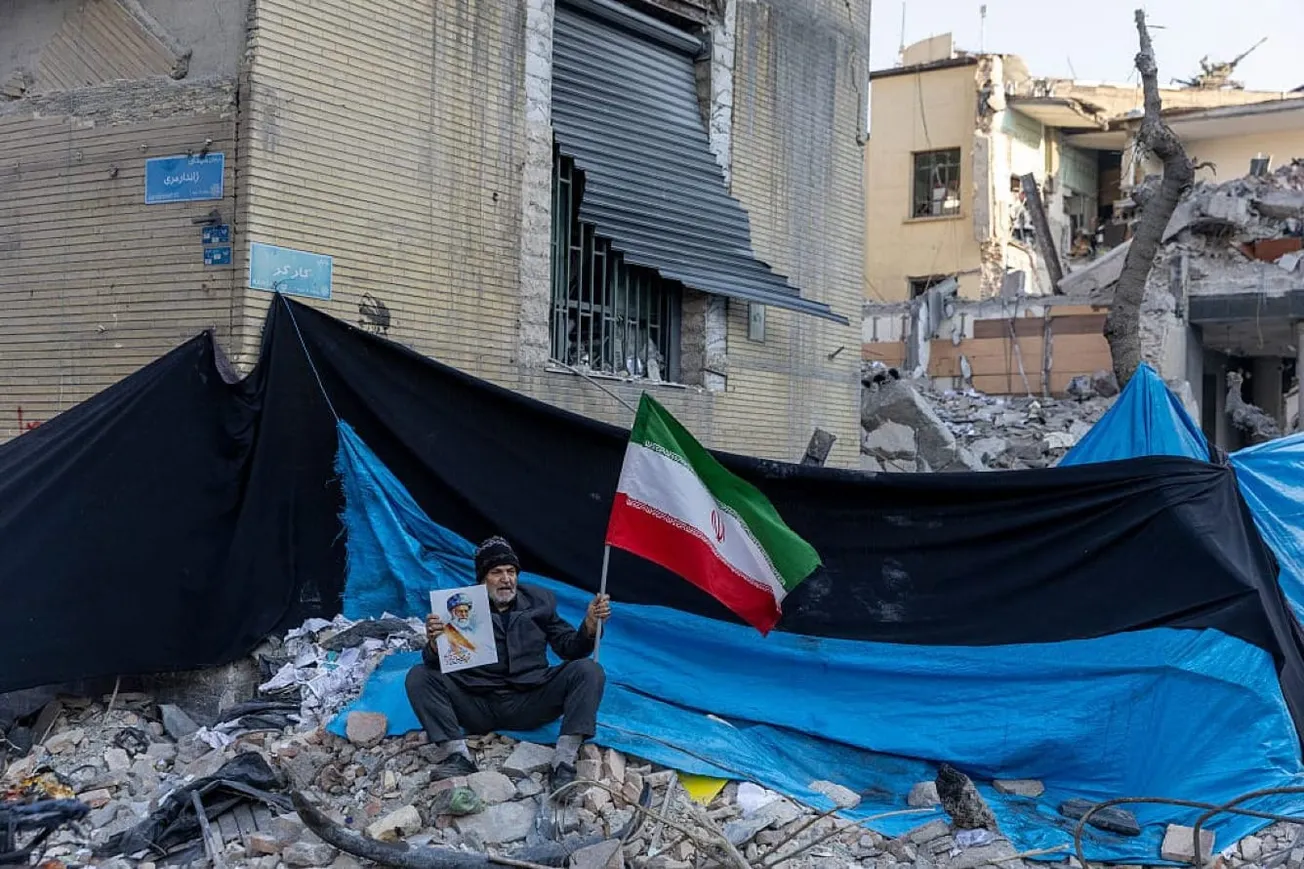
It has been three weeks since U.S.-Israeli strikes against Iran escalated into full-scale conflict, and it is rapidly becoming something larger than a regional crisis. On the other side of the continent, it is becoming a test for China.
For years, Beijing has portrayed itself as an emerging global power while criticizing the U.S.-led international order. But when that order is threatened, China often prefers to watch from the sidelines.
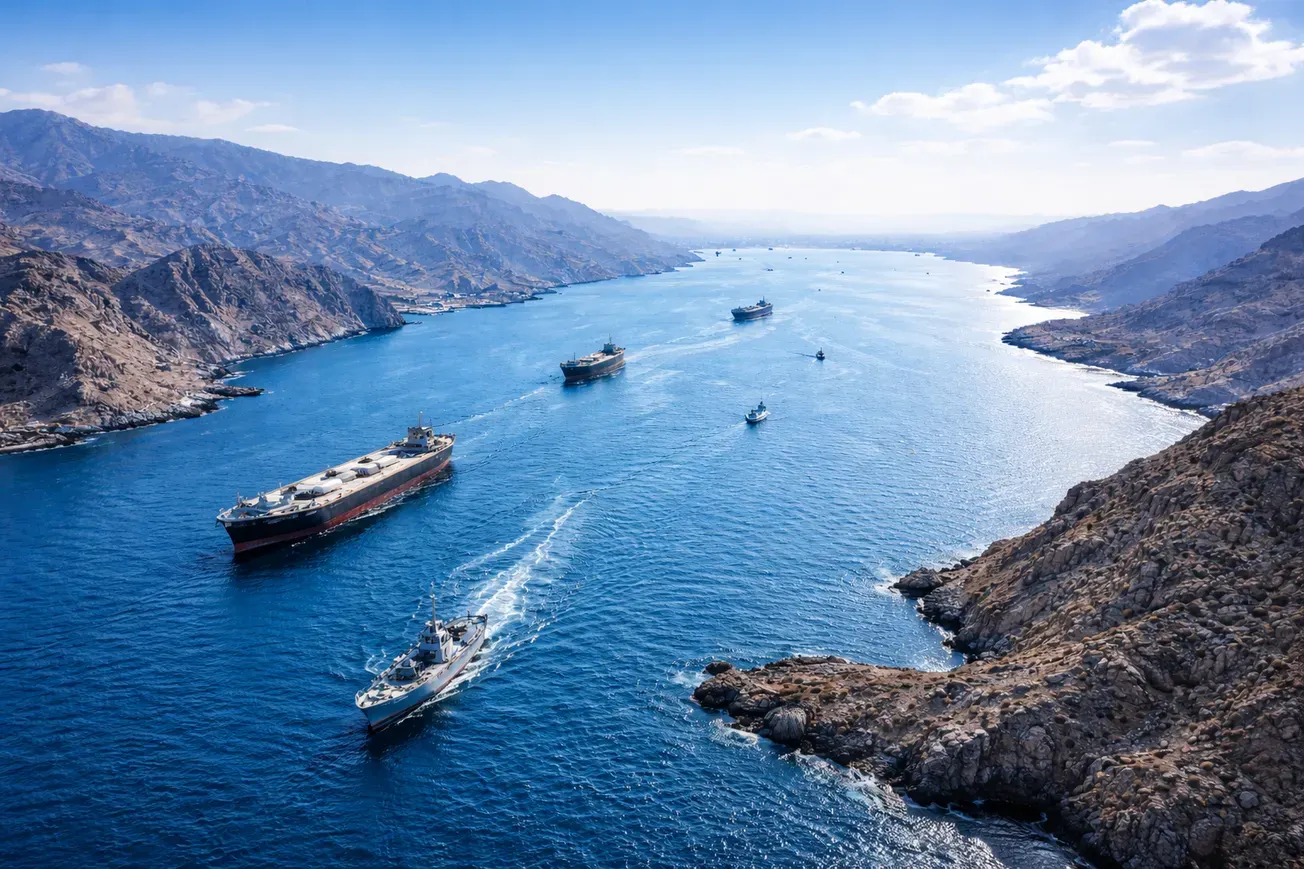
President Trump appears to understand this dynamic well. In recent days, he has publicly put Beijing on the spot, urging China to join a multinational effort and deploy warships to secure shipping through the Strait of Hormuz. In a March 14 Truth Social post, Trump wrote that countries benefiting from the route should help keep it open and safe. He added that China, in particular, should participate because of its heavy dependence on the strait for oil shipments.
Trump has even floated delaying his planned late-March summit with Xi Jinping if Beijing does not commit soon. The message is simple. If China wants the privileges of global power, it must be prepared to shoulder some of the responsibilities.
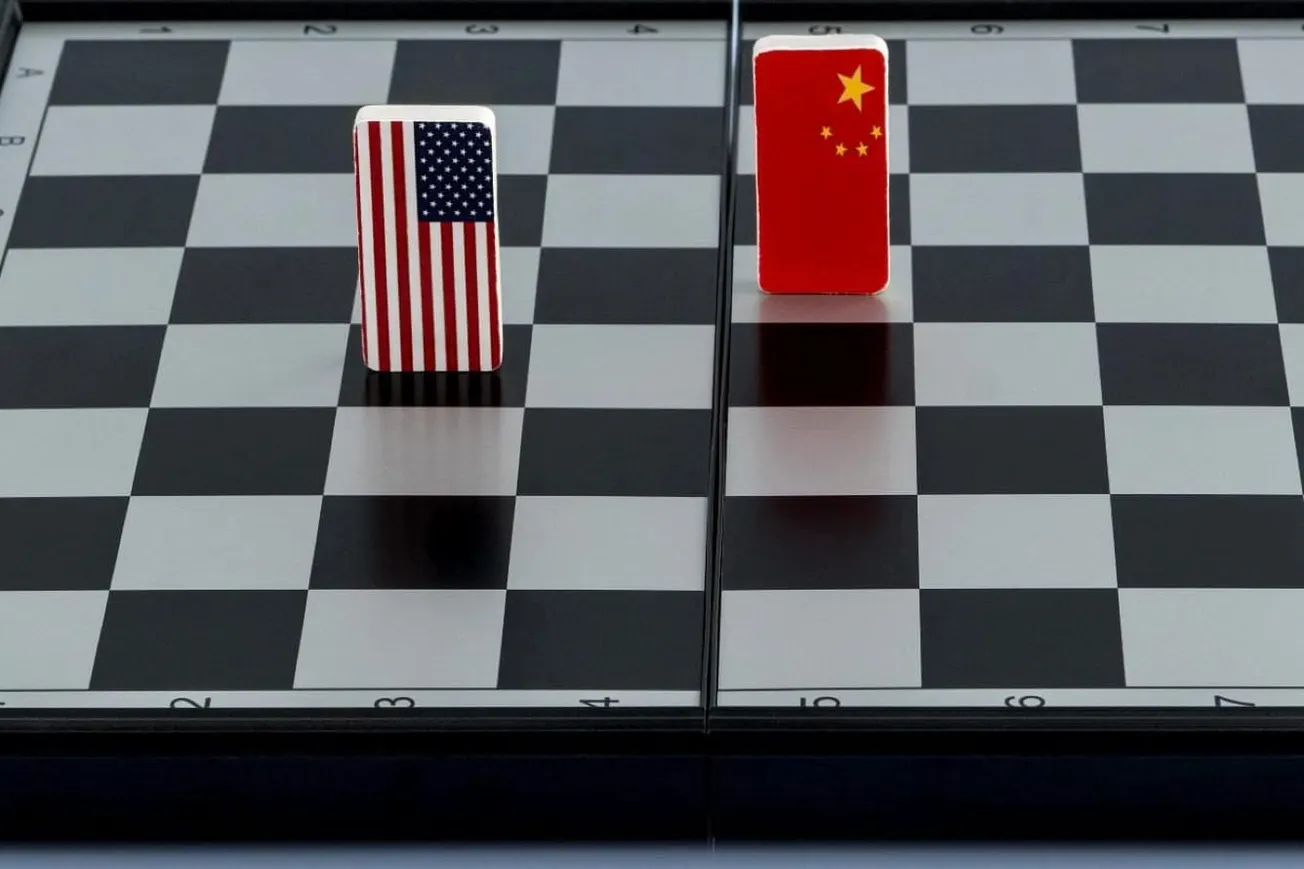
Trump, in other words, is playing chess.
China depends heavily on the Middle East for energy. It is the largest buyer of Iranian crude and a major importer of Gulf oil. About one-fifth of the world’s traded oil passes through the narrow Strait of Hormuz. Oil prices have surged amid Iranian threats, attacks on tankers, and stalled traffic. Yet despite these high stakes, China has been largely absent on the military front.
Beijing has issued statements calling for restraint, dialogue, de-escalation, and respect for sovereignty and international law. Its diplomats have engaged with Tehran about allowing oil tankers through. But when it comes to concrete action, such as deploying warships, joining a U.S.-led coalition to escort shipping, mediating between adversaries, or applying direct pressure on Iran, China has gone little beyond rhetoric. No warships have been dispatched, and no public pledge to join any coalition has emerged.
Trump is testing Beijing’s posturing and questioning its role on the global stage.
Washington’s expectation is not complicated. If China enjoys the benefits of global trade and open sea lanes, it should help defend them. The security of the world’s energy routes cannot remain solely the responsibility of the United States and its allies.
However, the question is whether China can deliver even if it wants to.
Despite its economic strength, China’s global military reach remains limited. Beijing maintains only one undisputed overseas military base, in Djibouti. The United States operates a vast network of bases and facilities across more than 80 countries. China has built formidable naval capabilities closer to home, but projecting power into distant regions such as the Middle East remains far more difficult.
This gap between ambition and capability has appeared before.
When Russia invaded Ukraine, China positioned itself as a potential mediator but ultimately played only a limited role. The United States and the European powers largely carried out the diplomatic heavy lifting.
A similar pattern now appears to be unfolding in the Middle East.
China benefits enormously from the stability of global trade routes. Yet it rarely takes the lead in defending them. Instead, it often quietly but effectively relies on the same security system it frequently criticizes.
The contrast becomes even clearer when one looks more closely at China’s own neighborhood. In the South China Sea, along the Himalayan border with India, and around Taiwan, Beijing has shown a far more assertive posture.
This willingness to flex its muscles is limited to China's own backyard. However, when crises emerge far from its shores—crises that threaten the broader global system—Beijing’s approach remains cautious.
The Iran conflict may reshape the balance of power in the Middle East. It may also reveal something deeper about China’s place in the world.
Beijing often speaks as though it is ready to assume the role of a global leader. Trump’s challenge is forcing a simpler question. When the stability of global trade routes is at stake, will China help defend the system that sustains its rise? Or will it continue to rely on others to do it?
📘 TIPP’s Dragon Series
A deep dive into China’s rise, its limits, and the global tests now exposing both:
- 🐉 The Dragon’s Fragility
- 🐉 What’s Behind Beijing’s Restraint?
- 🐉 Xi Chooses Trump Over Tehran
- 🐉 Trump’s China Gambit
👉 Subscribe for $99/year to unlock the full Dragon Series and future deep-dive geopolitical briefings from TIPP Insights.
👉 Show & Tell 🔥 The Signals
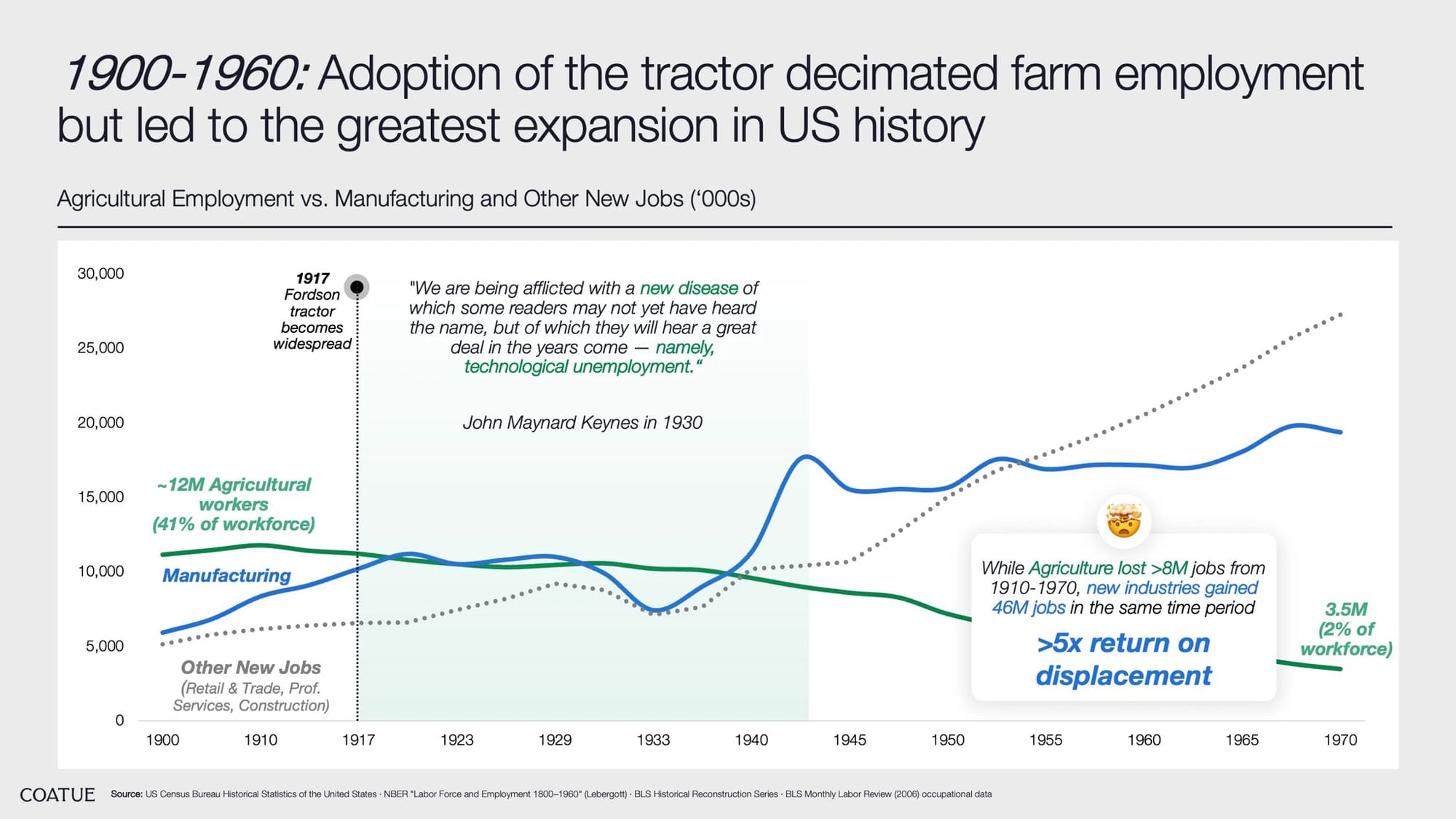
I. AI May Disrupt Jobs But History Suggests Net Gains
Fears of mass unemployment from AI echo earlier technological shifts. When tractors mechanized farming, millions of agricultural jobs disappeared, but far more jobs were created in manufacturing and services. The pattern suggests AI may eliminate some roles while also creating new industries and opportunities over time.
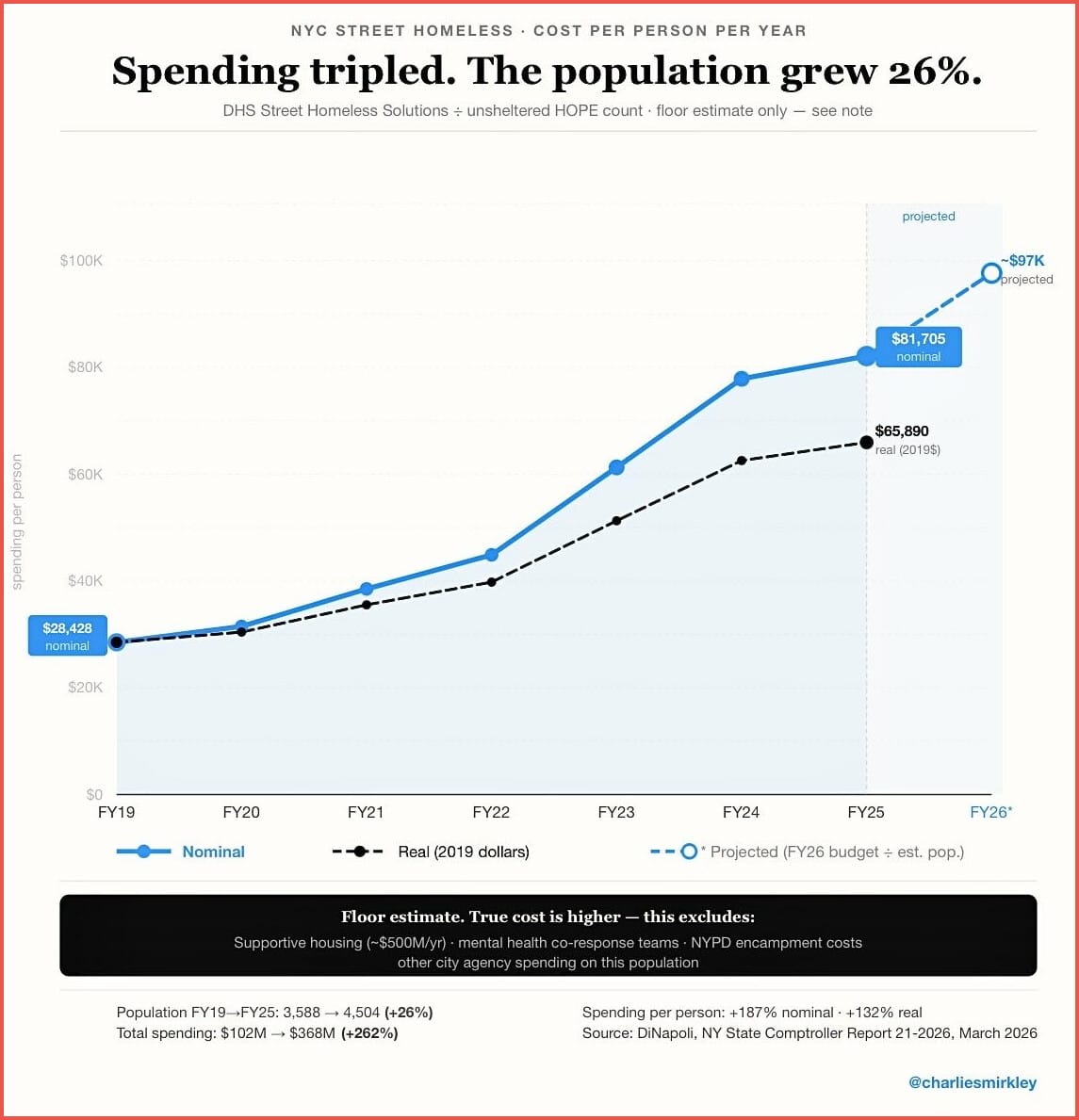
II. NYC Homeless Spending Nears $100,000 Per Person
New York City’s spending on homelessness has surged sharply in recent years. The city now spends about $81,700 per person annually, with projections nearing $97,000 per person, even before accounting for additional costs such as supportive housing and policing.
The figures highlight the growing fiscal burden of addressing homelessness in major urban centers.
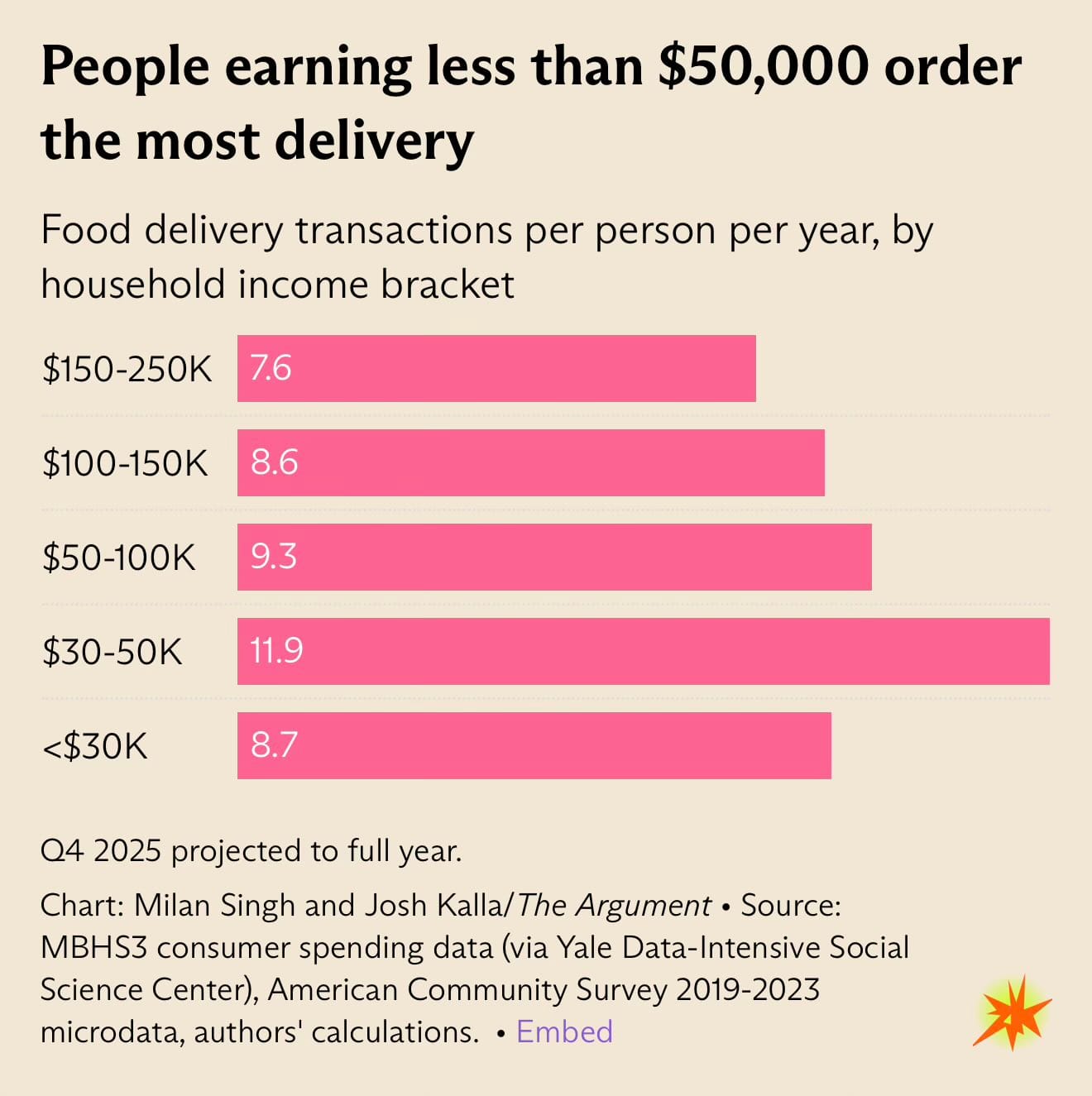
III. Lower-Income Households Order More Food Delivery
Food delivery usage is highest among lower-income households. People earning $30,000–$50,000 per year place the most orders, exceeding higher-income groups. The trend suggests convenience services are not just a luxury, but also reflect time constraints and lifestyle trade-offs across income levels.
The TIPP Stack
Handpicked articles from TIPP Insights & beyond
1. College Education Flunks Out — By More Than 2-To-1, Voters Say It's Not Worth It: I&I/TIPP Poll—Terry Jones, TIPP Insights
2. Monroe Doctrine 2.0: U.S. Over China in Latin America—Steve Cortes, RealClearWorld
3. The War Iran Forced—Larry Kudlow, TIPP Insights
4. Defund The U.N.—Editorial Board, Issues & Insights
5. The State’s Favorite Fallacy: The Cudgel In A Suit—Thiago V. S. Coelho, Mises Wire
6. Cultural Marxism Masquerading As True History—Wanjiru Njoya, Mises Wire
7. How Medical Licensing Serves Big Pharma At The Expense Of Public Health—Jeremy R. Hammond, Mises Wire
📊 Market Mood — Tuesday, March 17, 2026
🟩 Markets Hold Steady as Investors Weigh War Developments
European stocks were largely flat as traders assessed ongoing tensions in the Iran conflict.
🟧 Oil Jumps as Allies Decline Hormuz Intervention
Crude prices climbed after key U.S. allies refused to join efforts to reopen the Strait of Hormuz.
🟦 Supply Disruptions Stoke Inflation Concerns
Rising energy prices are fueling fears of renewed global inflation and tighter monetary policy.
🟨 Central Banks Seen Holding Rates Amid Uncertainty
Investors expect the Fed and ECB to stay on hold while monitoring the inflation impact of the oil shock.
🗓️ Key Economic Events — Tuesday, March 17, 2026
No Events Scheduled
editor-tippinsights@technometrica.com