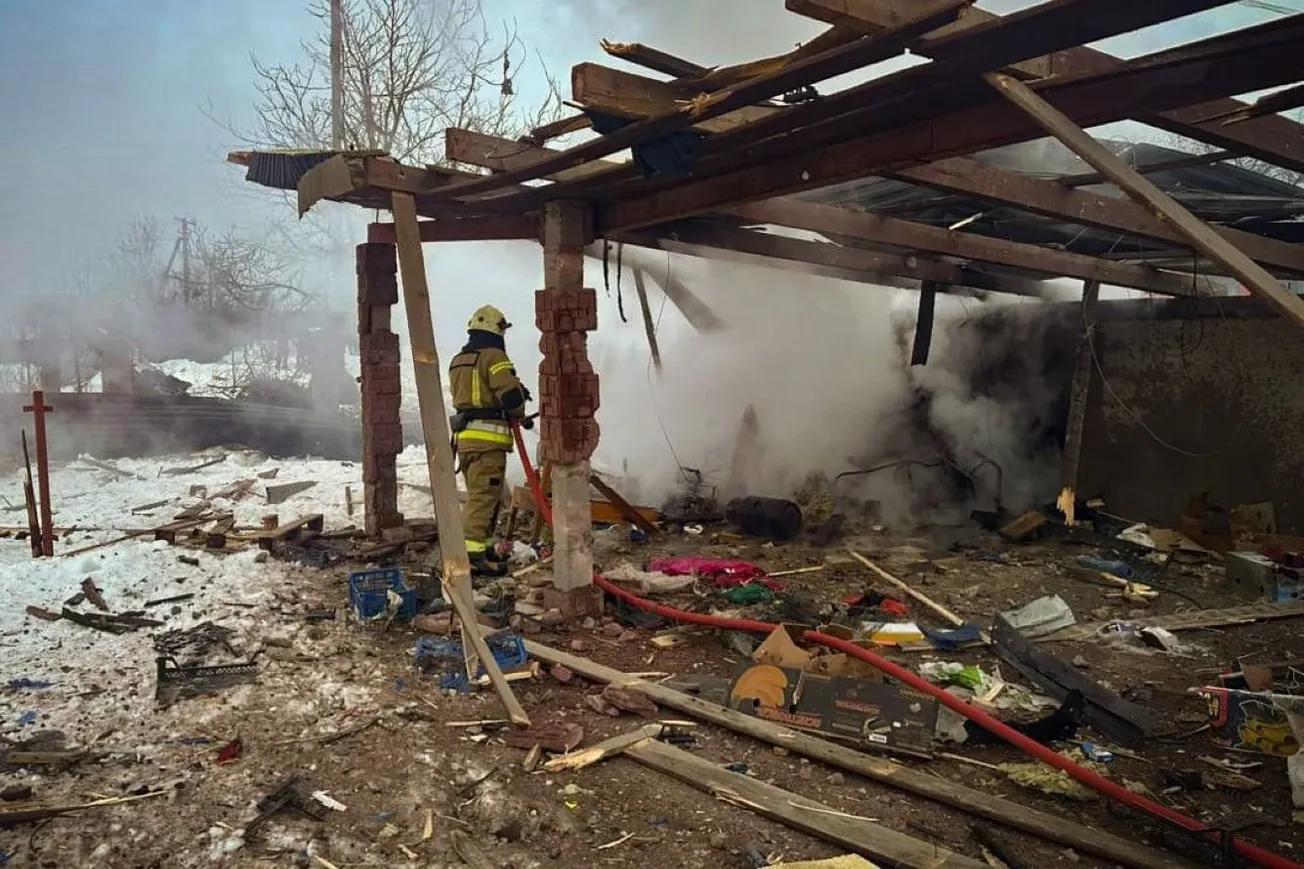
Russia carried out its most damaging strike yet on Ukraine’s nuclear-linked energy infrastructure on February 7, cutting nuclear electricity production by roughly 50 percent, according to Ukraine’s state grid operator Ukrenergo.
The attack targeted high-voltage substations that connect Ukraine’s three active nuclear power plants to the national grid.
One reactor unit was forced to shut down completely, while others reduced output. Additional strikes on thermal power plants worsened nationwide electricity shortages during winter.
Russia continues to strike UA energy system during winter.
— UKR Mission to the EU (@UA_EUMission) February 9, 2026
Damage to Kyiv’s Darnytsia Thermal Power Plant is so severe that restoring service will take months.
Over 1000 multi-story residential buildings will remain without heating till end of winter.
This terror must be stopped! pic.twitter.com/JdRwK5KhQ5
Ukrenergo CEO Vitaliy Zaichenko warned the situation poses serious nuclear safety risks. Nuclear plants require constant power for cooling systems.
If disconnected, they rely on backup diesel generators. Failure could lead to a meltdown within hours.
I held a coordination call on the situation in the energy sector and on efforts to eliminate the consequences of Russian strikes. The most challenging conditions remain in the capital: more than 1,400 apartment buildings in Kyiv are still without heating, and it is crucial that… pic.twitter.com/lqiY1gI1Bk
— Volodymyr Zelenskyy / Володимир Зеленський (@ZelenskyyUa) February 9, 2026
President Volodymyr Zelensky condemned the attacks and urged allies to strengthen air defenses protecting nuclear infrastructure. The strikes came despite U.S. President Donald Trump saying he had urged Moscow to avoid targeting Ukrainian cities.
Also Read:
 TIPP Staff