
Apologies. The audio is not working. We will restore it as soon as our partner resolves the glitch.
The clock is ticking.
President Donald Trump’s deadline to Iran expires at 8:00 p.m. Eastern Time on Monday, April 6, 2026. That will be 3:30 a.m. Tuesday, April 7, in Tehran.
Iran today is split. The civilian leadership under President Masoud Pezeshkian has been probing for a deal and attempting to open a channel with President Trump. But real authority now sits with the Revolutionary Guard. It dominates the military, large parts of the economy, and the internal security apparatus, with decision-making increasingly concentrated in military hands. It exists not to compromise, but to keep the regime alive.
This division explains why we should not expect a deal to materialize by the deadline. Iran, as it stands, cannot deliver a unified position. The civilian leadership can negotiate terms, but it cannot enforce them. The Islamic Revolutionary Guard Corps does not need to openly reject an agreement; it only needs to withhold consent. That alone is enough to stall, delay, and ultimately prevent any deal from taking hold.
Then there is the immediate trigger. Iran’s closure, or severe restriction, of the Strait of Hormuz has choked off critical oil and gas shipments. That move prompted President Trump’s ultimatum: reopen the waterway or face strikes on energy infrastructure, including power plants.
When the clock runs out, what we are likely to see are signals rather than solutions, gestures designed to buy time rather than resolve the underlying conflict, and a growing risk of escalation as diplomacy gives way to force.
If that is the reality, then the strategic objective must be clearly defined. The focus cannot be on symbolic targets or infrastructure that can be rebuilt. It must be on the system that holds power together. The IRGC is the core of the system, controlling both military power and vast economic assets. But it maintains that control through enforcement, and that enforcement runs through the Basij, a paramilitary network embedded in everyday life, tasked with policing and suppression at the street level. Making that job harder weakens the apparatus.
Past sanctions and limited strikes have shown the IRGC’s ability to adapt and reroute resources. Sustained, targeted pressure on its command structure, economic networks, and the Basij offers a more realistic path than one-off infrastructure hits. Tehran has historically rebuilt those quickly. The goal is not more pressure for its own sake, but pressure aimed at the people and networks that hold the system together.
This is the situation President Donald Trump now faces: a deadline that creates clarity in Washington while exposing fragmentation in Tehran, a negotiating partner that cannot fully commit, and an adversary whose most powerful faction is built for confrontation, not compromise. The timing of any response carries real risk. Move too soon, and outside pressure pulls Iran’s competing factions together, turning division into unity. Wait too long, and the Islamic Revolutionary Guard Corps and its hardline allies take full control of events, shutting down any remaining space for diplomacy. Recent reporting confirms this dynamic: the IRGC has blocked presidential appointments, erected security cordons around remaining leadership, and consolidated decision-making, leaving Pezeshkian as the public face of mitigation efforts rather than a true center of power.
The window is narrow, but it reveals something important: the fractures inside Iran are real, and for now, they are visible.
It is important to recognize that this is not a regime that collapses quickly. The Islamic Revolutionary Guard Corps has been built to endure, to absorb pressure, and to adapt under stress. It is embedded across institutions and can continue operations even when individual nodes are disrupted. That means sustained erosion, not any expectation of sudden change. Progress, if it comes, will be uneven and slow.
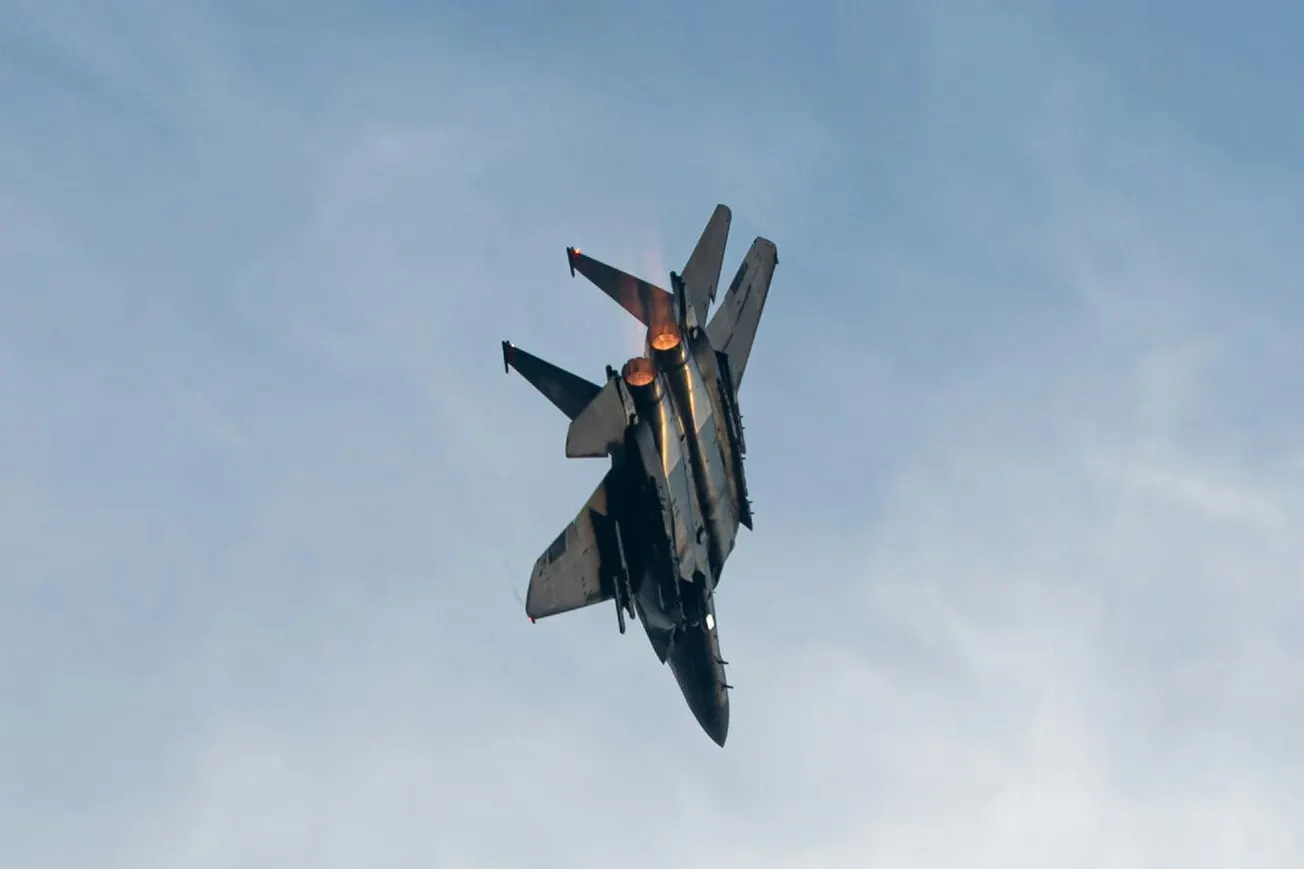
Strategy is one thing. But not everything is strategic. One point should not be overlooked. The recovery of American personnel matters, not only because it is the right thing to do, but because it says something about who we are. With the recent daring rescue of the downed F-15E crew members now complete, this principle has been powerfully reaffirmed. Allies and adversaries both take notice when the United States follows through and does not abandon its own.
When the clock runs out, the decision point will not end; it will begin. The central issue is not whether a deal is announced, but whether any agreement can hold under Iran's current power structure. At present, it cannot. Two centers of authority, one country, and no unified voice make durable diplomacy impossible. Until that changes, negotiations will continue to circle without landing, and strategy will have to focus on where power actually sits. That is where this will be decided. The clock is not stopping. It is starting.
Apollo and Artemis
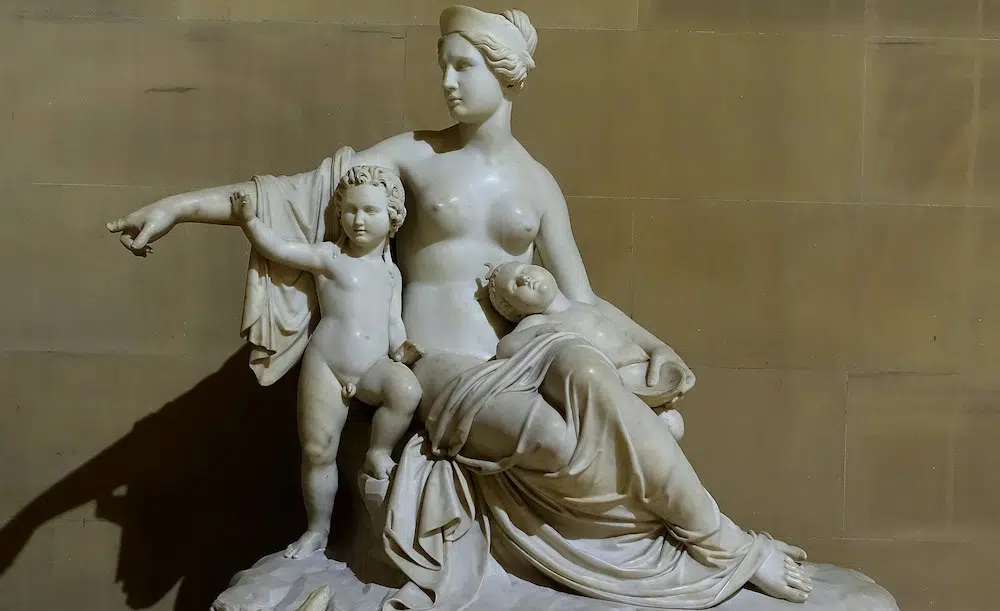
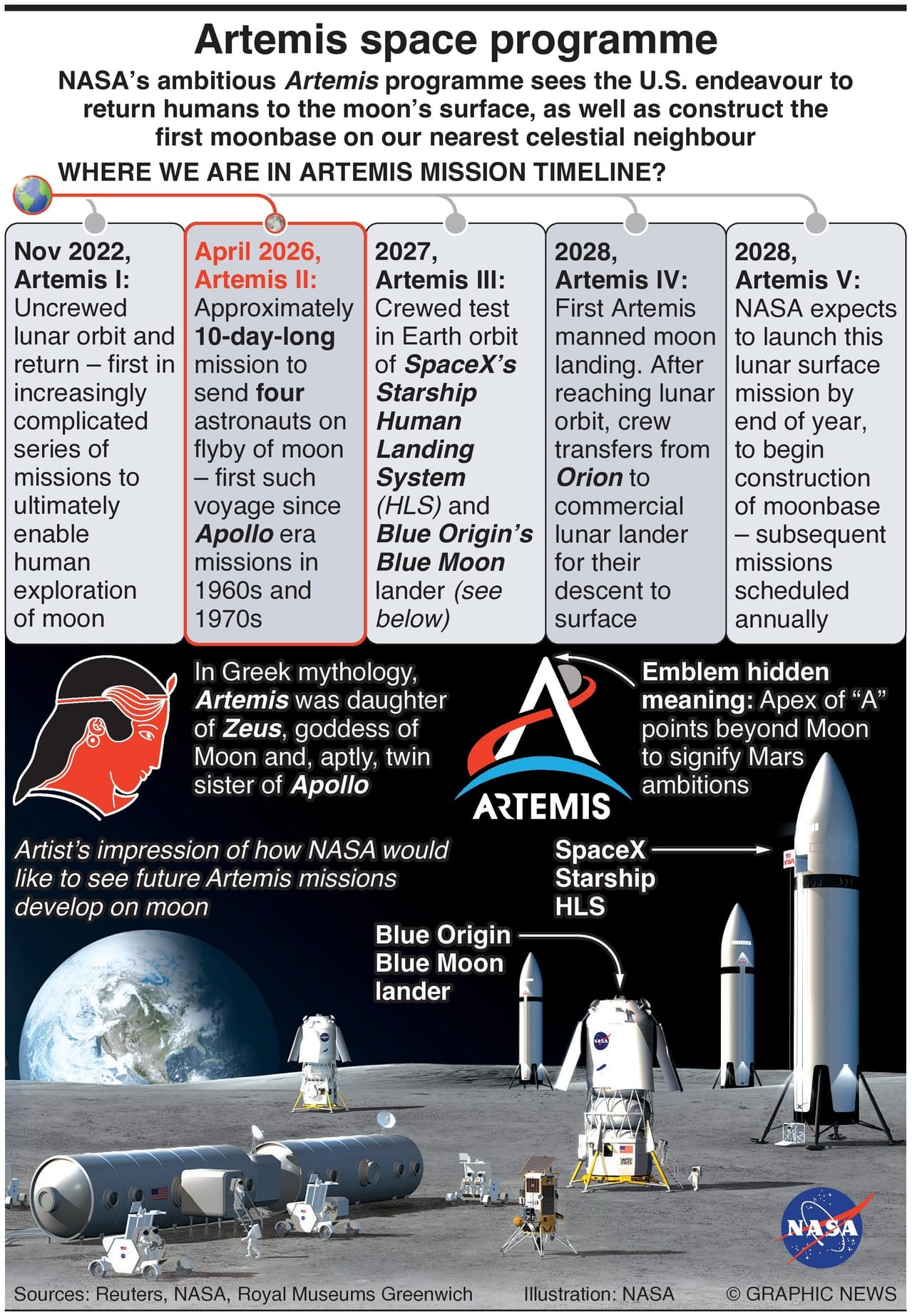
Artemis was said to be born first and helped deliver her twin brother Apollo. In myth, she swore never to marry and fiercely guarded her independence, while Apollo became the god of reason, music, and order. NASA chose Artemis to follow Apollo, linking the original Moon landings to the next phase of exploration, a return to the Moon with a new generation of explorers.
From myth to mission, the next chapter is already underway.
The TIPP Stack
Handpicked articles from TIPP Insights & beyond
1. Iran On The Edge Of Breakdown—Pegah Banihashemi, Project Syndicate
2. Why Trump’s Iran Strategy Isn’t A ‘Forever War’—It’s Deterrence—Victor Davis Hanson, The Daily Signal
3. The Guards Take Tehran—Editorial Board, TIPP Insights
4. The Endgame Is Set—Editorial Board, TIPP Insights
5. The Iran Endgame As Critics Cry Chaos And Markets Miss It—Larry Kudlow, TIPP Insights
6. Trump And Rubio Float Exit From NATO: ‘Paper Tiger’—George Caldwell, The Daily Signal
7. NATO Is In Hospice—Editorial Board, TIPP Insights
8. The Little Mermaid Grows Teeth—Editorial Board, TIPP Insights
9. Cuba in Free Fall—Pavel Vidal, Project Syndicate
10. Artificial Intelligence Hammers In The Final Nail In Karl Marx’s Coffin—Andy Fischer, Mises Wire
11. Justices Hear Potential Landmark Case On Birthright Citizenship—Fred Lucas, The Daily Signal
12. Vance Takes Major Step Toward Cracking Down On Fraud—Elizabeth Troutman Mitchell, The Daily Signal
13. Our Problem Isn’t Kings; It’s The Presidency—Connor O'Keeffe, Mises Wire
14. LIFTOFF: Successful Artemis II Launch Sends Astronauts Into Deep Space—Virginia Grace McKinnon, The Daily Signal
15. Yes, Analytic Statements Matter—Roberto Ledezma, Mises Wire
editor-tippinsights@technometrica.com