
On a June night in 2024, Alice Huang was having drinks with a group of tech executives at a bar overlooking Taipei. At one point, she bet them she could get Jensen Huang, the head of Nvidia, to come by. Not long after, he walked in, according to one executive who was there.
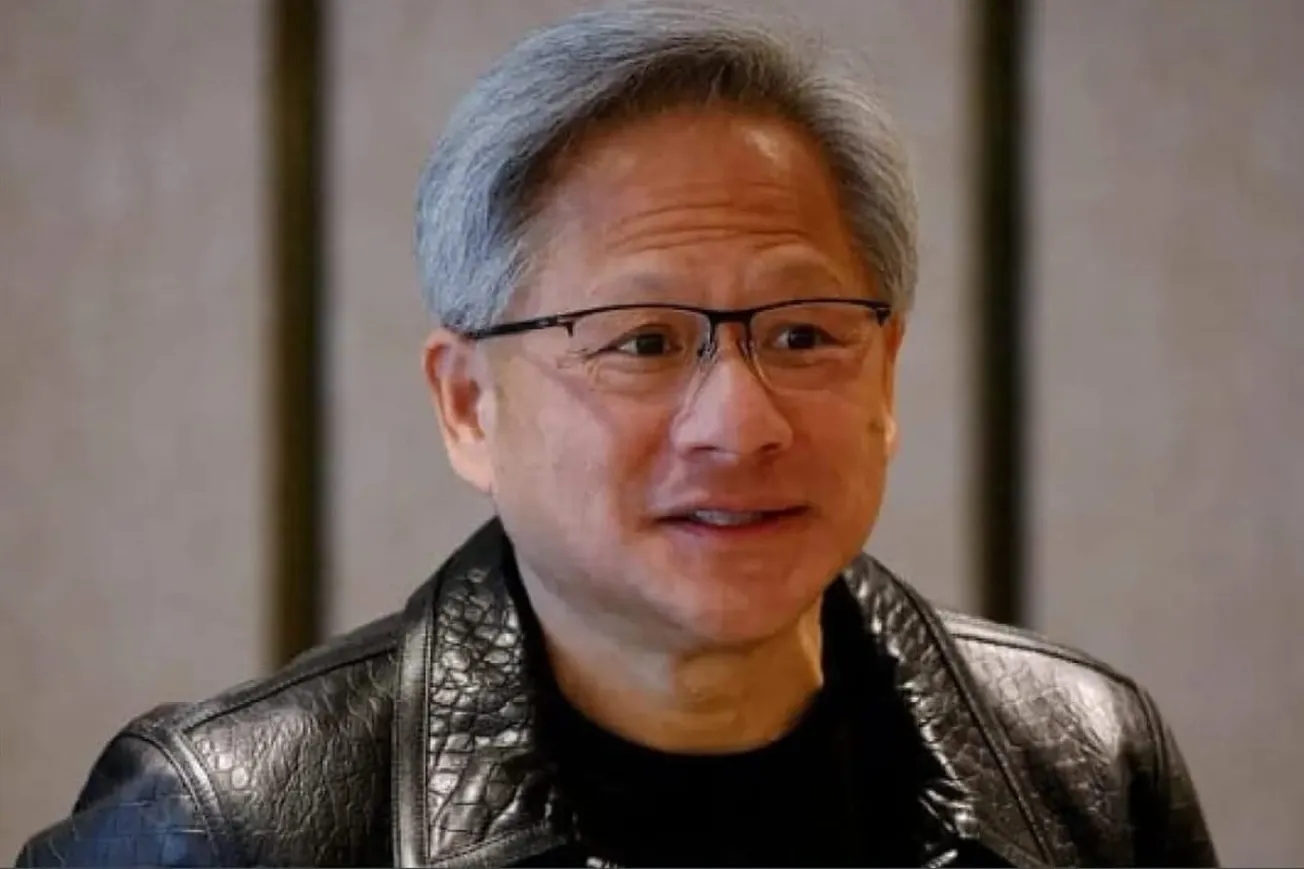
She worked for Megaspeed, a Singapore cloud company and Nvidia customer. Over the next two years, its Malaysian affiliate, Speedmatrix, bought at least $4.8 billion worth of AI equipment built with Nvidia technology. The New York Times later reported that U.S. intelligence officials had concluded she was passing information to Beijing. Then, on November 12, Jensen Huang resigned as Nvidia's chief executive, 33 years after he co-founded the company.
Much of this, however, remains unproven. Huang admitted on November 8 that he had been unfaithful to his wife, and his departure followed reports of two affairs, one of them with Alice Huang. The spying claims, by contrast, rest on anonymous officials and a classified memo that no one outside government has seen. Attorney General Todd Blanche says the Justice Department hasn't decided whether she was a spy. Beijing calls the story a smear, while Megaspeed says it follows U.S. export rules and that inspections found no illegal chip transfers. Nvidia's board, likewise, says it has no reason to think any secrets were compromised.
Meanwhile, the investigations keep widening. The Justice Department is running a criminal inquiry into Megaspeed, and federal prosecutors in Manhattan are also looking at whether companies tied to Alice Huang helped smuggle Super Micro equipment into China. So far, no one has been charged, and Bloomberg reports that Jensen Huang himself is not a target.
Even so, the case is worth studying, because it shows where America's protections for its most important technology run out. For four years, Washington has been building walls around advanced AI chips. Its export controls decide who can buy them, where they can be shipped and which licenses are needed. But they have nothing to say about whom a chief executive confides in, which customers he champions, or what he argues for in the Oval Office.
That gap matters in this case. According to the Times, the classified memo alleged that one goal of recruiting Alice Huang was to get Nvidia to push for selling its best chips in China. Jensen Huang was already one of the loudest voices for those sales. An influence campaign, after all, doesn't need to change anyone's mind; it can simply encourage a view someone already holds and pick up whatever he knows along the way.
Looking back, several of the safeguards that should have caught this seem weak. Start with Nvidia's own board. Until November 11, when it named Harvey Jones its first-ever chair, the company had never had one and relied instead on a lead independent director. What if a single director had been clearly responsible for overseeing the chief executive's conduct?
The company's public response raises a similar question. When the Times story broke on October 29, Nvidia pushed back. A spokesman, John Rizzo, said Jensen Huang talks with thousands of customer executives a year and that his contacts with Alice Huang fit that normal pattern. The company also said earlier claims that Megaspeed had diverted chips had been investigated and disproven. Ten days later, however, Jensen Huang's admission showed that this wasn't the whole story. The board's own investigation should establish when directors first learned of the relationship.
Another concern is Nvidia's outreach to investigators. In August 2025, Nvidia's general counsel, Tim Teter, contacted the Commerce Department officials investigating Megaspeed, seeking information about their inquiry. Nvidia says a senior Commerce official approved the contact. The Commerce investigators declined to meet Teter, and the Justice Department later took over the case, though nothing shows that Nvidia's outreach caused the move. The contact may well have been routine and well-intended. Still, when a chief executive is personally close to someone tied to a company under federal investigation, even an innocent inquiry can look like pressure.
The government, too, has questions to answer. According to the Times, the president was told about the suspicions roughly a year ago, yet Jensen Huang never got a defensive briefing, the warning counterintelligence agencies sometimes give Americans who are being targeted. The White House disputes parts of that account, and officials may have stayed quiet to avoid tipping her off. If the Times is right, though, nobody told Jensen Huang or his board what the government suspected.
Lawmakers are now stepping in as well. The heads of the House Foreign Affairs, China and Intelligence committees have asked Jensen Huang to sit for a closed-door, transcribed interview on December 1, with Teter the following day. According to Representative Brian Mast, who chairs the Foreign Affairs Committee, Huang has agreed to appear. Their inquiry also covers how Nvidia guards against foreign espionage, which matters more to the public than the affair itself.
The lessons reach well beyond Nvidia. Companies whose products are treated as national assets should hold their leaders to standards comparable to those Washington sets for employees with security clearances. That would start with an independent chair who can hold the chief executive to account, along with a rule that top executives disclose to the board any close personal ties to people at customers in export-sensitive markets. These companies also need a succession plan in place before it is needed, rather than one assembled in a few days during a crisis.
Washington, for its part, needs a better way to warn companies. A defensive briefing usually goes to the person being targeted. That approach breaks down when the target is the chief executive and is personally close to the person under suspicion, because warning the executive risks alerting the suspect. Defense contractors already have security officers who hold clearances and receive threat information from the Pentagon's counterintelligence agency. Companies whose technology is just as sensitive could have one or two independent directors hold security clearances for the same purpose. The aim, in short, is for a relationship like this one to be known to someone with the power to act on it.
In the end, investigators can follow the servers through customs filings and trade records, but they can't follow what was said over drinks in Taipei. America is racing to lead in artificial intelligence with the most advanced chips ever made, yet the oldest kind of spying, getting close to the right person, still works on the people who make them. Export controls were designed for shipments. Guarding the people is where a board's responsibility begins.
Loved it, hated it, or somewhere in between — tell us. Grade this article here and help shape what lands in your inbox next.
Letters to the editor email: editor-tippinsights@technometrica.com
Subscribe Today And Make A Difference. Consider supporting Independent Journalism by upgrading to a paid subscription or making a donation. Your support helps tippinsights thrive as a reader-supported publication. Contact us to discuss your research or polling needs.
Reach our audience. For sponsorship and advertising opportunities, visit our Partner With Us page.