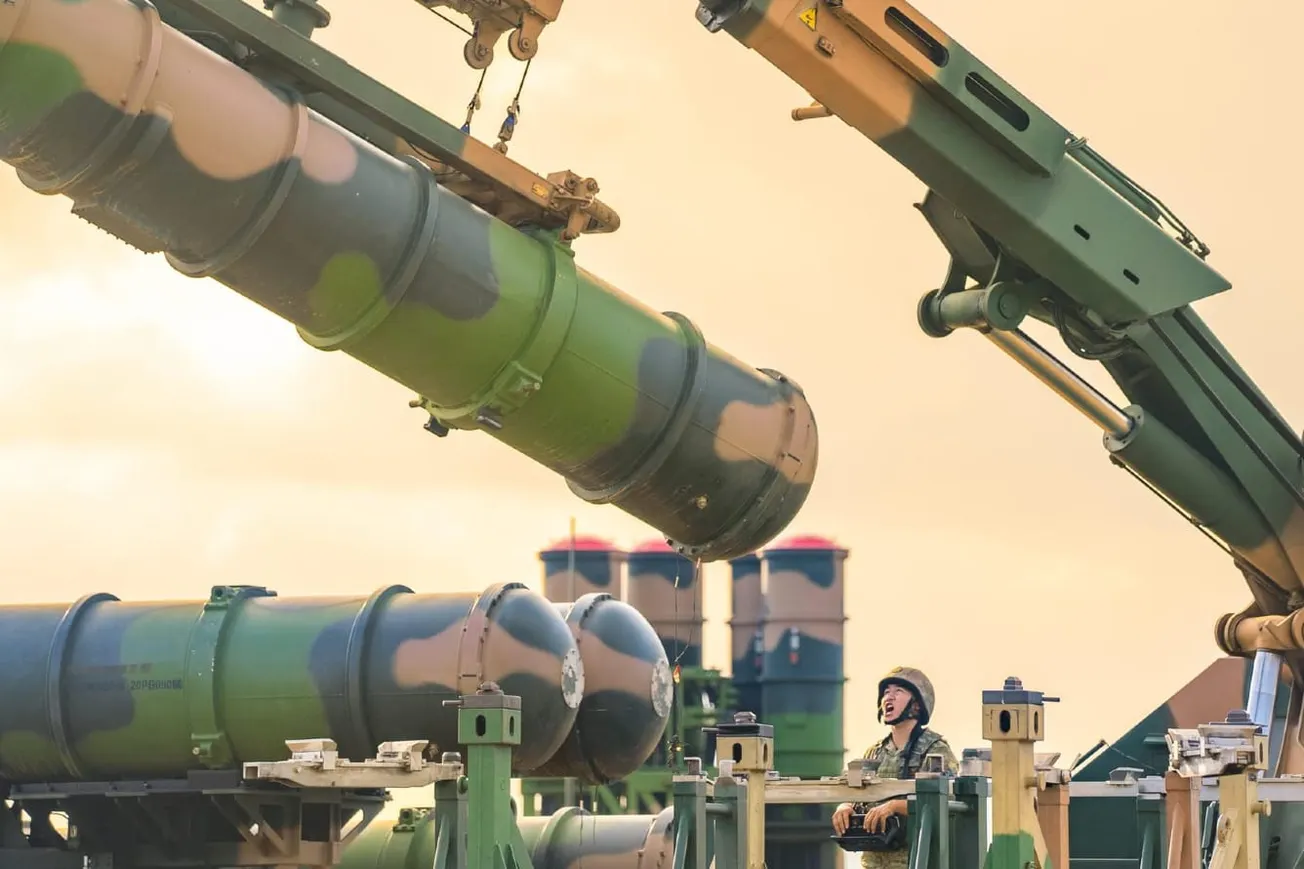

In his typical dramatic style, U.S. President Donald Trump announced earlier this month that military aid to Israel “gets cut off at the end of the year.” Further discussions revealed the transition is likely to be more orderly: taking place over a five-year period after the current “MOU” agreement expires in 2028.

Either way, an era of Israeli dependence and American leverage is ending. Some Democrats are framing the transition as a kind of virtuous moral stand against the Jewish state.
It is not.
To the contrary, Israel has been working to phase out the American aid package since at least 2025, and this transition will, ironically, present even greater challenges to the United States than it will to Israel.
Why Israel doesn’t want American aid
When American military grants began in 1974, Israel was a much smaller, poorer country, with a GDP of only $17.2 billion. That year’s grant was 8.7% of Israel’s GDP: a vital lifeline for a small, embattled Jewish state, surrounded by much larger, and wealthier, enemies.
Since then, Israel has grown massively: with a GDP of $610.8 billion in 2025, America’s grant is now only 0.62% of GDPand only 7.9% of Israel’s military spending. Over that same time, the American ally has evolved into the preeminent regional power in the Middle East, and even an emerging global power.
Yet despite its limited value to Israel, the aid comes with suffocating restrictions: greatly benefitting the United States, to Israel’s detriment:
- Nearly all of the funds must be spent on American products, providing U.S. companies with a captive, multi-billion dollar customer;
- The aid limits Israel’s ability to innovate on its own, forcing dependence on the American defense ecosystem;
- Israel’s enforced dependence on American exports gives Washington powerful leverage over Israeli decisions, including with respect to vital self-defense needs.
The United States purchases all these advantages, and strengthens a stalwart ally, for less than 0.06% of the Federal budget: roughly what the Federal government spends every year on office supplies.
Real Partnership
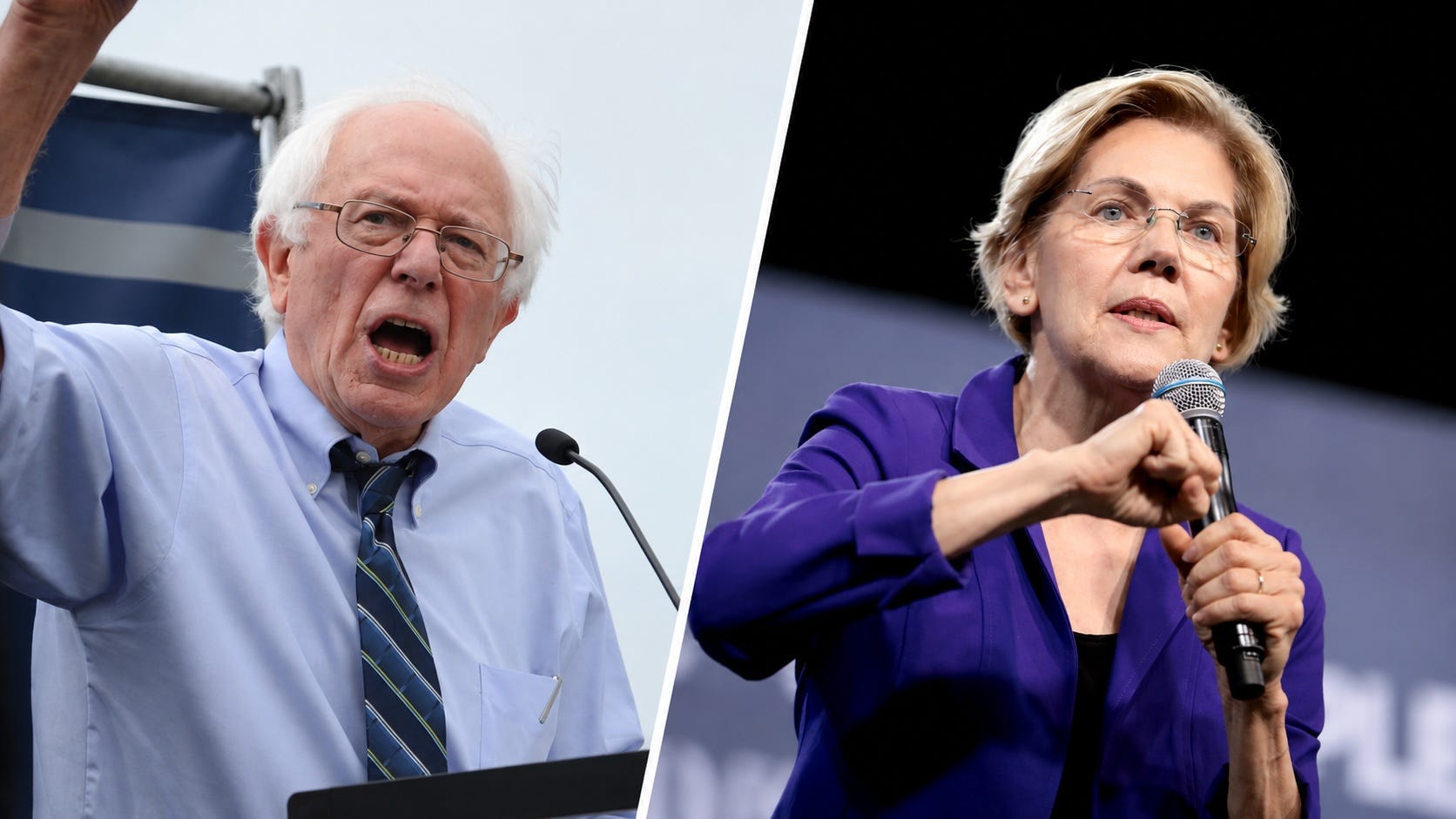
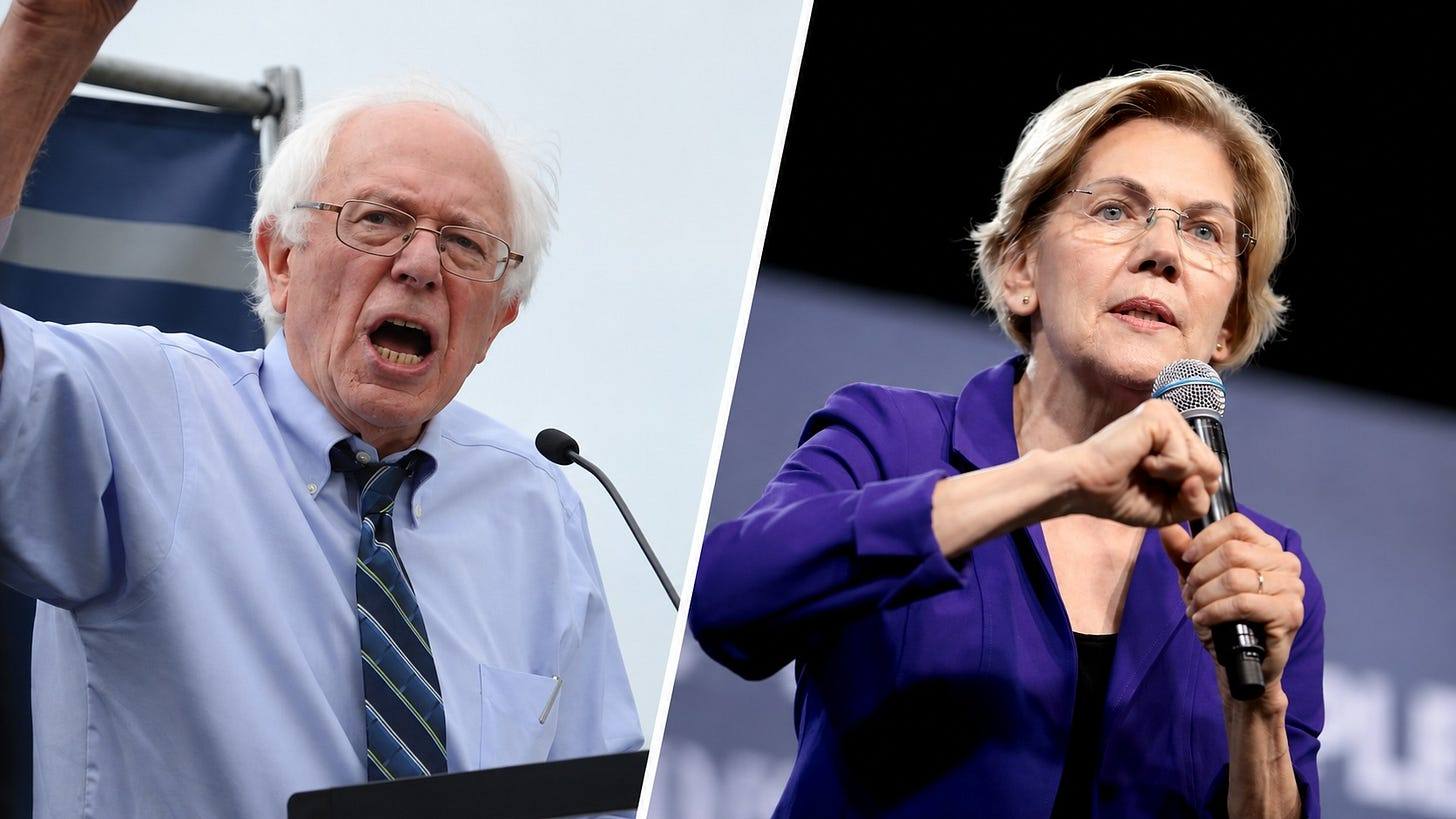
Twelve US senators, including Bernie Sanders and Elizabeth Warren, signed a letter this month calling to block expanded defense and intelligence cooperation with Israel.
As traditional aid is phasing out, true partnership is phasing in. The 2027 National Defense Authorization Act creates a “Defense Technology Cooperation Initiative,” covering tech, intelligence, joint weapons production, and bilateral R&D. The United States already benefits greatly from Israel’s stunning human capital in the private sector, including at NVIDIA, Google, Meta, Microsoft and Palo Alto Networks: just a few of the American companies with a major R&D presence in Israel. The Initiative will expand those same benefits into areas vital for each country’s national security.

Congressional opponents complain that the Initiative will create the kind of cooperation that cannot be “suspended, reduced, or otherwise materially limited,” that it will give Israel “leverage” and that it will “limit” America’s influence over Israel.
They aren’t wrong.
Israel and America are moving from dependence to interdependence. Like a healthy marriage, the Initiative is designed to build a partnership of equals: making each country stronger, safer and more prosperous. The prior arrangement, one characterized by dependence and control, was appropriate for its time, but times change and relationships grow.
There is another, darker reason for the evolving relationship: a future American administration might be tempted to treat Israel as an adversary, or even an enemy. Just a few years ago this would have been unthinkable, but with ideological Islamists, Marxists, and even thinly disguised Jihadis gaining prominence in American leadership, the world’s last great superpower could potentially go in a self-destructive direction — alienating allies, and exposing itself to enemies: including those backed by the Muslim Brotherhood.

Such a downfall is by no means certain: from the Civil War to the Cold War, America has always faced dangers, both at home and abroad — and has always prevailed. Yet a storm is gathering, and both countries need a degree of “future proofing” against the coming dangers. True interdependence cannot be undone by a temporary political whim, a truth that strengthens and protects both nations.
If America and Israel prevail against the dangers of the future, it will be thanks, at least in part, to the preparations being made today. If America and Israel prevail, it will be as true partners: together.
Daniel Pomerantz is the CEO of RealityCheck, a non-profit charitable organization dedicated to restoring public trust in information. An expert on the Middle East and international law, Daniel also serves as an adjunct professor at Israel’s Reichman University (the “IDC” in Herzliya). Daniel and RealityCheck can be found at www.realitycheckresearch.org or at contact@realitycheckresearch.org.
Loved it, hated it, or somewhere in between — tell us. Grade this article here and help shape what lands in your inbox next.
🧭 Power & Capital · November 17, 2026
Where state power meets the boardroom.
🔷 What Challenges Await Nvidia's New Leader Colette Kress
🔷 Why Is Nvidia's Board Not Considering Jensen Huang's Return As CEO
🌍 Global Affairs
The world's flashpoints, in motion.
🟥 Iran Targets Bahrain With Fresh Drone Attacks Amid US Standoff – TIPP News
🟥 Canada May Turn To China As Trump's Tariffs Strain Auto Industry – TIPP News
🟥 Paraguay Judge Orders Former President Peña Moved To Military Prison – TIPP News
🟥 Watch: Spain’s Canary Islands See 48-Hour Influx Of 2,200 Migrants – TIPP Video
🟥 Watch: French Navy Intercepts 'Narco-Sub' With 146 Kg Of Cocaine In Atlantic – TIPP Video
🟥 Watch: Ebola Outbreak Still Out Of Control After 6 Months, Warns Africa CDC – TIPP Video
🟥 Watch: 11 Dead In Thailand Resort Island Building Fire – TIPP Video
🟥 Watch: Cricket Legend Sachin Tendulkar Joins Prince William And Kate Middleton On Mumbai Pitch – TIPP Video
🏛️ National Affairs
The fights shaping America right now.
🟫 Over 2/3 Of Voters Fear EU-Style Violent Riots Will Soon Hit U.S. Cities, Too: I&I/TIPP Poll – Terry Jones, TIPP Insights
🟫 US Supreme Court Declines Trump Bid To Cancel DEI Research Funding – TIPP News
🟫 Trump Appeals To Federal Court In Bid To Erase New York Conviction – TIPP News
🟫 New US Proposal Could Tighten Green Card Rules For Foreign Professionals – TIPP News
🟫 US Universities See Sharp Drop In International Student Enrollment – TIPP News
🟫 California Expands Medical Assistance To Ukraine Amid Ongoing War – TIPP News
🟫 NYPD Disbands Strategic Response Group, Shifts Counterterrorism Duties – TIPP News
🟫 FBI Investigates Explosive Device At Illinois Plant After Suspect's Arrest – TIPP News
🟫 What Happened During The Shooting At A Bronx Apartment Complex – TIPP News
🟫 Lindsay Clancy To Face Retrial In Deaths Of Her Three Children – TIPP News
🟫 Watch: Relief For US Flyers As Flight Cancellations Ease After Historic Outage – TIPP Video
🟫 Massive Waves Batter California Coast, Forcing Closure Of Iconic Piers – TIPP News
🟫 The Dual Tax Of Empire: Funding More War And More Immigration – Patrick Frise, Mises Wire
🟫 Don’t Settle For “Limited” Government – George Ford Smith, Mises Wire
🟫 North Atlantic Right Whale Population Falls To 382, Scientists Warn – TIPP News
🟫 Cat Missing After Deadly Brooklyn Building Collapse Reunited With Owner – TIPP News
🟫 Fiona The Hippo Under Veterinary Care After Swallowing Visitor's Hat – TIPP News
🟫 Robert Pattinson Named The Next James Bond, Replacing Daniel Craig – TIPP News
📈 Economy
Prices, policy, and the pressure on your wallet.
🟩 AAA Forecasts Slight Decline In Thanksgiving Travel As Costs Rise – TIPP News
🟩 The Myth Of “American Jobs” – Ruel Domi, Mises Wire
💼 Markets & Business
The deals and tickers making moves.
🟧 Three Major US Banks Hit By Outages Days After Nationwide Flight Shutdown – TIPP News
🟧 United Airlines Resolves Technology Outage That Disrupted Departing Flights – TIPP News
🟧 Warren Buffett Shares $5.5 Billion Thanksgiving Gift With Children's Foundations – TIPP News
🟧 Is Diversification The Heart Of Investing? – Frank Shostak, Mises Wire
📊 Market Mood · November 17, 2026
How the trading day is setting up.
🟥 Global stocks are falling ahead of Nvidia's earnings. Technology shares are under pressure across Asia and Europe, while U.S. futures are lower as investors question AI spending, valuations and future profits.
🟧 Nvidia faces a crucial test of investor confidence. The chipmaker's leadership upheaval and concerns about data-center spending have intensified scrutiny of its earnings, margins and growth outlook.
🟦 Treasury yields are easing as investors seek safety. The 10-year yield has slipped toward 5.1% amid the global equity selloff, even as markets anticipate another Fed rate hike in December.
🟨 Consumer spending is today's economic focus. October retail sales are expected to slow sharply, offering an important test of household resilience as inflation and borrowing costs remain elevated.
🗓️ Key Economic Events
On today's U.S. data calendar.
🟧 8:30 a.m. ET — Retail Sales (October)
Forecast: +0.1% m/m | Previous: +0.8% m/m
Consumer spending is expected to slow sharply, providing an important indication of household demand and economic resilience.
🟧 9:15 a.m. ET — Industrial Production (October)
Forecast: +0.1% m/m | Previous: +0.7% m/m
Industrial output is expected to grow modestly, suggesting slower momentum in manufacturing, mining and utilities.
🟧 9:15 a.m. ET — Capacity Utilization (October)
Forecast: 76.8% | Previous: 76.9%
Factory and industrial capacity use is expected to edge lower, indicating limited pressure on production resources.