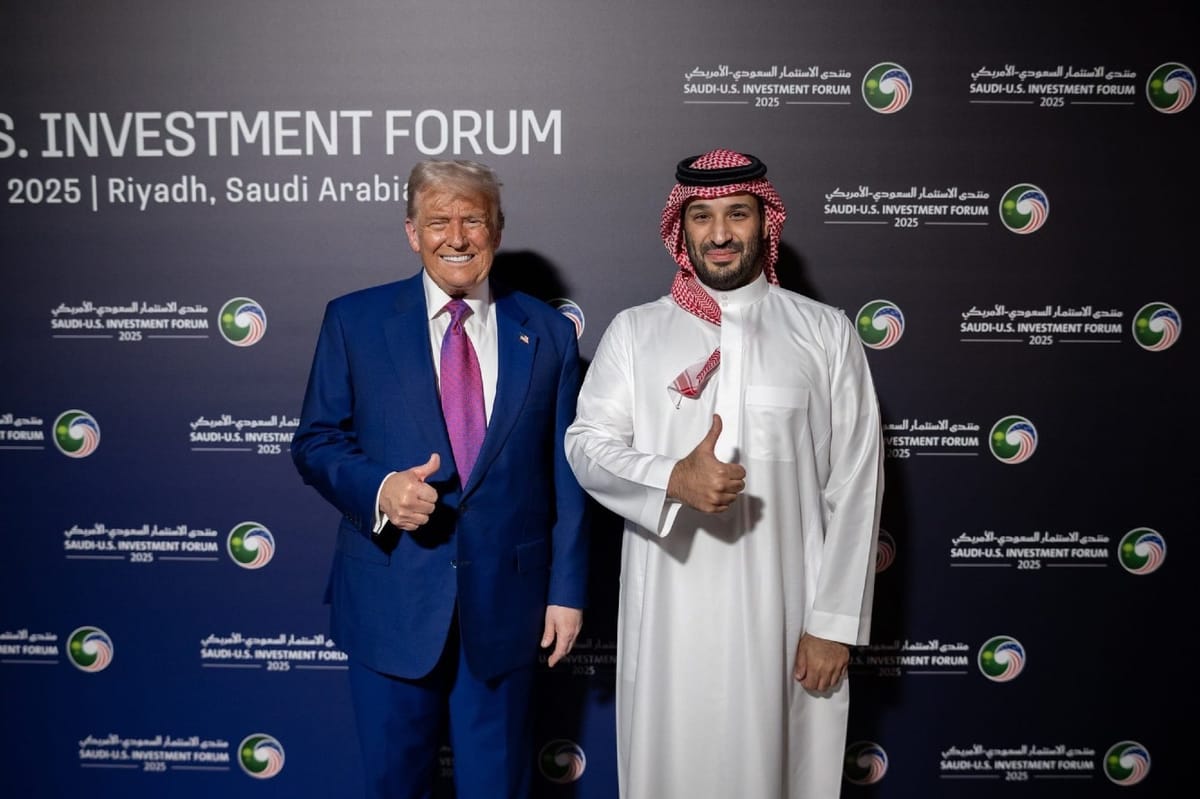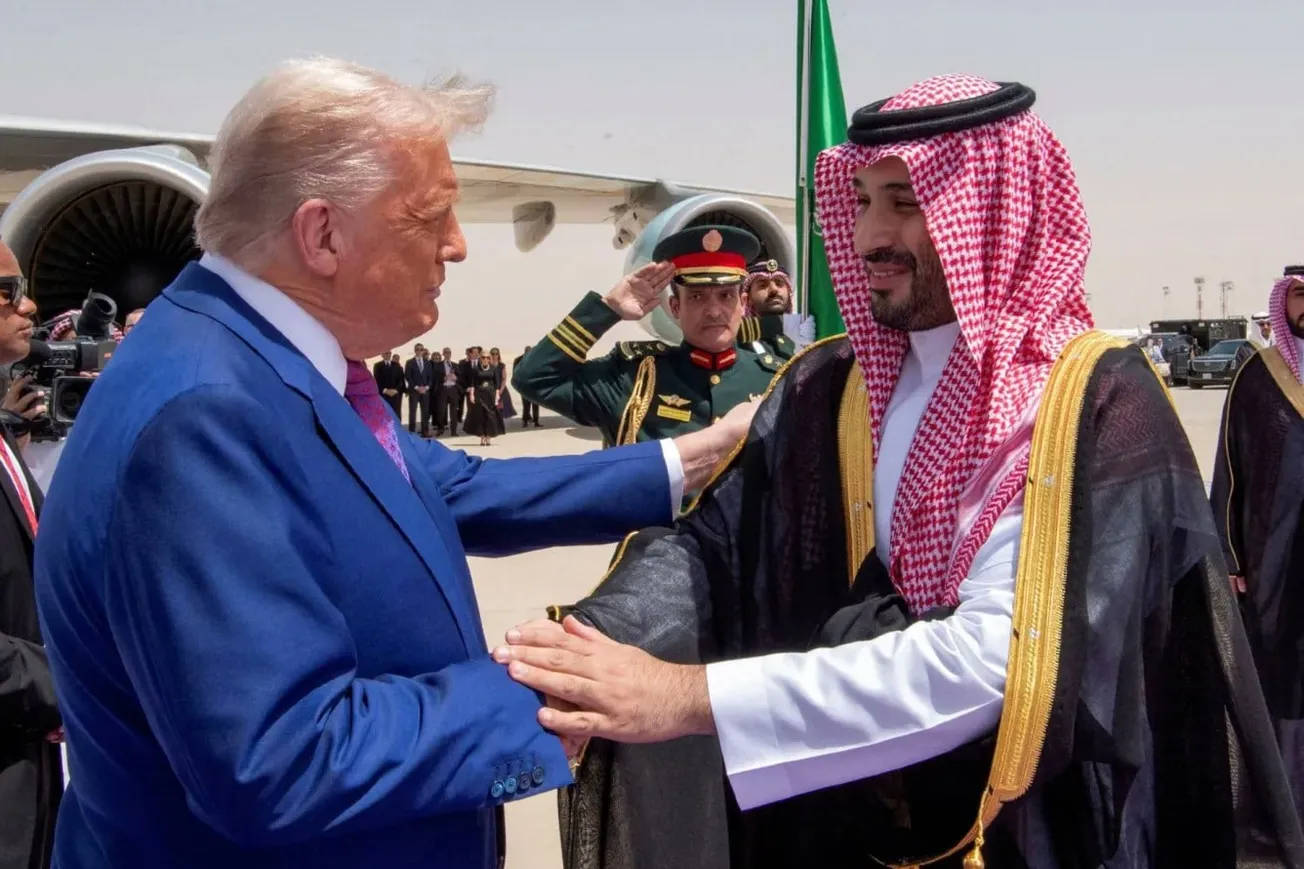
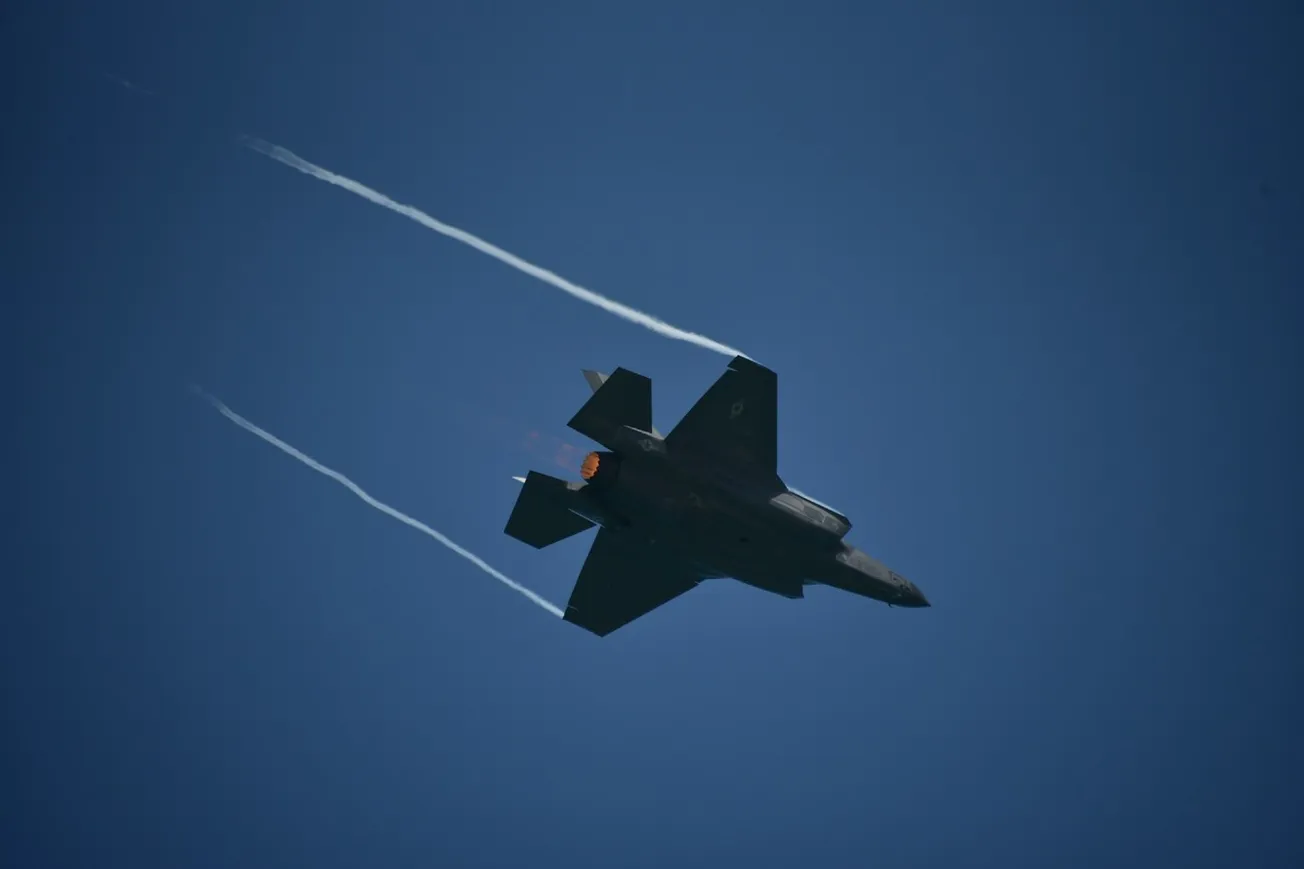
President Donald Trump’s push to sell F-35 fighter jets to Saudi Arabia has set off a heated debate across Washington. The proposed multibillion-dollar deal would take years to fulfill and touches nearly every major fault line in global security — Israel’s qualitative military edge, China’s rising influence, U.S. foreign military sales, and congressional oversight.
As Saudi Crown Prince MBS visits the US, attention turns to the advanced F-35 fighter jet — a stealth aircraft Riyadh wants to buy to boost its air power.
— Al Jazeera English (@AJEnglish) November 18, 2025
But what makes it so desirable? https://t.co/22X464mEE9 pic.twitter.com/Dr1LLWFxKu
Trump told reporters that Saudi Arabia deserves “top of the line” F-35s because it has been a “great ally,” similar to Israel.
“I think Saudis have shown that they are valuable allies in the region.”
— Special Report (@SpecialReport) November 18, 2025
Treasury Secretary @SecScottBessent backs the F-35 sale to Saudi Arabia as the kingdom ramps up its U.S. investment commitment to $1 TRILLION. pic.twitter.com/9DFuMAAYIA
Lockheed Martin praised the announcement and said it looks forward to working with the administration.
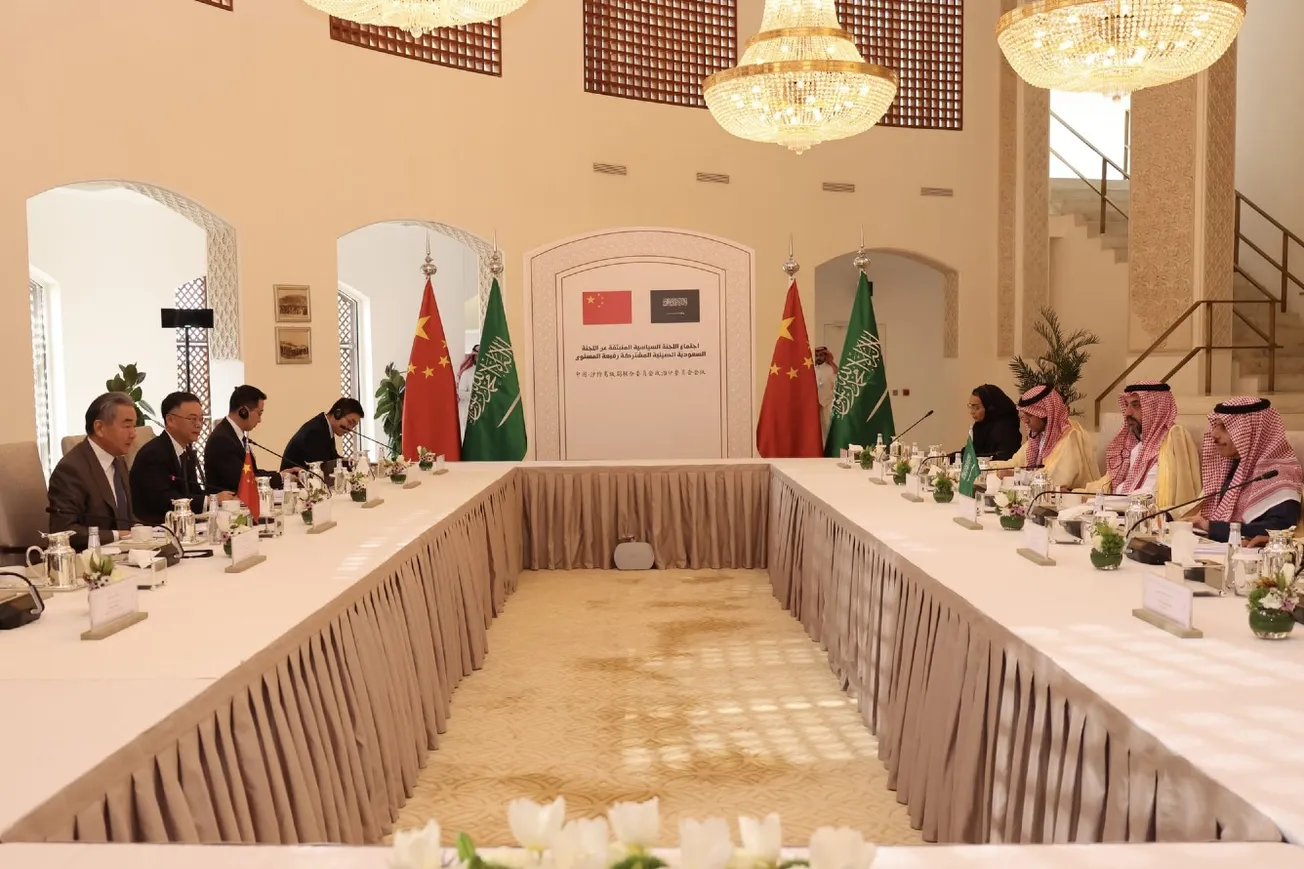
But analysts warn the deal cannot move forward unless Riyadh distances itself from China, which recently completed joint naval drills with the Saudis.
Jane Harman, former ranking member of the House Intelligence Committee, said that in addition to the sale of F-35 fighter jets there may be an appetite to do other defense deals with Saudi Arabia, as long as the US can keep the technology from falling into China's hands… pic.twitter.com/YkOm9VcKHh
— Bloomberg TV (@BloombergTV) November 18, 2025
Only a handful of nations currently fly F-35s. Israel is the sole operator in the Middle East.
Experts say the fighter jet sale would become a major bargaining chip as Washington seeks to shape the region’s future security architecture.
Also read:
 TIPP Staff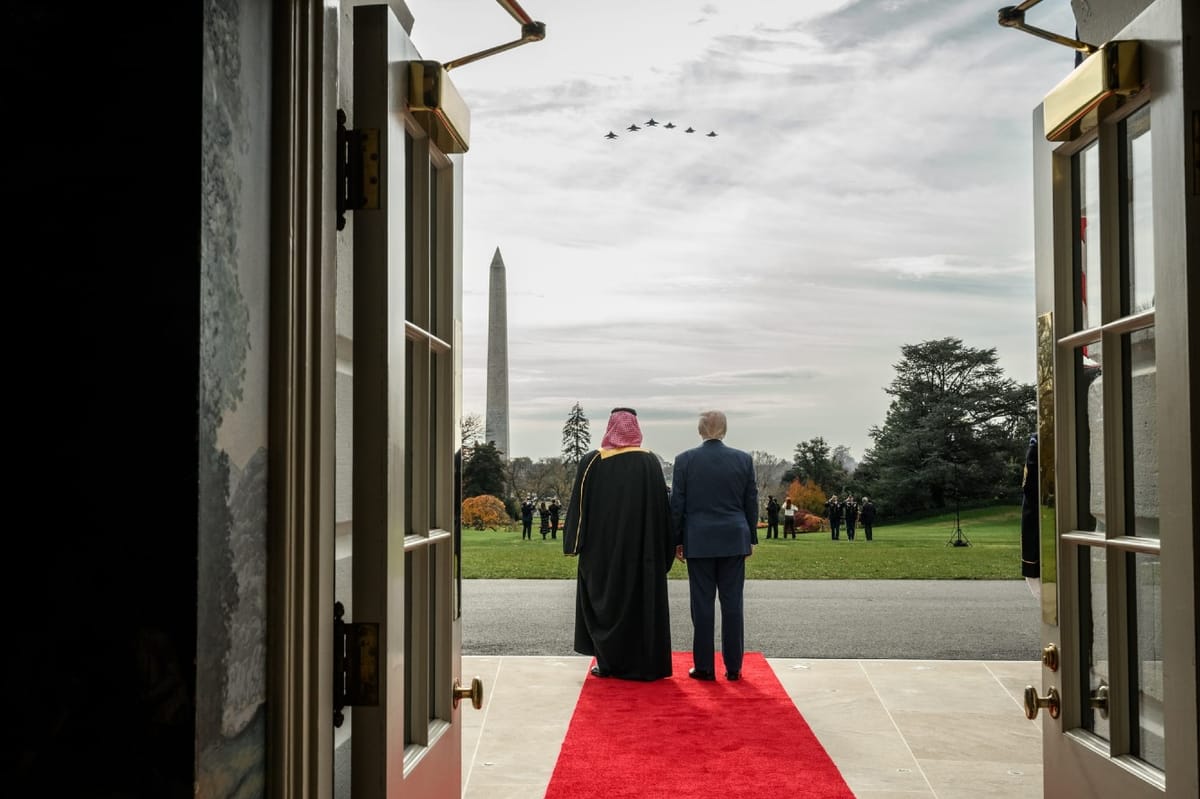
 TIPP Staff