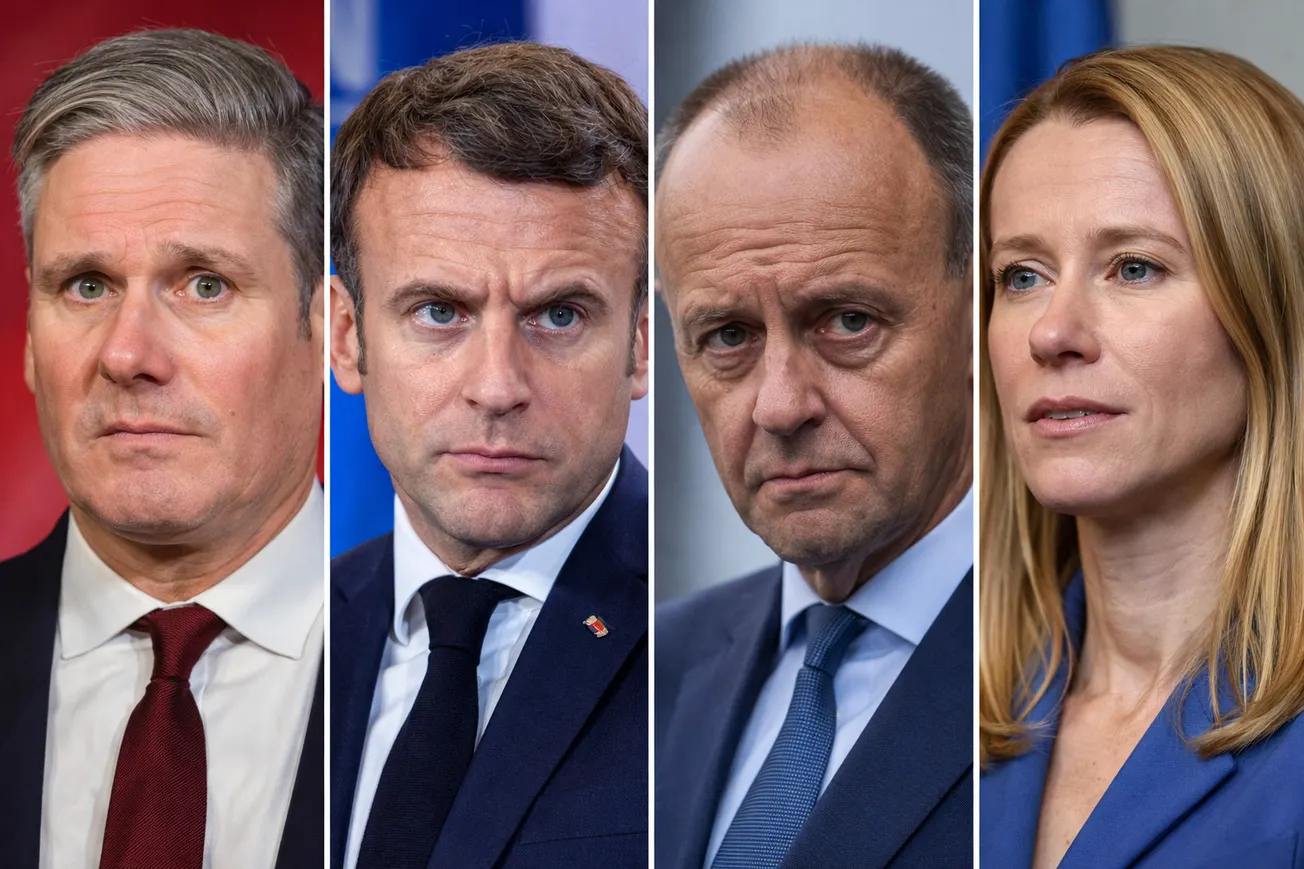
With friends like these, who needs adversaries?
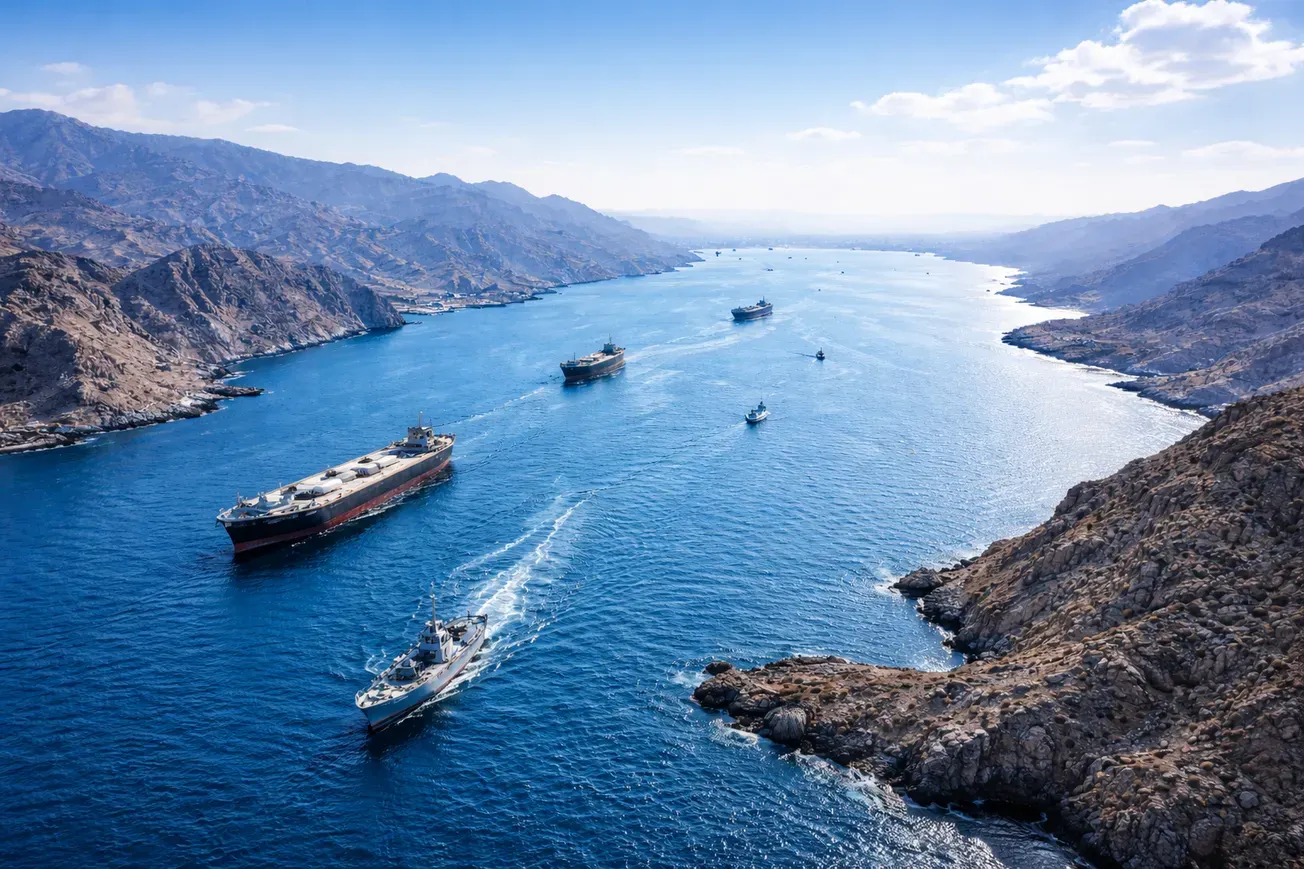
As the U.S.-Israeli war with Iran enters its third week, the Strait of Hormuz remains effectively closed. Tanker traffic has collapsed, falling by more than 90% in recent days. Hundreds of ships are idling outside the Strait. Oil exports from the Gulf have dropped sharply, and Brent crude has surged past $100 in some benchmarks.
The United States has asked its allies a simple question: Will you help keep one of the world’s vital shipping arteries open?
The answer, from much of the world, has been no, or at best, hesitation.
Germany has ruled out any military role. The United Kingdom remains cautious and noncommittal, discussing options like mine-hunting drones but committing to nothing. France floats “purely defensive” escort missions contingent on calmer circumstances. The European Union, through its foreign policy chief, Kaja Kallas, acknowledges the concern and has discussed strengthening existing naval missions, such as Aspides, or exploring limited coalitions. Ministers show no appetite to expand mandates into the Gulf or to join direct U.S. efforts. Fears of becoming targets, unclear endgames, and a preference for dialogue over action prevail. The language varies, but the message is consistent: this is not our war. Europe is drawing a kind of cordon sanitaire around the conflict, keeping its distance and simply waiting for it to end.
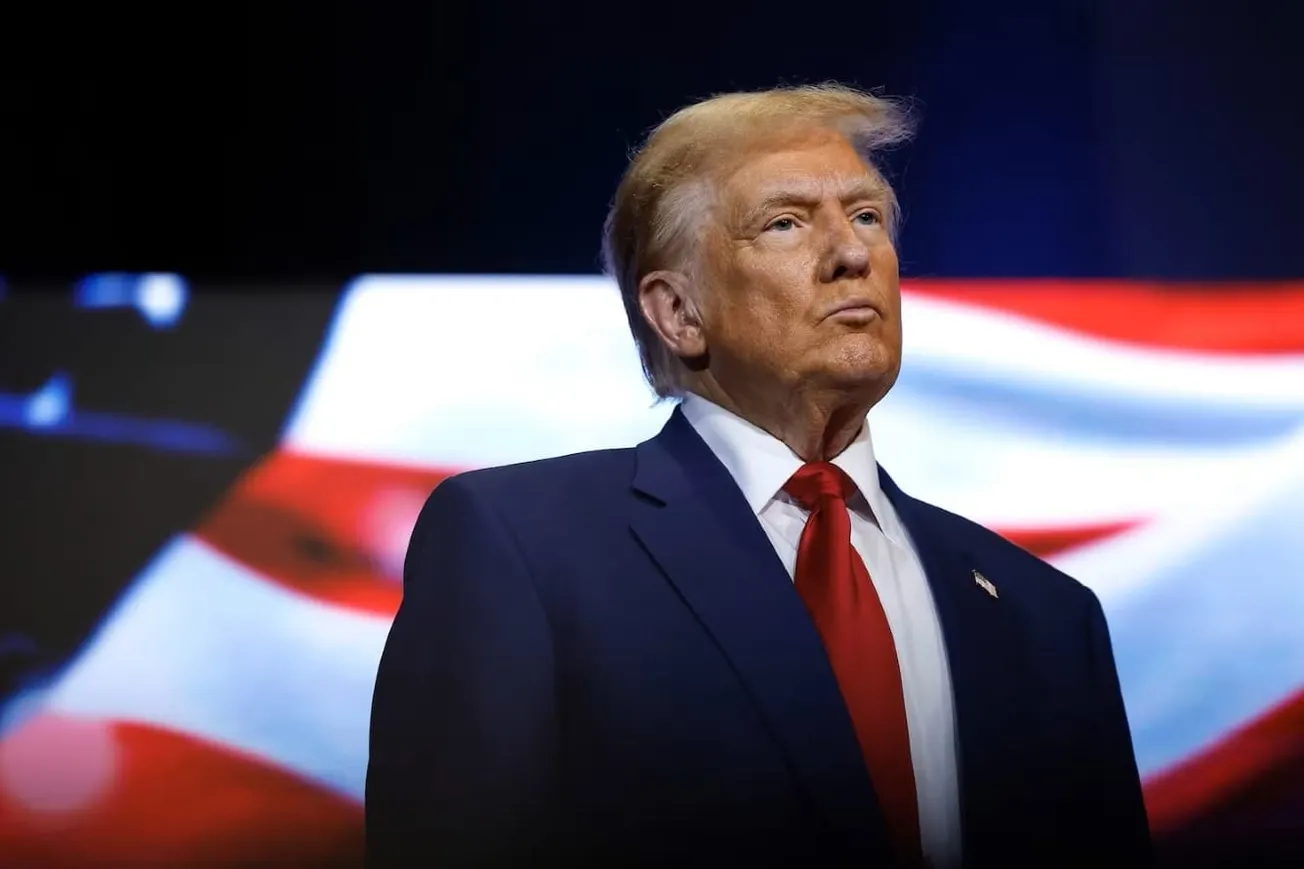
Japan, South Korea, Australia, and others have also declined to participate. President Trump has appealed to about seven countries heavily reliant on Middle East oil, explicitly naming China, France, Japan, South Korea, and the UK, framing it as a loyalty test. He has warned that NATO’s future could be affected if allies fail to step up, insisting the U.S. does not strictly need help militarily but wants to see who shares responsibility for a system they all benefit from.
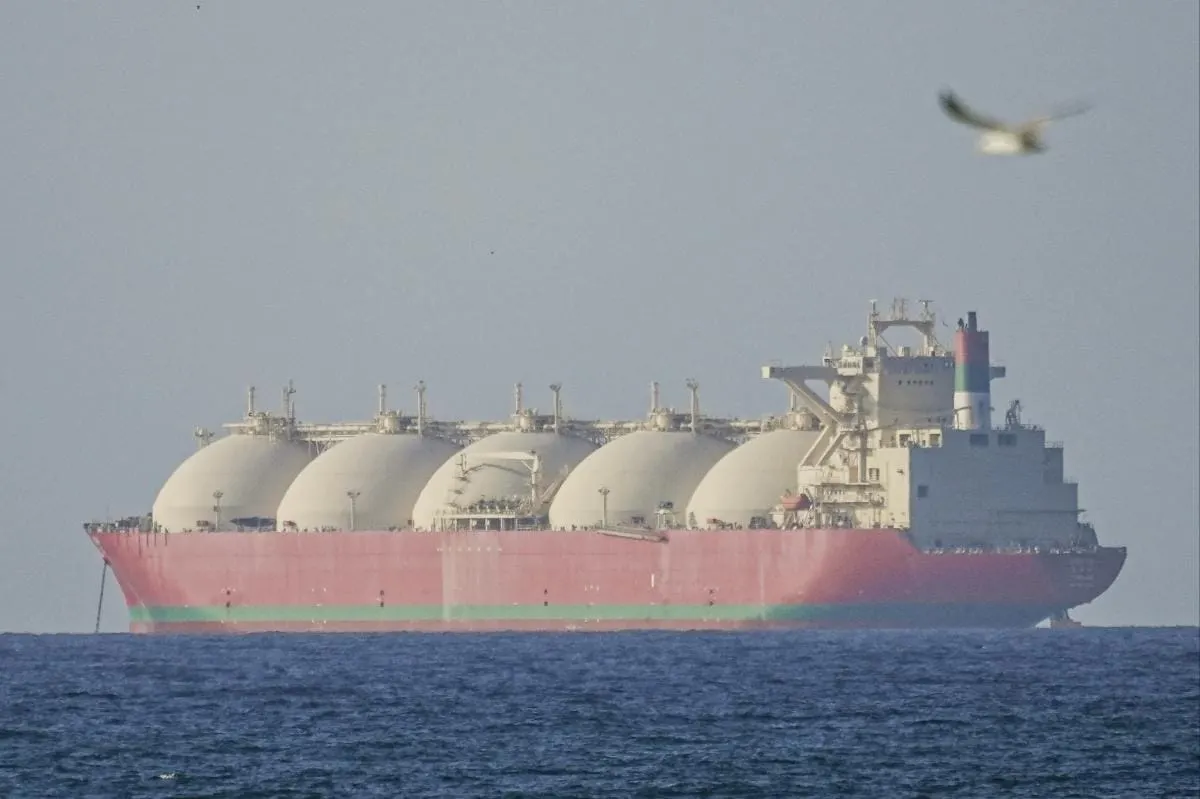
And the benefits are very much shared. Roughly a fifth of the world’s oil and significant LNG volumes pass through the Strait of Hormuz. European economies heavily depend on this shipping route. So do Asian ones. So does China, more than most.
This is the quiet contradiction at the heart of the current crisis. Everyone depends on the system. Few are willing to defend it. For decades, the United States has underwritten the security of global trade routes, at enormous financial and political cost, often while facing criticism from the very countries that benefit from that order. Now, when that order faces a direct threat, those same countries have stepped back.
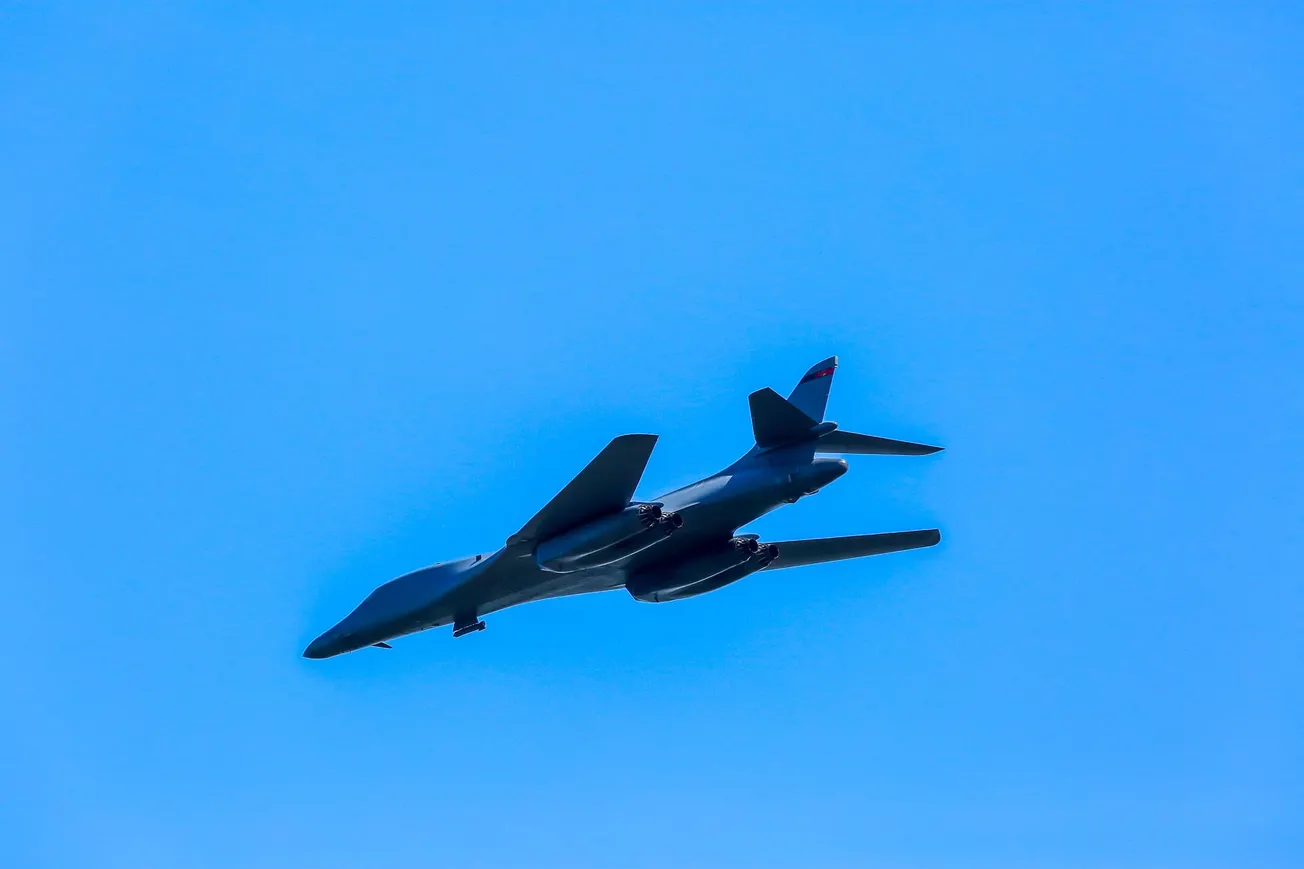
President Trump appears to understand the moment. His call for allied warships is not just about reopening a shipping lane. It is a test. If nations want the privileges of a stable global system, are they prepared to share the responsibility of maintaining it? For decades, that quid pro quo held, or at least appeared to. Today, it looks increasingly one-sided. Trump has even offered U.S. Navy escorts for tankers and carried out unilateral strikes to degrade threats, signaling that America may proceed alone if needed.
To be fair, European hesitation also reflects a deeper reality. Europe sees itself as a major power, but it operates through committees, consensus, and layered decision-making. That works in diplomacy. It does not work in moments that demand speed, clarity, and force. Operations of this kind are difficult even for the United States. For Europe, they are not just risky. They are beyond its current capacity.
Domestic politics also plays a role. European leaders operate in fragmented political environments, where coalition pressures, public opinion, and electoral realities limit their room for maneuver. Decisions of this kind carry political costs at home, and those costs are clearly influencing the choices being made.
So far, the world’s response has been revealing.
China’s position is instructive. Beijing depends heavily on Middle Eastern energy flows and has a direct stake in reopening the Hormuz Strait. Yet it has sent no ships, made no commitments, has neither responded to nor acted on Trump’s appeals, and has limited itself to calls for restraint, de-escalation, ceasefire, and dialogue. It continues to benefit from the system while avoiding the risks of defending it.
But China’s position is at least consistent. It has never claimed to be the guarantor of global order.
Europe, by contrast, speaks the language of partnership and shared values. It benefits from the United States' security architecture. But when the moment arrives that requires action rather than words, hesitation sets in, even as oil prices spike and global supply chains strain.
This pattern appeared during Russia’s invasion of Ukraine, where the United States took the lead in coordinating support and applying pressure, while Europe moved more slowly and cautiously. The pattern is being repeated in the Middle East.
The deeper issue is not about a single conflict or one shipping route. It is about the durability of alliances. Systems built on shared interests can endure strain. Systems built on unequal burdens eventually fracture.
Everyone wants the system to hold. No one wants to be the one holding it up.
The Strait of Hormuz will reopen, one way or another, likely through U.S.-led pressure or force. The more important question is what this episode has already revealed about who will actually defend the system when it is tested. In that answer, something else becomes clear. America’s allies are behaving more like China than they would like to admit.
📊 Market Mood — Wednesday, March 18, 2026
🟩 Stocks Rise Ahead of Key Fed Decision
U.S. futures moved higher as investors positioned for the Federal Reserve’s rate announcement.
🟧 Oil Eases but Stays Elevated Above $100
Crude prices slipped on supply relief hopes but remain high, keeping inflation concerns alive.
🟦 Fed in Spotlight as War Complicates Policy Path
Markets expect rates to hold steady, with focus on how the Fed assesses oil-driven inflation risks.
🟨 AI Momentum Continues with Micron Earnings Ahead
Investors look to Micron results for signals on sustained demand for AI-driven memory chips.
🗓️ Key Economic Events — Wednesday, March 18, 2026
🟧 08:30 ET — Producer Price Index (Feb)
Measures wholesale inflation, offering an early signal of pipeline price pressures.
🟧 10:30 ET — Crude Oil Inventories
Weekly stockpile data provides insight into supply trends affecting energy prices.
🟧 14:00 ET — Fed Interest Rate Decision & Projections
Rate decision, economic forecasts, and policy statement reveal the Fed’s outlook on growth and inflation.
🟧 14:30 ET — FOMC Press Conference
Fed Chair’s remarks provide guidance on future policy and market direction.
editor-tippinsights@technometrica.com