Events in August include the deadline set by President Trump to impose tariffs on imports from global trading partners; the deadline set by the U.S. and its allies for Iran to agree to a comprehensive nuclear deal; and the 80th anniversary of VJ Day. General elections will take place in Bolivia, India and the Philippines will conduct their first-ever bilateral naval exercise, the Venice International Film Festival will open, the Star of the Seas cruise will make its maiden voyage, and the Women’s Rugby World Cup will kick off in England.
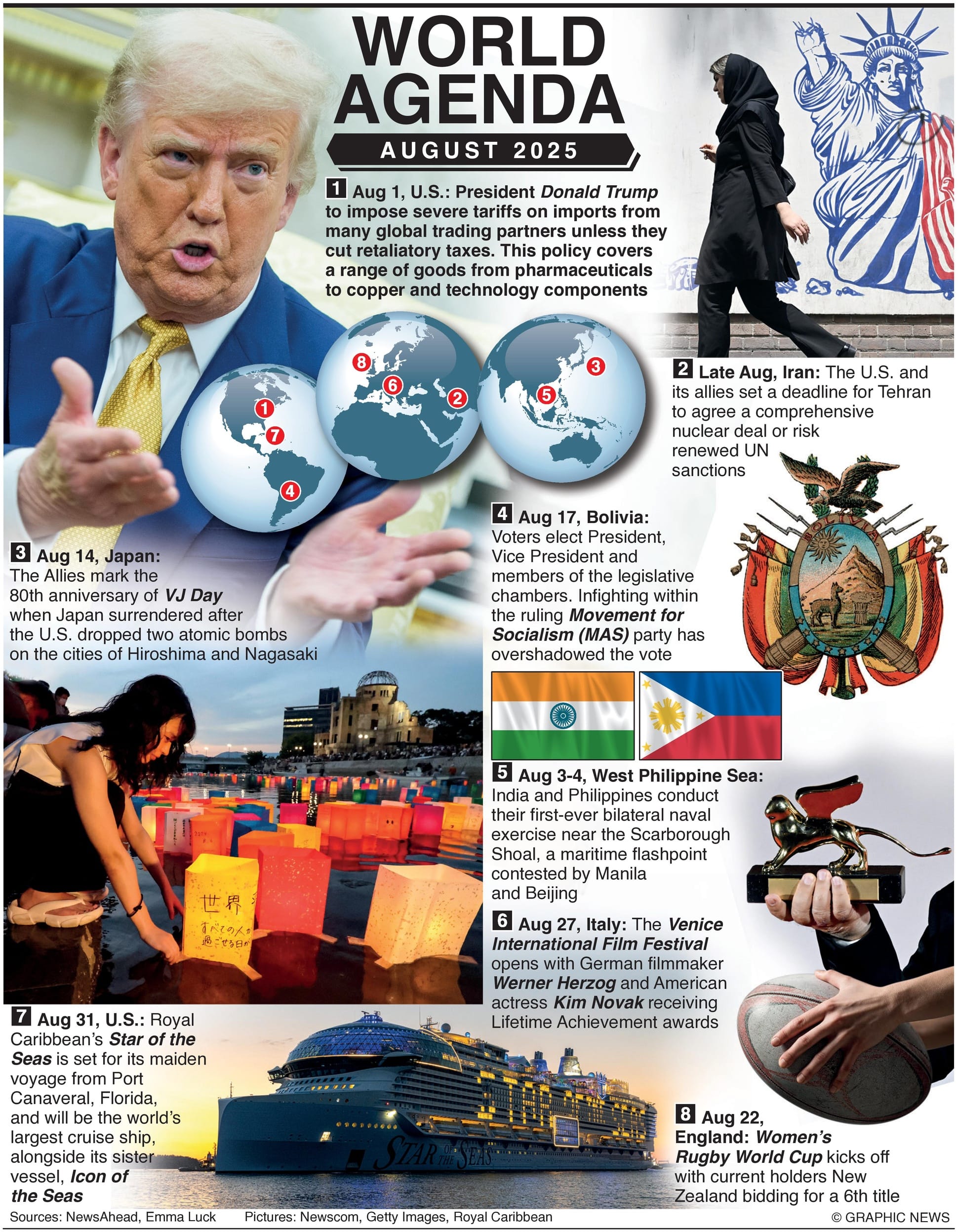
Aug 1, U.S.: President Donald Trump to impose severe tariffs on imports from many global trading partners unless they cut retaliatory taxes. This policy covers a range of goods from pharmaceuticals to copper and technology components.
Aug 3-4, West Philippine Sea: India and Philippines conduct their first-ever bilateral naval exercise near the Scarborough Shoal, a maritime flashpoint contested by Manila and Beijing.
Aug 14, Japan: The Allies mark the 80th anniversary of VJ Day when Japan surrendered after the U.S. dropped two atomic bombs on the cities of Hiroshima and Nagasaki.
Aug 17, Bolivia: Voters elect President, Vice President and members of the legislative chambers. Infighting within the ruling Movement for Socialism (MAS) party has overshadowed the vote.
Aug 22, England: Women’s Rugby World Cup kicks off with current holders New Zealand bidding for a 6th title.
Aug 27, Italy: The Venice International Film Festival opens with German filmmaker Werner Herzog and American actress Kim Novak receiving Lifetime Achievement awards.
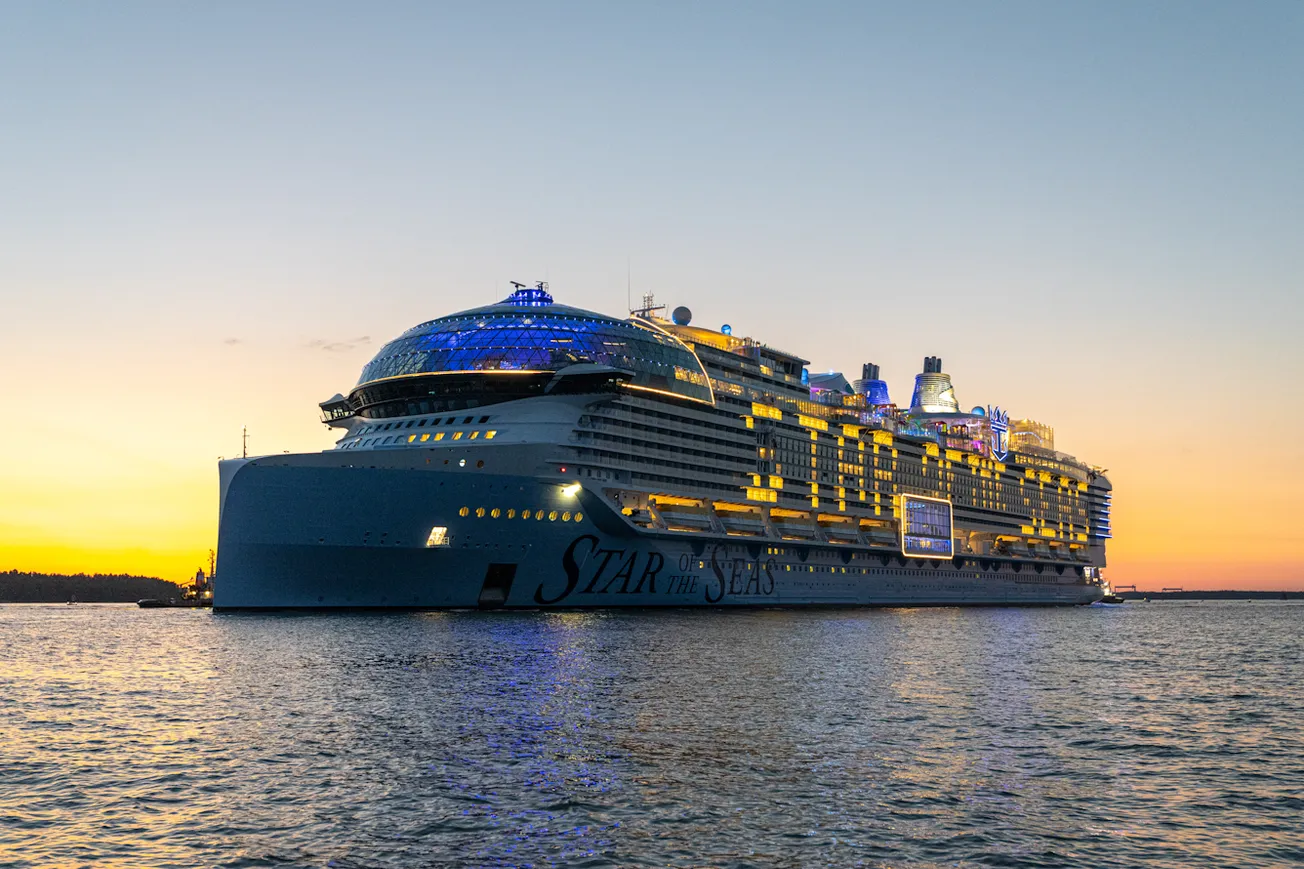
Aug 31, U.S.: Royal Caribbean’s Star of the Seas is set for its maiden voyage from Port Canaveral, Florida, and will be the world’s largest cruise ship, alongside its sister vessel, Icon of the Seas.
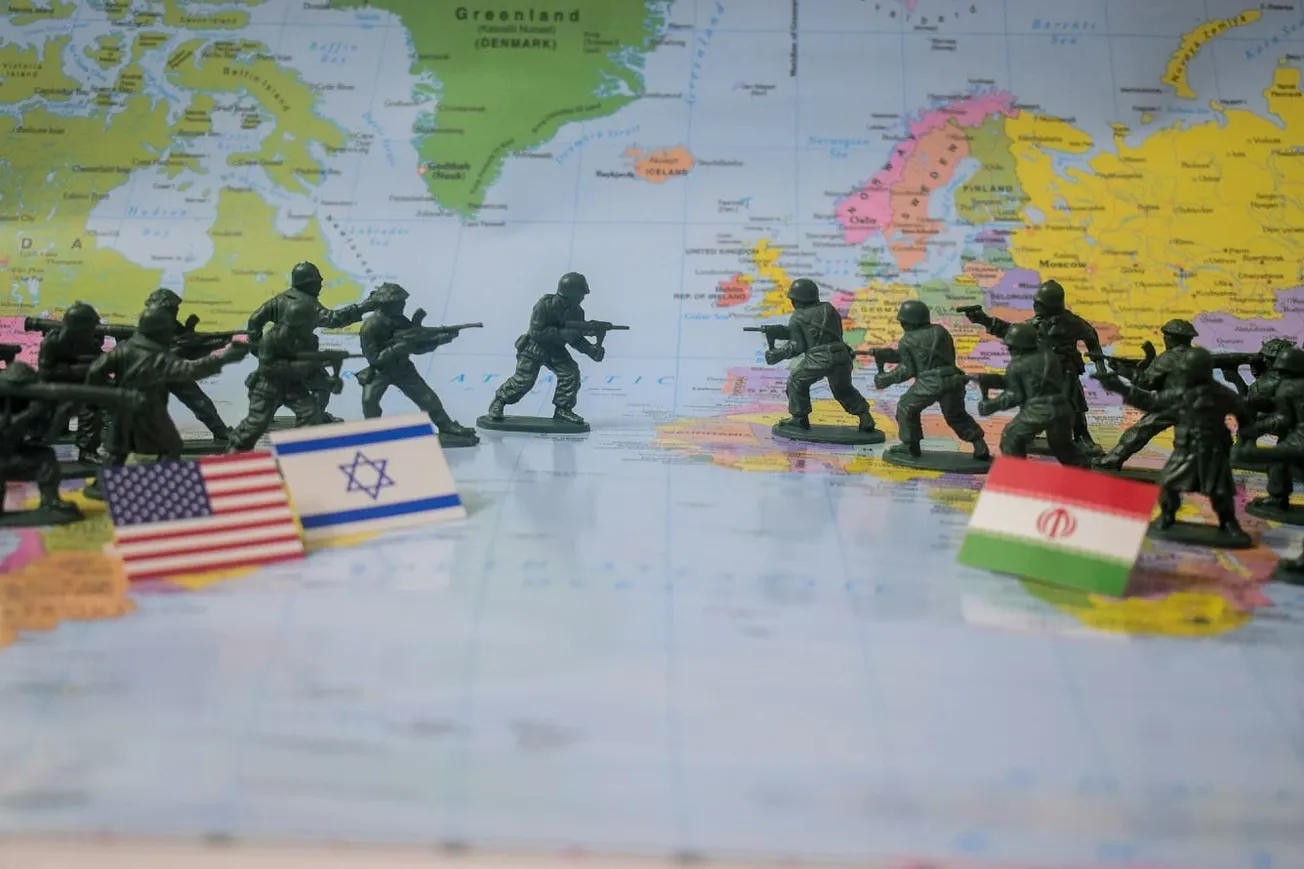
Late Aug, Iran: The U.S. and its allies set a deadline for Tehran to agree a comprehensive nuclear deal or risk renewed UN sanctions.
TIPP Takes
Geopolitics, Geoeconomics, And More
1. Zelensky Signs New Law Reversing Last Week's Protested Corruption Bill - UPI
After a week of protests, Ukrainian President Volodomyr Zelensky signed an anti-corruption bill reversing one he signed last week.
The Ukrainian parliament voted unanimously for the new bill after backlash from Ukrainian people and the European Union. Last week's law brought two anti-corruption watchdogs under the control of the country's prosecutor general, which is a politically appointed position.
2. Russia, Pacific Coastlines Appear To Avoid Major Damage After Massive Earthquake - RFE/RL
About 11 hours after the powerful 8.8-magnitude earthquake struck off the coast of Russia's Kamchatka Peninsula, authorities announced the end of the tsunami threat in Kamchatka and the Kuril Islands.
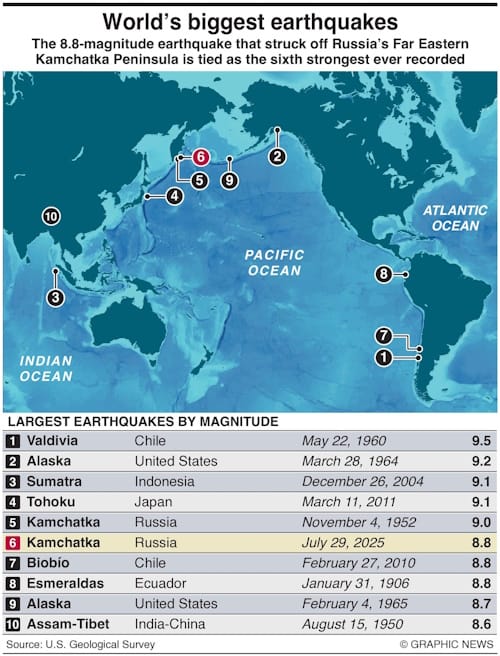
However, they warned of potential aftershocks that could renew the tsunami danger. The quake, which originated 119 kilometers east-southeast of Petropavlovsk-Kamchatsky at a shallow depth of 19.3 kilometers, is the strongest seismic event in the region since 1952, according to Russia’s Geophysical Service of the Academy of Sciences.
3. China Pauses U.S.-Bound Company Investment Amid Trade War - Nikkei Asia
China has stopped approving outbound investments for companies looking to set up or expand operations in the U.S., amid trade negotiations between the world's two largest economies, Nikkei Asia has learned.

Local Chinese governments and the state economic planner, the National Development and Reform Commission, have ceased such approvals since April, according to people familiar with the matter.
4. China Launches Probe Into Nvidia Over H20 'Risks' - Nikkei Asia
China's national cybersecurity watchdog has launched an unexpected investigation into Nvidia over alleged security risks related to the H20, the AI chip that the U.S. company designed specifically for the Chinese market.
The Cyberspace Administration of China held a meeting with Nvidia, the global market leader for AI computing chips, demanding the company explain about potential "loopholes and backdoor" vulnerabilities of the H20, the government agency said on its website.
5. Chinese Researchers Suggest Lasers And Sabotage To Counter Musk’s Starlink Satellites - A.P.
Stealth submarines fitted with space-shooting lasers, supply-chain sabotage and custom-built attack satellites armed with ion thrusters. Those are just some of the strategies Chinese scientists have been developing to counter what Beijing sees as a potent threat: Elon Musk’ s armada of Starlink communications satellites.
Chinese government and military scientists, concerned about Starlink’s potential use by adversaries in a military confrontation and for spying, have published dozens of papers in public journals that explore ways to hunt and destroy Musk’s satellites, an Associated Press review found.
6. CK Hutchison-Operated Panama Ports Could Be Taken Over By State Partnerships, President Says - Reuters
Public-private partnerships could take over two key ports near the Panama Canal if courts invalidate a contract with Hong Kong-based CK Hutchison's to operate them, Panama's President Jose Raul Mulino said.

CK Hutchison holds a 90% stake in the local Panama Ports Company, which had a 25-year concession to operate the Balboa and Cristobal ports, located at both ends of the canal, renewed in 2021. The contract has been at the center of a dispute since. President Donald Trump this year threatened to take over the waterway due to China's influence over Panama's maritime industry. CK Hutchison is trying to sell its stake in the Panamanian company as part of a massive global deal.
7. Canada Follows France And The UK To Recognize Palestinian State - TIPP Insights
Prime Minister Mark Carney has said Canada plans to recognize a Palestinian state in September, becoming the third G7 nation to make such an announcement in recent days.
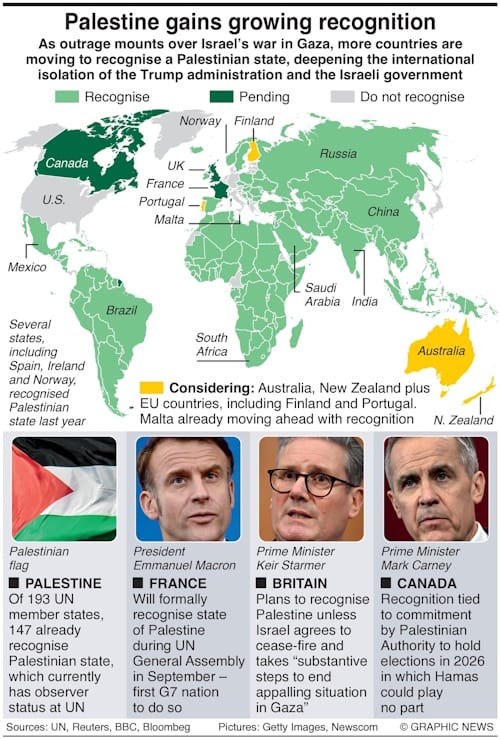
Of the 193 United Nations member states, 147 already recognize Palestine as a sovereign state. Palestine currently holds observer status at the UN, but momentum for full recognition is rapidly building.
8. Sweden Adds To Pressure On EU To Suspend Trade With Israel - UPI
Sweden joined other European countries in calling on the European Union to freeze its trade deal with Israel to force the country to allow humanitarian aid to Gaza.
Other countries – Ireland, Spain, Slovenia, the Netherlands and Luxembourg – have already spoken out on human rights violations in the region.
9. UK, U.S., France And 11 Other Nations Condemn Iranian Intelligence Threats - Reuters
Britain and 13 allies including the United States and France condemned what they called a surge in assassination, kidnapping and harassment plots by Iranian intelligence services targeting individuals in Europe and North America.
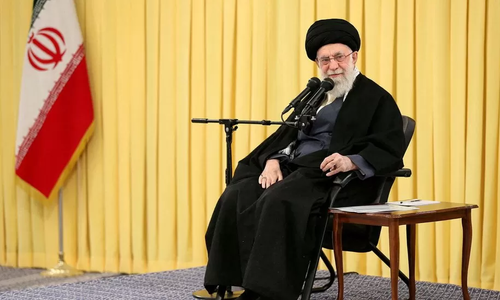
“We are united in our opposition to the attempts of Iranian intelligence services to kill, kidnap, and harass people in Europe and North America in clear violation of our sovereignty,” the countries said in a joint statement.
10. U.S. Sanctions Shipping Empire Controlled By Son Of Khamenei Adviser - RFE/RL
The United States imposed sanctions on a major shipping network controlled by the son of a top aide to Iran's supreme leader, Ayatollah Ali Khamenei, in what the Treasury Department said was its “largest Iran-related action” since 2018.
The Treasury said it was sanctioning more than 50 individuals and entities and “more than 50 vessels that are part of the vast shipping empire controlled by Mohammad Hossein Shamkhani, son of Ali Shamkhani, a top political adviser” to Khamenei.
11. U.S. Auto Tariffs On Japan May Not Be Cut Swiftly To 15%: Negotiator - Kyodo News
Japan may not see U.S. tariffs on cars lowered swiftly to 15 percent, despite the government calling on the U.S. administration of President Donald Trump to apply the new rate from Friday, the top tariff negotiator Ryosei Akazawa indicated.

Japan's government has been urging the United States to implement the agreement from Friday, Akazawa said, adding that a "reciprocal" tariff of 15 percent is expected to kick in on Friday.
12. U.S., India Launch Satellite To Track Earth's Surface - D.W.
The U.S. space administration NASA and the Indian Space Research Organisation (ISRO) together launched an Earth-mapping satellite Wednesday. The NASA-ISRO Synthetic Aperture Radar (NISAR) satellite is designed to track even the tiniest of changes in the Earth's surface.
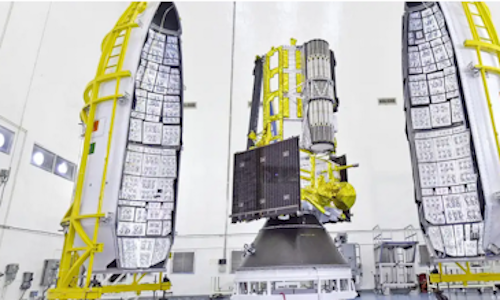
The goal of the $1.3 billion mission is to help understand what leads to both manmade and natural disasters, such as floods, landslides and volcanic eruptions. Now in orbit around Earth's poles, NISAR has got a busy 3 years ahead of itself. While 464 miles high, observing melting glaciers and polar ice sheets are among the satellite's research goals.
13. New Zealand Government Votes To Bring Back Fossil Fuel Exploration In Major Reversal - The Guardian
New Zealand’s ruling right-wing coalition government has voted to resume oil and gas exploration despite an outcry from the opposition and environmental groups who argue the reversal will lay waste to the country’s climate credentials.
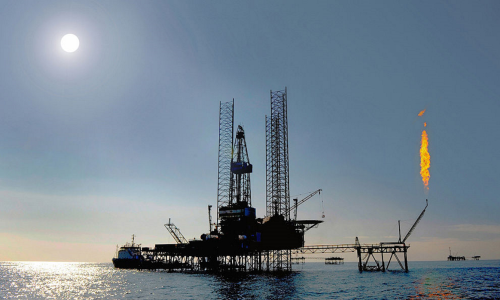
In 2018, the Jacinda Ardern-led Labour government banned the granting of new offshore oil and gas exploration permits as part of its plan to transition toward a carbon-neutral future. Environmental groups had hailed the ban as a milestone in the fight against climate change, and commended New Zealand for standing up to “one of the most powerful industries in the world”.
14. Microsoft Joins $4 Trillion Club On AI Surge - TIPP Insights
Microsoft reached a $4 trillion market valuation Thursday after a strong earnings report sent its stock up nearly 4.5%, making it the second company to hit that milestone after Nvidia.
Fueled by surging demand for artificial intelligence tools, Microsoft reported record capital spending and rapid growth in its Azure cloud and Microsoft 365 businesses. Analysts credited its partnership with OpenAI and the performance of its Copilot AI assistant for boosting enterprise sales.
15. Walking For Health? A Faster Pace Improves Benefits - HealthDay News
Want to cut your odds of an early death by almost 20%? Take just 15 minutes out of your day for a brisk walk, researchers advise.

While it's known that regular walking is healthy, the new study suggests maintaining a peppy pace is key. The U.S. government's Physical Activity Guidelines for Americans says: "To attain the most health benefits from physical activity, adults need at least 150 to 300 minutes of moderate-intensity aerobic activity, like brisk walking or fast dancing, each week."
16. Trump Set To Revive Presidential Fitness Test For U.S. Students - TIPP Insights
President Donald Trump is reviving the Presidential Fitness Test, a decades-old initiative to promote physical activity among American schoolchildren.

A White House official confirmed that Trump will sign an executive order Thursday reestablishing the fitness test and the President’s Council on Sports, Fitness, and Nutrition.