Skip to content

World Bank Warns Global Commodity Prices Could Surge 23% In 2026

Energy prices are projected to increase 32%, while global oil supply could fall 5.2%, marking the steepest decline in four decades outside the 2020 global recession.

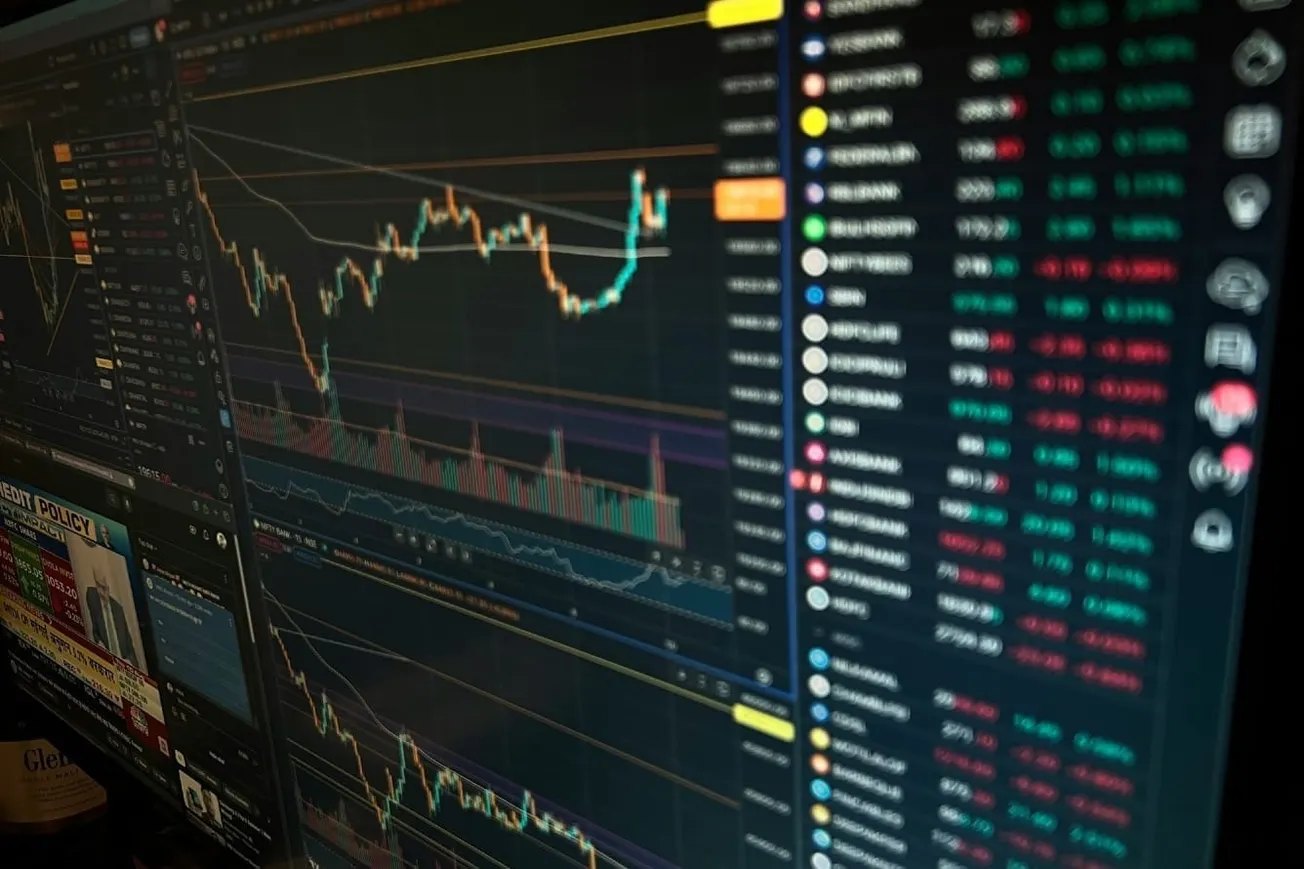
𝗪𝗼𝗿𝗹𝗱 𝗕𝗮𝗻𝗸 𝗳𝗼𝗿𝗲𝗰𝗮𝘀𝘁𝘀 23% 𝗿𝗶𝘀𝗲 𝗶𝗻 𝗰𝗼𝗺𝗺𝗼𝗱𝗶𝘁𝘆 𝗽𝗿𝗶𝗰𝗲𝘀. Pic via(@business)

The World Bank forecasts global commodity prices will rise 23% in 2026, driven by higher energy costs, conflict in the Middle East and disruptions to grain shipments across the Black Sea.

Energy prices are projected to increase 32%, while global oil supply could fall 5.2%, marking the steepest decline in four decades outside the 2020 global recession.

Metals prices are expected to rise 25%, fertilizer costs 14%, and food commodity prices could increase by nearly 18% cumulatively through 2027.

💡
The World Bank has provided $8.7 billion in emergency assistance to 25 countries and warned that commodity price shocks could push more than 40 million additional people into extreme poverty.

Further escalation of the Middle East conflict or adverse El Niño conditions could drive food prices 12% above current projections, intensifying concerns about global food security and economic stability.

Related Tweet:

Also Read:

Iran War Costs Hit $47 Billion As Trump Insists Tehran Must Not Go Nuclear
Trump is reportedly weighing whether to negotiate a deal with Iran or intensify military action.

Comments

Latest

For The FAA, Failure Pays

For The FAA, Failure Pays

The surge in traffic caused nearly the entire network to become unstable, threatening radar feeds and radio links between aircraft and controllers at seventeen of the twenty-two ATC control centers.

Members Public
Monopoly Power Comes From Governments, Not Markets

Monopoly Power Comes From Governments, Not Markets

Monopoly means simply “single seller” (the opposite situation, a single buyer, is called “monopsony”). That there is a single seller of something is about as significant as there being two, three, or 12 sellers.

Members Public