During the Wednesday briefing, Pete Hegseth said something so plain it almost passed unnoticed.
The War Department has done its part.
However, in that line sits the entire story.
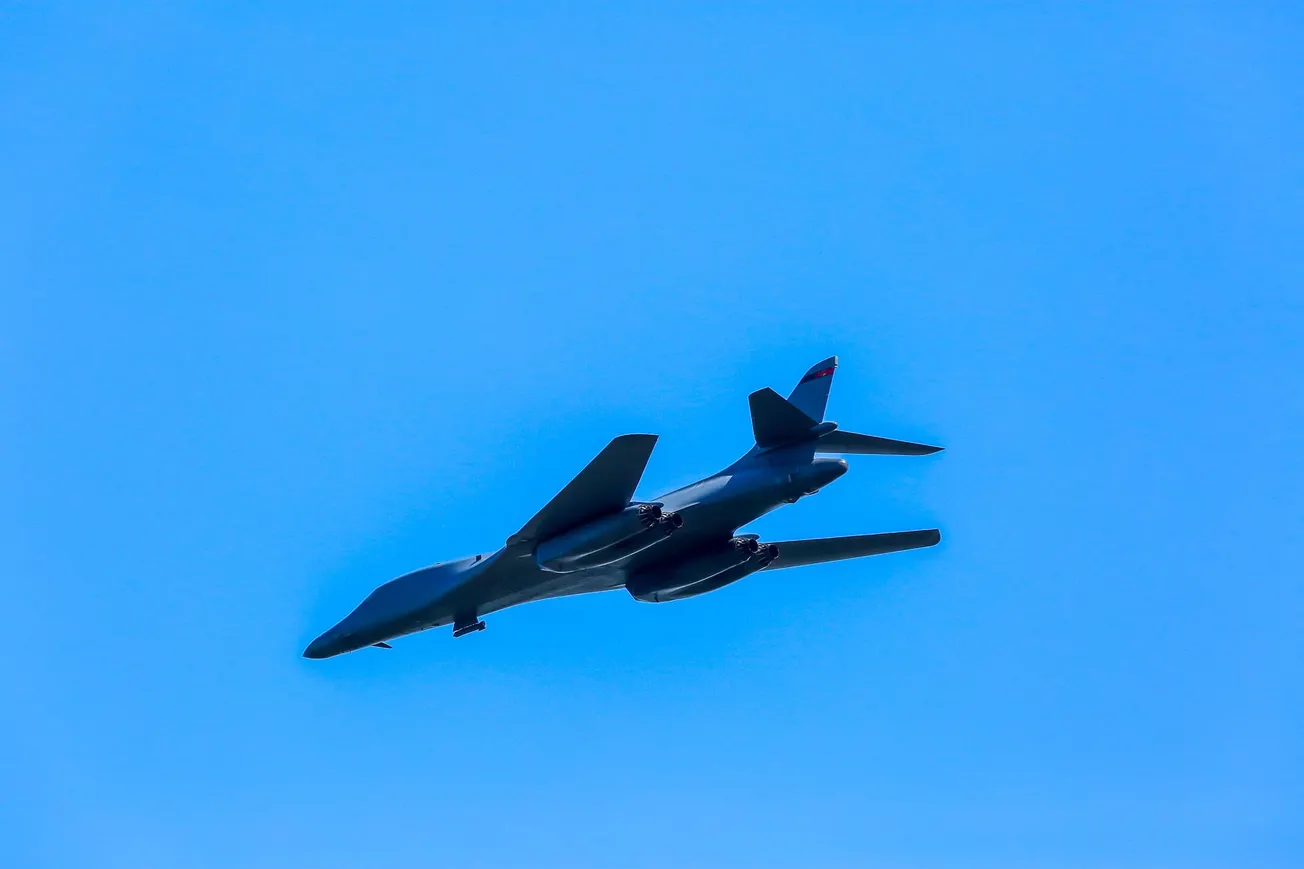
In less than forty days, the United States military dismantled a complex and heavily armed adversary. Their air defenses were shattered; missile networks gutted; the navy was swept aside, and command structures were broken. More than 13,000 targets were struck, not in a war of attrition, but in a campaign devised to end fast.
Thankfully, this was not another Iraq or Afghanistan. There was no mission creep, no ambiguity about victory. The objective was set, the force was applied less than ten percent of America’s total combat power), and the result was never in doubt.
The firepower was expected. But how it was used was not. Everything moved as one: air, sea, intelligence, cyber, space. Decisions that once took days were made in minutes. This is what happens when every branch of a military actually fights as one.
The military campaign against Iran was carried out without meaningful help from NATO allies. The United States did not wait for a consensus that rarely arrives in time. It acted. Israel, to be sure, was an active partner in the fight and contributed materially to the effort. But for all the talk of partnerships and shared burdens, when it matters most, American capability still moves first and carries the load.
But the scale of the operation is not what stays with you.
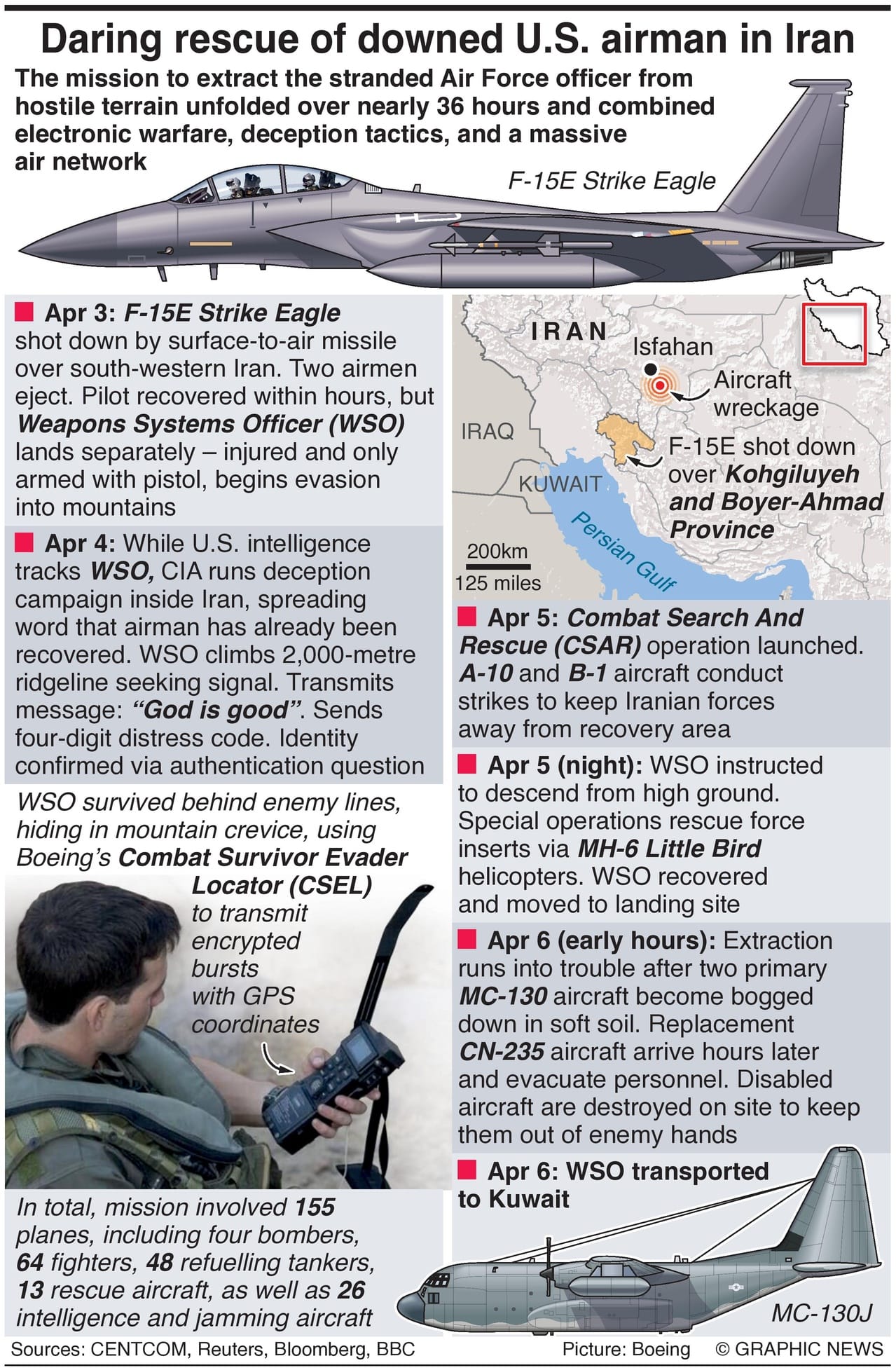
In the middle of the fight, American forces went back deep into hostile territory to rescue their own. It did not alter the war’s trajectory. It never made the headline slides. It was simply what had to be done.
“No one left behind” is not a slogan. It is a promise. And in the most dangerous conditions, the American forces honored it.
Thirteen American service members did not come home. Hundreds more were wounded. For a conflict of this magnitude, the numbers would be regarded as low. But for the families who now bear the quiet, permanent loss, it is everything.
When Hegseth said the Department of War did its job, he was not speaking loosely. The mission was clear. The objective was met. The force did exactly what it was trained to do.
Hegseth’s statement carried another message; one not spelled out but understood by everyone listening. The war, for all practical purposes, was over, unless Iran chooses to invite more of it. That is how wars end. Not with declarations, but with results no one can argue with. Veni, vidi, vici.
We spend a great deal of time in this country arguing about policy and strategy. But every so often, there should be a pause, a moment of simple, unreserved recognition.
The men and women in uniform who carry out these missions do so with a discipline and quiet courage that is easy to take for granted until it is tested under fire.
This was one of those moments.
The war will be studied for its speed and precision. But what should endure is simpler than any of that: When called upon, the American military did not hesitate. It did not fail.
It went where it had to go. It did what it had to do. It brought its own home.
God bless the men and women who serve this nation. And God bless America.
👉 Show & Tell 🔥 The Signals
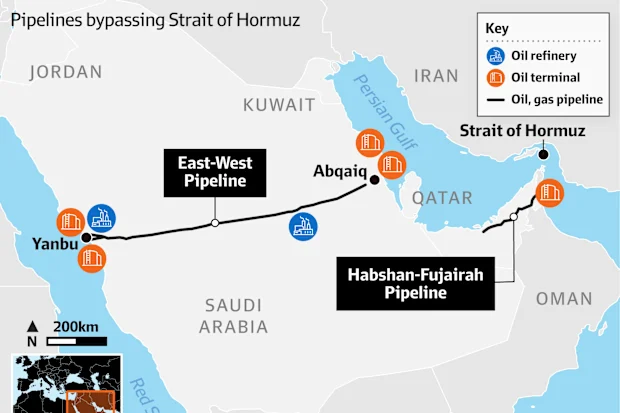
I. Bypass Routes Are Targets Too
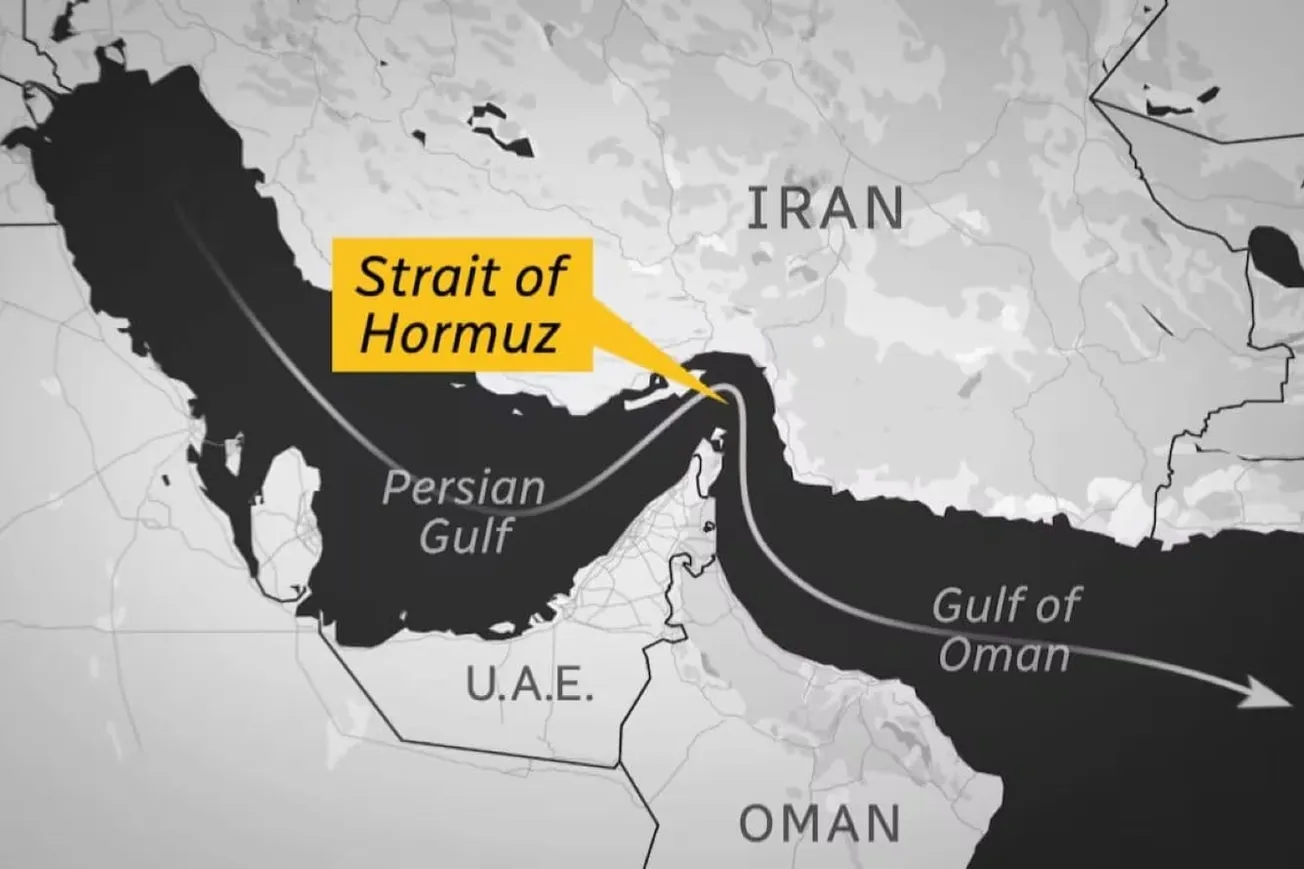
The ceasefire barely held before a strike hit Saudi Arabia’s East-West pipeline, a key route moving oil to the Red Sea. This is the very infrastructure meant to bypass Hormuz.
The message is simple. Even the alternatives are now in play. Markets are still pricing reopening flows. But structurally, risk has expanded, not shrunk.
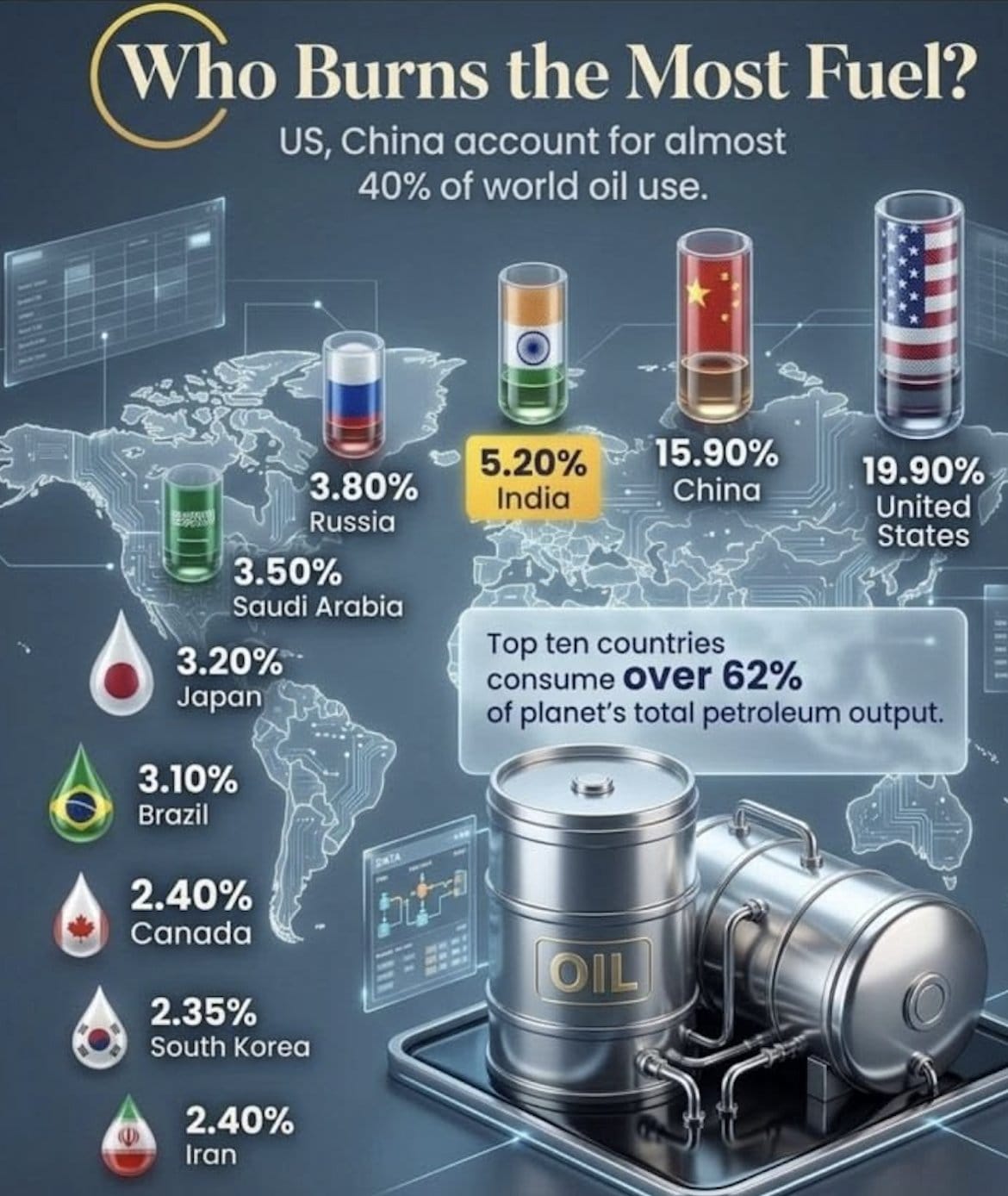
II. Two Countries, Forty Percent
The U.S. and China together consume roughly 40% of the world’s oil. The top 10 countries account for over 60%. Demand is not evenly spread. It is highly concentrated and geopolitically sensitive. When supply is disrupted, the reaction is driven by a handful of major buyers.
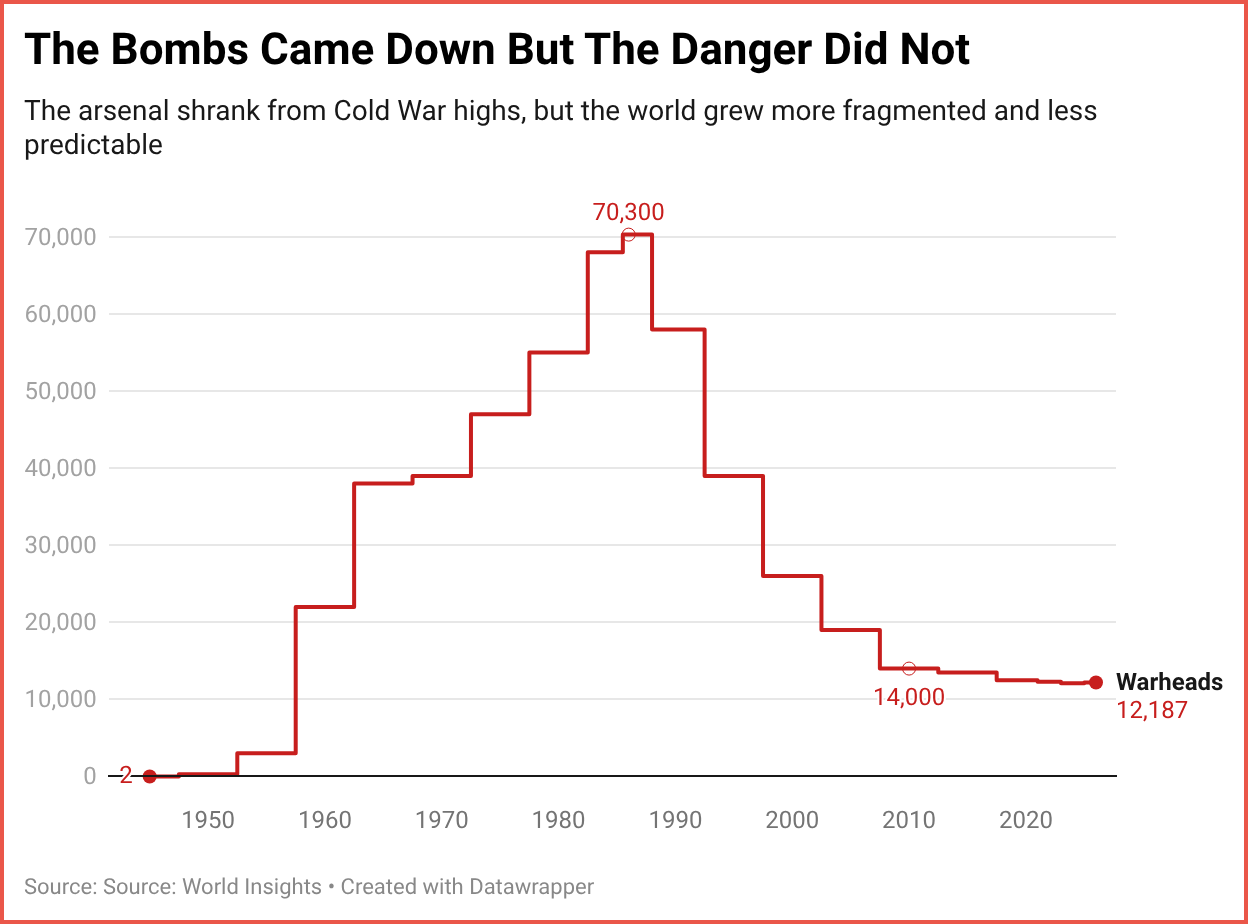
III. Fewer Nukes, Same Stakes
Global nuclear warheads have fallen sharply from Cold War peaks of ~70,000 to about 12,000 today. But lower numbers have not reduced risk. The weapons are more precise, and the geopolitical environment is less stable. The world is less armed than before, but not necessarily safer.
📊 Market Mood — Thursday, April 9, 2026
🟩 Markets Pause as Ceasefire Uncertainty Returns
European stocks were mixed as doubts grew over the durability of the U.S.-Iran truce.
🟧 Oil Rebounds as Supply Risks Persist
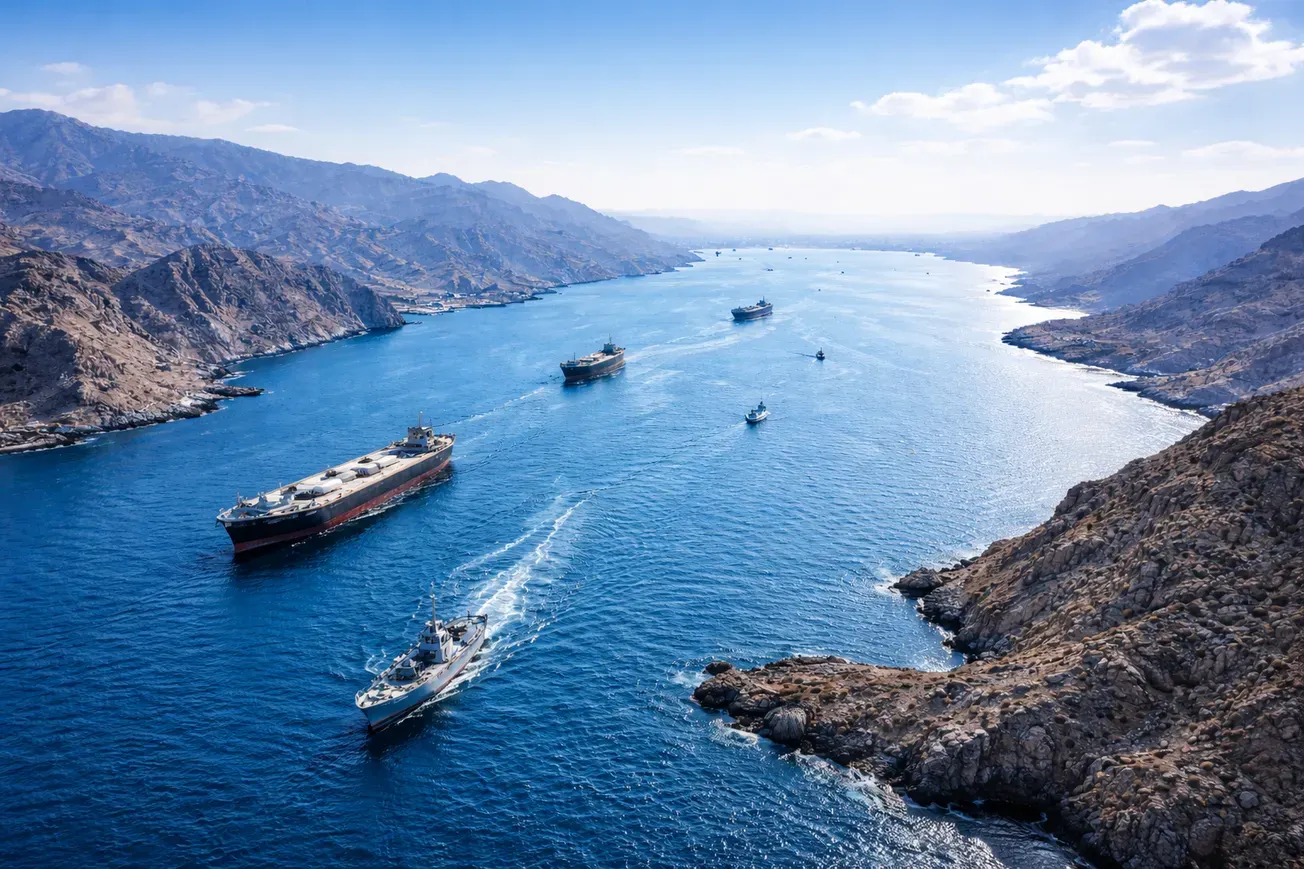
Crude prices climbed again with Hormuz flows still restricted and geopolitical tensions unresolved.
🟦 Inflation Concerns Resurface with Energy Uptick
Rising oil prices renewed fears that inflation pressures could linger longer than expected.
🟨 Gold Slips as Dollar and Yields Firm
Bullion eased as a stronger dollar and higher yields capped safe-haven demand.
🗓️ Key Economic Events — Thursday, April 9, 2026
🟧 08:30 ET — Core PCE Inflation (MoM & YoY, Feb)
The Fed’s preferred inflation gauge, closely watched for underlying price trends.
🟧 08:30 ET — GDP (Q4 Final)
Final estimate of fourth-quarter economic growth, confirming the strength of the economy.
🟧 08:30 ET — Initial Jobless Claims
Weekly snapshot of labor market conditions and layoffs.
🟧 13:00 ET — 30-Year Treasury Bond Auction
Signals investor expectations for long-term inflation and interest rates.
editor-tippinsights@technometrica.com