By Issues & Insights Editorial Board | July 17, 2026
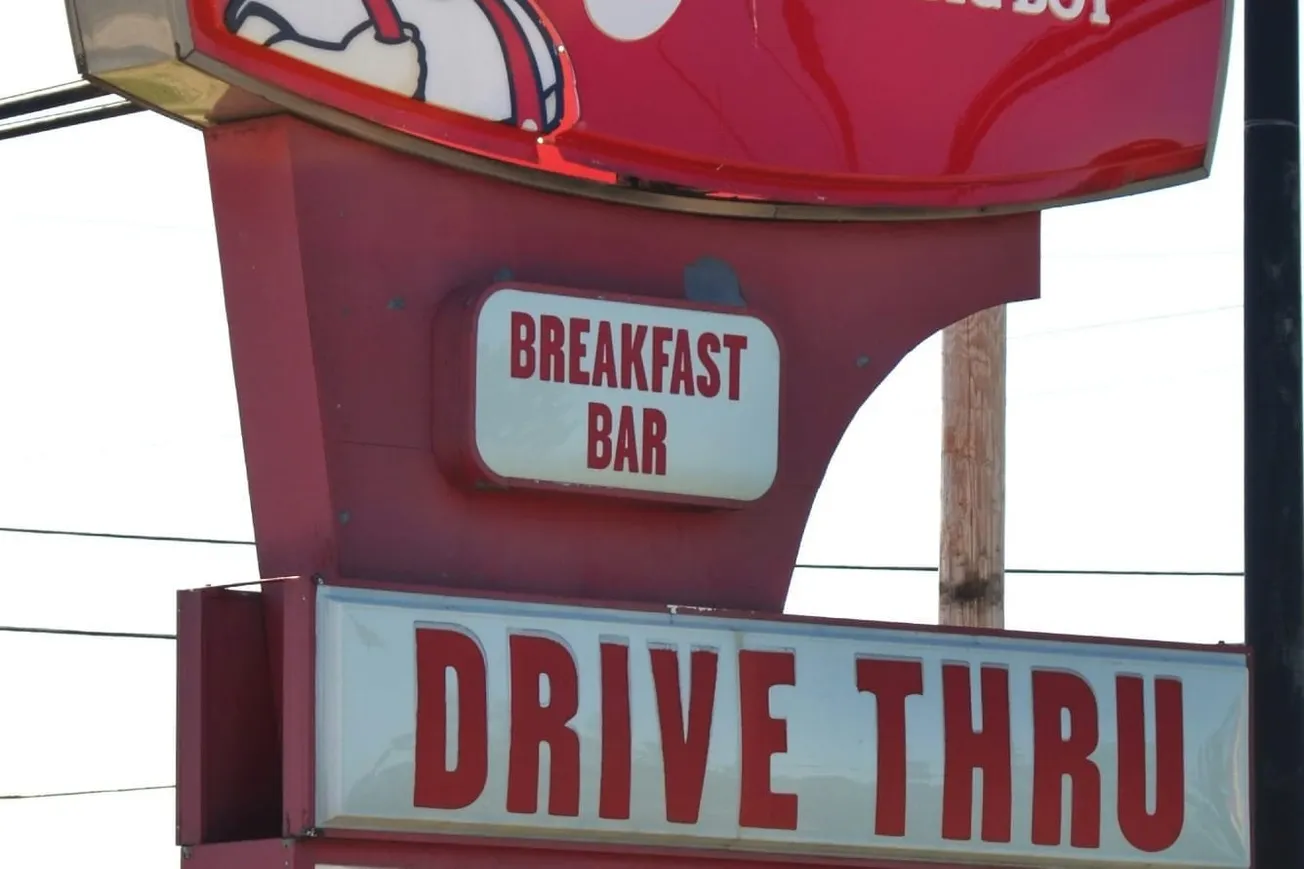
The fast-food drive-thru was not born in California. But the idea was perfected by California cultural icon In-N-Out, which is fitting because the double-double chain has become the main villain in Culver City’s effort to ban drive-thrus.
Red’s Giant Hamburg on Route 66 in Springfield, Mo., was likely the first drive-thru restaurant in the country, says the American Automobile Association, serving customers as early as 1947. But In-N-Out created a year later “the drive-thru as we know it today, complete with an intercom ordering system,” at its Baldwin Park restaurant, which had “only enough room for the cooks.”
By the 1970s, “drive-thru eating became mainstream.” But Culver City, located west of downtown Los Angeles, is now considering a ban on all new drive-thru restaurants.
The campaign isn’t entirely led by elected officials. Local residents have brought out the torches and pitchforks. Their grousing revolves around the usual complaints: air quality and safety issues for pedestrians. One local says it’s all a “terrible idea” and has had others join his “little ragtag group of neighbors, all different ages, all different backgrounds.”
It’s not as if In-N-Out plans to build a Costco-size restaurant at the location (the intersection of Sepulveda and Sawtelle boulevards, where a Jack In The Box drive-thru has been serving customers for decades). Plans call for an average-looking In-N-Out with drive-thru space for 26 cars and spots for 61 parked cars.
Nevertheless, city bureaucrats “are drafting an ordinance banning new drive-thrus,” reports LAist. “The ordinance will first appear in front of the city’s planning commission for guidance and recommendation before heading to the city council for a vote. Those dates have not yet been set.”
Should the proposed ban become law, it will come at the expense of those who seem to have less political pull, such as families with small children that need a quick meal, or the elderly and those with disabilities who are unable to dine in without enduring a substantial headache. For those who prefer contactless transactions, drive-thrus are ideal. The National Restaurant Association says “most urban consumers say takeout or drive-thru is essential.”
Banning drive-thrus would be like banning fast food altogether. The American Planning Association says roughly 70% of all U.S. fast-food sales “take place at drive-through windows.” Of course, some customers who would otherwise use banned drive-thrus will instead dine in or order their meal and take it with them. But it’s obvious that denying the drive-thru option will hurt business. Combine that with the state’s $20 minimum wage for fast-food jobs and, well, you can see where this is going.
California has been at war with its own past for decades, and automobiles are one of its chief enemies. No other state identifies with cars like the Golden State. Yet policymakers want to force Californians out of their automobiles and into public transit and onto bicycles by turning driving and even owning a car into an exhausting hassle. The cost in terms of resources and personal liberty doesn’t matter to the ideologues, nor, apparently, to locals who believe the public streets belong to them. But someday the government will come for their cars, and they might then understand their complicity in the suppression of freedom.
Issues & Insights was founded by seasoned journalists of the IBD Editorials page. Our mission is to provide timely, fact-based reporting and deeply informed analysis on the news of the day – without fear or favor.
Original article link