
Cuba’s economic collapse is accelerating under a mix of internal dysfunction and external pressure. As the Trump administration tightens energy flows and global attention shifts beyond Iran, Cuba is emerging as a key test case for U.S. strategy in the Western Hemisphere.
- Energy squeeze: Oil shortages push Cuba toward shutdown
- Model failure: Weak system, not just sanctions, drives collapse
- Next focus: Trump likely turns to Cuba after Iran
By Pavel Vidal, Project Syndicate | April 1, 2026
In the space of just a few weeks, Cuba’s external energy supply and main sources of foreign earnings have been cut off. With economic conditions rapidly deteriorating and many industries grinding to a halt, social unrest is mounting, posing a potential threat to the island’s governability.
CALI – The Cuban economy is facing a crisis more acute than the one it experienced in the early 1990s after the collapse of the Soviet Union. In the space of just a few weeks, its external energy supply and main sources of foreign earnings have been cut off.
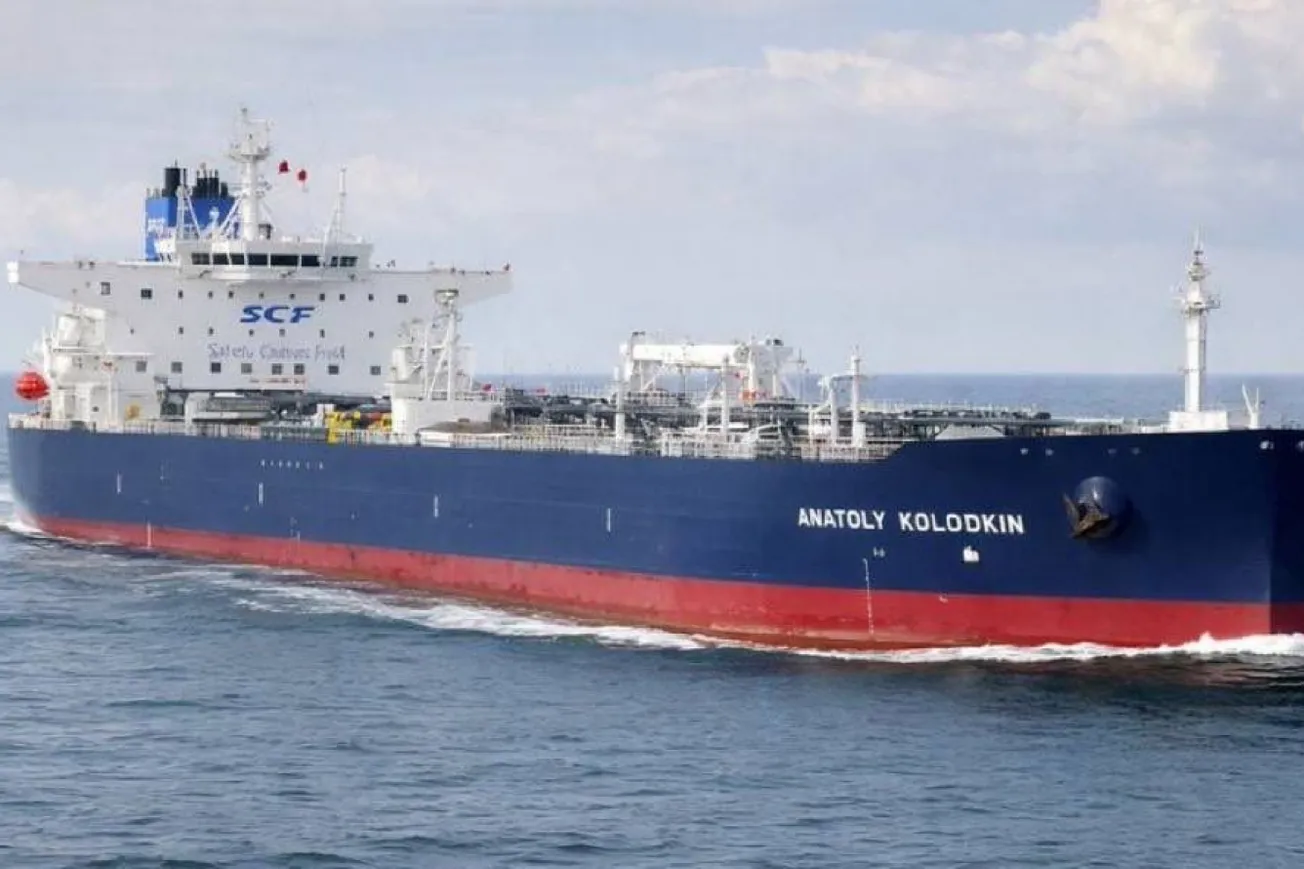
The Trump administration’s capture of Venezuelan President Nicolás Maduro in January deprived Cuba of the cash and energy infusions that had sustained its economy for the past 20 years. Cuba’s economic model had been a barter system: it exported medical, military, and intelligence services in exchange for oil. Yet now the blow delivered by the loss of Venezuela’s support has been compounded by a US blockade on oil shipments from other suppliers such as Mexico and Russia.
The impact has been devastating. The Cuban economy is beginning to grind to a halt. The movement of goods and people has been reduced to a minimum, and supply chains and industries across the economy are no longer operating regularly. Not only are tourism-service exports (the country’s biggest source of income) in free fall, but the fuel crisis has also forced the Canadian company Sherritt to suspend part of its operations, disrupting nickel exports.
These developments are hitting an economy that was already extremely fragile. Conditions have been deteriorating since the mid-2010s, when a decline in oil prices hit Cuba indirectly through its connection to Venezuela. Between 2016 and 2019, Cuban exports fell by 22%, and the trade balance was reduced to one-third of its previous level. With agriculture and manufacturing already posting negative growth rates, the country began to default on its external debt in 2019.
Despite these trends, the Cuban government resisted undertaking meaningful structural reforms, beyond a modest loosening of restrictions for small private businesses. Then came other shocks that worsened the situation. After some easing of sanctions during US President Barack Obama’s presidency, the first Trump administration tightened the noose again, and the COVID-19 pandemic crushed the tourism industry.
In 2021, the Cuban government tried to implement a monetary reform but managed only to cause severe macroeconomic imbalances. The fiscal deficit soared from an average of 3.1% of GDP between 2010 and 2015 to 7.7% between 2016 and 2019. It hit 17.7% of GDP in 2020, before falling back to 11.5% in 2023. Since these deficits were financed largely by monetary issuances (“printing money”), the economy entered a spiral of triple-digit inflation, a sharply depreciating currency, and growing dollarization in the informal sector.
As if these command-economy inefficiencies and dysfunctions were not bad enough, a business conglomerate under the military’s command, the Grupo de Administración Empresarial S.A. (GAESA), continues to control close to 40% of the country’s GDP. It monopolizes the most profitable industries, exercises control over international reserves, and operates with no transparency or accountability to civilian institutions. Indeed, it was designed to evade sanctions while also granting extraordinary financial power to the military elite through various rent-seeking mechanisms.
One of GAESA’s most visible negative effects has been its capture of a disproportionate share of national investment for hotel construction, which has come at the expense of agriculture, basic infrastructure, and the power system. With these critical sectors systematically decapitalized, Cuba now faces blackouts lasting more than 20 hours and growing dependence on imported food.
The cost of this crisis has fallen largely on pensioners, state employees, and households that depend on fixed incomes in pesos. Much of the adjustment has taken place through an inflation tax that has worsened poverty and inequality, with particularly severe effects on Cuba’s growing share of elderly people. The problem has been compounded by massive emigration, especially of younger people, whose exodus has shrunk the labor force, fragmented families, and further weakened the country’s productive foundations.
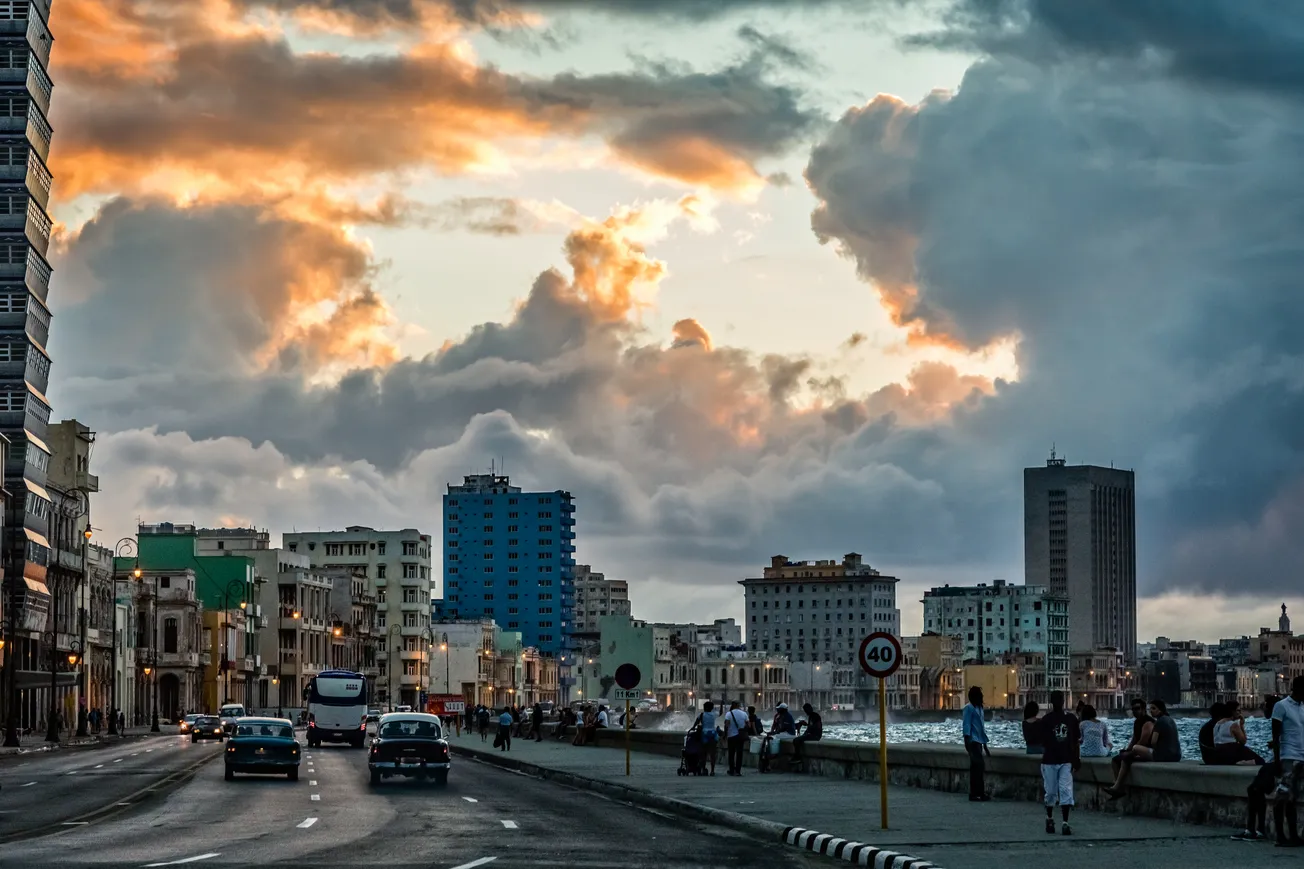
Today, Cuba is edging toward a humanitarian crisis. The energy shortage is affecting transportation, access to drinking water, garbage collection, and the production, distribution, and preservation of food. The health-care system has already effectively collapsed. Doctors and patients cannot reach medical facilities; medicines are unavailable; and there are not enough medical supplies or even basic hygiene products for hospital wards. Thousands of surgeries have had to be canceled, and cancer patients and those suffering from chronic illnesses are unable to receive the treatment they need.
Cubans are increasingly signaling their desperation and frustration with the growing hardships. The widespread public discontent expressed in growing protests could be a game changer for Cuba’s political system, which does not tolerate dissent. In the past, the regime has responded with police repression and the imprisonment of protest leaders and participants. If the crisis continues to worsen, social unrest could become an additional source of instability and a growing risk to Cuba’s governability.
Although there has been humanitarian assistance and growing international concern about the dire conditions prevailing on the island, no country appears to be willing to bear the geopolitical and financial cost of rescuing the Cuban economy. Complicating matters further, any attempt to mitigate the crisis will require negotiations with the Trump administration.
While there have been reports of talks between Cuban and US officials, it remains unclear what is being negotiated or how close or far apart the two sides are. The Trump administration appears to be seeking greater economic freedom in Cuba, as well as a political leadership change. The question now is how Cuba’s elites, facing an unprecedented combination of external and internal pressure, will respond.
Pavel Vidal, a former economist at the Central Bank of Cuba and the Center for the Study of the Cuban Economy at the University of Havana, is Professor of Economics at Pontificia Universidad Javeriana.
Copyright Project Syndicate
1. U.S. Considers Leaving NATO Alliance
2. Trump Says Iran Seeks Ceasefire Deal
3. Iran Denies Trump’s Ceasefire Claim
4. Why Does Rubio Think The Iran War Is Nearing End
5. Iran Warns Of Attacks On Major Technology Companies
6. What Role Could China Play In U.S.-Iran Peace Efforts
7. Russian Military Plane Crash Kills 29 In Crimea
8. U.S. Commandos Join Ecuador Drug Raid
9. FBI Probes Deadly Cuba Boat Shootout
10. IEA Warns Oil Crisis Will Deepen In April
11. Private Hiring Tops Expectations In March: ADP Data
12. U.S. Retail Sales Rebound Strongly In February
13. Oracle Cuts Thousands Of Jobs Amid AI Spending Push
14. Trump Challenges Birthright Citizenship Rule
15. Trump Slams Birthright Citizenship In Court Case
16. Supreme Court Questions Trump Citizenship Order
17. Apple Celebrates 50 Years Of Technological Innovation—TIPP Infographic
editor-tippinsights@technometrica.com