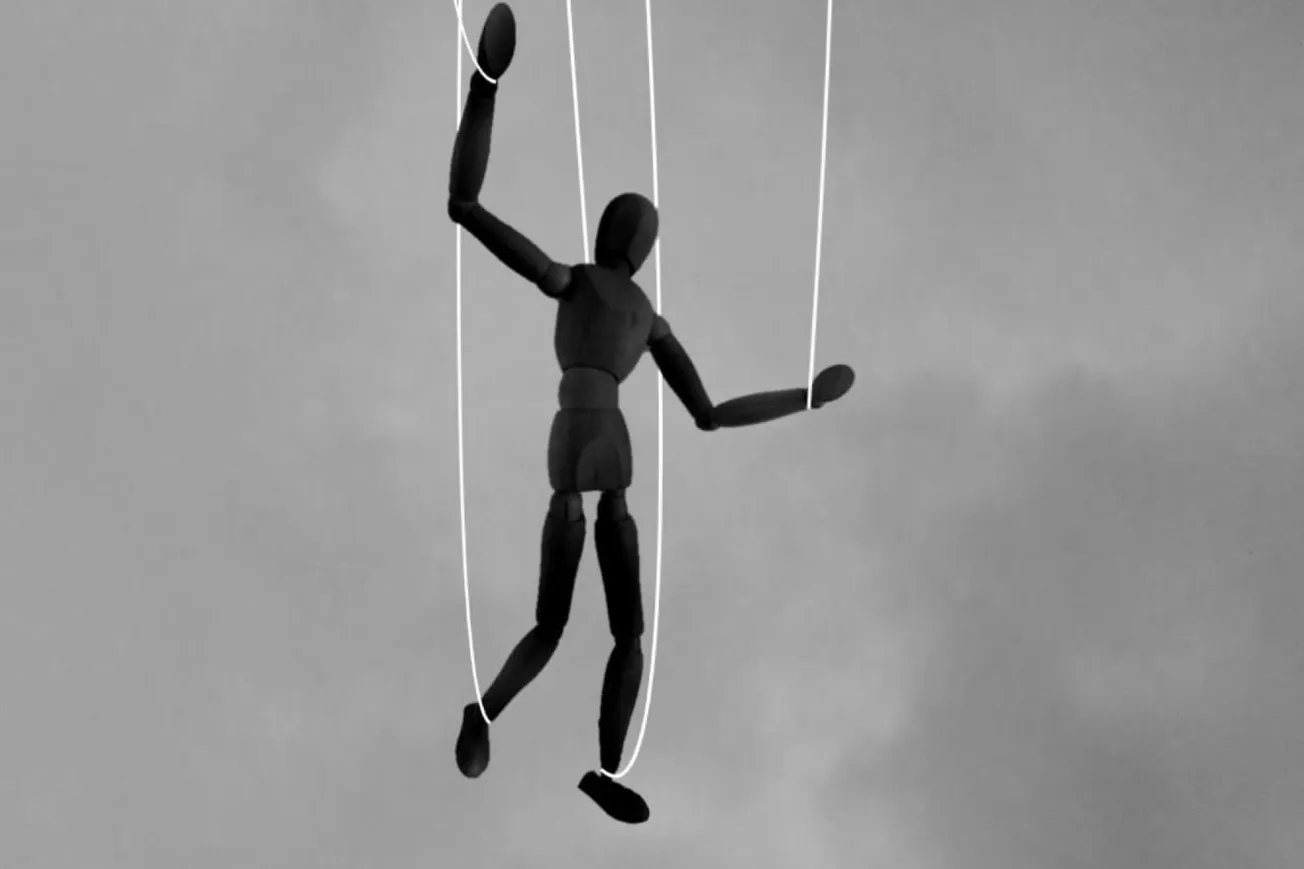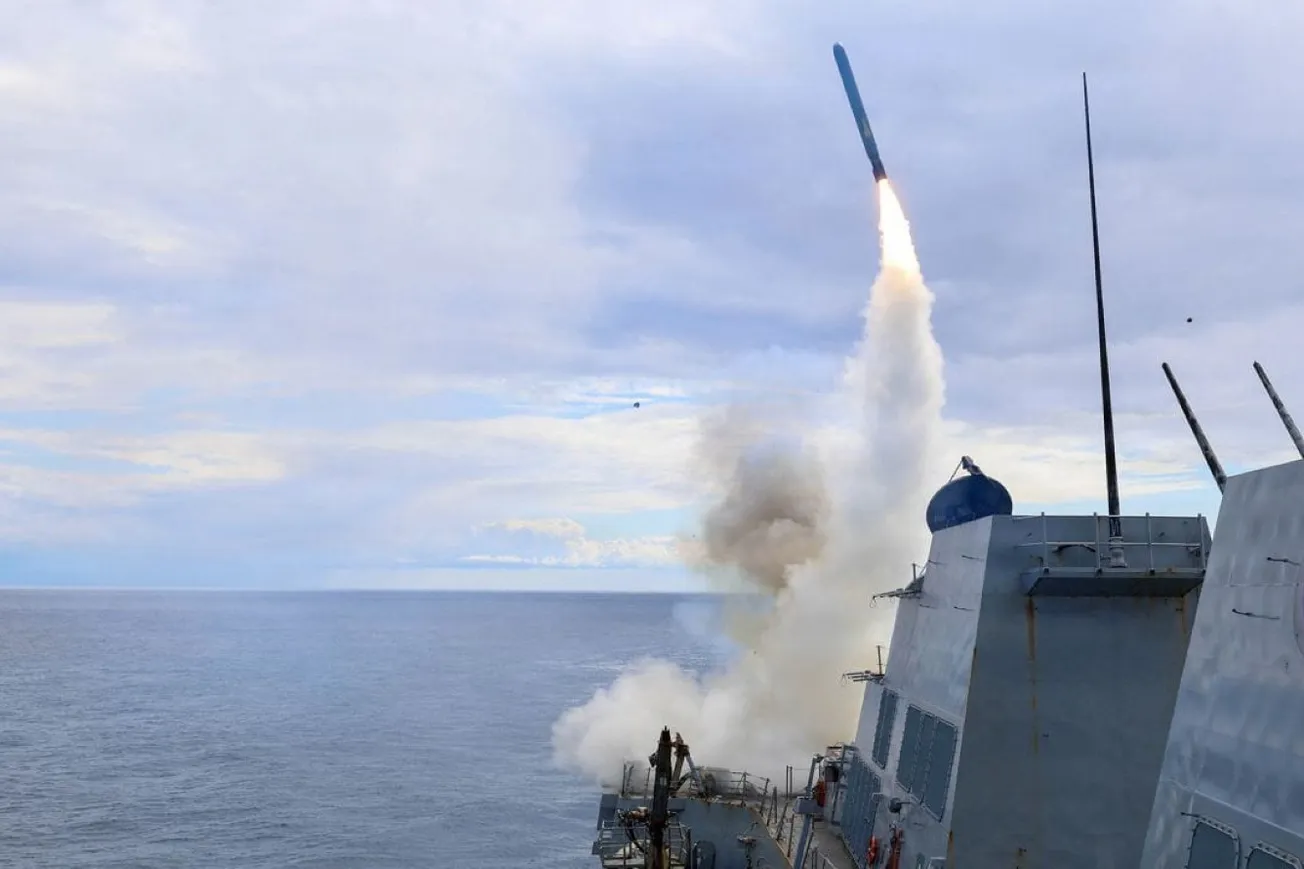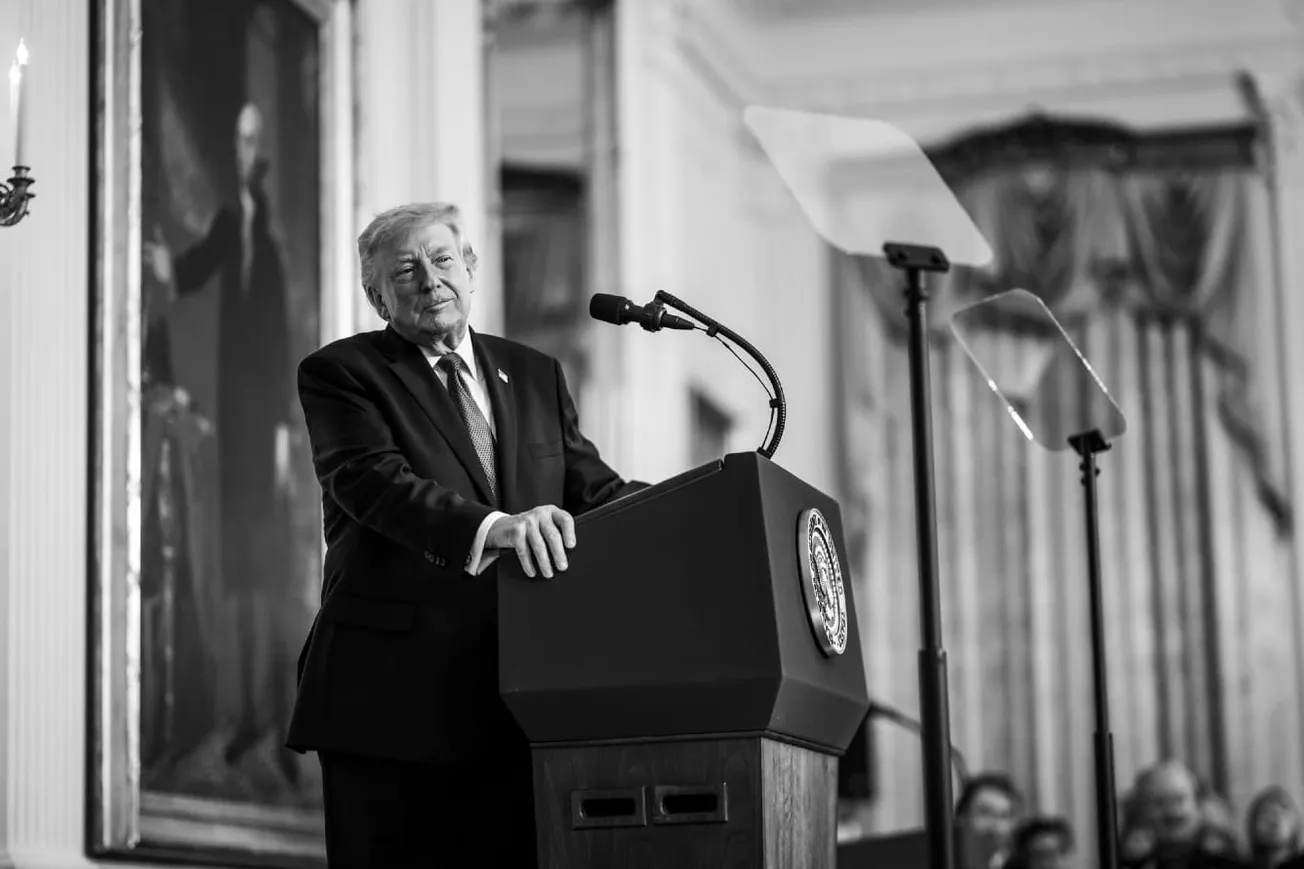
In 2009, social media gave Iran’s protesters a voice. In 2026, it has become a risk. The Iranian regime no longer fears connectivity; it manages it, shuts it down, and punishes those who try to bypass its controls.
What once felt like a digital opening now resembles a digital siege.
Sixteen years ago, after Iran’s disputed presidential election, I wrote an opinion column for The Christian Science Monitor arguing that social media had given ordinary Iranians a rare opportunity to be seen and heard beyond their borders.
At the time, that belief felt warranted. Tweets, grainy videos, and text messages pierced censorship and carried the courage of the Green Movement into living rooms and newsrooms around the world.
That moment was real and unmistakable, defined by a face, a name, and a life lost.
In 2009, the death of Neda Agha-Soltan was captured on a cellphone and shared globally within minutes. One young woman’s death became impossible to ignore. At the time, I even argued that platforms like Twitter deserved recognition for exposing repression and giving voice to the voiceless. It felt as though technology had briefly aligned with moral clarity.
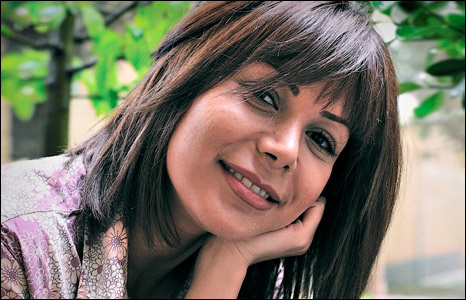
Looking back, that confidence now feels almost quaint—not because it was misguided, but because the regime learned faster than the technology evolved.
The protests unfolding in Iran today are driven by the same desire for dignity and accountability, but they face a far more determined response. Since late 2025, demonstrations fueled by economic collapse and long-standing repression have spread to all 31 Iranian provinces.
The chants are familiar, and the demands are clear. But this time, the authorities arrived prepared—not only with force, but with tools designed to isolate, monitor, and silence.
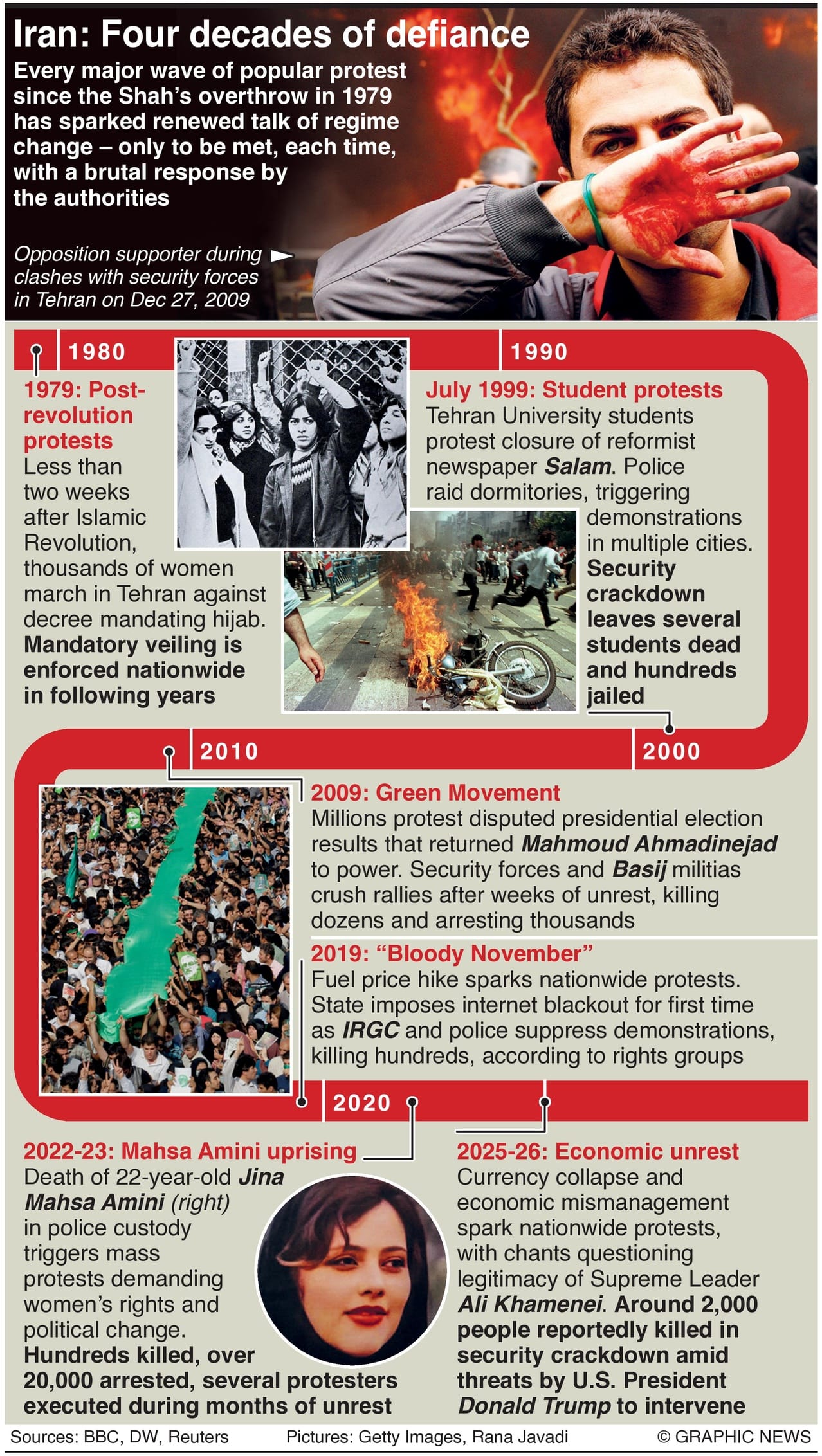
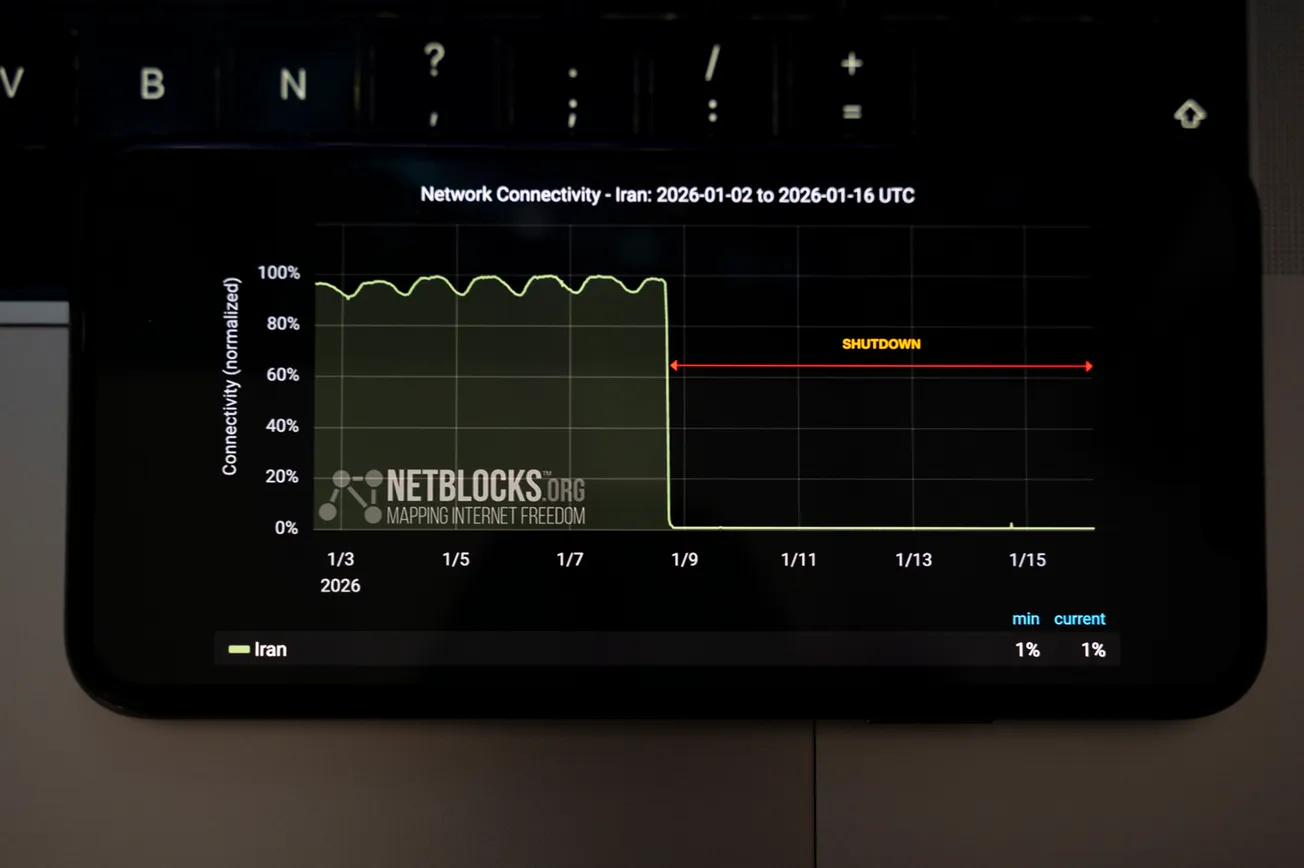
Iran has imposed one of the most extensive communications shutdowns in its history.
Mobile networks have been disabled. Social media platforms blocked. Internet access throttled or rerouted through a state-controlled intranet designed for surveillance rather than speech.
This is not a technical failure; it is an intentional act.
Isolation weakens movements. It disrupts coordination, erodes trust, and shields violence from international scrutiny.
For a brief moment, images still reached the outside world. Videos circulated from Tehran and other cities showing crowds chanting for freedom and security forces firing into civilians.
That window closed quickly. Authorities moved to locate satellite internet equipment, including Starlink terminals, and to target individuals suspected of using them.
Possessing a satellite connection is no longer treated as a regulatory violation; it is treated as political defiance and regime obstruction, punishable by law.
The lesson sixteen years on is sobering. Authoritarian governments no longer underestimate social media. They study it, adapt to it, and exploit its weaknesses.
Cutting access often proves more effective than censoring content. When people are digitally isolated, fear travels faster than truth.
Social media itself has changed as well. In 2009, it felt like an almost unqualified force for openness. Today, it is also a source of distraction, manipulation, fraud, and exploitation. Around the world, it fuels scams, trafficking, and disinformation. In Iran, that darker reputation has made it easier for authorities to argue—incorrectly—that connectivity itself is the threat.
This is where my optimism from 2009 meets the limits of the present. Technology did not fail Iran’s protesters; it simply proved insufficient on its own. Digital tools can amplify courage, but they cannot replace organization, protection, or power.
For policymakers and technology leaders, that reality carries responsibility. Connectivity is not neutral, and access without safeguards can be dangerous. In Iran today, being connected can invite detention—or worse.
Governments that treat deliberate internet shutdowns as routine exercises of sovereignty risk normalizing repression, while technology companies cannot separate access from protecting users.
And still, the protests continue even against the threat of incarceration, torture, and death.
That persistence matters. Movements are built by people, not platforms. When a government cuts its citizens off from the world, it is not demonstrating confidence; it is revealing anxiety and weakness.
In 2009, a single death compelled the world’s attention. In 2026, thousands are dying with barely a whisper.
If Neda once reminded us of the power of being seen, today’s tragedy warns us what happens when attention fades—and silence returns.
Mark Pfeifle runs the crisis management firm Off the Record Strategies. He served as deputy national security adviser for strategic communications and global outreach at the White House from 2007 to 2009.
Western Allies Boost Arctic Presence
The framework deal on Greenland, agreed with U.S. President Donald Trump, would require NATO allies to boost Arctic security, NATO Secretary General Mark Rutte says.
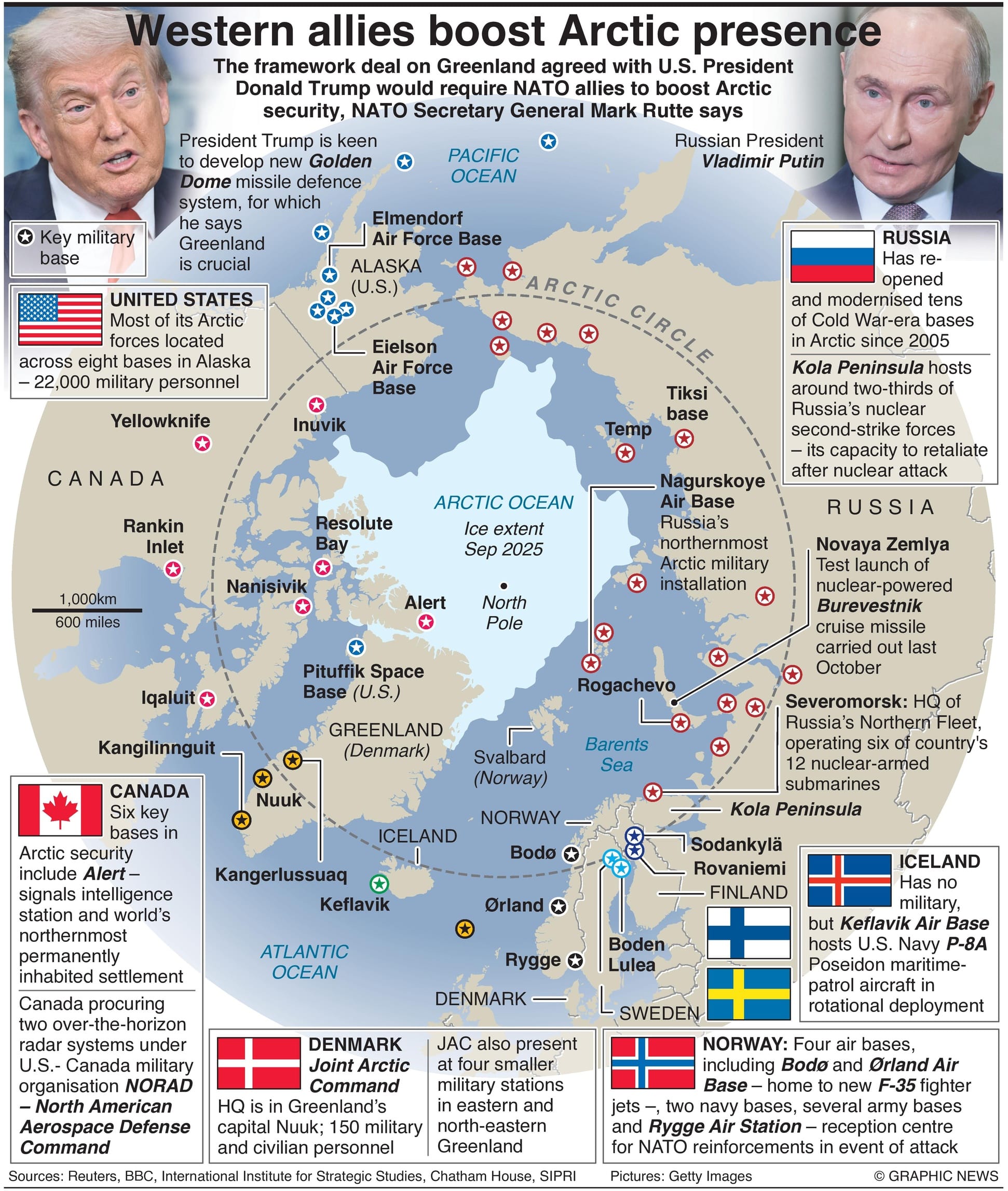
Speaking at the World Economic Forum in Davos, Switzerland, Rutte said it was now up to NATO commanders to work out the details of the additional security requirements, adding that he was confident non-Arctic members of the alliance would want to contribute.
President Trump has expressed interest in developing a new Golden Dome missile defense system, for which he has said Greenland is a crucial component.
One official briefed on the discussions between Rutte and Trump suggested that the status of British bases in Cyprus could serve as a model for enhancing the U.S. presence on Greenland, noting that the UK retains full sovereignty over its Cypriot bases.
Danish officials now expect to begin formal negotiations with the U.S., led by Vice President JD Vance and Secretary of State Marco Rubio, following last week's agreement to establish a high-level working group to discuss the arrangement.
Oscar Nominations 2026
The movie “Sinners”, directed by Ryan Coogler and starring Wunmi Mosaku and Michael B Jordan, set a new Oscars record with 16 nominations for the 24 categories.
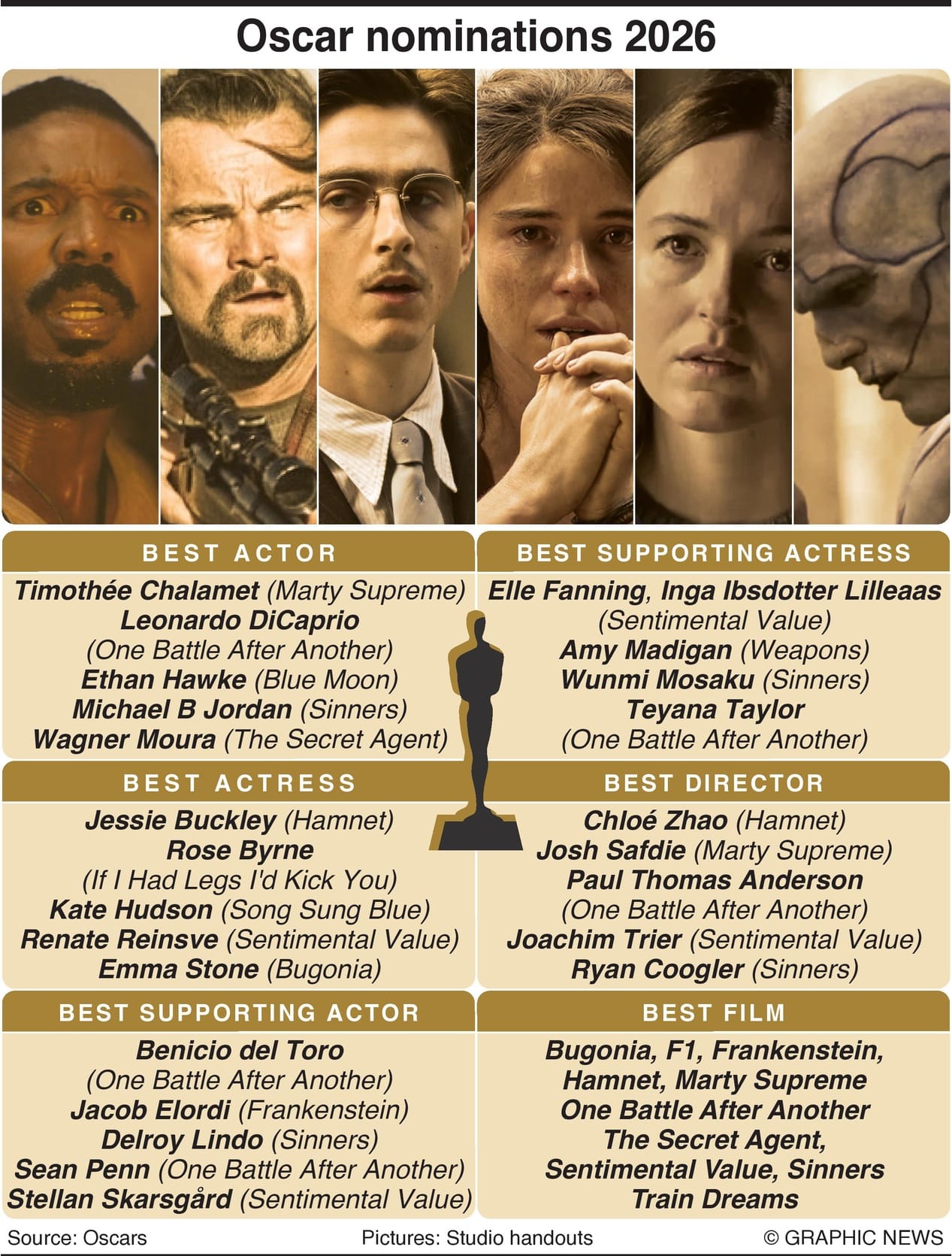
The horror movie combining vampires, the Ku Klux Klan, gangster twins, Mississippi delta folklore, and blues history was predicted to flop but has been a surprise hit with audiences and critics, and Mosaku’s performance has won many admirers. The 16 nominations are:
- Actress in a supporting role
- Makeup and hairstyling
- Original score
- Original screenplay
- Actor in a supporting role
- Casting
- Costume design
- Original song
- Production design
- Film editing
- Sound
- Visual effects
- Cinematography
- Actor in a leading role
- Directing
- Best picture
“Sentimental Value” picked up nine nominations, including two for Actress in a supporting role and, as a Norwegian movie, Best International Picture.
editor-tippinsights@technometrica.com