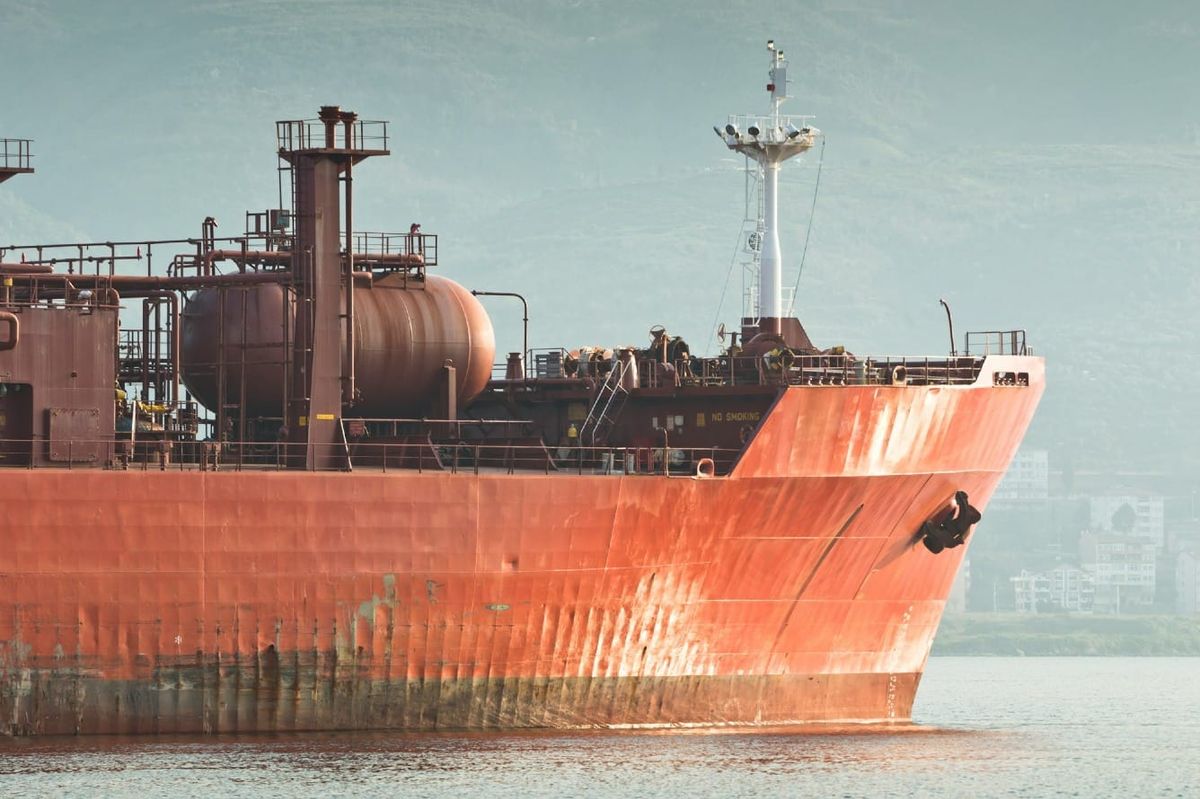
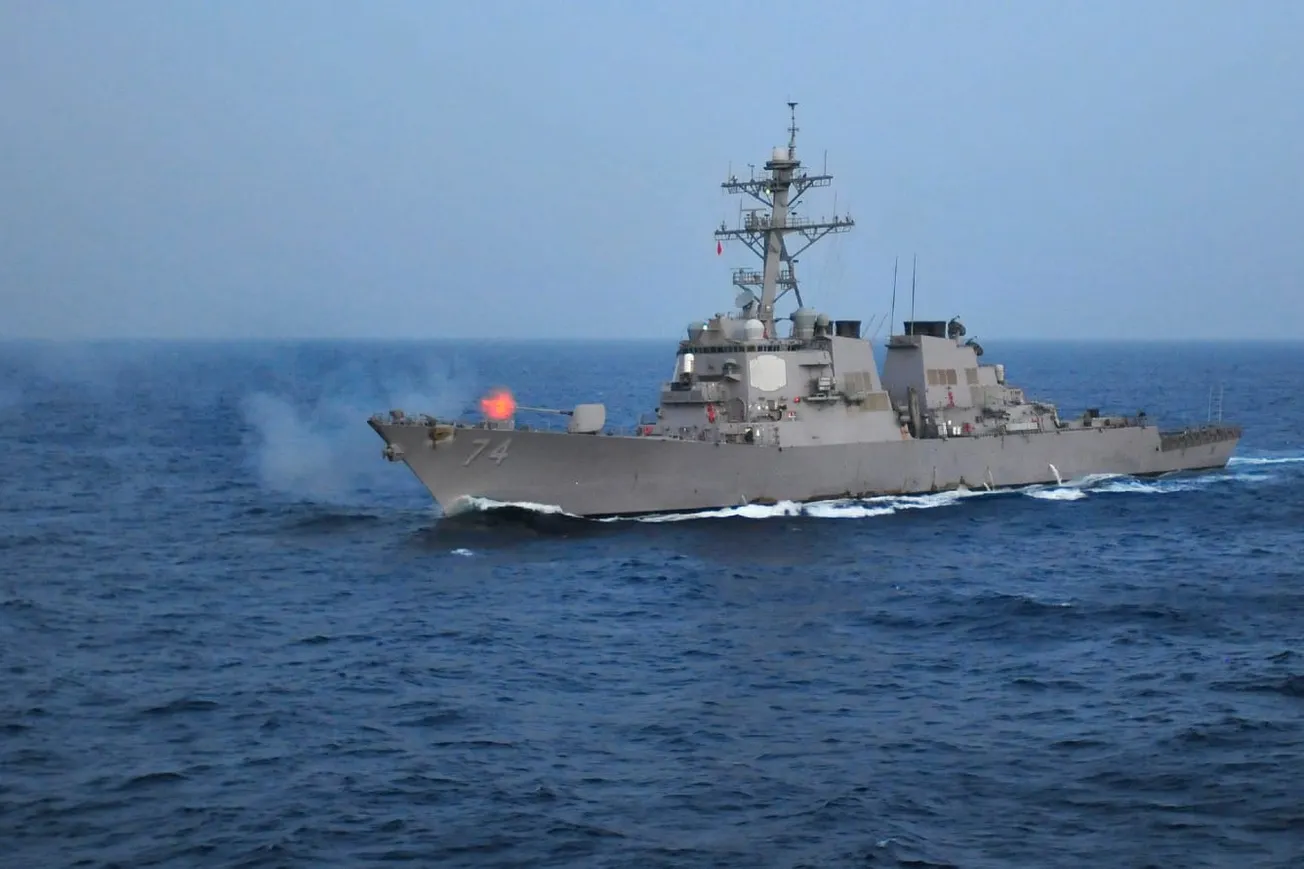
The United States has fully enforced its naval blockade of Iranian ports, effectively cutting off most of Tehran’s maritime trade, according to U.S. Central Command. The operation, ordered by President Donald Trump, was implemented within 36 hours and has halted nearly all sea-based commerce tied to Iran’s economy.
Officials stated that over 90% of Iran’s trade relies on the Strait of Hormuz, making the blockade a significant economic blow. According to estimates, Iran could lose roughly $435 million per day.
U.S. says Hormuz blockade 'fully implemented,' while signaling diplomatic off-ramp for Iran https://t.co/UMiKwoiATm
— CNBC (@CNBC) April 15, 2026
The blockade comes amid a fragile ceasefire and renewed signals from the White House that diplomatic talks with Iran may resume. U.S. forces reported that no ships crossed during the first 24 hours, though limited high-risk vessel movement has been observed.
China criticized the move as “dangerous,” while global institutions warned of economic fallout. According to the IMF, growth projections have been cut as oil market uncertainty continues.
Also Read:
 TIPP Staff
 TIPP Staff
 TIPP Staff