By John Commerford via The Daily Signal | July 20, 2026
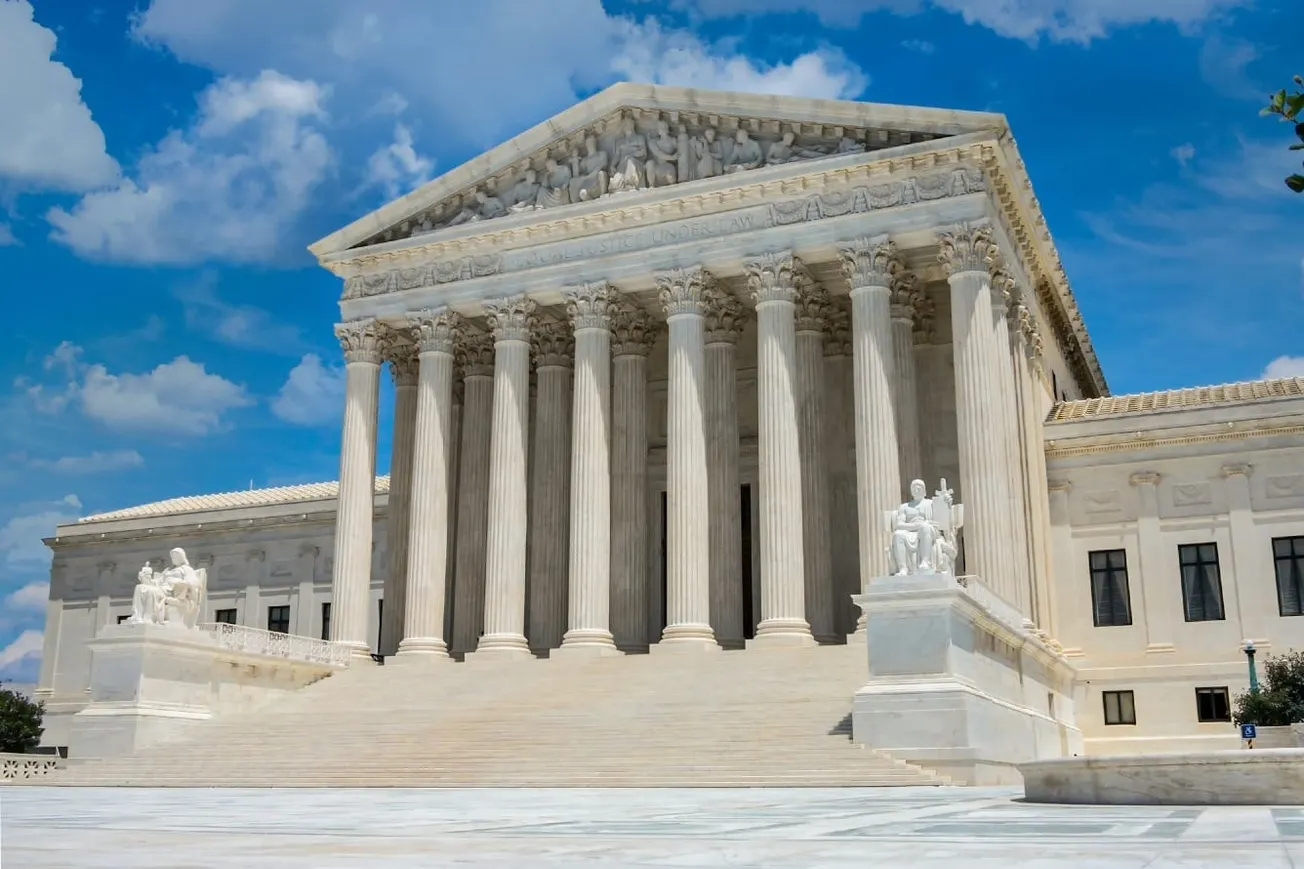
Hawaii’s most recent Second Amendment defeat at the U.S. Supreme Court was both a major victory for the right to bear arms and entirely predictable.
Since the court’s landmark decision four years ago in New York State Rifle & Pistol Association v. Bruen, Hawaii’s anti-gun lawmakers had been trying to accomplish what Bruen had already forbidden: preventing ordinary, law-abiding citizens from carrying a firearm in public for self-defense.
Their tool of choice became known as the “vampire rule,” an absurd legal contrivance stipulating that licensed concealed-carry permit holders couldn’t carry onto private property open to the public unless the property owner had first given express permission. The state compounded that restriction by designating an expansive list of so-called sensitive places where carry was also prohibited, from parks and beaches to government buildings and restaurants serving alcohol.
For the past four years, Hawaii effectively annulled the right to carry a firearm in public for self-defense by turning many of the places people visit every day into prohibited locations.
But on June 25, 2026, the Supreme Court rejected that effort in no uncertain terms.
In Wolford v. Lopez, the court held that Hawaii’s attempt to treat nearly every publicly accessible private business as presumptively off-limits to licensed carry violated the Second and 14th Amendments.
Americans spend much of their day on private property that is open to the public, and that’s precisely why Hawaii’s law was so egregious. They stop for gas, buy groceries, pick up prescriptions, grab coffee, meet friends for dinner, and run countless other errands without giving a second thought to whether the building they are entering is privately owned.
Under Hawaii’s law, every one of those routine stops could expose licensed citizens—people who had passed background checks, completed training, and satisfied every red-tape requirement the state has imposed—to criminal penalties unless a business owner had affirmatively granted permission.
Meanwhile, dangerous violent criminals were unlikely to concern themselves with such lawful-carry considerations, greatly endangering the residents of Hawaii. The people most affected by these restrictions were always going to be law-abiding citizens—rendered defenseless by the state.
Hawaii’s approach also conscripted thousands of business owners into a political debate many had no interest in joining. Private property owners have always been free to prohibit firearms on their premises if they choose, and nothing in Wolford changes that.
Hawaii erred in trying to reverse this commonsense default. Rather than allowing each proprietor to decide whether to exclude firearms, the state presumed lawful carry was forbidden unless the owner affirmatively opted in. Restaurant owners, shopkeepers, and other small-business operators were forced to signal a position on one of the country’s most contentious political issues simply to operate their businesses.
At the end of the day, Hawaii’s dangerous and misguided law ultimately failed because it rested on the absurd premise that citizens must first obtain someone else’s permission before exercising a constitutional right. Bruen first rejected that premise in 2022. Wolford rejected it again.
Hawaii’s lawmakers may have convinced themselves they had found a clever workaround to Bruen, but all they really did was repackage the same unconstitutional restriction in different legalese, and the Supreme Court saw right through it.
Lawmakers in California, Maryland, New Jersey, New York, and anywhere else that has considered or is considering similar restrictions should take note.
The Supreme Court has now made abundantly clear that law-abiding Americans cannot be treated as second-class citizens when exercising their constitutional right to bear arms in public for self-defense. Anti-gun lawmakers may not like that answer, but after Bruen and now Wolford, they can no longer pretend it is an unsettled one.
John Commerford is executive director of National Rifle Association Institute for Legislative Action.
Original article link