By Nina L. Khrushcheva, Project Syndicate | October 13, 2026
During past periods of chaos and brutality in Russia, such as Stalin’s Great Terror, there was generally a sense that the country was headed somewhere—that the suffering served some end, however unjustifiable the means. But the repression Russians are enduring today has only one aim: to perpetuate the state that is executing it.
NEW YORK—On September 25, a Moscow court sent the political analyst Alexander Kynev to pretrial detention for “large-scale illegal drug production, sale, and trafficking”—a charge that could land him in prison for 10–20 years. But no evidence of Kynev’s involvement in illegal drugs has been made public.
A leading expert on regional political processes and electoral systems, Kynev has long reported on election fraud in Russia, though he openly supports the New People party, which was launched in 2020 as a sort of Kremlin-backed project to absorb “protest votes,” particularly from young people. He previously worked at the independent vote-monitoring organization Golos, which was named a “foreign agent” and shut down under pressure from the Kremlin last year.
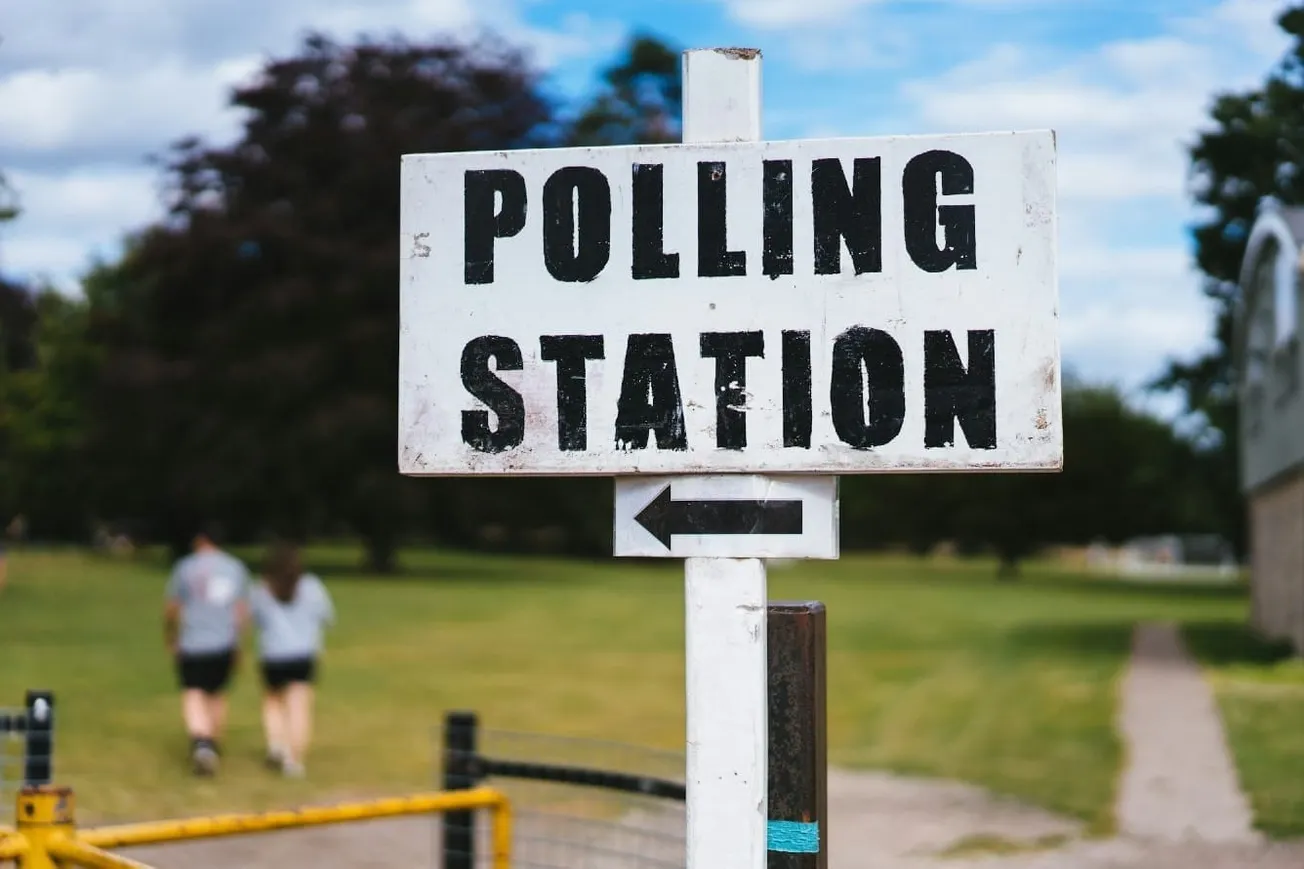
Last month, Kynev—himself a “foreign agent”—publicly criticized the Duma elections, in which the ruling United Russia party won an unprecedented—and highly improbable—349 seats of 450. A few days later, he was arrested and reportedly beaten so badly in custody that he ended up in a prison hospital with a fractured tibia.
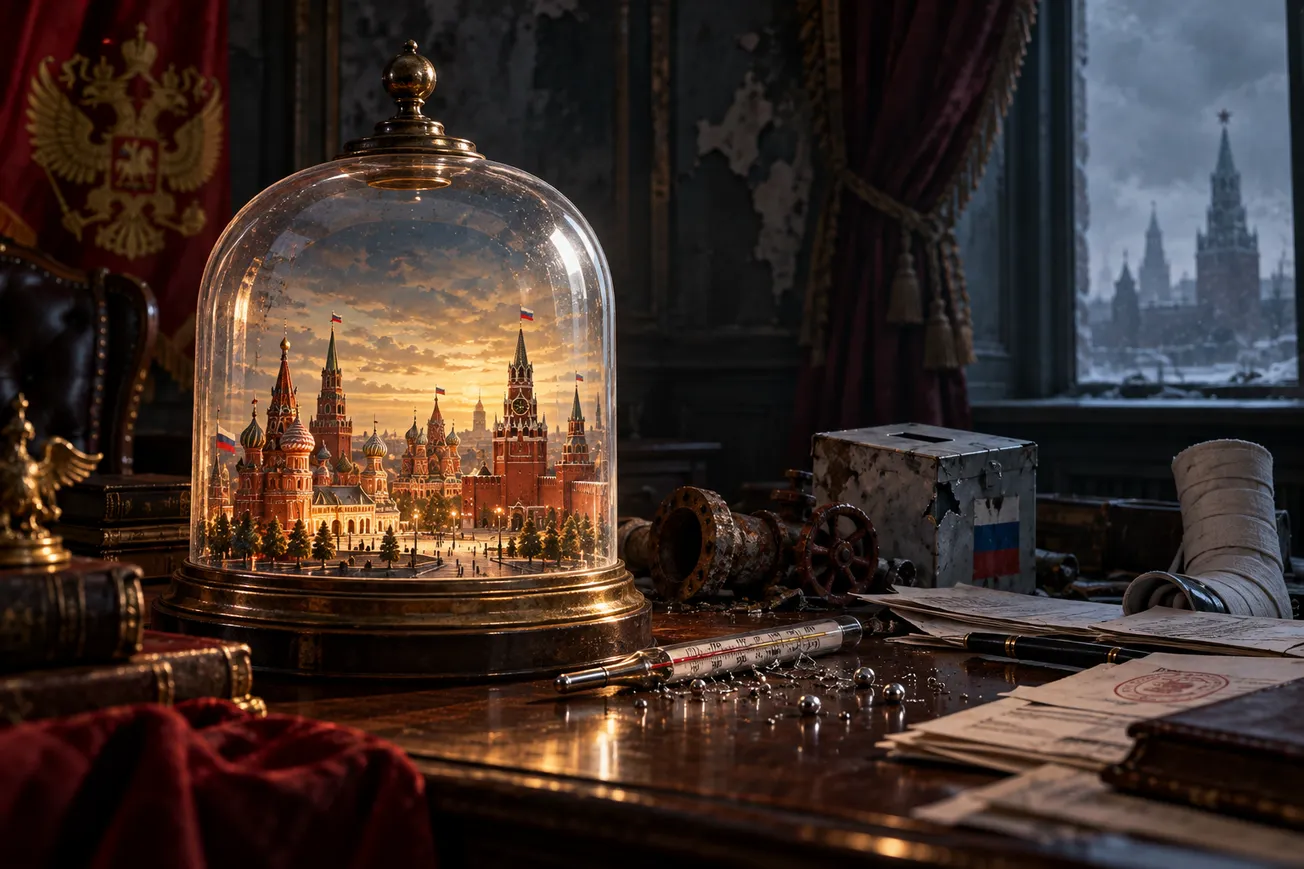
The arrest of a Kremlin detractor on trumped-up charges is nothing new. But Kynev is not the regime’s typical nemesis: his analysis has long been an accepted barometer for public sentiment. Some sources report that the arrest surprised key officials in President Vladimir Putin’s administration. To them, Kynev was a critic, but a useful one, capable of giving them a glimpse into what is really happening in Tver or Tomsk. Silencing him amounts to smashing the thermometer because the fever is inconvenient.
The main job of Russia’s apparatchiks has long been to insulate Putin from anything deemed to be beneath him. He wants to think about NATO, Ukraine, and his place in history, not potholes, regional budgets, and provincial elections. The bureaucrats oblige by cultivating a false reality to please him. The result is politics in vitro, with Putin effectively leading from within a glass jar, where Russia is united behind the Ukraine war, the economy has shrugged off sanctions, and every election reaffirms support for the status quo.
Outside the jar, however, the economy is under severe strain. Growth has slowed to a crawl, businesses struggle to generate profits, and borrowing costs are high. Social spending is increasingly consumed by bonuses for new contract soldiers and payouts to the families of dead ones. Holes in regional budgets are growing. Soviet-era pipes and power plants are falling apart.
It is impossible to know exactly what about the real world, if anything, has gotten through to Putin. What is known is that virtually every institution through which reality was once transmitted to the Kremlin has been suppressed or dismantled. Elections have become farcical. Courts have lost any semblance of independence. Independent media have been muzzled. Even once-tolerated critics are being jailed and beaten.
Comparisons with the 1930s no longer sound like exaggeration. An analyst in a cast, days after criticizing an election, is the handiwork of a ferocious security state. The question is whether anyone will—or even can—contain it.
Past periods of Russian terror, as brutal as they were, were subject to a hard brake. In the 16th century, Ivan the Terrible allowed his oprichnina (private army) to ravage the country for seven years, but then realized it was achieving little, abolished it, and executed many of its leaders. Stalin halted the Great Terror a little over two years after it began and removed the chief of the People’s Commissariat for Internal Affairs (NKVD), Nikolai Yezhov (whom Stalin later had shot).
These were not acts of mercy: leaders realized that unchecked terror eventually starts eating its own managers. But, from inside his glass jar, Putin cannot see this. Nor can he fully control the state apparatus that is carrying out the terror. Ivan’s oprichniki were a tool of the state; today, the state itself behaves like the oprichnina.
Such a system does not dismantle itself. On the contrary, it leverages every resource and capability to fortify itself. As under Stalin, the best engineers and the scarcest materials now go to the war effort in Ukraine, and science survives mostly where it serves the front. Foreign companies also pay: those that want to leave Russia must sell at a steep discount and make a “voluntary contribution” to the state budget; others are placed under “temporary management” so they can be quietly pillaged.
In recent months, the Ministry of Justice has run an online exhibition called “Defense of the Sovereignty of the Russian State: History and the Present.” The timeline begins with the Smuta, or Time of Troubles (1598–1613), when Russia endured a violent succession crisis, with numerous usurpers and impostors, including Polish invaders, attempting to claim the title of czar. For Russia today, it is the ultimate warning: a divided elite plus foreign meddling equals disaster. Repression is meant to prevent this outcome.
And yet, the tumultuous Smuta eventually gave way to a new dynasty and three centuries of Romanov rule, under which Russia gradually turned toward the West. Today, as the Russian state does everything in its power to prevent collapse, it precludes such a renewal by overseeing the gradual erosion of the capabilities that could drive dynamism. For example, the state is pushing young people toward vocational training, rather than the kind of education that would prepare them to thrive in high-tech fields. This is not a country that is preparing for the future. As North Korea has shown, a sclerotic state can endure for decades.
Russia has known invasions, revolutions, and internal chaos. It has had ruthless leaders who engaged in severe repression and clung to power. But there was generally a sense that Russia was headed somewhere—that the brutality served some end, however unjustifiable the means. Even Stalin’s terror brought factories, dams, and a vision of the future. In this sense, today’s terror is unique in Russian history: its only aim is to perpetuate the state that is executing it.
Nina L. Khrushcheva, Professor of International Affairs at The New School, is the co-author (with Jeffrey Tayler), most recently, of In Putin’s Footsteps: Searching for the Soul of an Empire Across Russia’s Eleven Time Zones (St. Martin's Press, 2019).
Loved it, hated it, or somewhere in between — tell us. Grade this article here and help shape what lands in your inbox next.
🧭 Power & Capital · October 13, 2026
Where state power meets the boardroom.
🔷 Watch: Far Left Spent Over $100 Million Trying To Destroy Ken Paxton, Says Vance – TIPP Video
🌍 Global Affairs
The world's flashpoints, in motion.
🟥 Iran Strengthens Nuclear Site Defenses Ahead Of Possible US Strikes After Midterms – TIPP News
🟥 Tanker Strikes Rise As Iran Seeks To Regain Control Over Gulf Shipping – TIPP News
🟥 Closing NATO’s Deterrence Gap – Project Syndicate
🟥 More Military Assassinations In The Caribbean – Jacob G. Hornberger, Ron Paul Institute for Peace and Prosperity
🟥 When Will This White House Madness End? – Philip Giraldi, Ron Paul Institute for Peace and Prosperity
🟥 Mike Huckabee Should Resign – Jason Jones, Ron Paul Institute for Peace and Prosperity
🏛️ National Affairs
The fights shaping America right now.
🟫 Data Center Water Usage Has Been Blown Far Out Of Proportion – Editorial Board, Issues & Insights
🟫 White House Asks US Ambassador Kimberly Guilfoyle To Resign Amid Misconduct Allegations – TIPP News
🟫 Trump Urges Ohio Voters To Back Republicans Ahead Of Crucial Senate Race – TIPP News
🟫 FBI Arranges Fake Terror Plot As Midterms Approach – Kurt Nimmo, Ron Paul Institute for Peace and Prosperity
🟫 The Prosecutor’s Dilemma – Andrew P. Napolitano, Ron Paul Institute for Peace and Prosperity
🟫 Watch: “I Will Not Be Silenced”: Supporters Echo Omar’s Defiance At Minneapolis Rally – TIPP Video
🟫 Watch: One Killed, Multiple Injured After Roller Coaster Fall At Six Flags Over Georgia – TIPP Video
📈 Economy
Prices, policy, and the pressure on your wallet.
🟩 IMF Warns Of Financial Risks From Rising Debt And Circular AI Deals – TIPP News
🟩 The Austrian Cure: The Restoration Of Economic Reality – Justin M. Ptak, Mises Wire
🟩 Compulsion And The Moral Status Of Action: Stoicism, Voluntaryism, And The Non-Aggression – Michael S. Milano, Mises Wire
🟩 Who Owns Your Life? – George Ford Smith, Mises Wire
💼 Markets & Business
The deals and tickers making moves.
🟧 UnitedHealth Posts Strong Quarterly Earnings Despite Elevated Healthcare Costs – TIPP News
🟧 Anthropic Says Smart TVs And Home Appliances Could Host Spreading AI – TIPP News
🟧 Falcon 9 Rocket Delivers Research Equipment And Crew Supplies To Orbit – TIPP News
Letters to the editor email: editor-tippinsights@technometrica.com
Subscribe Today And Make A Difference. Consider supporting Independent Journalism by upgrading to a paid subscription or making a donation. Your support helps tippinsights thrive as a reader-supported publication. Contact us to discuss your research or polling needs.
Reach our audience. For sponsorship and advertising opportunities, visit our Partner With Us page.