For nearly sixty years, U.S. policy toward Cuba has struggled to move the island off a frozen equilibrium. Havana’s political and economic system has not delivered growth or prosperity, yet it has endured because outside assistance enabled it to survive. That external support preserved the status quo while deferring hard choices.
Now, what has changed is Cuba’s support structure. The collapse of Venezuela, the island’s principal economic benefactor, has weakened the scaffolding that sustained the regime for more than two decades. The shift creates an opening—one that forces Washington to consider whether continued drift is preferable to deliberate pressure.
Cuba at a Glance
- Population: ~10 million
- GDP (nominal): ~$100–110 billion (est.)
- Primary energy imports: Oil and refined fuels
- Key external supporters (past): Venezuela
- Key external actors (current): China, Russia
- Cuban Americans in the U.S.: ~2.4 million
Donald Trump’s position on Cuba has been consistent across his political career: no normalization of diplomatic relations or economic relief for Havana without meaningful reform. He rejected policies that offered engagement and legitimacy while leaving the Cuban system fundamentally unchanged. During his campaign, he promised, “As president, I will again stand with the people of Cuba in their long quest for justice, liberty, and freedom.”
That promise translated into concrete policy. Trump tightened restrictions on travel and financial flows tied to the Cuban state, emphasizing enforcement over symbolism. More recently, his administration implemented a new travel ban targeting Cuba, citing national security and law-enforcement concerns. The policy lists Cuba as a state sponsor of terrorism and points to its failure to cooperate fully on law-enforcement matters, its historical refusal to accept deported nationals, and persistently high visa overstay rates.
At the core of Trump’s approach is a moral and political claim: the Cuban people have suffered for decades under a Communist regime that suppresses basic freedoms. Dissidents are arbitrarily detained, political prisoners are held in harsh conditions, and violence against critics is rampant. Civil society is harassed, religious worship is constrained, and free speech is curtailed through censorship, restricted internet access, and the absence of an independent press. In Trump’s view, U.S. policy should no longer support a system that fails to meet the basic requirements of a free and just society.
For more than twenty years, Cuba’s economic survival rested on an asymmetrical relationship with Venezuela. Havana exported expertise—doctors, teachers, security advisers, and governance assistance—while Caracas supplied heavily subsidized oil that kept Cuba’s economy running and its infrastructure functioning. The arrangement masked the island’s underlying weakness by providing energy on terms it could not otherwise afford.
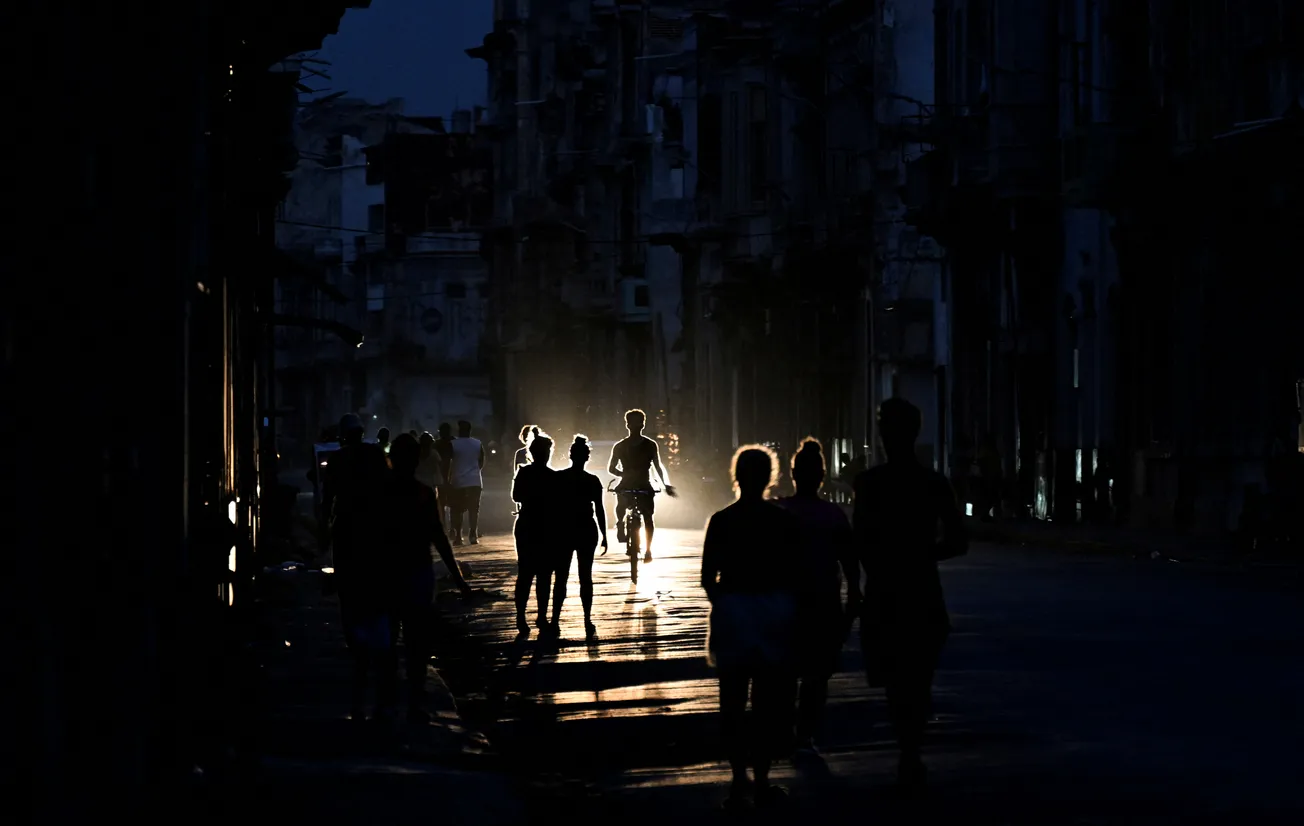
As Venezuela’s ability to sustain its role as Cuba’s benefactor collapsed, that lifeline eroded quickly. Following U.S. action against the government of Nicolás Maduro and the resulting disruption to Venezuela’s oil exports, shipments to Cuba declined. The system that had kept Havana afloat since the early 2000s began to fail. The loss of subsidized energy exposed just how dependent Cuba had become—and removed the external support that had long allowed the regime to postpone reform.
Recent U.S. action against the Maduro government has altered regional calculations and reinforced the perception that Washington is once again willing to act decisively in the hemisphere rather than manage decline indefinitely.
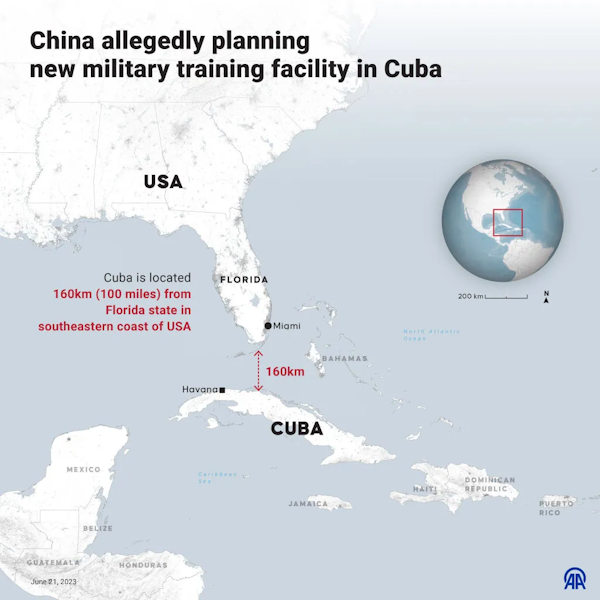
Cuba’s growing vulnerability raises another strategic concern: China's expanding role. As TIPP Insights has documented in earlier editorials, Beijing has steadily increased its intelligence, surveillance, and strategic presence on the island. For the Xi Jinping regime, Cuba’s geography, especially its proximity to America, makes it uniquely valuable, and its economic weakness makes it accessible.
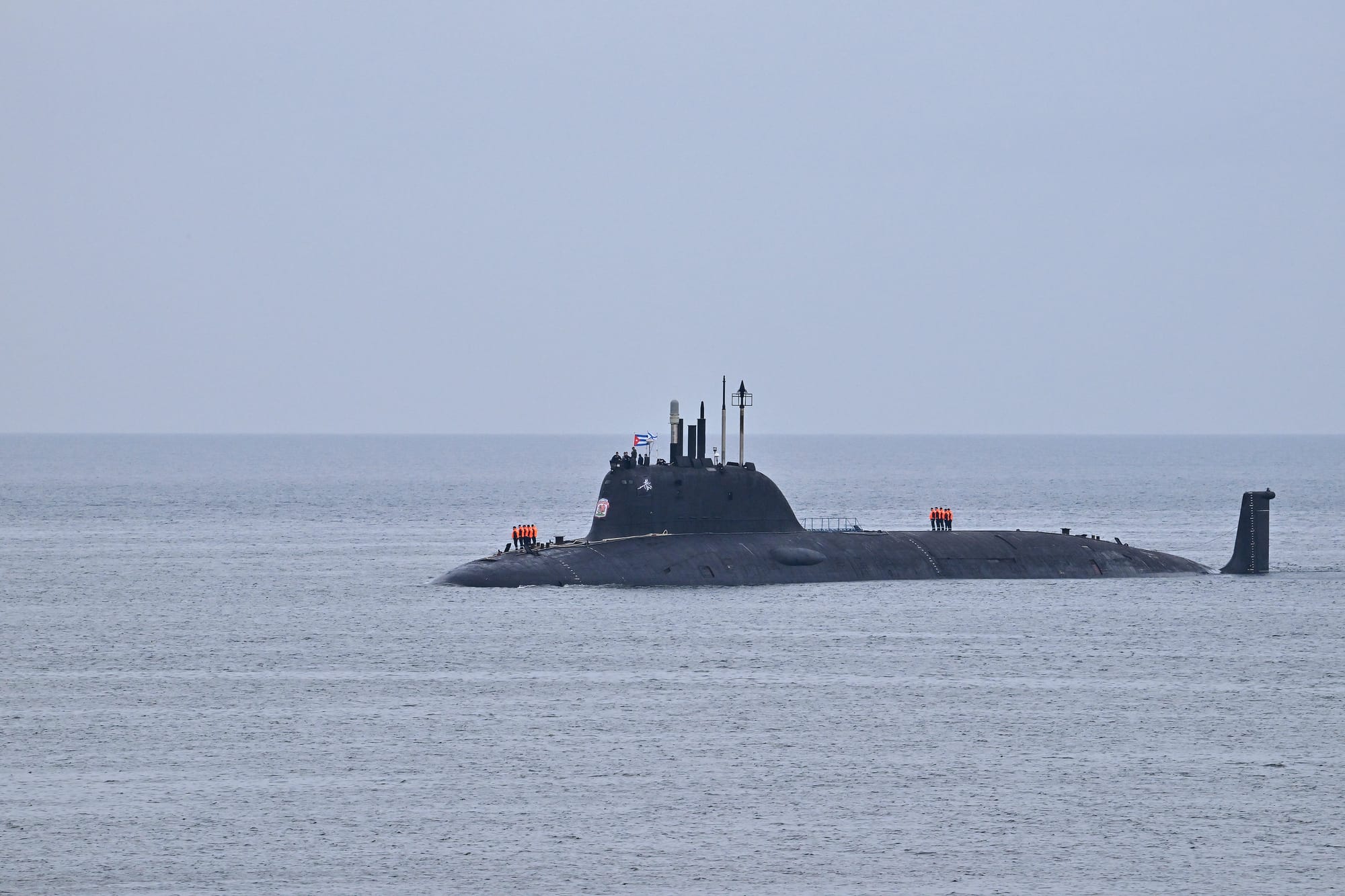
Cuba does not pose a direct military threat to the U.S. But, weak states trade access for survival, and China has demonstrated a willingness to fill such vacuums quietly—through infrastructure projects, intelligence cooperation, and economic support that deepens long-term influence. A weaker Cuba increases the likelihood that Beijing will expand its footprint just 90 miles from the U.S. mainland.
Against this backdrop, the idea of a blockade has reentered policy discussions. As reported by Politico, the Trump administration is weighing new tactics to increase pressure on Havana, including a potential oil import blockade, steps that could accelerate political change rather than preserve the existing order.
Trump has been explicit in his rhetoric, writing on Truth Social that there would be “no more oil or money going to Cuba” and urging Havana to “make a deal” before it is “too late.” He argued that Cuba had long survived on Venezuelan oil and subsidies, and that this arrangement was ending.
In this context, a blockade is viewed as a pressure tool rather than an act of war. Its purpose is to deny external rescue, prevent dependency from growing deeper, and force decisions that Havana has long avoided. The aim is to narrow the range of options available to a regime accustomed to surviving with the help of external support.
Washington is not seeking chaos or forced regime change. The objective is more limited but consequential: to end Cuba’s long-standing limbo. By applying pressure at a moment of vulnerability, the Trump administration hopes to force a choice—reform and normalization or continued decline without subsidy.
Trump’s calculation is that allowing Cuba to deteriorate indefinitely while outside powers shape the outcome risks a more destabilizing crisis later. Pressure now is intended to compel reform—or resolution—before that happens. The question is not whether Cuba should change overnight, but whether it should continue indefinitely in a suspended state that produces instability without resolution.
👉 Quick Reads
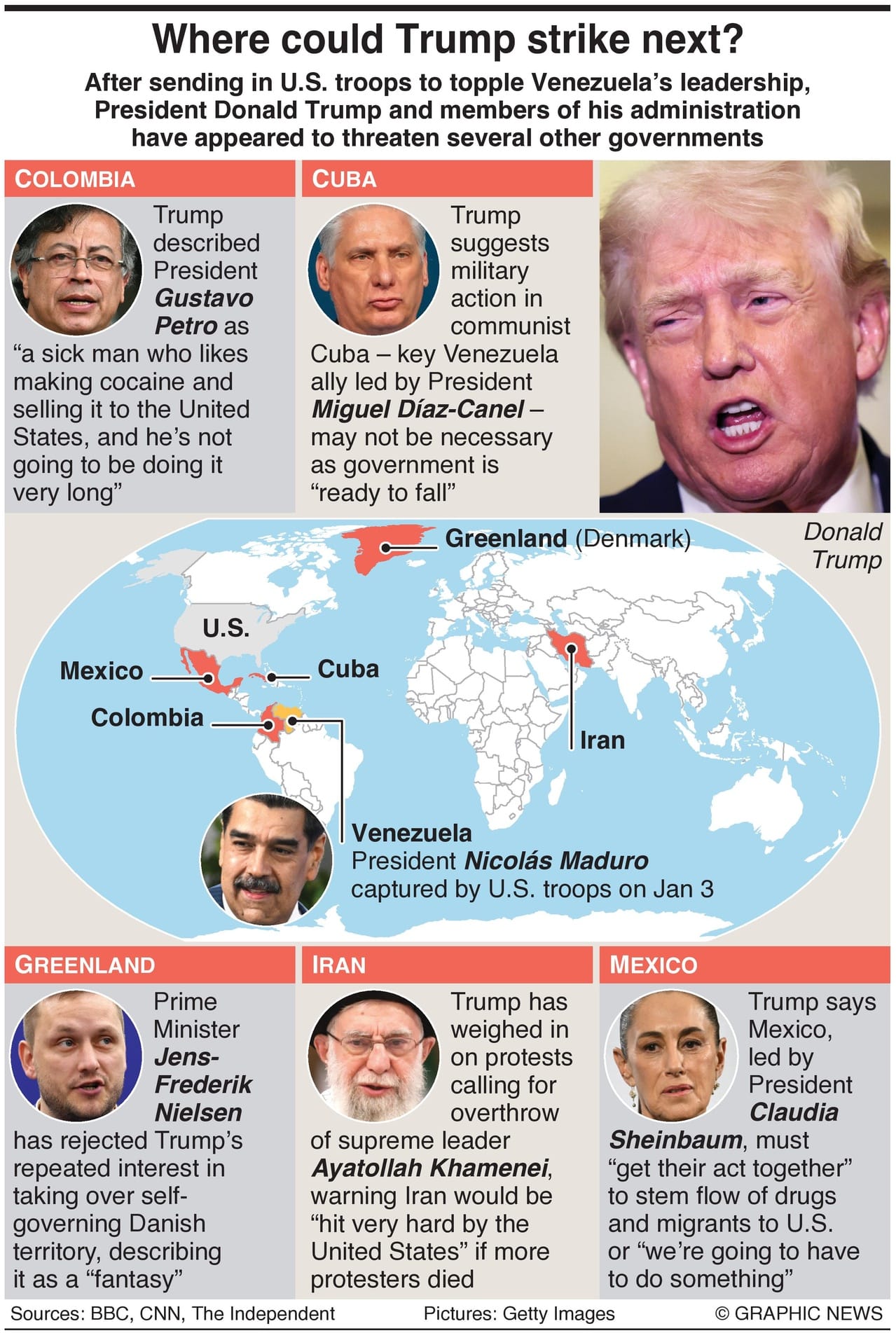
I. How Media Are Framing Trump’s Foreign Signals
This infographic reflects how global media have interpreted President Trump’s recent statements following the arrest of Venezuelan leader Nicolás Maduro, grouping several countries into a single narrative. It captures perception rather than policy, illustrating how rhetoric is being framed abroad rather than outlining actual U.S. strategic intent.
II. Gold Nears $5,000 As Investors Rush to Safety
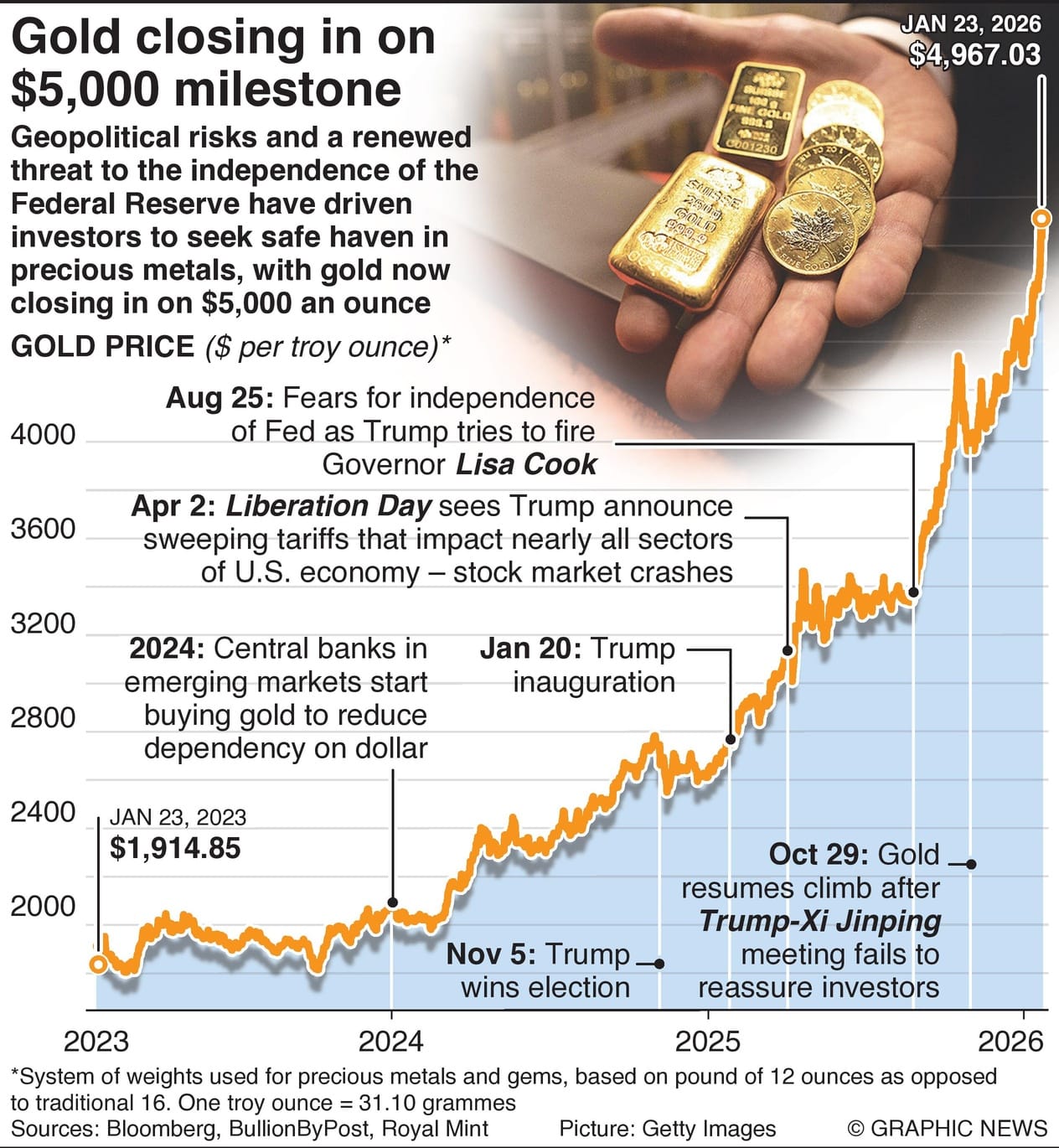
Gold prices have surged to record highs as investors seek a safe haven amid rising geopolitical tensions, a weaker U.S. dollar, and renewed concerns about the independence of the Federal Reserve. Buying by central banks, trade and tariff uncertainty, and expectations of U.S. rate cuts have all added fuel to the rally, pushing gold close to the $5,000-an-ounce milestone.
editor-tippinsights@technometrica.com