
Dispatch From Tel Aviv
Tel Aviv, Israel — Writing from Tel Aviv today means living with the rhythm of air-raid sirens.
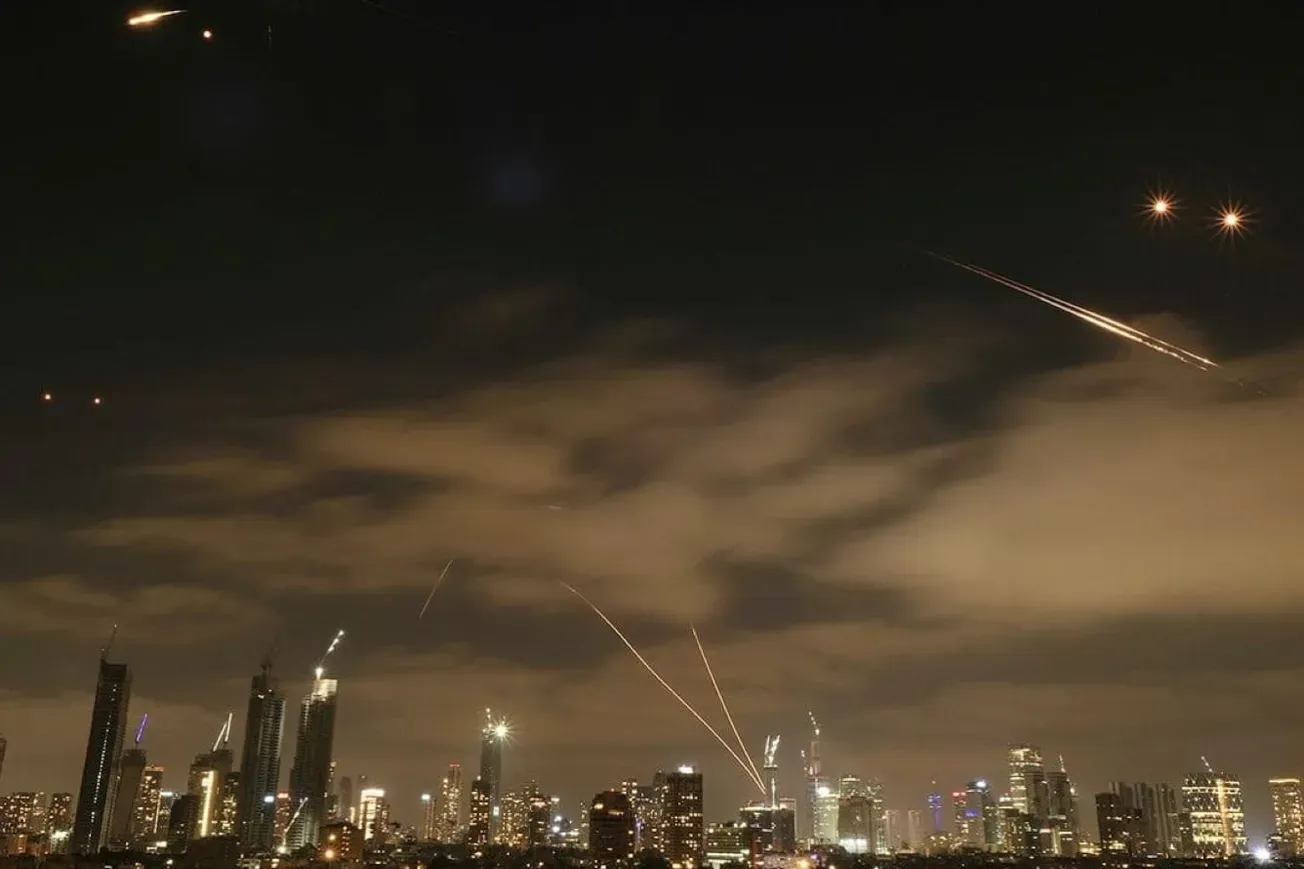
Every few hours, the alarms sound, warning of incoming missiles. Civilians move quickly to bomb shelters. Sometimes the wait lasts twenty minutes, sometimes longer, until Israel’s layered air-defense systems intercept the threat. Then people step back outside, and life resumes.
It is a strange routine, but it has become normal.
Iran’s missile campaign has changed noticeably since the early days of the conflict. Earlier barrages sometimes involved dozens of missiles launched simultaneously in an effort to overwhelm Israeli defenses. Today, the attacks are smaller but more frequent. Often, only one or two missiles arrive in each wave.
The shift appears deliberate. Rather than trying to destroy large targets, Iran now seems focused on psychological pressure—forcing civilians into shelters again and again in the hope that exhaustion will weaken public resolve.
But the strategy has not worked.
Israelis are tired, but they remain remarkably resilient. In between sirens, people still gather in cafés, walk along the beaches, and spend time in parks. Grocery stores and small businesses remain open. Even bomb shelters have taken on a strange life of their own, hosting everything from DJ parties to a wedding celebration.
The timing of the conflict has a symbolic meaning for Israelis. The fighting has coincided with the Jewish holiday of Purim, which commemorates the defeat of a plot against the Jewish people in ancient Persia more than two millennia ago. Many Israelis note the historical irony. At the same time, they stress that their struggle today is not with the Iranian people but with the country’s regime.
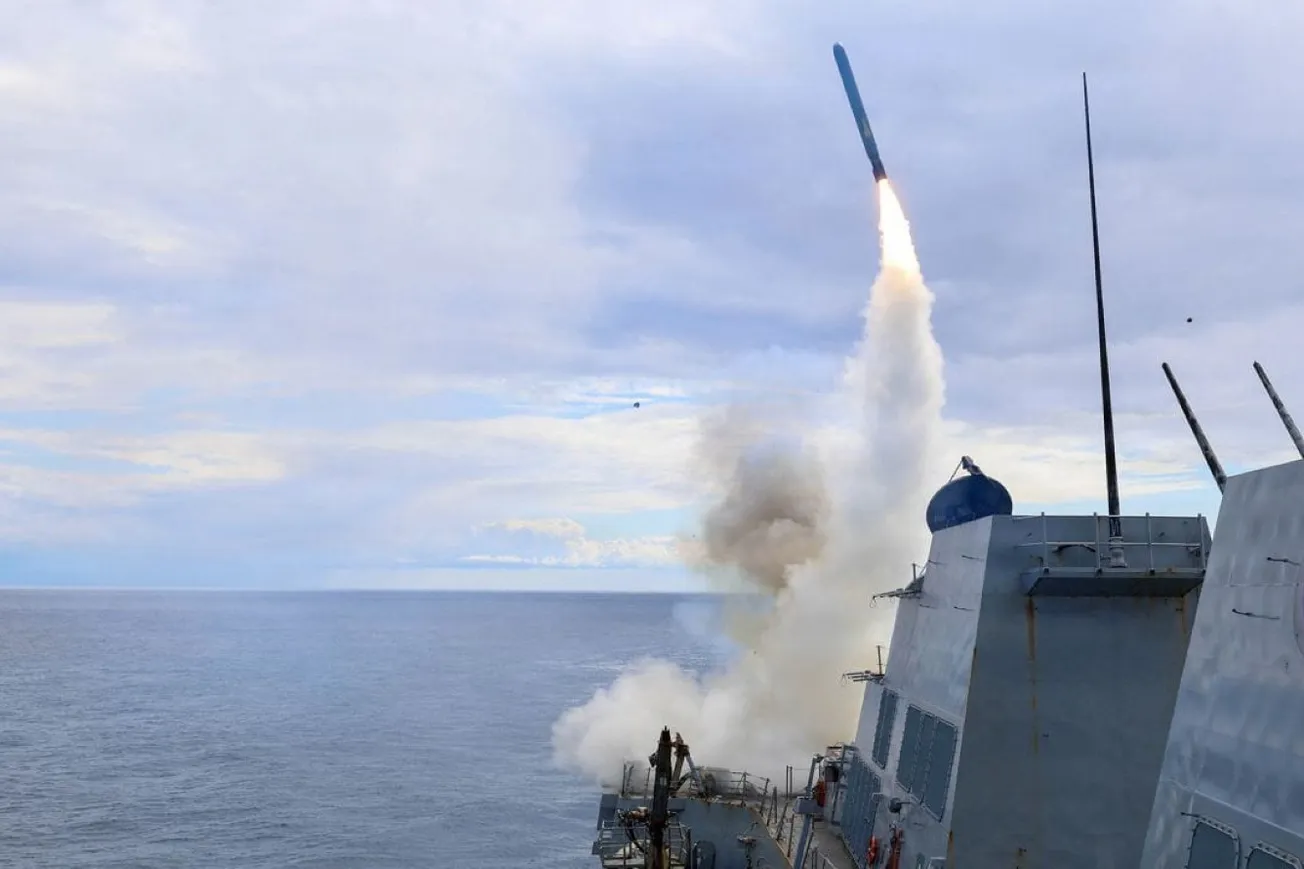
From a military perspective, there are signs that Iran’s capabilities have been weakened. Israeli and American air operations have significantly degraded parts of Iran’s missile-launching capacity. The smaller barrages may reflect those losses.
Iran has expanded attacks beyond Israel. Missiles and drones have been launched at Gulf states, striking civilian infrastructure such as airports, luxury hotels, tourist resorts, and energy facilities.
The goal is to frighten regional governments into pressing Washington for a ceasefire. So far, that strategy hasn’t worked.
Rather than dividing the region, Iran’s attacks appear to be pushing several Arab governments closer to the United States and Israel. Countries that once preferred neutrality now have a clearer view of the threat Tehran poses.
There is another strategic dimension to the conflict that receives too little attention. Iran has been developing long-range weapons designed to reach far beyond the Middle East. The implications extend not only to Israel and the Gulf states but also to the United States.
At the same time, Iran has built a vast network of proxy militias across the region. Those forces—operating in Lebanon, Syria, Iraq, and Yemen—have helped Tehran project power far beyond its borders.
There is also a wider geopolitical layer to this war. Tehran does not operate in isolation. To a considerable extent, China stands behind Iran, benefiting from the pressure its proxies place on the United States and its allies. From that perspective, weakening the Iranian regime is not only about restoring security in the Middle East. It is also about clearing part of the strategic ground before a larger contest with Beijing. The same logic applies, in different ways, to other anti-American regimes such as Venezuela.
Inside Israel, despite the disruption and sleepless nights, there is a striking sense of unity. Political divisions that once dominated public debate have largely disappeared in the face of the current threat. Israelis understand that this conflict will not end quickly.
Many Israelis still remember that Iran was once one of Israel’s closest allies. The two countries maintained warm relations until the Islamic Revolution of 1979 transformed Tehran’s political system.
Even today, many Israelis distinguish sharply between Iran’s ruling regime and the Iranian people themselves. Reports of protests inside Iran—and of ordinary Iranians expressing support for Israel and the United States—are widely noted here.
For many Israelis, the hope is not merely for victory in the current conflict, but for the day when relations between the peoples of Israel and Iran might once again be normal.
For now, however, the sirens continue to sound.
And life in Tel Aviv moves forward between them.
Daniel Pomerantz is the CEO of RealityCheck, a non-profit charitable organization dedicated to restoring public trust in information. An expert on the Middle East and international law, Daniel also serves as an adjunct professor at Israel’s Reichman University (the “IDC” in Herzliya).
The Strategic Pressure on Tehran
By Mark Pfeifle
Doha, Qatar — Missile alerts occasionally sound here as well. Some evenings, faint explosions can be heard in the distance as regional air-defense systems intercept incoming drones or missiles.
Yet from this vantage point, the most decisive pressures in this conflict may not be military, but economic and political.
The first pressure point involves global energy markets.
Countries that depend heavily on oil imports from the Gulf will feel disruptions first if the conflict spreads. India offers a clear example. In recent years, Washington has encouraged Prime Minister Narendra Modi to shift India’s oil purchases away from Russian oil toward Gulf supplies. India holds roughly a month of strategic reserves.
Even modest disruptions to shipping or production can therefore ripple quickly through global energy markets.
But the second pressure point may prove more significant: Iran’s own fragile economic condition.
Years of international sanctions have already strained the Iranian economy. Severe drought has damaged agriculture and water supplies. Despite sitting atop roughly 12 percent of the world’s recoverable oil reserves, Iran’s GDP per capita remains only around $5,000.
In other words, Iran enters this confrontation economically weakened.
Those economic pressures matter because they coincide with a looming political question inside Tehran: the eventual succession to Iran’s Supreme Leader.
Whenever that transition occurs, the outcome will shape Iran’s political trajectory for years to come. The powerful Islamic Revolutionary Guard Corps is expected to play a major role in determining who emerges as the next leader. The IRGC’s will prefer a successor aligned with its hardline ideology or at least one susceptible to its influence.
Yet Iran’s political system also contains figures who would prefer a different path—one focused less on confrontation and more on economic development and national stability. Such figures exist within Iran’s political system, but they face a steep uphill battle against entrenched factions that have long defined their power through resistance to the United States and its allies.
The United States does not necessarily require a reflexively pro-American leader in Tehran. What would matter far more is the emergence of leadership that prioritizes internal prosperity and regional stability over permanent confrontation with the outside world.
Some analysts have recently speculated about the possibility of arming Kurdish forces or other groups to increase pressure on Tehran.
History offers relevant precedents. During the 1980s, the United States supplied shoulder-fired Stinger missiles to Afghan fighters battling Soviet forces. The weapons denied Moscow the air dominance it had relied upon and contributed to the eventual Soviet withdrawal.
Two decades later, during the 2007 surge in Iraq, the United States armed Sunni tribal fighters in Anbar Province. That effort helped drive al-Qaeda and foreign militants out of western Iraq.
But neither effort succeeded simply because weapons were supplied.
Both were part of broader strategies led by experienced American leadership. Military pressure was paired with political engagement and careful diplomacy. That combination proved decisive.
When similar ideas surface today through media speculation, they lose one of the advantages that made earlier efforts effective: strategic surprise.
In the end, the outcome of the current conflict may not be determined by any single battlefield exchange.
The real leverage involves a broader strategic equation: preventing Iran from acquiring nuclear weapons, degrading its ballistic missile programs, weakening its network of proxy militias across the Middle East, and increasing the costs faced by a regime that threatens its neighbors while repressing its own citizens.
Whether those pressures hold may do more to shape Iran’s future than any missile strike or air raid.
Mark Pfeifle is a member of the TIPP Insights Editorial Board. He runs the crisis management firm Off the Record Strategies. He served as deputy national security adviser for strategic communications and global outreach at the White House from 2007 to 2009.
The Tehran Endgame
By TIPP Insights Editorial Board
Two observers watching the conflict with Iran from opposite ends of the Middle East reach much the same conclusion: the battlefield may shape the pace of events, but the real test for Tehran may come from pressures building inside Iran itself.
Daniel Pomerantz, writing from Tel Aviv, describes a country living with the rhythm of missile sirens. From Doha, however, the war looks less like a series of missile exchanges than a broader strategic contest.
Mark Pfeifle, a former U.S. National Security Council official now working in Qatar, points to pressures that extend well beyond the battlefield. Iran enters the confrontation with a fragile economy already strained by years of sanctions, drought, and internal mismanagement. Economic vulnerability alone does not determine political outcomes.
Three broad outcomes remain possible.
The first is containment. Iran absorbs the current pressure; its capabilities are weakened, but the regime survives, and the region returns to a tense equilibrium.
The second possibility is adjustment within the regime itself. Economic strain, military setbacks, and leadership succession could gradually push Iranian politics toward greater pragmatism and stability.
The third—and least predictable—outcome would involve bigger political change inside Iran.
Which of these paths emerges will depend less on any single missile strike or air raid than on the cumulative pressures now building around the Iranian leadership.
The battlefield may weaken Iran. The endgame, however, will be decided in Tehran.
👉 Show & Tell 🔥 The Signals
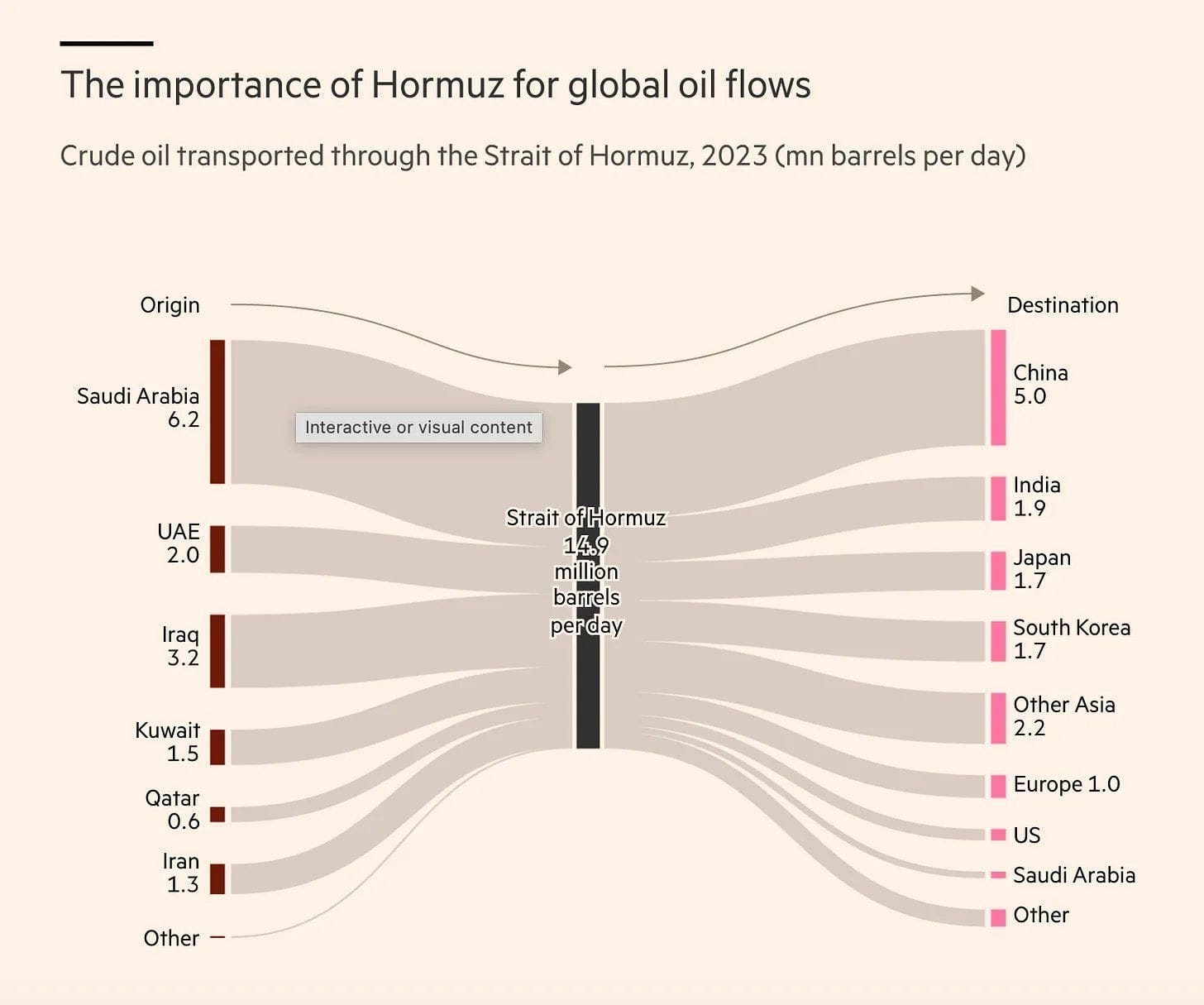
I. Asia Depends Most On The Strait Of Hormuz
The Strait of Hormuz remains the world’s most critical oil chokepoint. Roughly 15–17 million barrels of crude pass through the narrow waterway each day, with the largest flows heading to Asia. China, India, Japan, and South Korea together account for the bulk of imports, underscoring how any disruption in the Persian Gulf would reverberate most strongly across Asian energy markets.
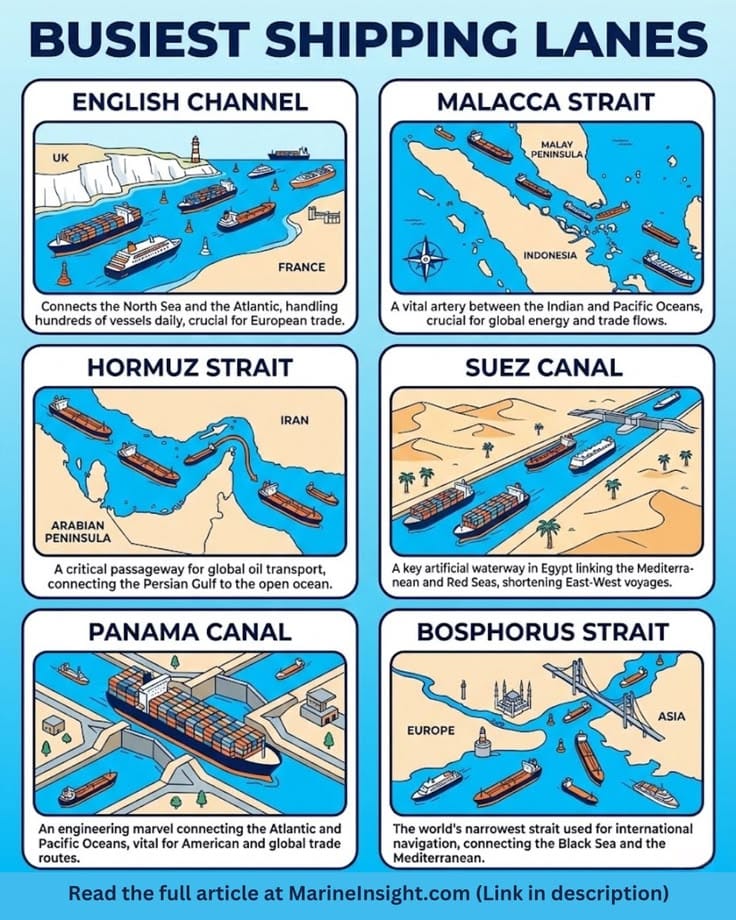
II. The World’s Busiest Shipping Chokepoints
Global trade moves through a handful of narrow maritime corridors that act as economic lifelines. The Strait of Hormuz, Malacca Strait, Suez Canal, Panama Canal, and the English Channel handle vast volumes of energy and goods linking major regions of the world. Any disruption in these chokepoints can quickly ripple through global supply chains and commodity markets.
editor-tippinsights@technometrica.com