Editor's Note: This article argues that Trump’s tariffs are not just a bargaining tool but a long-term plan to reshape global trade. Some see this as risky, while others believe it will strengthen American industry. We share it to encourage discussion as his trade policies take shape.
By Ian Bremmer - Project Syndicate | Mar 10, 2025
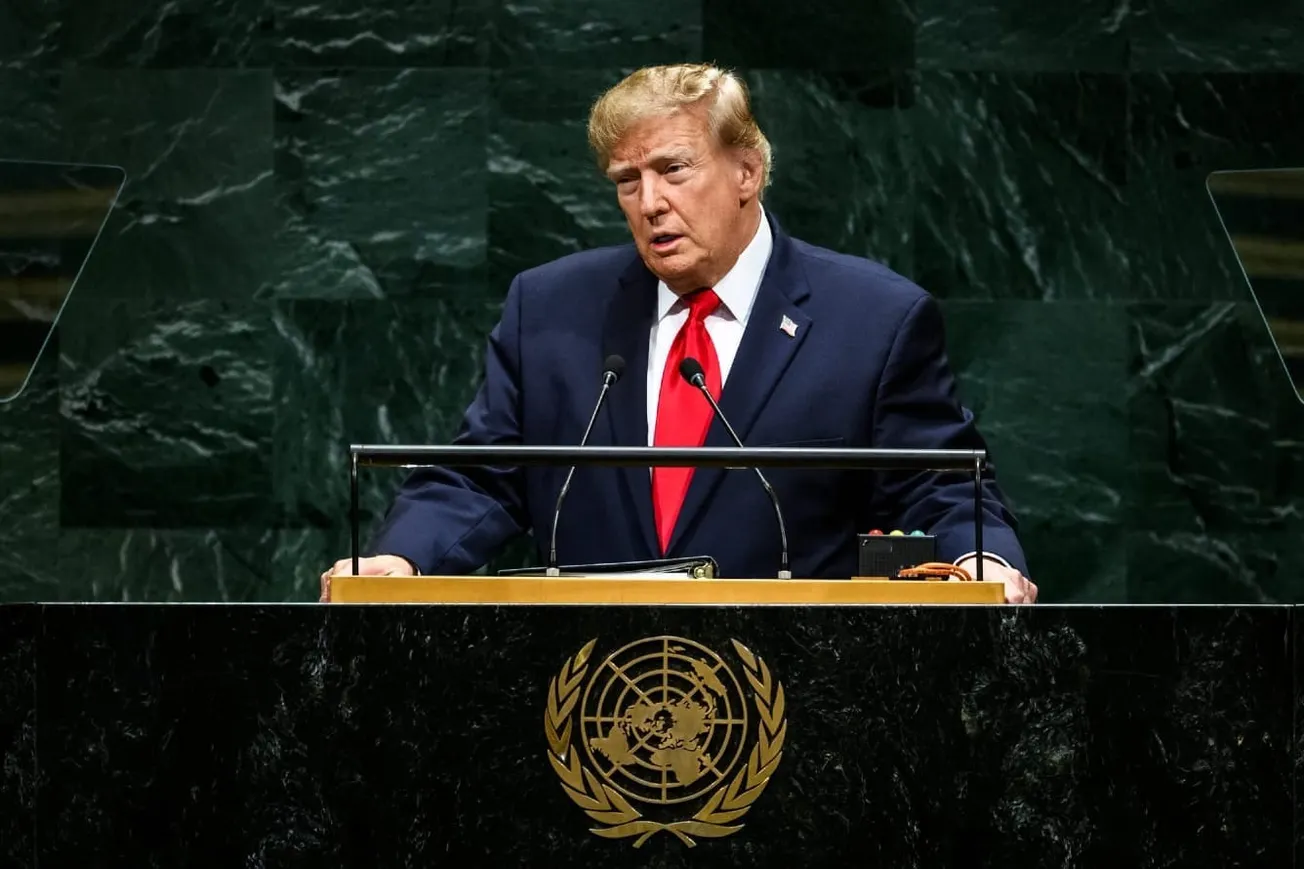
Donald Trump’s immediate, aggressive use of import tariffs has revealed a fundamental difference between his first and second term. Far from a mere negotiating strategy, the goal this time is to replace a global rules-based system of managed economic integration with coerced decoupling.
The decision allows the tariffs, imposed in February under Section 122 of the Trade Act, to remain in effect as the court reviews whether the administration acted within its legal authority.
Supply disruptions affecting major producers, including instability in the Middle East and constraints on Russian exports, have increased demand for American crude among buyers seeking reliable alternative supplies.
According to Trump, the effort enabled more than 100 million barrels of oil to reach global markets while helping to prevent sharp increases in fuel prices.
Federal prosecutors previously charged him with racketeering-related offenses and alleged support for terrorist activities, while the U.S. State Department had offered a reward for information leading to his capture.
The decision marks a significant victory for consumer advocates who opposed earlier proposals to increase the delay threshold before compensation becomes available.