
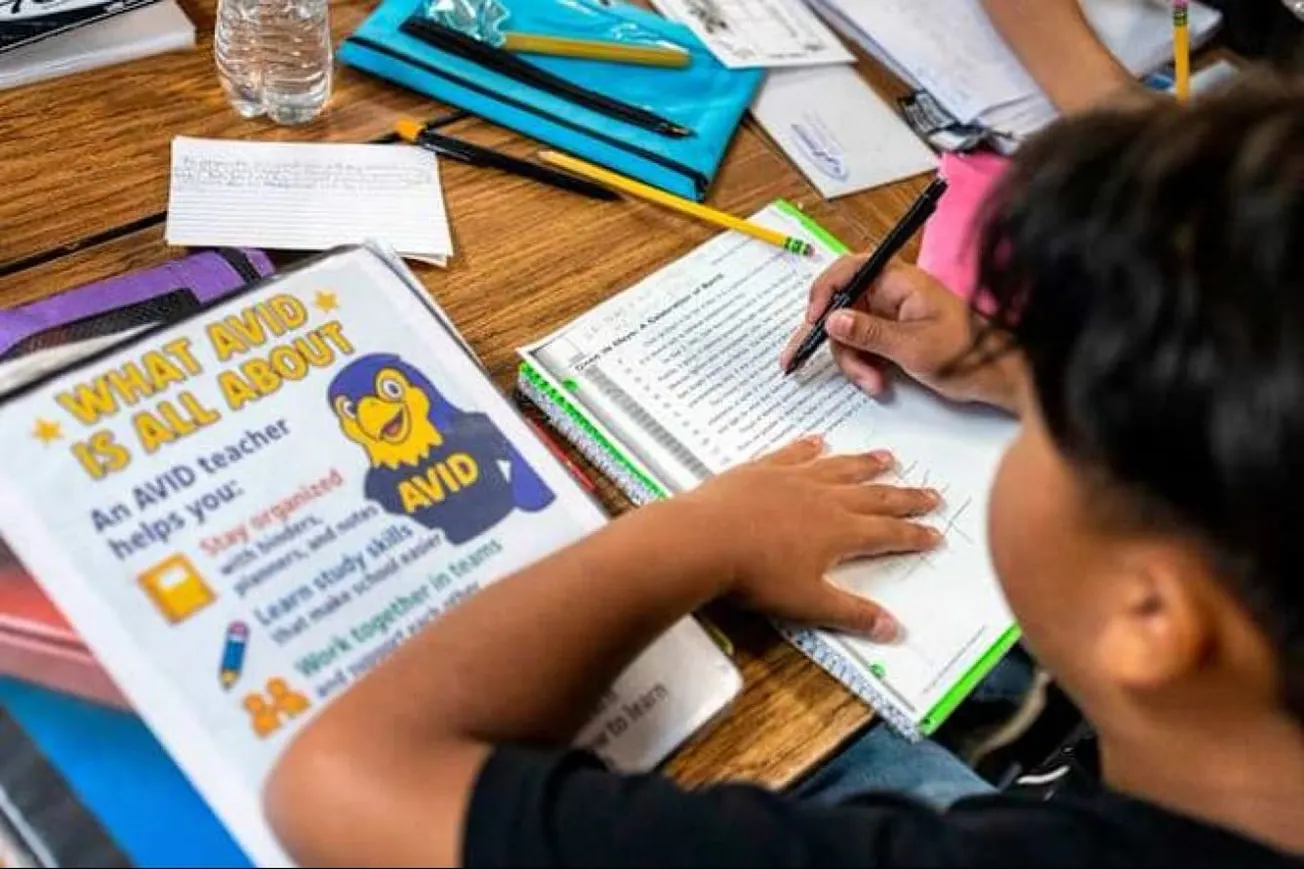
New federal education data shows a growing divide in academic recovery following the pandemic, with younger students making significant gains while teenagers continue to struggle in reading and mathematics.
The latest assessment results indicate that 9-year-olds have largely regained pre-pandemic reading performance and posted improvements in math.
Education experts point to the timing of school closures as a major factor. Many of today’s 13-year-olds experienced prolonged disruptions during formative years of learning, while younger students entered school as classrooms reopened and were less affected by remote instruction.
Meanwhile, just 58% of students in the age group met established reading benchmarks, underscoring ongoing literacy challenges.
Education leaders say the findings raise important questions about how schools support students during the middle school years.
With national assessments scheduled to be paused for several years following federal budget reductions, policymakers and educators may have limited nationwide data available to measure future progress until testing resumes in 2033.
Related Tweet:
Teens' reading and math scores have stagnated, US test results show https://t.co/4y6YupYKom
— Local 4 WDIV Detroit (@Local4News) June 10, 2026
Also Read:
 TIPP Staff