
Skip to content
Photo by Bo Zhang / Unsplash

The United Arab Emirates has announced it will exit the Organization of the Petroleum Exporting Countries (OPEC) effective May 1, delivering a setback to the oil producers’ group, according to official statements.

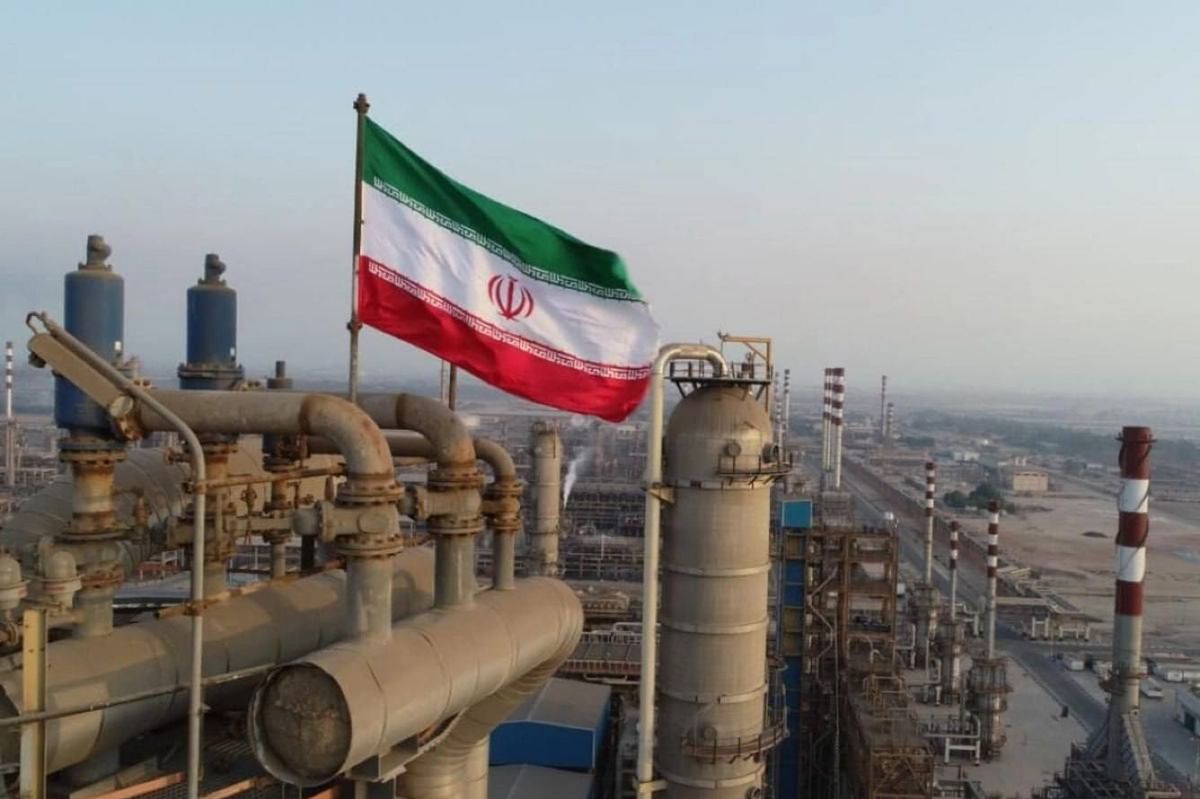
The move follows weeks of missile and drone attacks by Iran and ongoing disruptions caused by Tehran’s blockade of the Strait of Hormuz, which has constrained the UAE’s oil exports. The report said these pressures have raised concerns over the country’s economic stability.

The UAE energy ministry said the decision came after a review of production strategy and future capacity, emphasizing national interest.

The UAE was OPEC’s third-largest producer and has been a member since 1967.

Also Read:

Oil Prices Surge As U.S. Weighs Iran Proposal
Oil prices climbed sharply and global markets showed mixed signals as the White House weighed Iran’s latest proposal to ease tensions, according to CBS News. Brent crude rose more than 2 percent, crossing $111 per barrel, extending gains driven by uncertainty over the ongoing conflict. The proposal from Tehran

Comments

Latest

Trump And Xi Open High-Stakes Beijing Summit

Trump And Xi Open High-Stakes Beijing Summit

Trade is expected to dominate the talks, with discussions reportedly focused on extending the existing trade truce, easing export restrictions, and creating new U.S.-China trade and investment boards.

Members Public
What Is Driving Higher Food Prices Beyond Gas Costs

What Is Driving Higher Food Prices Beyond Gas Costs

Americans paid more for groceries in April as food inflation accelerated, though economists said rising gasoline prices tied to the Iran war were only part of the problem. According to Labor Department data, prices for food consumed at home rose 2.9% from a year earlier, the highest annual increase

Members Public