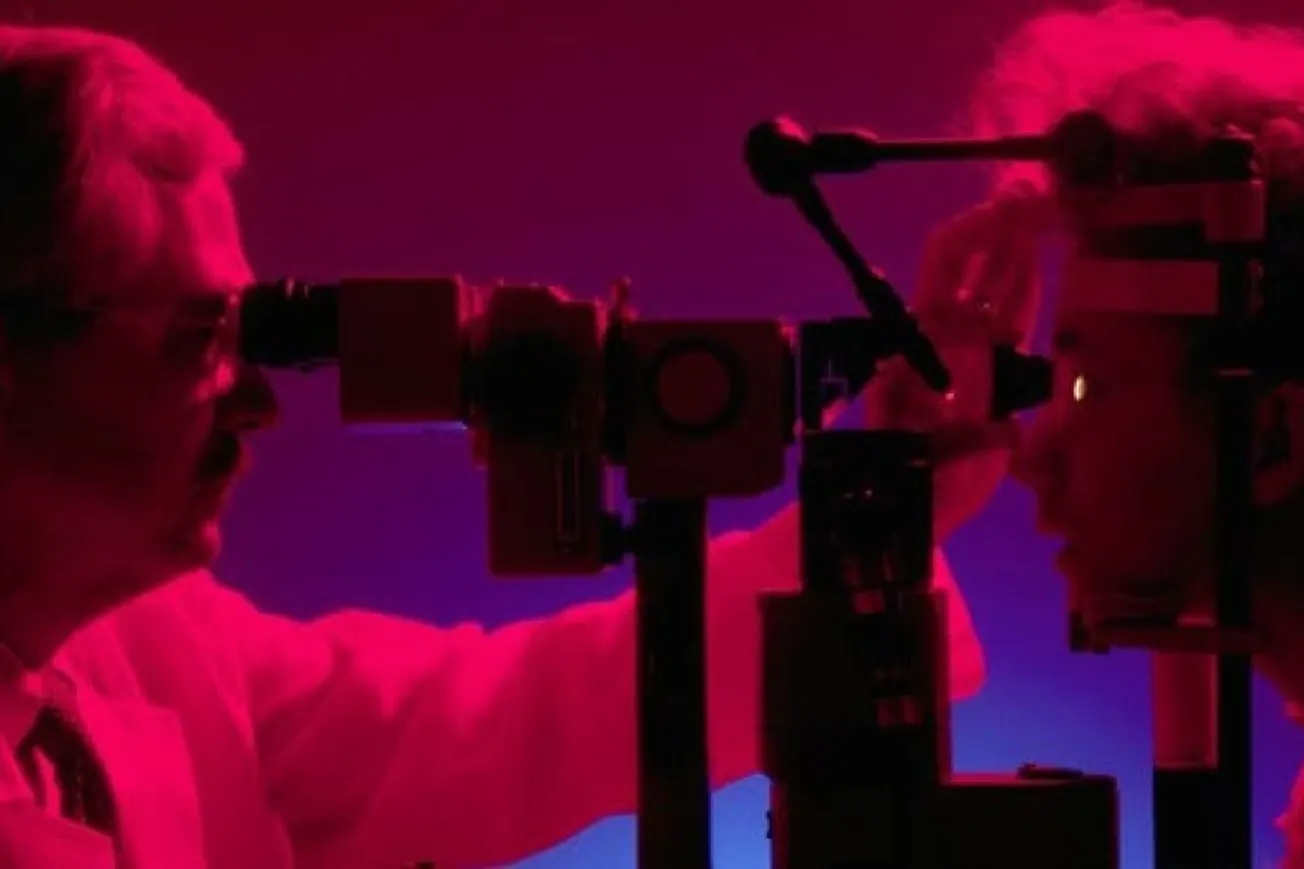
Thousands of lawsuits have been filed against Eli Lilly and Novo Nordisk over allegations that their popular GLP-1 medications can cause a rare condition known as non-arteritic anterior ischemic optic neuropathy, or NAION.
The condition, sometimes described as an “eye stroke,” can cause sudden and potentially permanent vision loss. At least 4,000 related complaints have been consolidated as litigation continues.
The scientific evidence, however, has not established that GLP-1 medications directly cause NAION.
Novo Nordisk has added a warning about NAION to European labels, estimating the risk at about one case per 10,000 patients. U.S. regulators have not imposed a similar labeling requirement. Both Novo Nordisk and Eli Lilly dispute claims that their medications have a significant connection to the condition.
The lawsuits allege that drugmakers failed to adequately communicate potential risks, while the companies maintain that their medicines are safe and appropriately regulated. The litigation remains ongoing as researchers continue studying the reported association.
Related Tweet:
Patients are suing GLP-1 drugmakers over the risk of sudden vision loss. The little-discussed potential risk of popular diabetes and weight-loss drugs is on warning labels outside of the U.S. https://t.co/wnsPPG5L4o
— The Wall Street Journal (@WSJ) September 20, 2026
Also Read:
 TIPP Staff