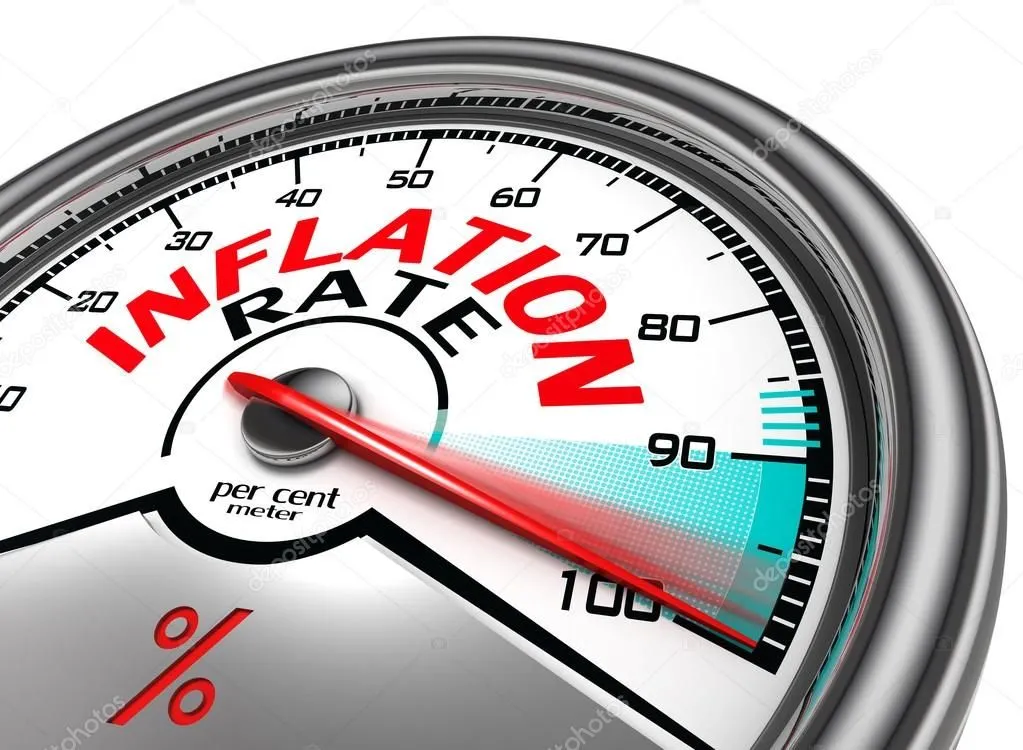
In the August IBD/TIPP Poll, 82% are worried about inflation. Price increases in energy, food, and groceries can cause a perceptual shift, causing consumers to cut back on their spending.
Low-income households are unable to absorb price increases, particularly for necessities such as food, energy, and shelter, because they consume a large portion of their income. Sharp inflation is likely to impact retirees as well, as the purchasing power of the dollar declines.
To boost liquidity, the Fed has been purchasing $120 billion in government-backed bonds each month -- $80 billion in Treasury debt and $40 billion in mortgage-backed securities. The inflation data will be one of the critical inputs in the Fed's decision to taper its asset purchases.
The Federal Reserve believes that long-run inflation of 2%, measured by the annual change in the price index for personal consumption expenditures, is most consistent with its maximum employment and price stability mandate.
August is the fifth month above the Fed's target.
We are in an uncertain time. There are two camps of economists. One believes that inflation is transitory, and the other thinks that with the current level of spending and stimulus, inflation is here to stay for an extended period. No one knows who is correct.
Persistent inflation is likely to frighten politicians – putting a stop to their insatiable appetite for spending and taxes, and restoring some semblance of austerity.
Inflation affects all Americans across parties and ideologies. If consumers experience protracted inflation without attendant wage increases, the problem may resonate with midterm voters in 2022.
“This historic guidance cuts through outdated classifications and gives qualifying creators greater clarity as they build businesses, create jobs, and compete and build for the future,” Loeffler said.
Trump’s order waives specified provisions under Sections 102 through 117 and directs the US Trade Representative to monitor purchases of Russian energy and report circumstances that may warrant further action.