Every time conflict erupts in the Persian Gulf, the same fear returns. Will oil stop flowing? Will tankers halt? And what will it mean for the global economy? Much now depends on whether a maritime cordon sanitaire can keep the region’s vital shipping lanes open.
The United States has faced a version of this problem before. In 1801, American merchant ships were seized by the Barbary pirate states of North Africa. President Thomas Jefferson responded without a formal declaration of war, launching a naval campaign that lasted four years to secure freedom of navigation.
Today the challenge looks different, but the principle is familiar. Iranian forces and their proxies have threatened merchant shipping across the region, from attacks on tankers in the Gulf to disruptions in nearby sea lanes. Once again, commerce has become a battlefield.
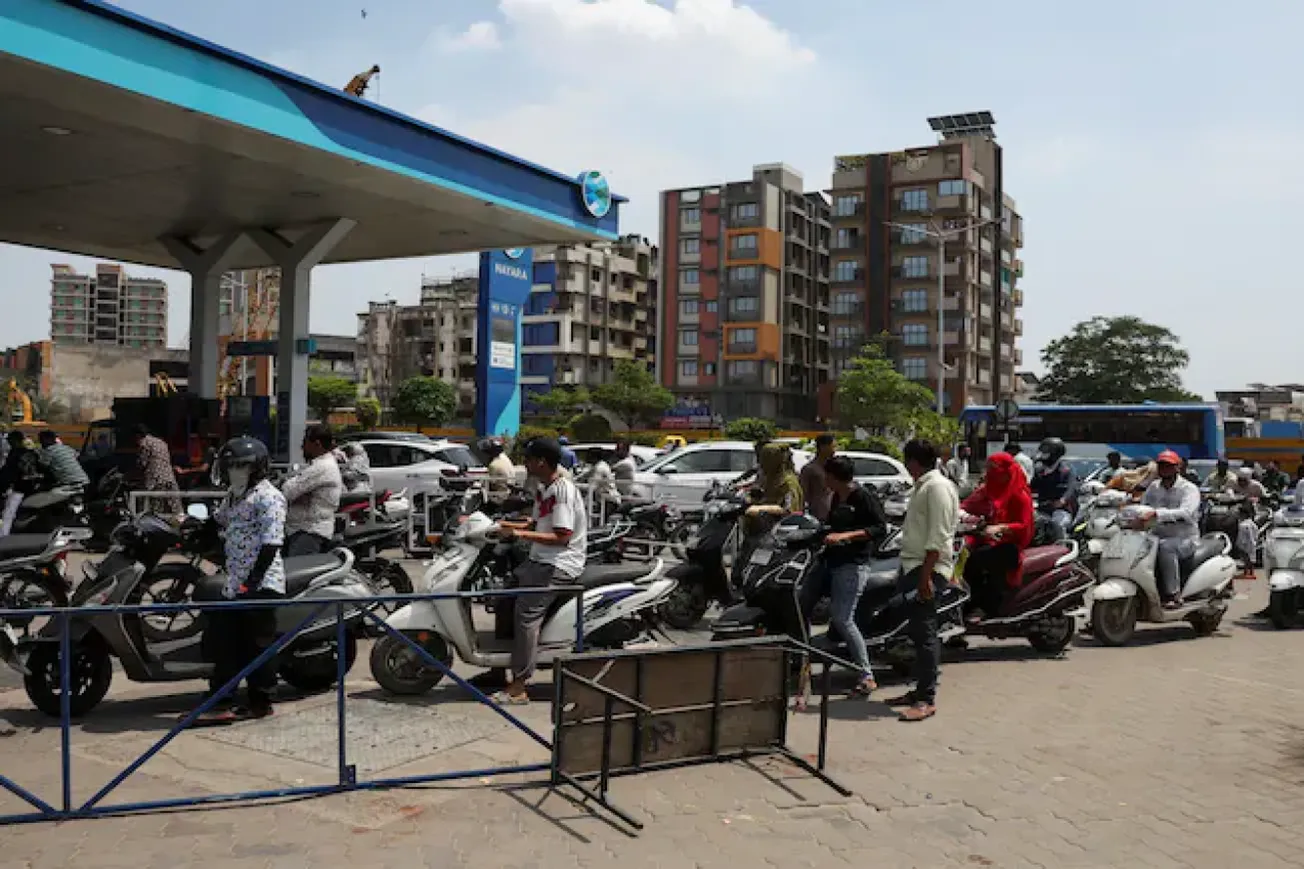
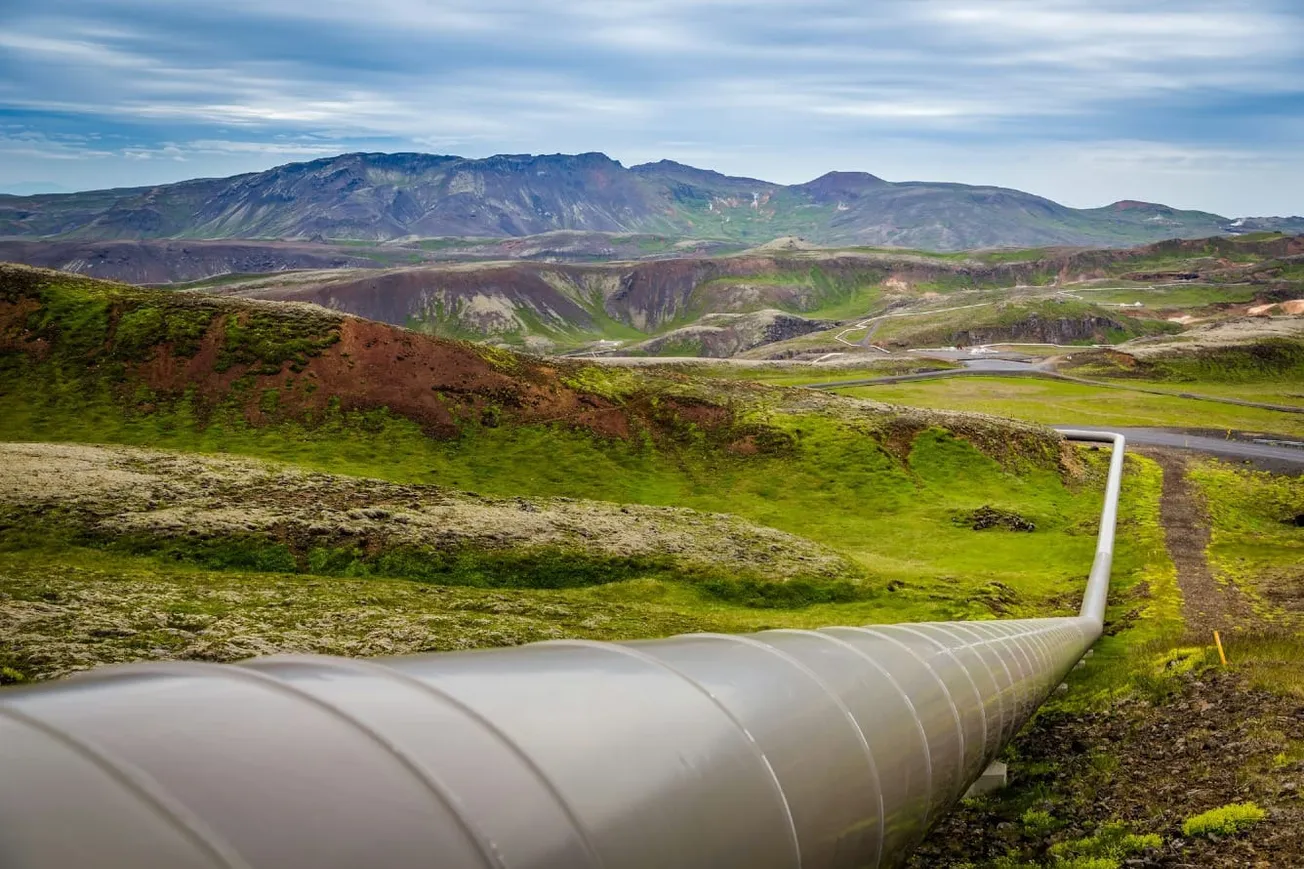
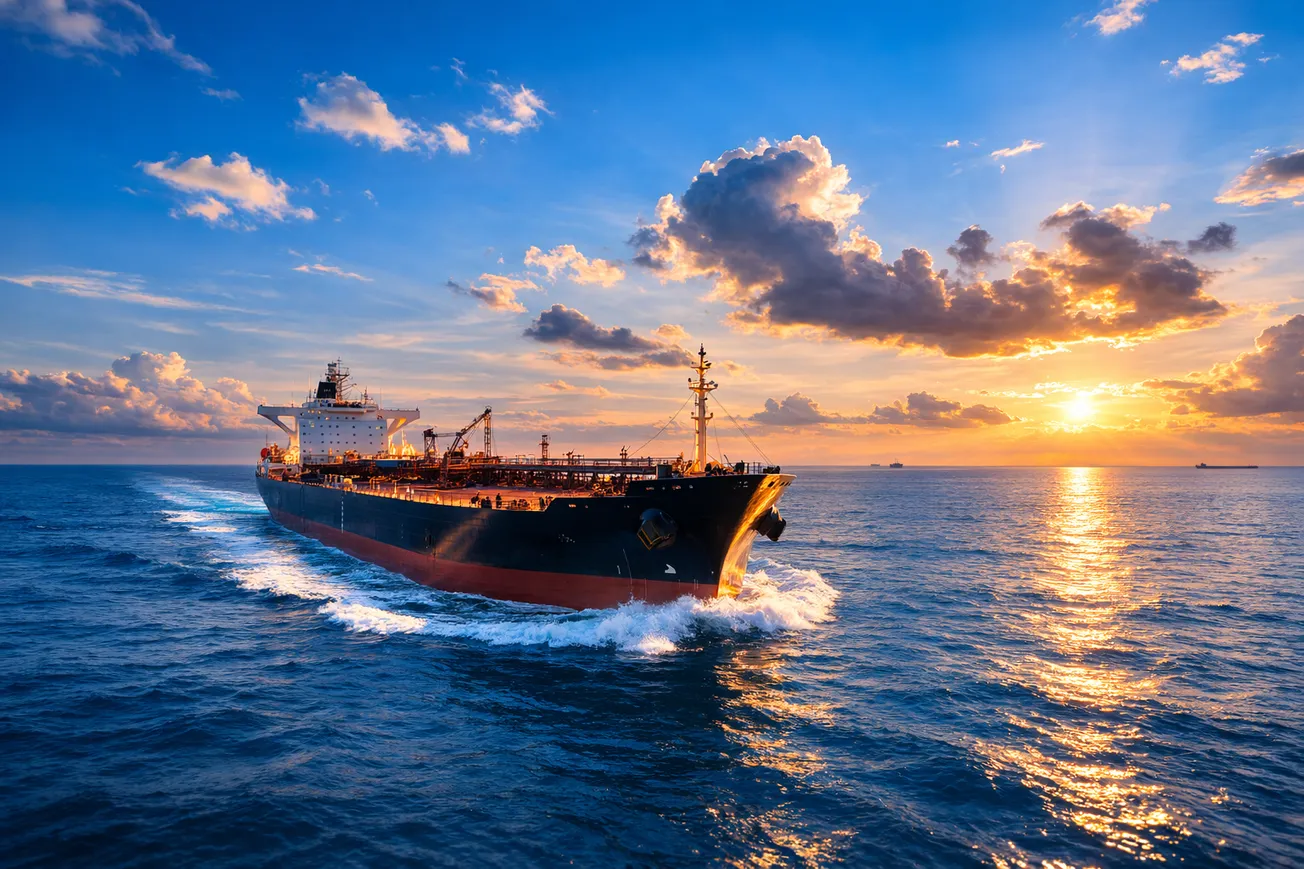
That fear is understandable. The Strait of Hormuz remains the world's most important energy passage. Nearly one-fifth of global oil moves through that narrow corridor. When tensions grip the region, energy markets react instantly.
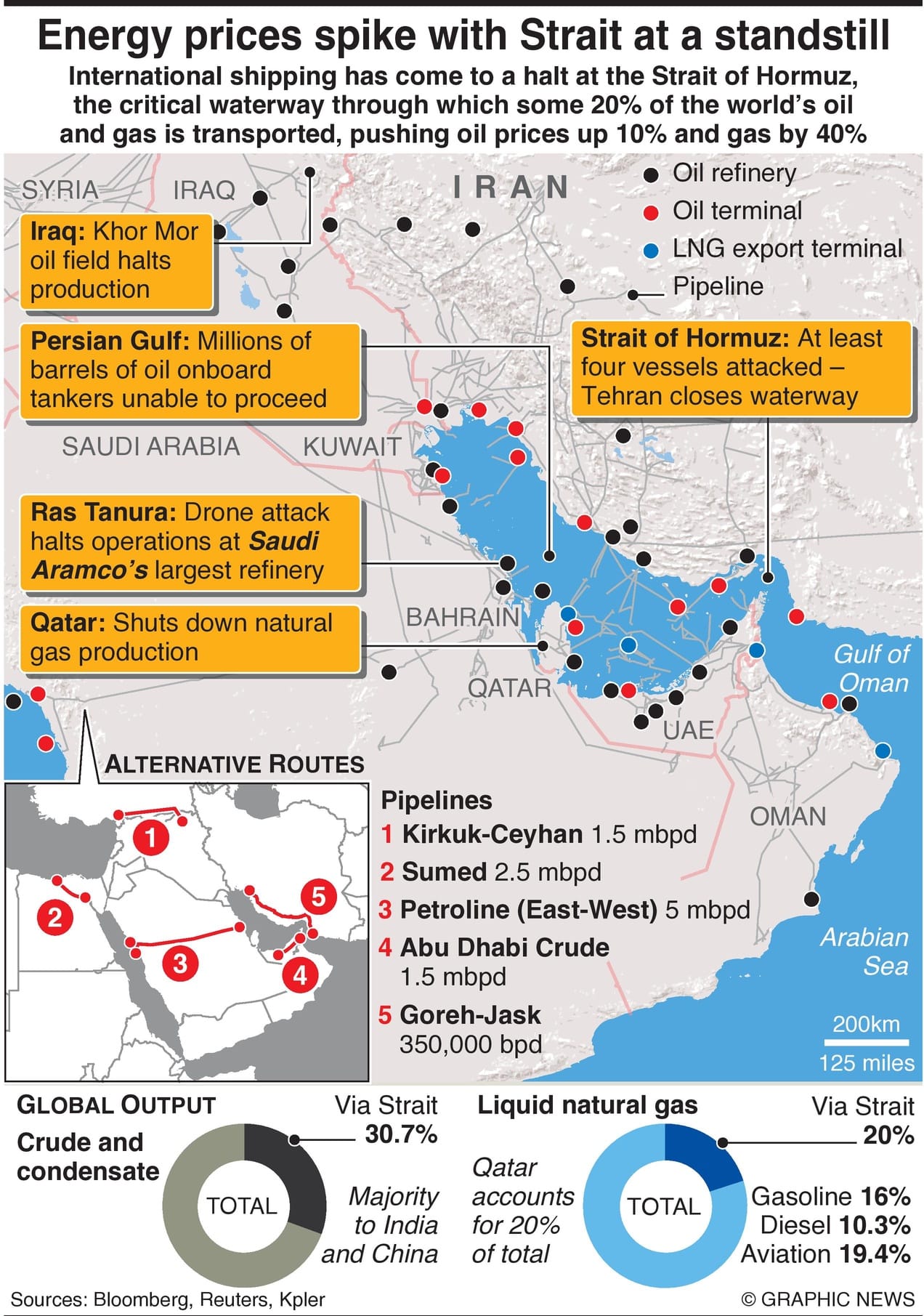
Since late February, Iran has effectively closed the Strait of Hormuz through threats, attacks on vessels, and warnings that passing ships would be targeted. Tanker transits have nearly stopped. Traffic has dropped by 80–90% in recent days, with hundreds of vessels anchored away from the Strait. Private war-risk insurers have withdrawn or drastically scaled back coverage, sending premiums soaring. Oil prices have surged sharply, with Brent crude climbing over 8% on March 6 to close around $91 per barrel amid fears of prolonged blockage.
All of this sounds familiar to anyone who has watched past crises in the region.
However, unlike in the past, there’s a notable difference. The global energy system is demonstrating how quickly it can adapt.
For instance, the first major response came from Washington on Friday. The administration announced a $20 billion maritime reinsurance facility—covering war risks and other losses on a rolling basis—administered by the U.S. International Development Finance Corporation (DFC) in coordination with the U.S. Department of the Treasury and military planners at United States Central Command. The program is designed to bridge the insurance gap left by private providers, restore confidence among shipowners, and help restart commercial traffic through the Gulf until markets and naval security measures stabilize.
The logic is simple. When private insurers hesitate to cover ships in dangerous waters, governments can step in temporarily to absorb part of the risk. The goal is not to subsidize shipping forever. It is to keep vital trade routes functioning until markets stabilize.
Washington has already shown similar flexibility elsewhere. The U.S. granted India a temporary 30-day waiver to continue purchasing Russian crude, allowing cargoes already at sea to be delivered and helping prevent additional strain on global energy supplies.
Modern energy markets are also far more flexible than they were during earlier oil crises. Liquefied natural gas shipments now move easily across continents. Tankers are rerouted when risks rise in one region. Traders quickly search for alternative cargoes and suppliers when disruptions appear. Even the threat of disruption often triggers adjustments long before real shortages occur.
Iran appears to understand this dynamic well. Tehran does not need to shut down global oil supplies to create permanent economic pressure. It only needs to inject uncertainty into the system.
Attacks on vessels, threats to infrastructure, and disruptions to transit routes can raise insurance costs, delay shipments, and push up market prices. Even without a full blockade, those pressures can ripple quickly through global energy prices.
Tehran has succeeded in its strategy. Even without a permanent full blockade, the current near-halt—driven by fear, drone strikes on vessels, and insurance paralysis—has already delivered much of that economic pressure, with prices spiking and global natural gas markets also tightening.
In other words, disruption itself becomes a strategic tool.
Yet history suggests that weaponizing energy rarely gives the long-term leverage its architects expect. The 1973 oil embargo pushed Western economies to diversify energy supplies.
Recently, Russia’s attempt to weaponize natural gas against Europe triggered the most aggressive energy diversification campaign the continent had ever undertaken. Within two years, the leverage Moscow had spent decades building was dissolving.
Each crisis produced the same response: Adaptation.
The current conflict may prove no different. Governments are coordinating across agencies and borders. Shipping networks are adjusting routes and recalculating risks. Energy markets are absorbing new uncertainties while continuing to move enormous volumes of fuel around the world.
None of this means the coming weeks will be calm. Energy prices will remain sensitive to developments in the region. Insurance costs are likely to stay elevated while the conflict continues.
But the broader lesson is encouraging. The global energy system has spent decades preparing for exactly this kind of disruption.
Energy shocks may bend the system. They rarely break it.
👉 Show & Tell 🔥 The Signals
The French Laundry Economy
Welcome To Gavin Newsom’s Hotel California
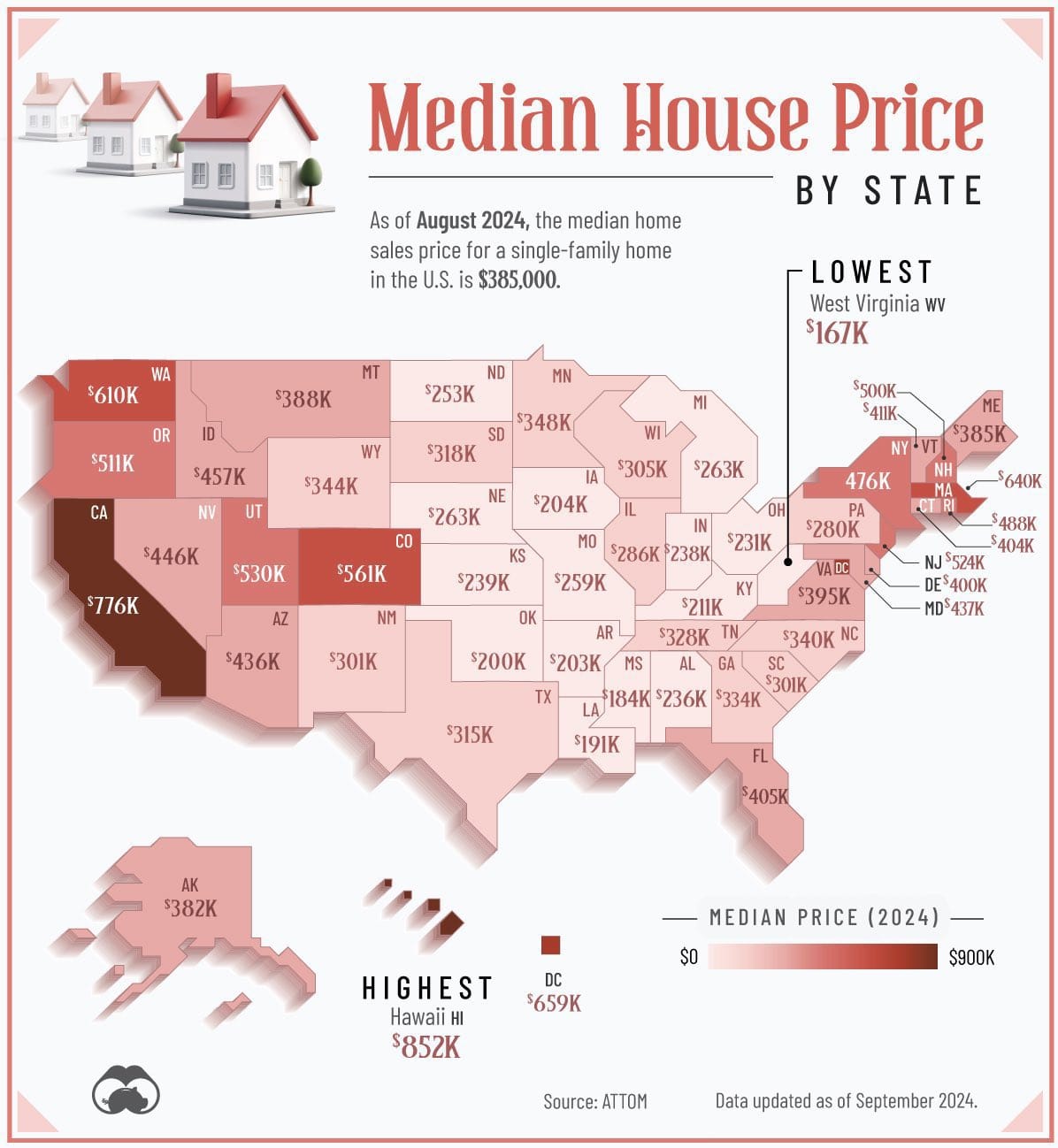
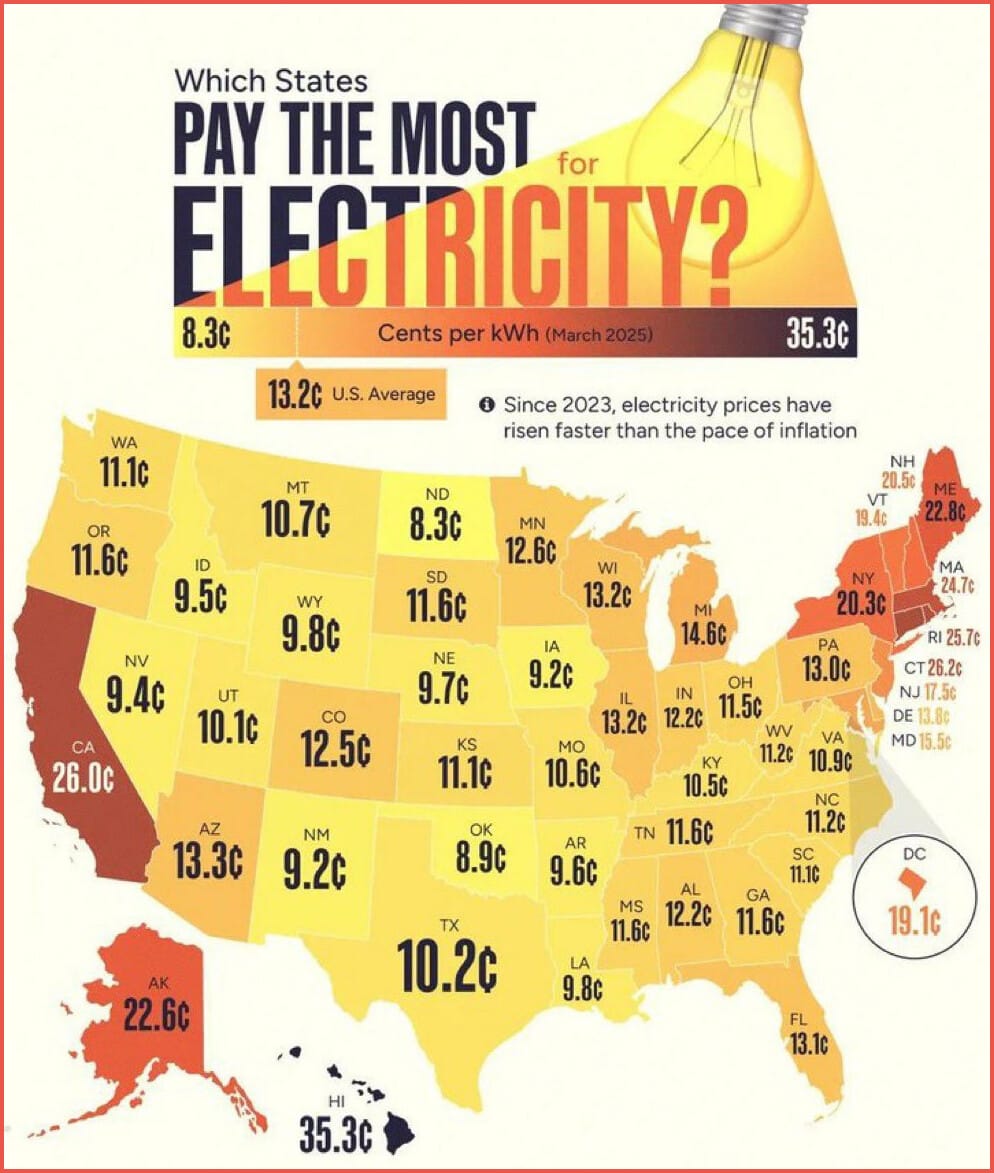
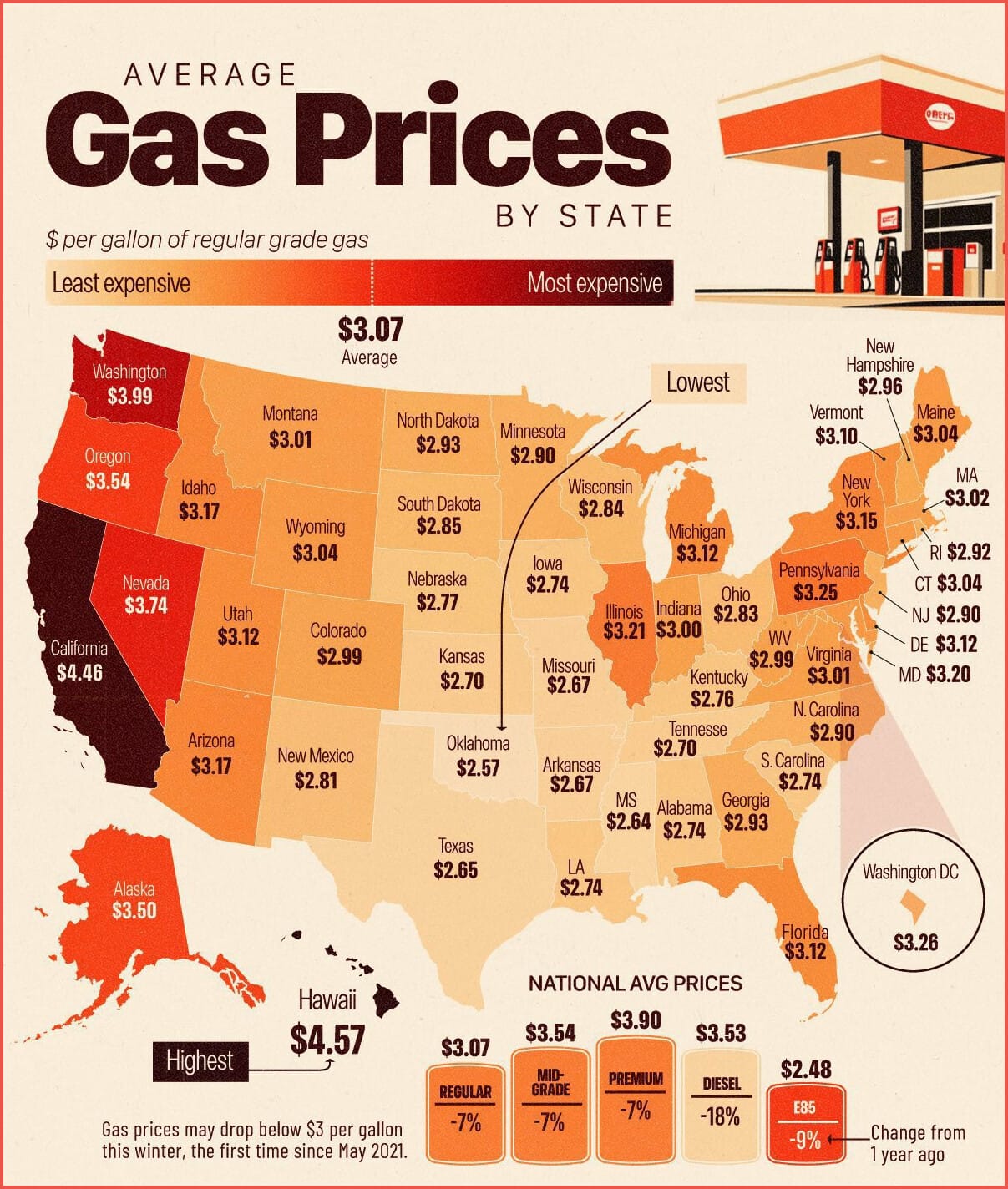
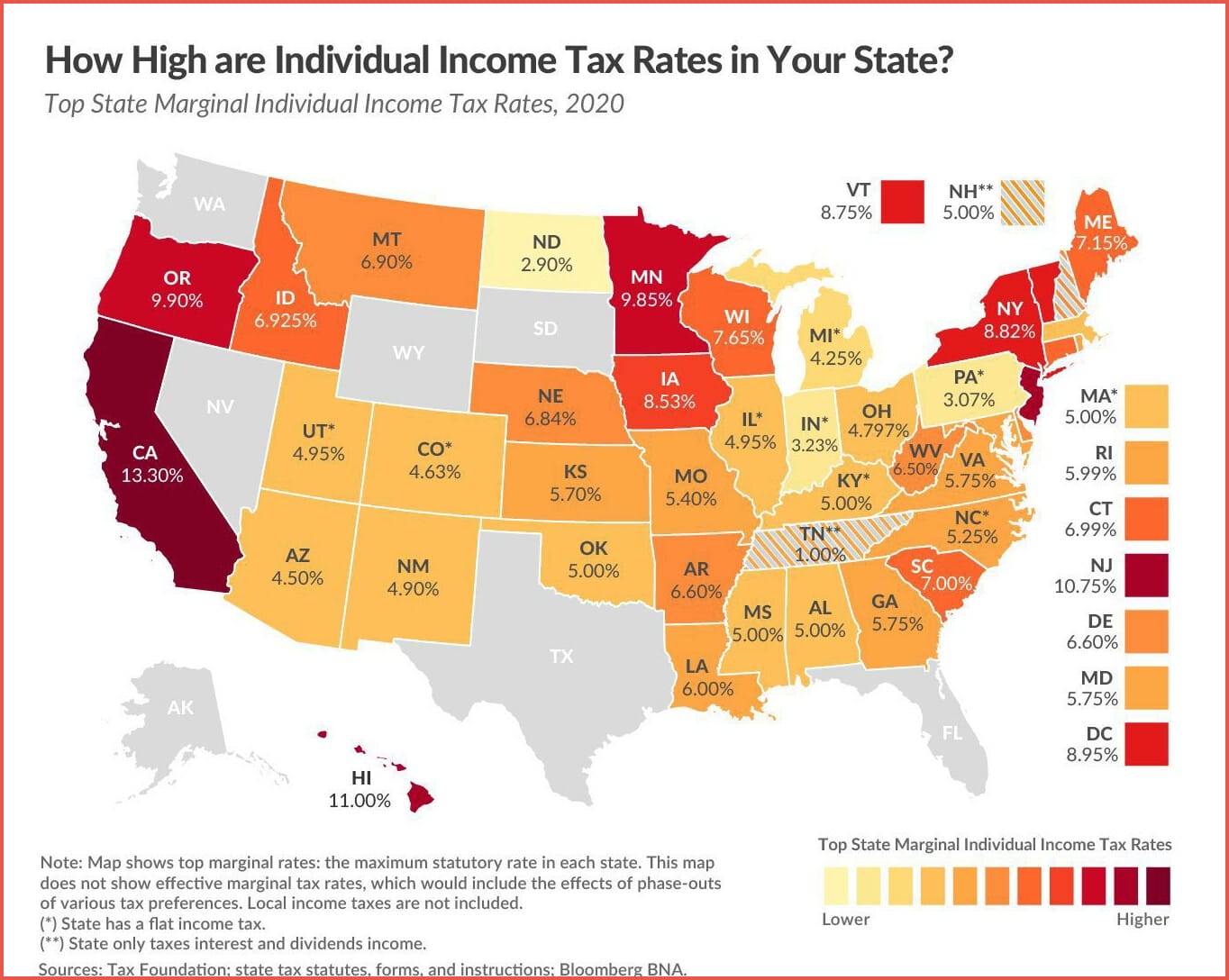
California now leads the nation in many of the costs that matter most to household budgets. Home prices, gasoline, electricity, water bills, and taxes all rank among the highest in the country, making the Golden State one of America’s most expensive places to live.
The contrast is striking. While Silicon Valley wealth and tech fortunes surge, everyday living costs continue to climb for ordinary residents. For many Californians, the Golden State increasingly resembles Hotel California: you can check in, but escaping the rising cost structure is another matter.
Source: Various state and federal data compilations | Via: @TheKevinDalton on X
The TIPP Stack
Handpicked articles from TIPP Insights & beyond
1. Iran’s Last Hope Is American Division—Ben Shapiro, The Daily Signal
2. Trump Demands Iran’s ‘Unconditional Surrender’—Virginia Allen, The Daily Signal
3. Stephen Miller: ‘America First’ Means US Will Be ‘Most Unquestioned, Unmatched Power’—Elizabeth Troutman Mitchell, The Daily Signal
4. The End To Deceptive Trumpian Diplomacy—Alastair Crooke, The Ron Paul Institute for Peace and Prosperity
5. Democrat Who Compared ICE To The Stasi Faces Ethics Complaint Over Program To Report Feds—Tyler O'Neil, The Daily Signal
6. Senate Eyes Supplemental Funding For Iran, But What About SAVE America Act?—Virginia Grace McKinnon, The Daily Signal
7. When Did Barbells And Political Hacks Become Sacred?—James Bovard, Mises Wire
8. Wisdom From Michelangelo On His Birthday—Tom Griffin, The Daily Signal
9. Why Trump Is Turning Up The Heat On The Senate—Reagan Campbell, The Daily Signal
editor-tippinsights@technometrica.com