
Do Americans support President Donald Trump's decision to seize Venezuela's leftist dictator Nicolas Maduro, despite a still-raging controversy in the mainstream media over the legality of the arrest? The answer is mostly yes, with some reservations, according to the latest I&I/TIPP Poll.
The national online poll of 1,478 adults was taken from Jan. 6 to Jan. 9, mere days after Maduro's Jan. 3 arrest by the U.S. military on charges of narco-terrorism conspiracy, cocaine importation conspiracy, and possession of illegal weapons. The poll has a +/-2.9 percentage point margin of error.
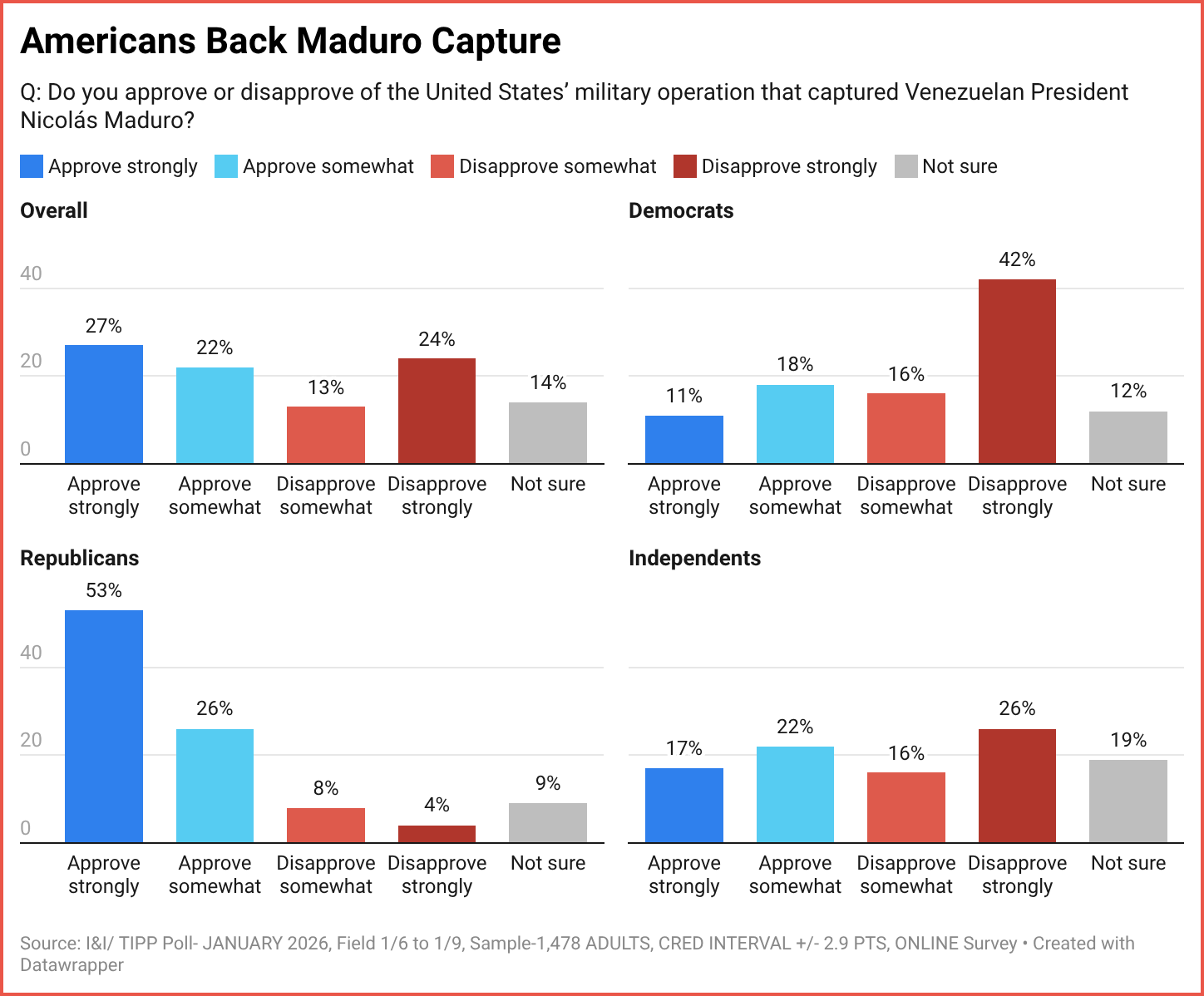
Specifically, I&I/TIPP asked Americans: "Do you approve or disapprove of the United States’ military operation that captured Venezuelan President Nicolás Maduro?"
Overall, a solid plurality of 49% said they either "approve strongly" (27%) or "approve somewhat" (22%) the arrest of Maduro, who seized power in 2013 after the death of previous strongman Hugo Chavez. The election that put Maduro into office was widely criticized by both left and right groups as fraudulent or "stolen."
But 37% said they either "disapprove somewhat" (13%) or "disapprove strongly" (24%) Maduro's arrest. Another 14% said they were not sure.
As is often the case these days, there are sharp political differences by party affiliation, perhaps due to what some have called the "Trump effect."
Democrats, for instance, opposed the military's grab of Maduro by 58% (disapprove) to just 29% (approve). Independents were close to breakeven when the margin of error is factored in: 39% approve, to 42% disapprove.
Republicans were the only political group in which those approving (79%) were a clear majority over those disapproving (12%).
One other demographic group that shows an interesting divergence: men and women. Among men, 60% approve of arresting Maduro, while just 33% disapprove; women are evenly split, 40% approve, 40% disapprove.
And how do American Hispanics feel? It might be surprising to some, but they overwhelmingly support going after Maduro: 56% approve, 30% disapprove, nearly 2-to-1.
Ideology, likewise, shows clear distinctions: Those who call themselves "conservative" give 77% approval, just 14% disapproval; moderates, deliver a small plurality of 43% approval, 38% disapproval; and only self-described liberals reject the Maduro arrest, with 25% approving, 68% disapproving.
So it's another bellwether issue between right and left.
As a follow-on question, I&I/TIPP also asked voters: "How important is each of the following as a U.S. priority going forward regarding Venezuela?" That was followed by five possible responses, with respondents asked to say whether each was "important" or "not important."
"Ending political repression and restoring democracy" was called important by 75%, while only 58% thought "Securing Venezuelan oil resources" was important. "Strengthening regional security" won the backing of 73%, while "Preventing China and Russia from gaining influence in Venezuela" found support from 70%.
Finally, "Avoiding further involvement" got 73% support, a sign that Americans might not see Maduro's arrest as a reason for ongoing involvement in the troubled Latin American narco-state.
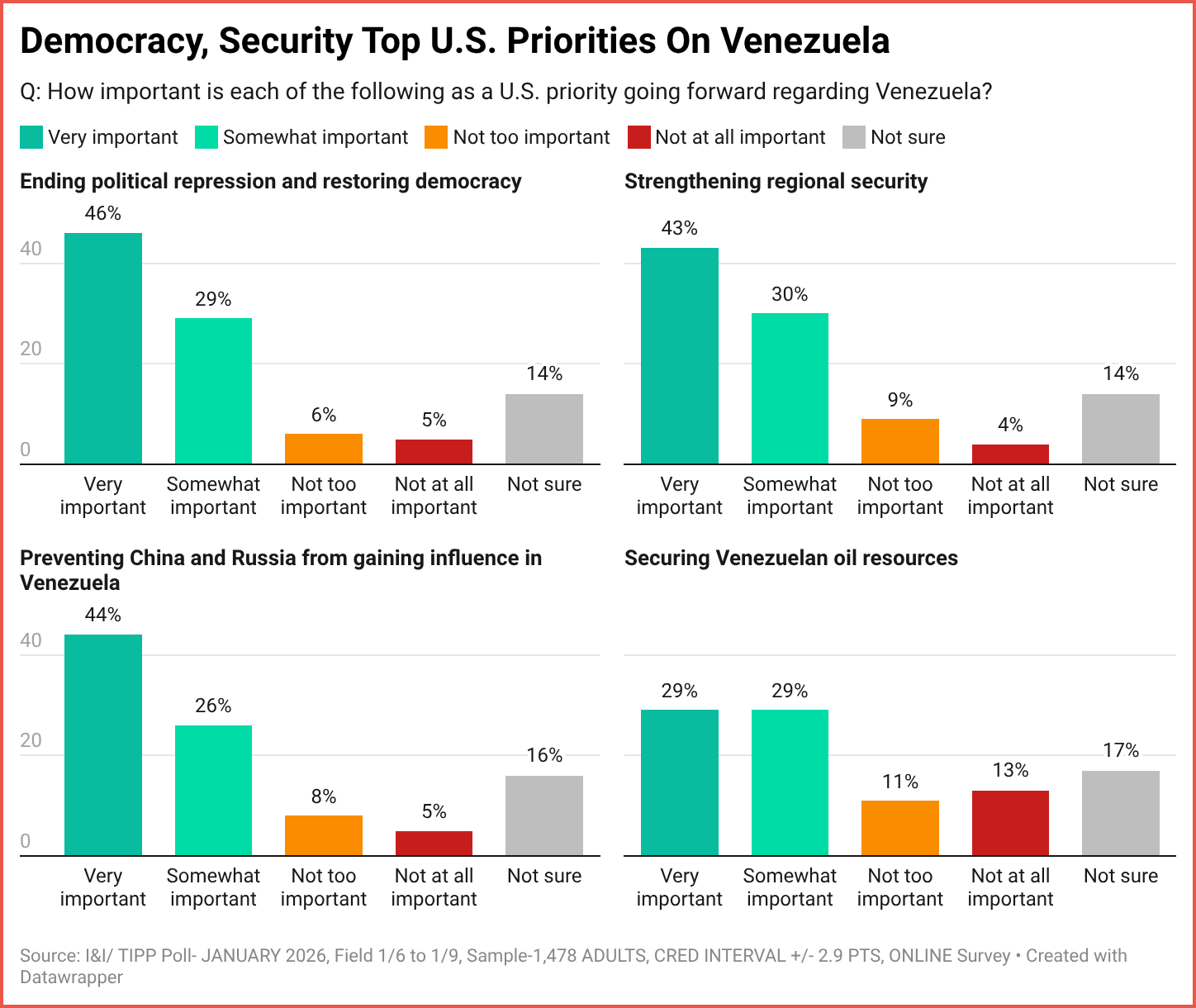
Significantly, there was considerable agreement — in this case, majorities of 60% or more — among all political parties on all of the responses but for one: "Securing Venezuelan oil resources." Both Democrats (46% "important") and independents (48% "important"), while still a plurality of their respective parties, were the only responses that were below 50%.
So, while the arrest of Maduro gets somewhat mixed reviews based on political affiliation, most Americans want the endgame to succeed.
Not so some activists on the left.
"BLM activists, New York City Mayor Zohran Mamdani’s Democratic Socialists of America (DSA) and other groups met with Maduro, spoke at events alongside him or became official observers for Venezuela’s heavily-criticized elections for more than a decade, according to the groups’ public statements and online posts documenting the meetings," reported the Daily Caller.
"Some of the same organizations called for protests in the U.S. against the Trump administration’s Jan. 3 arrest of Maduro and his wife on drug and weapons charges," the Daily Caller added.
But will average Americans continue to support Trump's actions in Venezuela?
It seems highly likely, especially if political changes bring major reforms to the country's socialist economy and improve long-suffering Venezuelan citizens' lives.
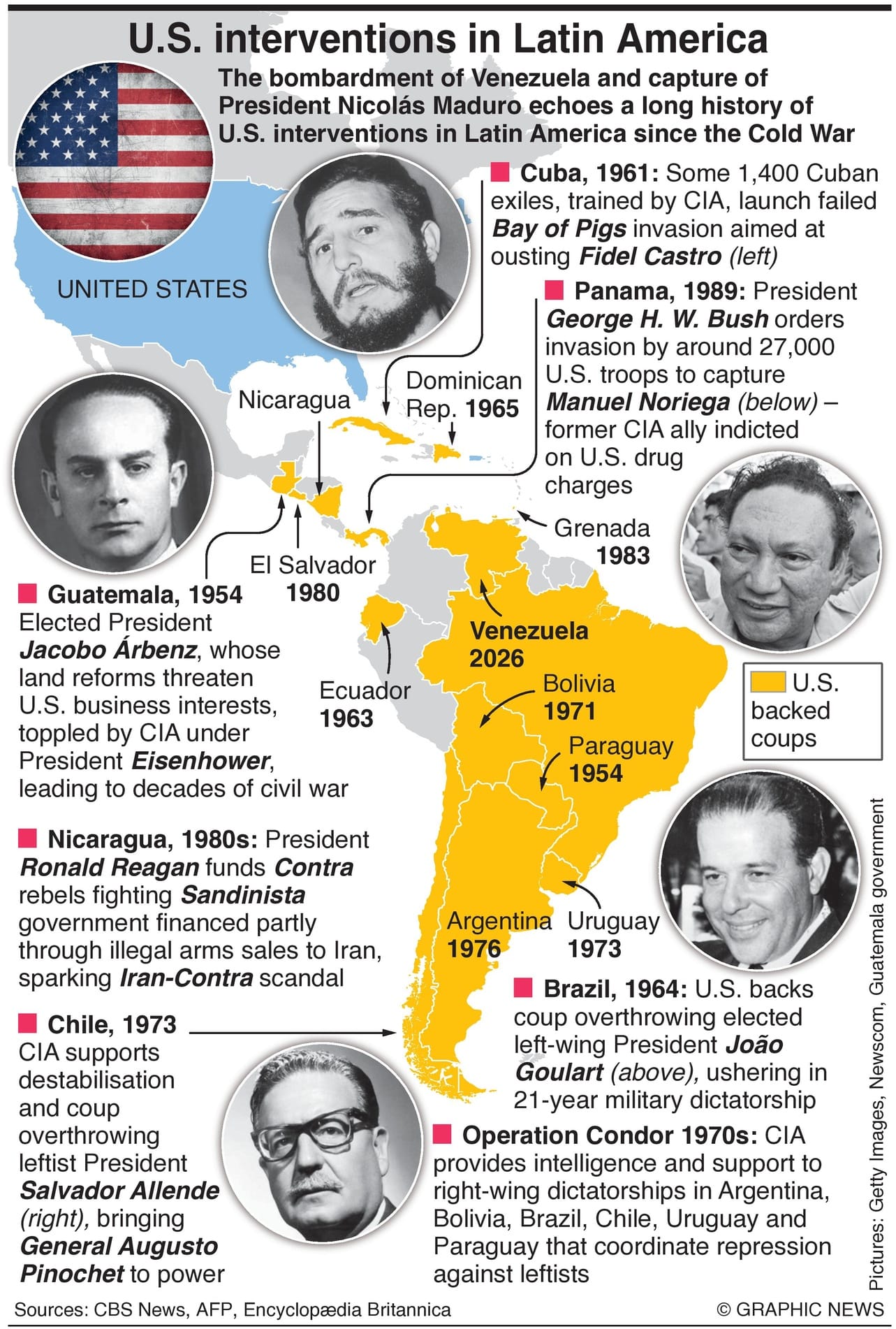
But voters will also likely be reminded in coming weeks and months that the main reasons for grabbing Maduro was to end the flow of deadly drugs and to reverse the flood of Venezuelan refugees (an estimated 20% of Venezuela's population has fled Maduro's illegitimate authoritarian regime). That seems to be the bottom line, both for the White House and for most Americans.
To accomplish all this, the U.S. has established what Secretary of State Marco Rubio calls a "quarantine" on Venezuela's oil, which enables the U.S. to force reforms without sending in thousands of troops. That should buy time for political changes to be made in Venezuela's government.
Meanwhile, as the I&I/TIPP Poll shows, Americans in 2026 clearly hope for the best for the Venezuelan people, and expect U.S. policies to bring about changes there.
I&I/TIPP publishes timely, unique, and informative data each month on topics of public interest. TIPP’s reputation for polling excellence comes from being the most accurate pollster for the past six presidential elections.
Terry Jones is an editor of Issues & Insights. His four decades of journalism experience include serving as national issues editor, economics editor, and editorial page editor for Investor’s Business Daily.
👉 Quick Reads
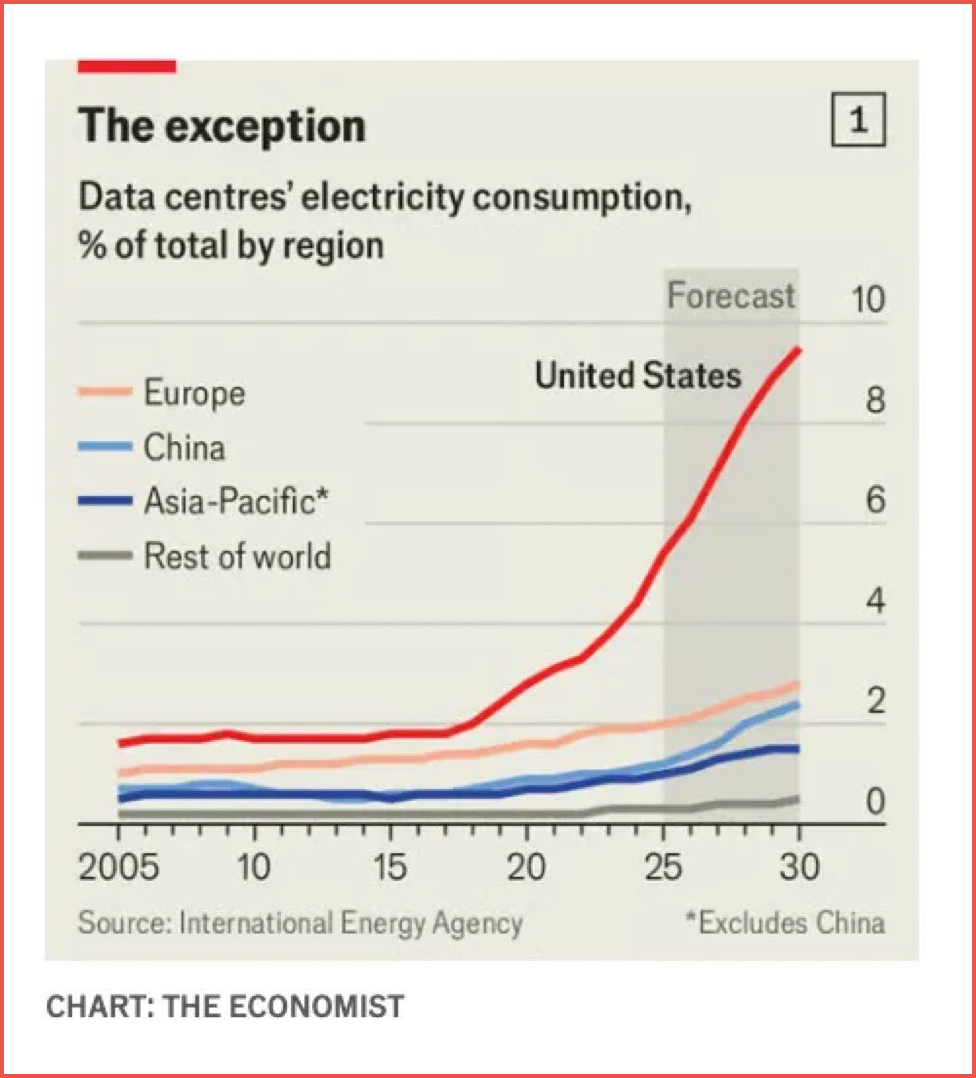
I. America’s Data Centers Are Becoming a Power Problem
By 2030, U.S. data centers are projected to consume nearly 10 percent of the nation’s electricity, far more than any other major region and roughly four times China’s share. The surge reflects explosive growth in cloud computing and AI, raising urgent questions about grid capacity, energy investment, and whether power supply can keep up with digital demand.
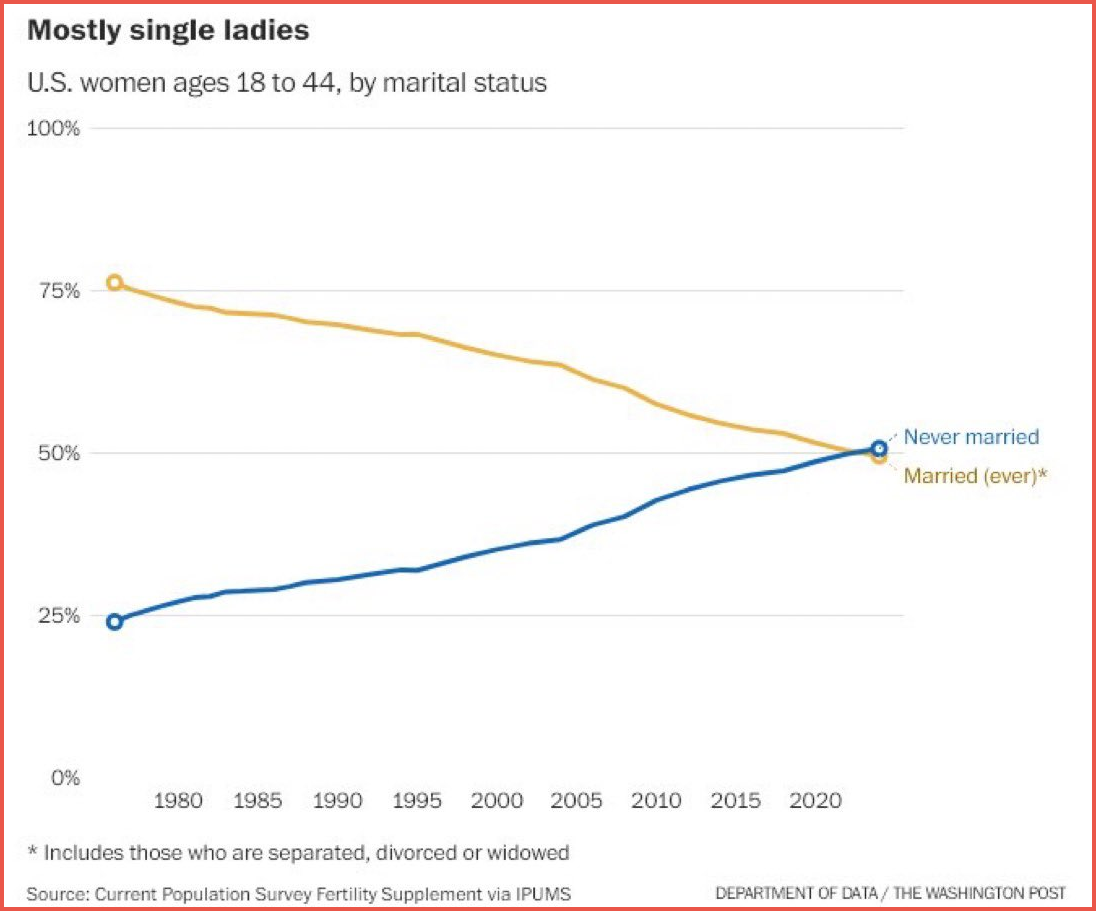
II. Most Young Women In America Are Now Single
Over the past four decades, the share of U.S. women ages 18 to 44 who have never been married has steadily risen, while the share who have ever been married has fallen to roughly the same level. The shift reflects later marriage, changing social norms, economic pressures, and longer periods spent single rather than a sudden cultural break.
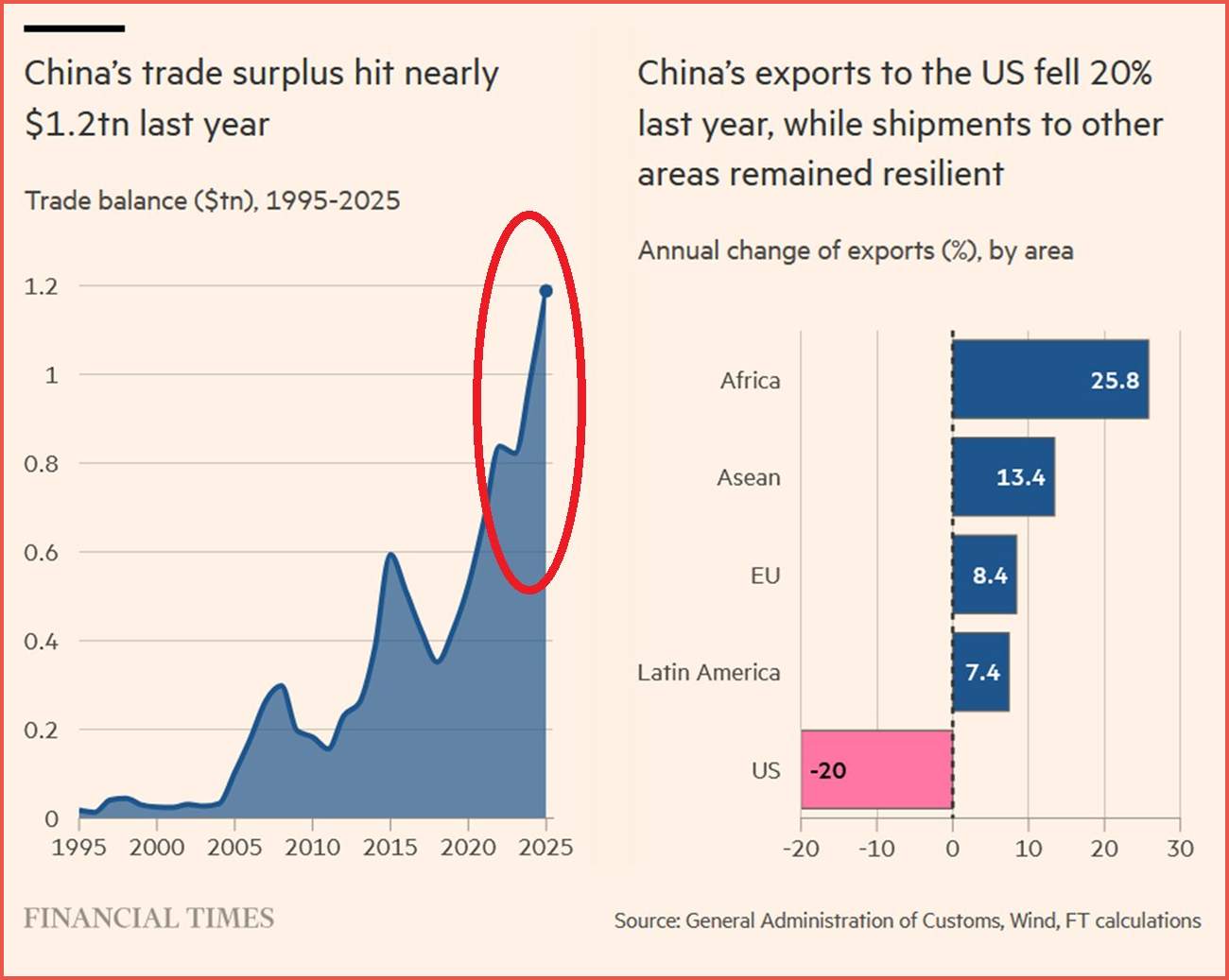
III. China’s Trade Surplus Hits A Record Despite U.S. Tariffs
China’s trade surplus surged nearly 20 percent in 2025 to a record $1.2 trillion, even as exports to the United States fell sharply. The shortfall was more than offset by strong gains in Africa, Southeast Asia, and Europe, showing how China has rerouted trade flows rather than reduced them. Tariffs reshaped where China sells, not how much it sells.
editor-tippinsights@technometrica.com