Apple has agreed to a $250 million settlement in a U.S. class action lawsuit tied to delayed artificial intelligence features promised for Siri and its Apple Intelligence platform.
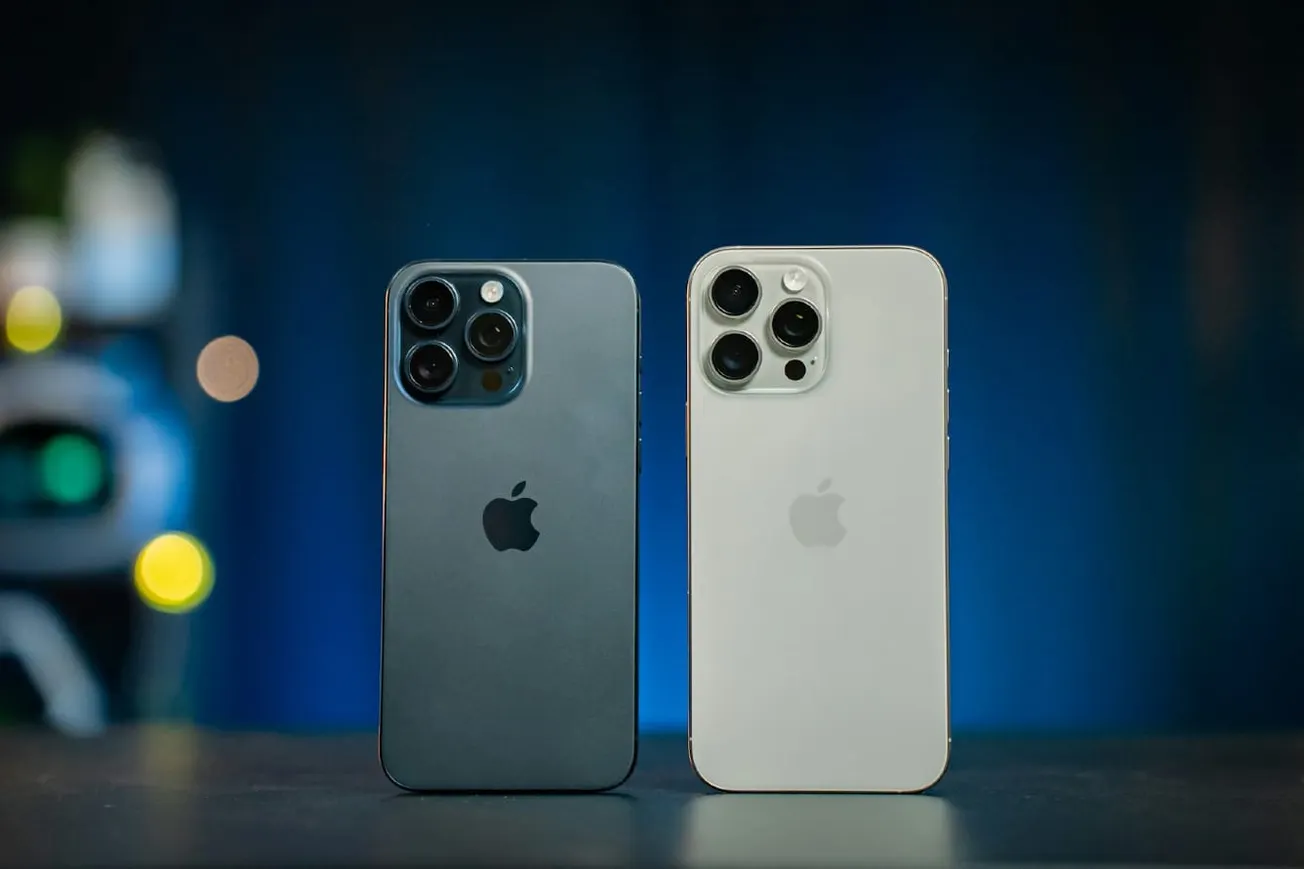
The lawsuit alleged that Apple promoted advanced AI capabilities for the iPhone 16 lineup before the features were ready for release. According to the complaint, customers purchased devices expecting upgraded Siri functions that did not arrive as advertised.
Apple reaches $250mn settlement over delayed ‘AI Siri’ https://t.co/jhlvqb6G3A
— Financial Times (@FT) May 5, 2026
The case, filed in 2024 by Peter Landsheft, centered on Apple’s announcements and marketing during its developer conference that year. The report said the company later delayed the AI-powered Siri overhaul until 2026.
Under the proposed settlement, U.S. customers who bought an iPhone 16, iPhone 15 Pro, or Pro Max between June 2024 and March 2025 could receive up to $95 per device. Roughly 36 million users may qualify.
Apple denied wrongdoing but said the settlement would allow the company to remain focused on developing innovative AI products and services.
Also Read:
 TIPP Staff