
Americans have lived with the threat of nuclear war for more than seven decades, yet the deadly weapons get little serious attention outside of wonky policy circles. But, as a major U.S.-Russia nuclear weapons agreement expires and nuclear talks with Iran continue, most Americans show real concern about the threat of nuclear war, the latest I&I/TIPP poll shows.
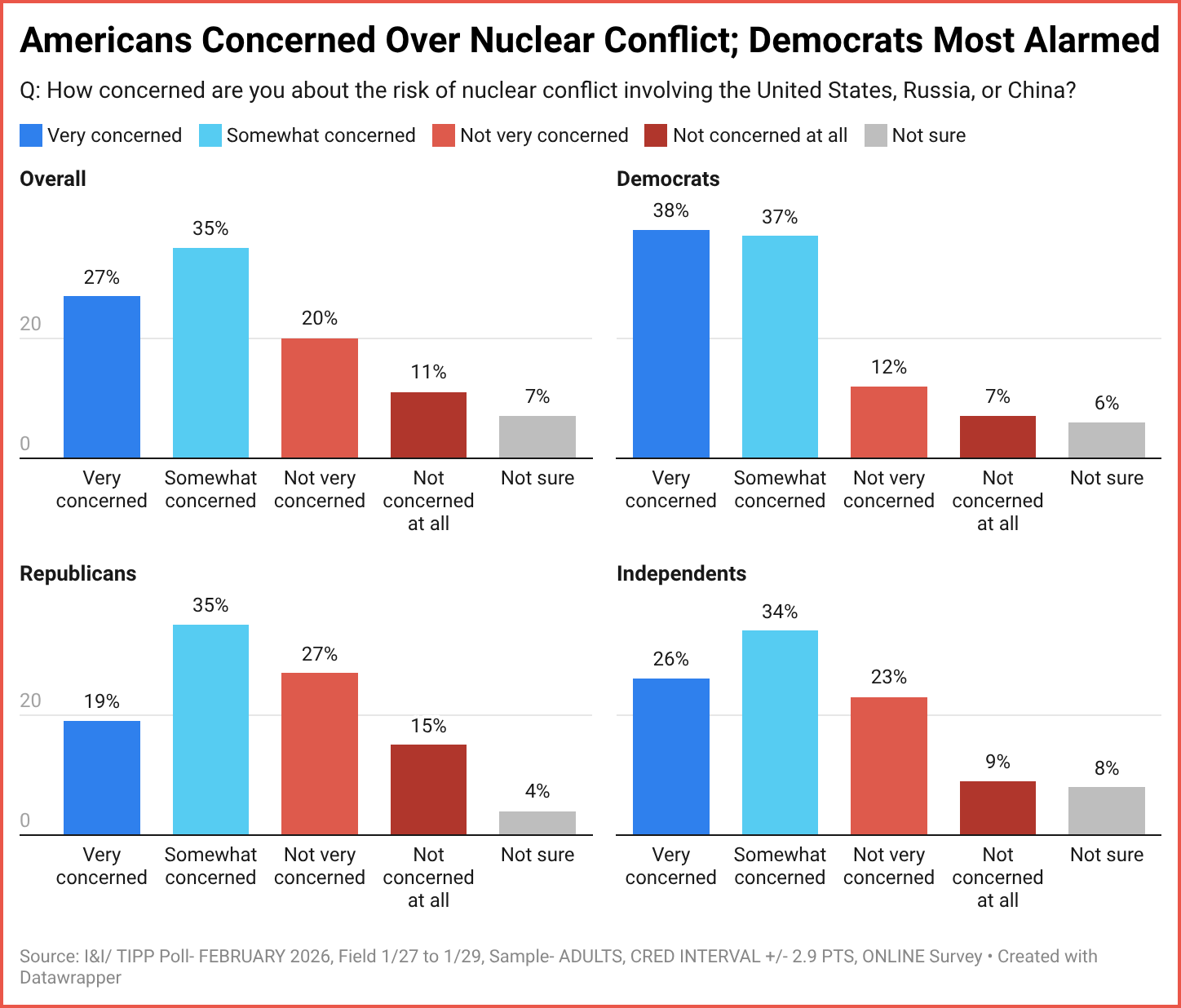
For the February poll, I&I/TIPP asked four questions related to the nuclear threat. The first asked: “How concerned are you about the risk of nuclear conflict involving the United States, Russia, or China?”
By 2-to-1, or 62% to 31%, Americans said they were either “very concerned” (27%) or “somewhat concerned” (35%) about nuclear conflict, while 20% responded they were “not very concerned” and 11% said they were “not concerned at all.” Another 7% were not sure.
While a majority of all three political identities agree nuclear war’s a threat, there are some differences. Democrats are most worried, with 75% calling themselves concerned, and just 19% not concerned. Some 54% of Republicans expressed concern, while a hefty 42% said they weren’t concerned. Independents broke basically along the overall average: 60% concerned, 32% not concerned.
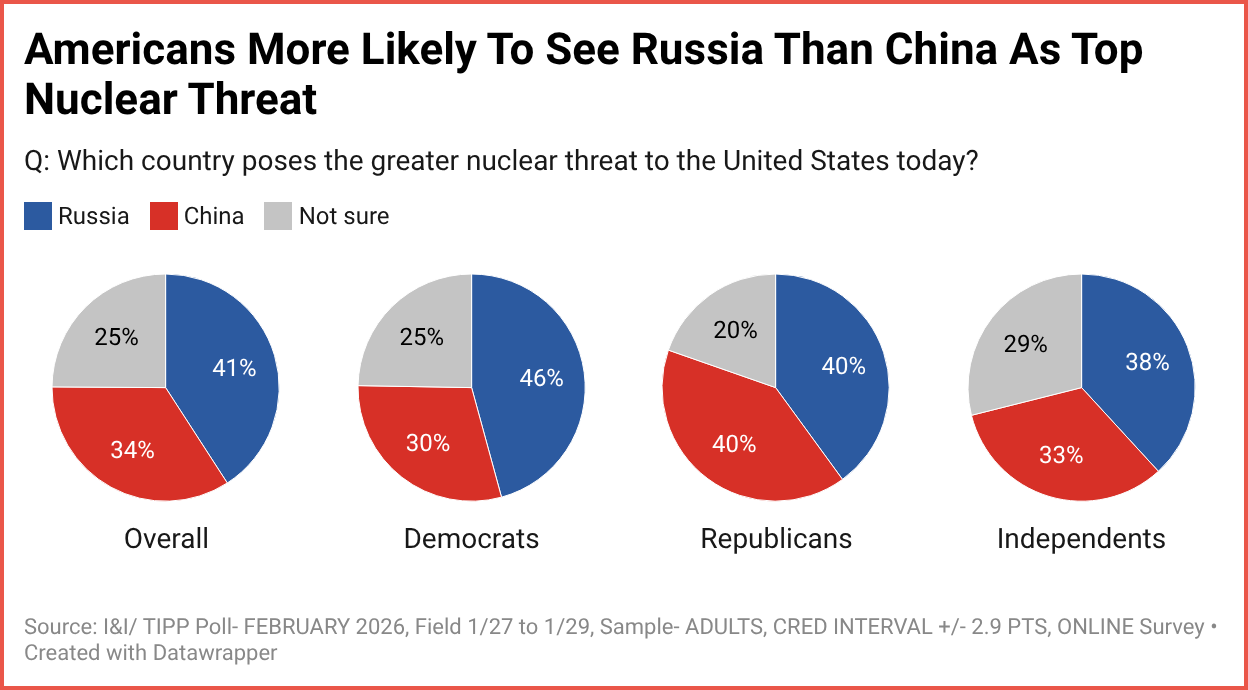
Taking the topic a step further, I&I/TIPP asked: “Which country poses the greater nuclear threat to the United States today?” Those answering were given three possible responses: Russia (41%), China (34%), and “not sure” (25%).
Again, politics determined to a large extent who one considered the nuclear bogeyman. Among Democrats, 45% selected Russia, while just 30% China. Independents and third-party members, likewise, picked Russia (38%) over China (33%), a narrower margin.
But Republicans were split down the middle: 40% Russia, 40% China.
A follow-on question asked the best way to reduce the threat of nuclear war: “Which approach is more likely to prevent a nuclear conflict involving major powers like China and Russia?”
Of the answers offered, “Renewing or expanding nuclear arms control agreements” garnered 38% support, with “Building stronger nuclear deterrence through military strength” not far beyond at 35%.
And the “not sure” response was again large: 27%.
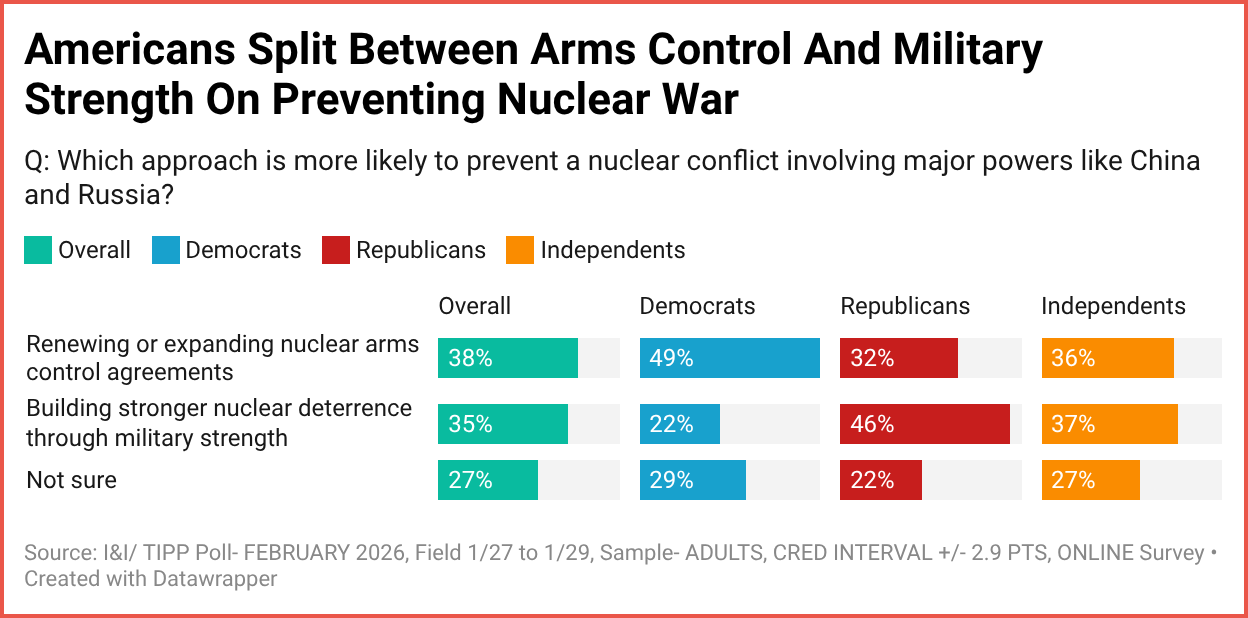
But political ideology strongly influenced responses, with 46% of self-described conservatives preferring “military strength” versus 34% picking “arms control agreements.” Meanwhile, 35% of moderates opted for “military strength,” while 33% chose “arms control agreements.”
Liberals showed the largest difference: 56% favored “arms control agreements” versus 23% preferring “military strength.”
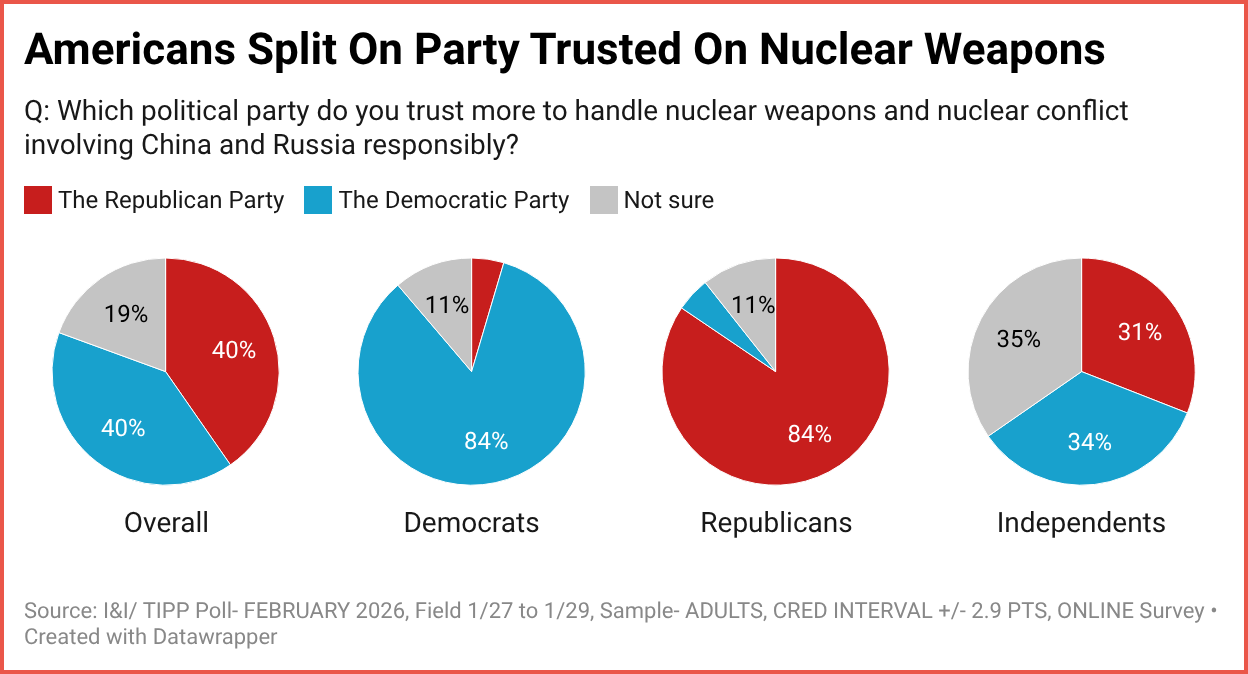
Finally, those taking the poll were asked: “Which political party do you trust more to handle nuclear weapons and nuclear conflict involving China and Russia responsibly?”
The responses were split evenly, with 40% saying the Republicans and 40% saying the Democrats.
Dems and Republicans were statistical mirror images of one another: 84% of Democrats preferred their own party; 84% of Republicans preferred their own party.
Among independents, 34% preferred Democrats, while 31% preferred Republicans to handle the nuclear issue. But a sizeable 35% weren’t sure.
Gold standard in polling — the only national pollster to get six presidential elections right. Talent on loan from God. Subscribe now → $99/year
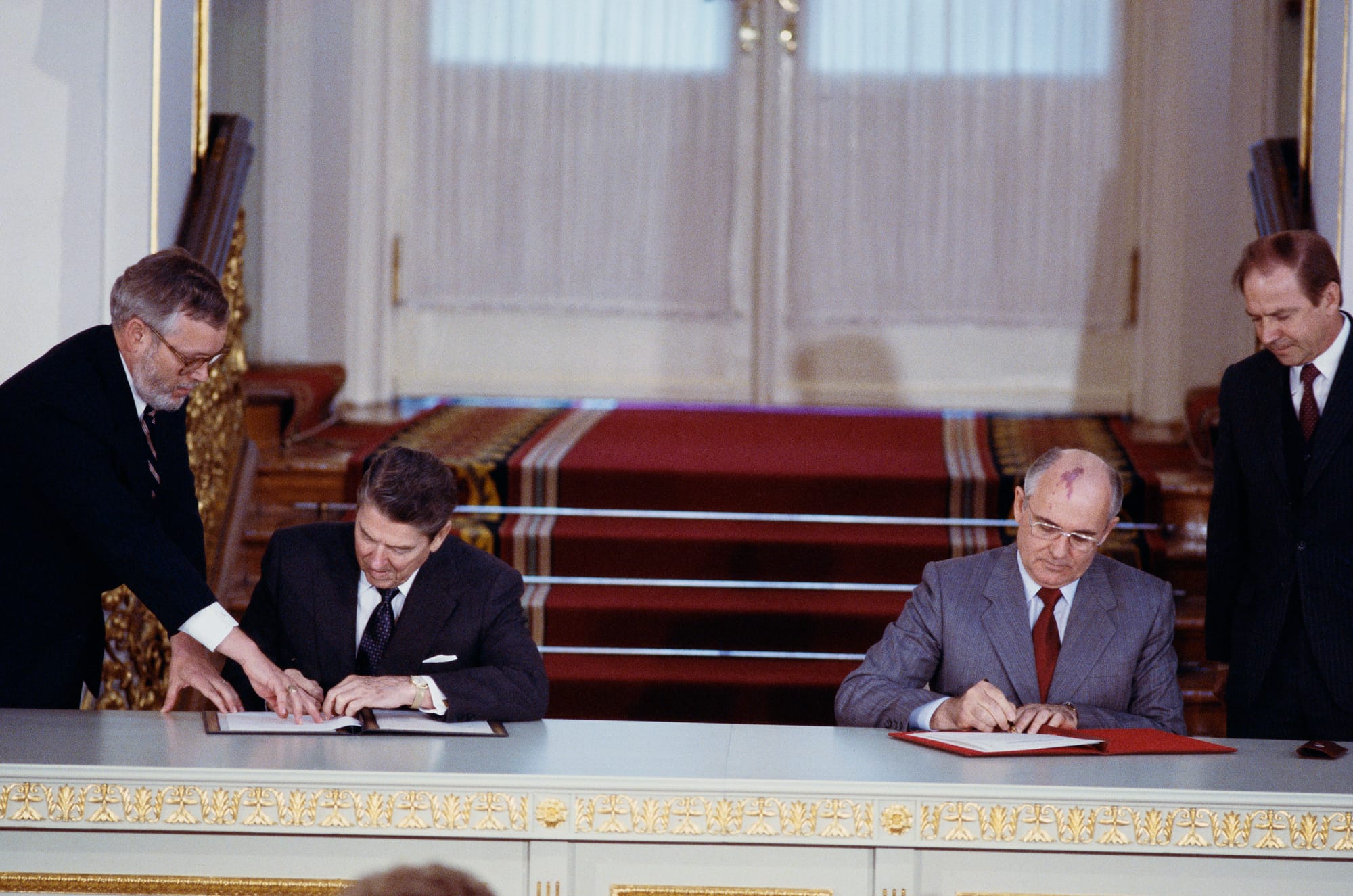
Are Americans right to be afraid of nuclear war, which would be unlike anything ever experienced before? Absolutely.
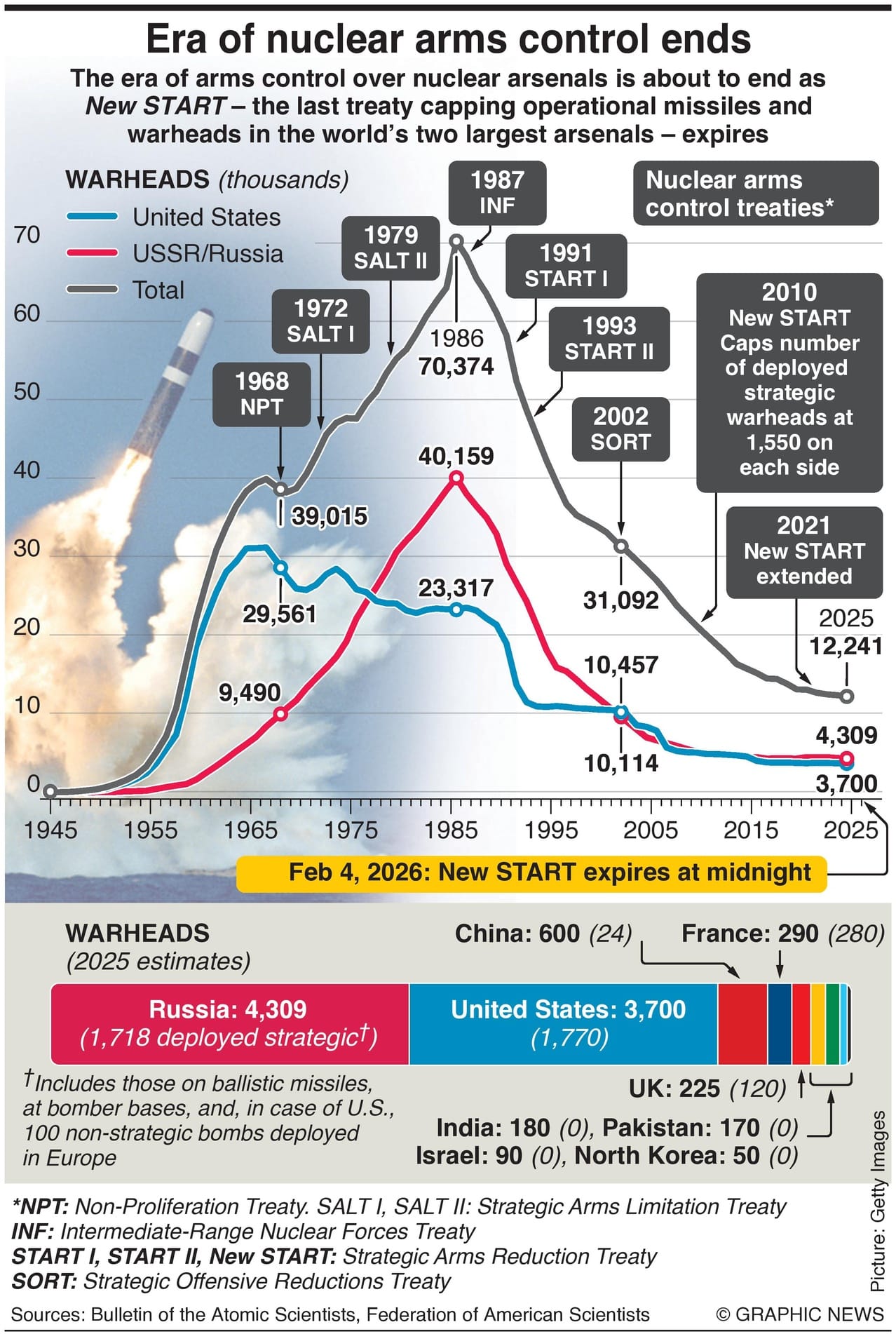
As has been noted, nine countries have nuclear weapons. Three of those have, at various times, expressed extreme hostility or even hatred for the U.S.: Russia, China and North Korea.
On Feb. 5, the 2010 nuclear arms treaty between the U.S. and Russia expired and, predictably, “experts warn that no new agreement could portend a new arms race not seen since the Cold War,” USA Today admonished.
Already, nuclear saber-rattling has begun.
Just last week, Vladimir Solovyov, a TV mouthpiece for Russian dictator Vladimir Putin, wondered aloud why Russia shouldn’t nuke Elon Musk’s Starlink internet satellites in space, after the billionaire entrepreneur shut down the system from Russian military use.
The casual use of nuclear weapons, especially in space, could be a trigger for global nuclear war — World War III. And, of course, the Russia-Ukraine war remains a nuclear threat, especially if Russia decides to use tactical nuclear weapons on the battlefield.
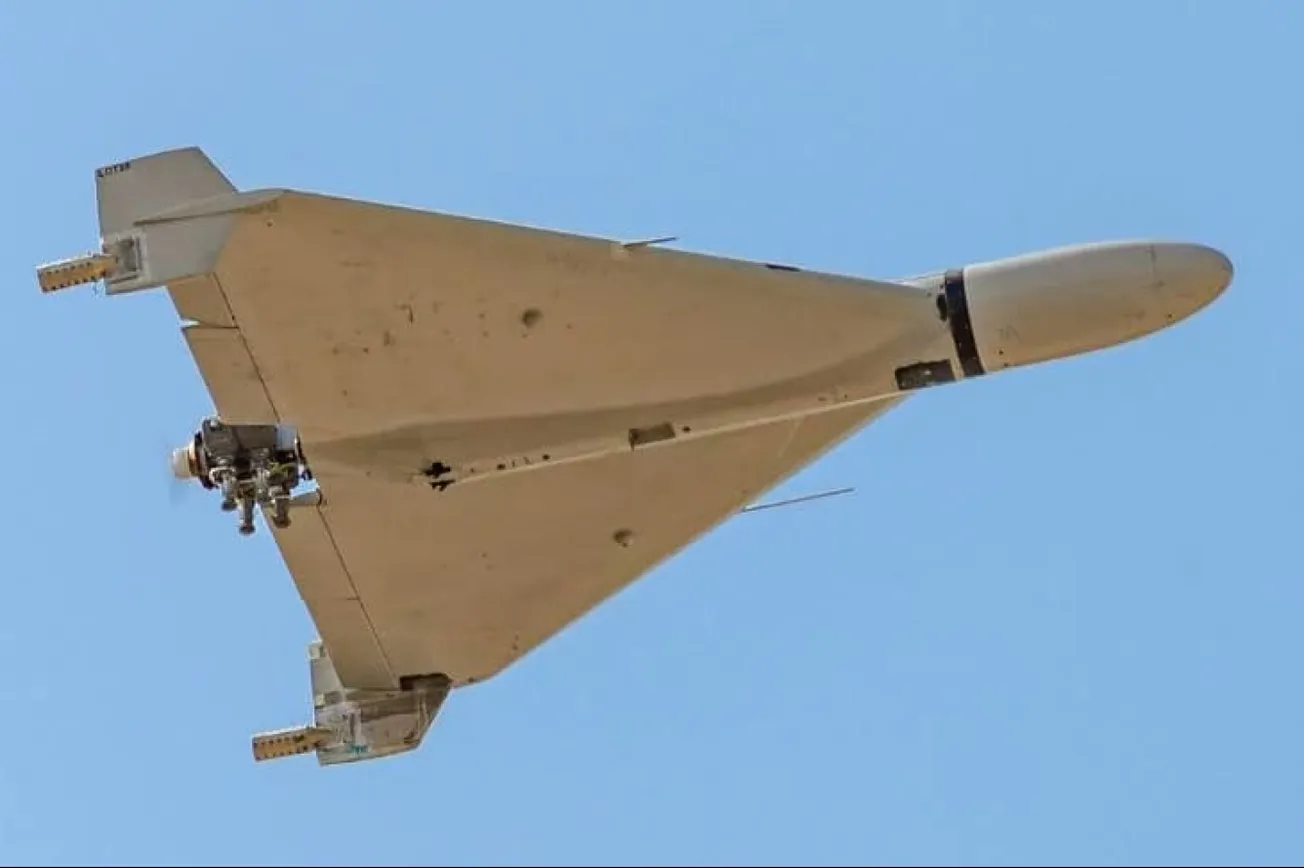
Right now, President Trump and his advisers have engaged Iran’s Islamic dictatorship in talks about nuclear weapons. Trump is dead set on keeping theocratic Iran from getting a useable nuclear weapon, but is also wary of dislodging one irresponsible authoritarian regime only to see it be replaced by another.
“U.S. restarts nuclear diplomacy with Iran amid escalating threats,” as a PBS headline last week warned.
But that isn’t the only nuclear “threat.”
Consider this curious headline that popped up in recent days: “Canada has no nuclear weapons. After Trump’s Greenland threats. Should it?”
Nuclear war over Greenland? No question, nuclear anxiety is high right now. The point is, as the cliche goes, “The nuclear genie is already out of the bottle.”
Trump has shown himself to be serious about nuclear weapons, especially about keeping the weapons out of the hands of states and non-state groups that support terrorism.
The U.S. president has shown himself to be a master at playing the global power game. That’s good. Because, as the I&I/TIPP Poll shows, Americans are concerned, and want both arms control deals and a strong nuclear deterrent to deal with the threat.
I&I/TIPP publishes timely, unique, and informative data each month on topics of public interest. TIPP’s reputation for polling excellence comes from being the most accurate pollster for the past six presidential elections.
Terry Jones is an editor of Issues & Insights. His four decades of journalism experience include serving as national issues editor, economics editor, and editorial page editor for Investor’s Business Daily.
Related commentary: The New Nuclear Challenge — Richard Hass, Project Syndicate
👉 Show & Tell 🔥 The Signals
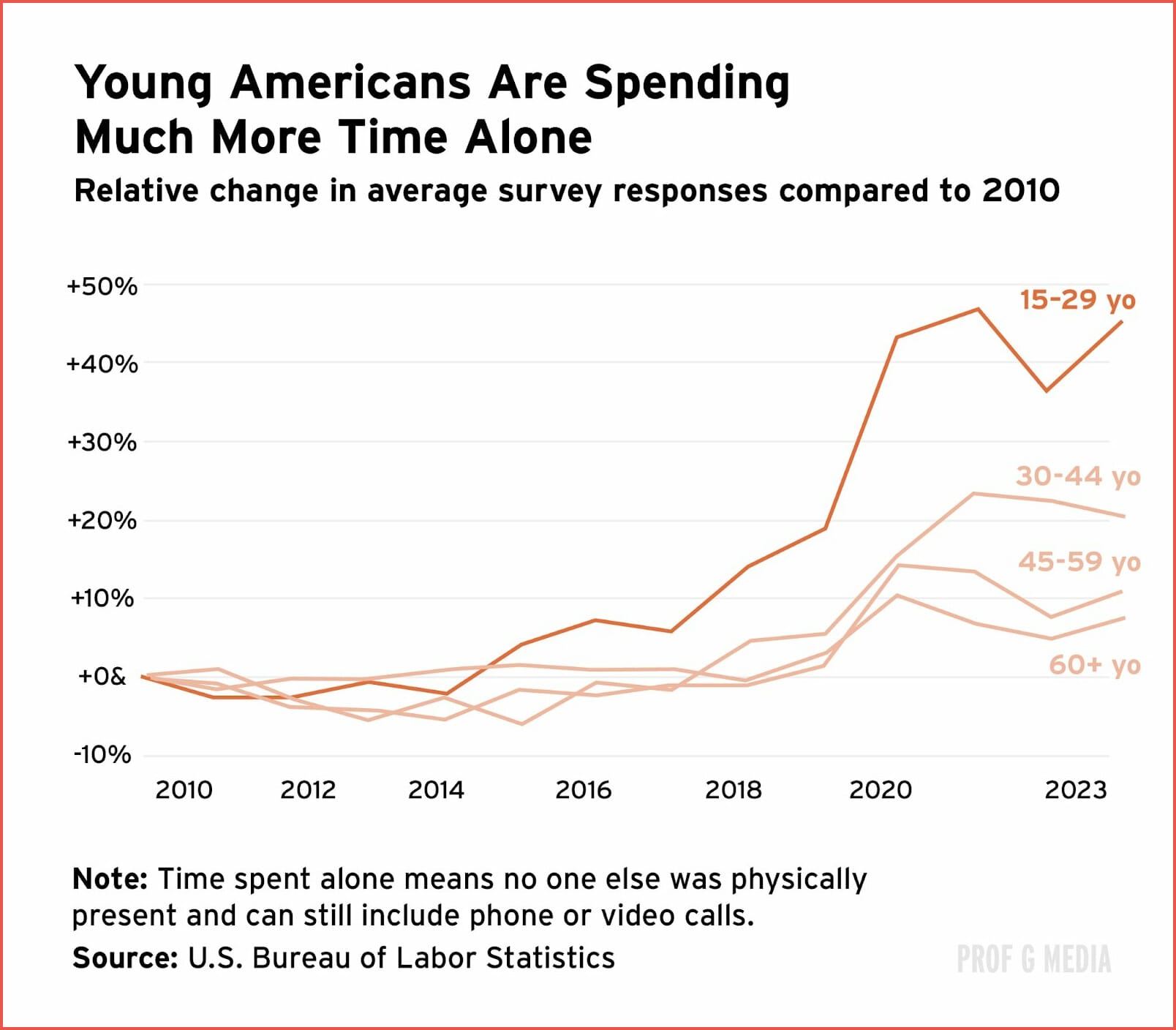
I. Young Americans Are Spending Much More Time Alone
The share of Americans with no close friends has quadrupled since 1990, and younger people are now spending significantly more time alone than a decade ago. Surveys show time spent alone among teens and young adults has risen sharply since 2010.
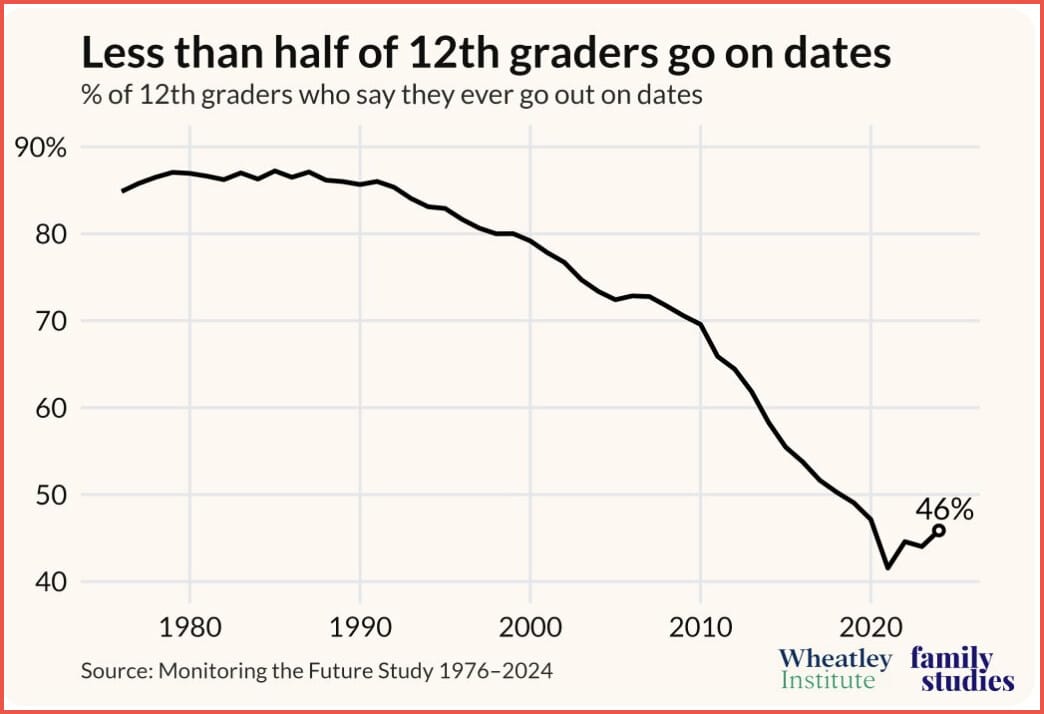
II. Teen Dating Has Fallen To Record Lows
Less than half of U.S. high school seniors now report going on dates, down sharply from past decades when dating was the norm. The share of teens who date has fallen steadily since the 1980s.
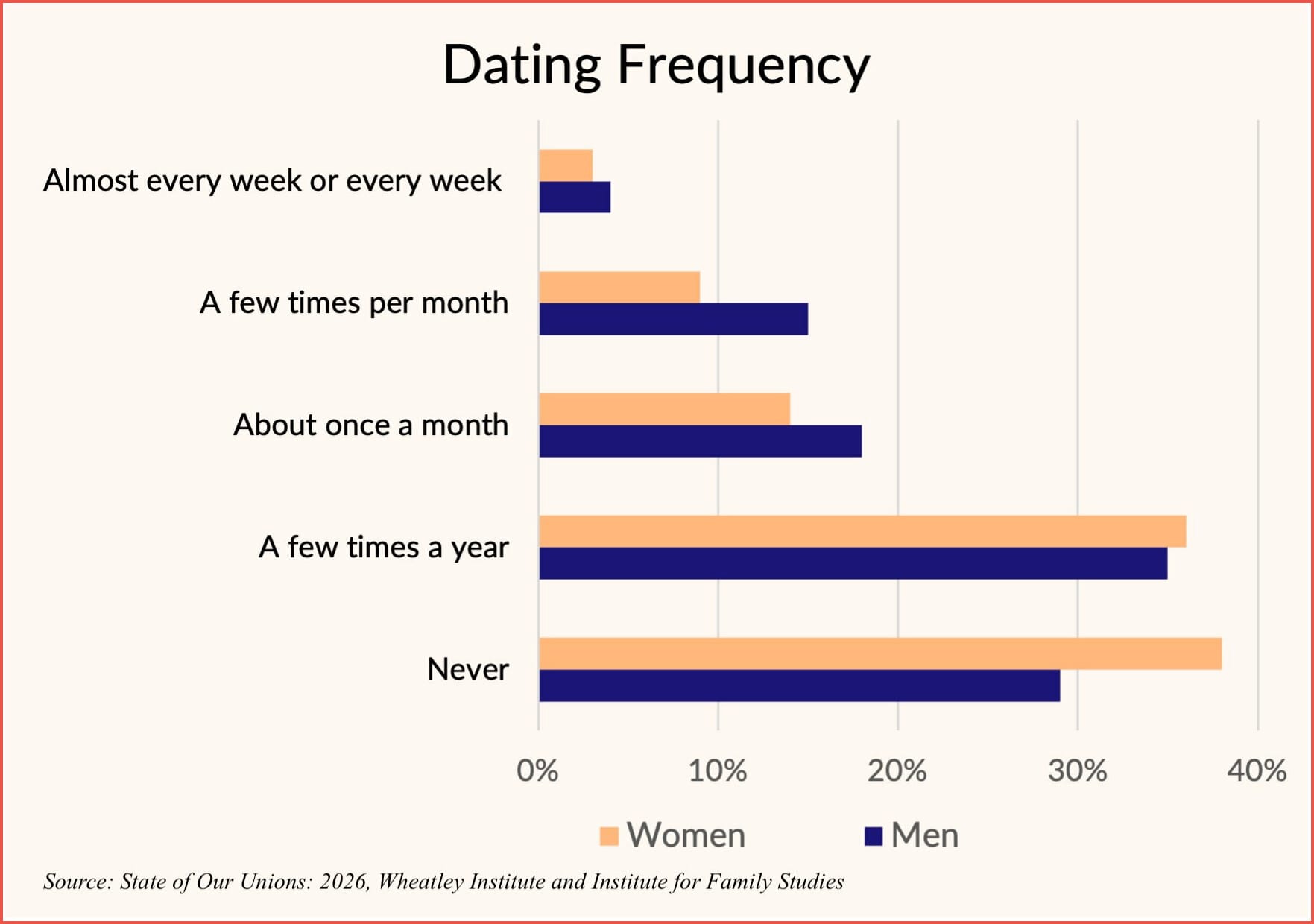
III. Many Young Singles Rarely Date — Or Never Do
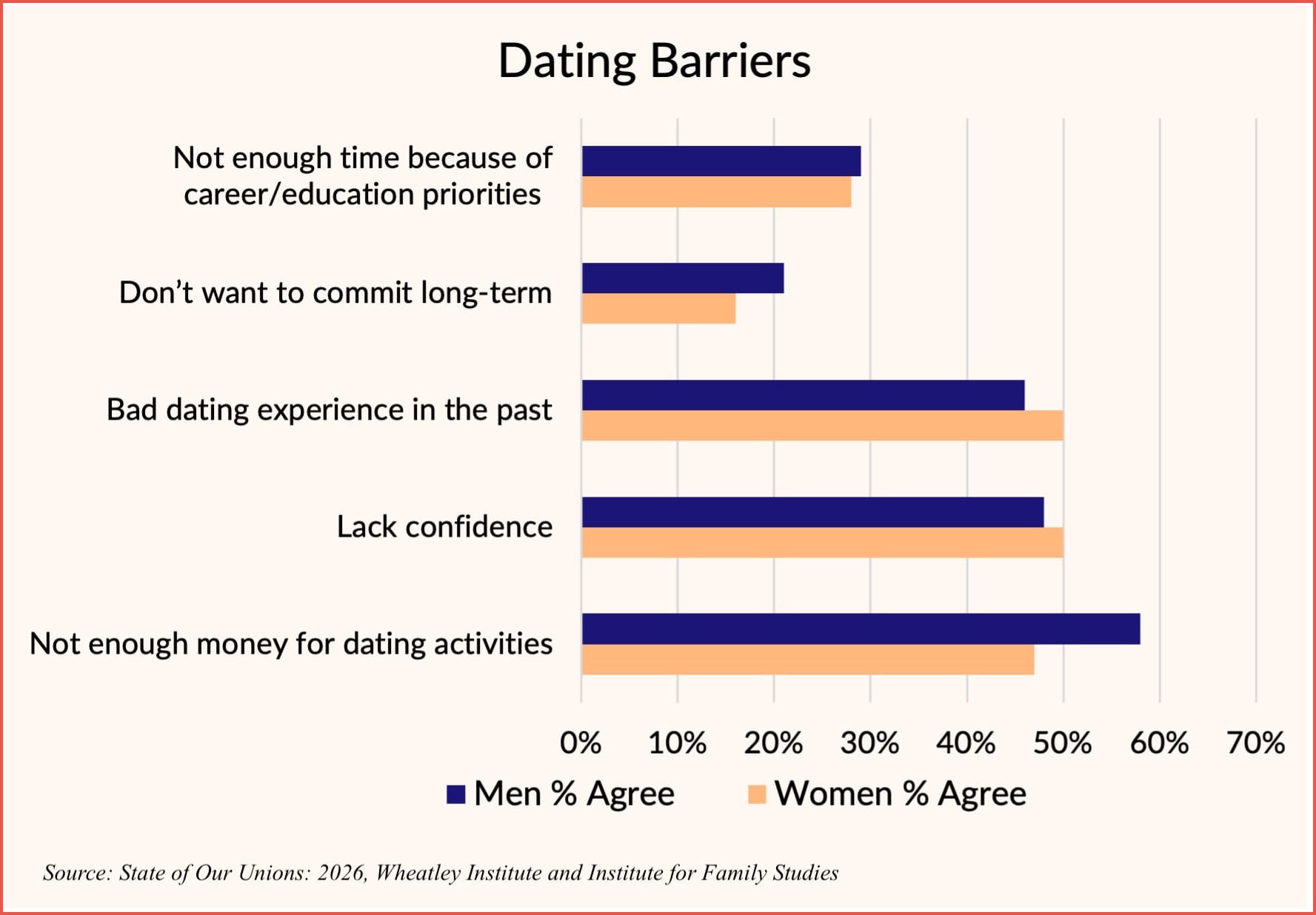
Recent surveys show about one-third of young singles never date, while another third go out only a few times per year. Many cite lack of confidence, money pressures, past bad experiences, or time constraints as key barriers to dating.
The TIPP Stack
Handpicked articles from TIPP Insights & beyond
1. Don’t Cry For The Washington Post, It Helped Destroy Media— David Harsanyi, The Daily Signal
2. What Lawyer For Jailed Epstein Ally Told Congress About Trump, Clinton— Fred Lucas, The Daily Signal
3. Bottom Of The Barrel—William Schryver, Ron Paul Institute for Peace and Prosperity
4. How Year-Plus Standoff For Election Data Culminated In FBI’s Raid In Georgia—Fred Lucas, The Daily Signal
5. Cuba Announces No More Fuel For International Airlines—Virginia Allen, The Daily Signal
6. CLIMATE LAWFARE: Will The People’s Republic Of Boulder Bankrupt The Fossil Fuel Industry?—Tyler O'Neil, The Daily Signal
7. Modern Science Is Smart Public Policy For A Healthy Nation And Economy—David Prentice, The Daily Signal
8. London’s Restricted ‘March For Jesus’ Highlights Suspected Pro-Muslim And Anti-Christian Bias In Policing—Peter McIlvenna, The Daily Signal
9. RFK Jr. Teases New Effort To Lower Health Care Costs At Heritage Foundation Event—Virginia Grace McKinnon, The Daily Signal
10. Lessons From Portugal For European Conservatives— Jordan Embree, The Daily Signal
11. Rating Site Sues Trump Admin Over Probe Of Alleged Suppression Of Conservative Media—Fred Lucas, The Daily Signal
📊 Market Mood — Wednesday, February 11, 2026
🟩 Futures Rise Ahead of Key Jobs Report
U.S. futures tick higher as investors await employment data that could shape Fed rate expectations.
🟧 Jobs Data to Test Rate-Cut Outlook
Markets are watching whether slowing job growth strengthens bets on Fed easing later this year.
🟦 Ford Hit by Tariff Delay but Outlook Supports Shares
Ford books a $900 million charge tied to delayed tariff relief, but stronger profit guidance lifts sentiment.
🟨 Gold and Oil Edge Higher on Growth Uncertainty
Gold and crude prices climb as softer economic signals and geopolitical risks keep investors cautious.
🗓️ Key Economic Events — Wednesday, February 11, 2026
🟩 8:30 AM — Jobs Report (Payrolls, Unemployment, Wages)
Monthly employment data shows hiring trends, wage growth, and joblessness — key drivers of Fed policy expectations.
🟦 10:30 AM — Crude Oil Inventories
Weekly stockpile data helps gauge U.S. supply-demand balance and can move energy prices.
🟨 1:00 PM — 10-Year Treasury Note Auction
Strong or weak demand for government debt can influence interest rates and broader market sentiment.
editor-tippinsights@technometrica.com