
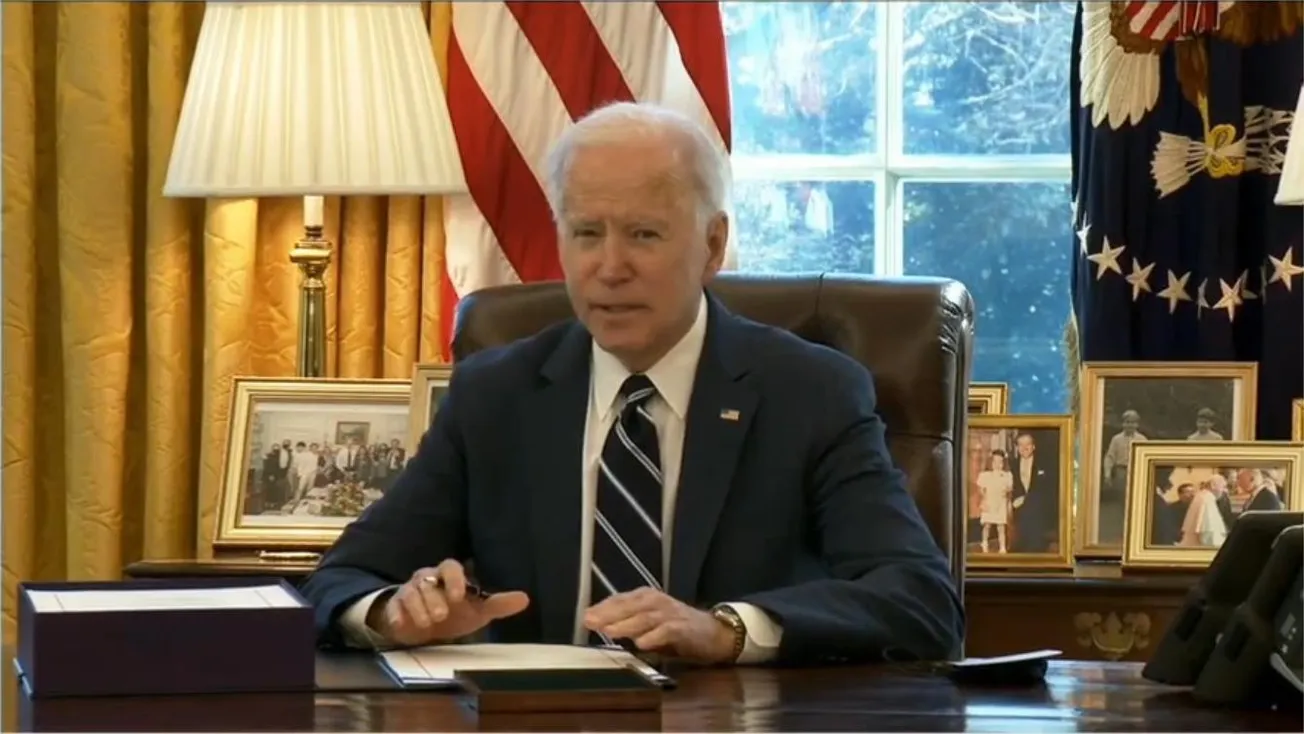
American Mindsets On Economic Stimulus
Based on our survey data about economic stimulus, we use factor analysis to identify two American mindsets: assistance mindset and incentive mindset. We show which strategies the segments favor.

I direct the IBD/TIPP Poll, the most accurate poll of this century, being the only poll to accurately predict the winner of the last five U.S. presidential elections.
Based on our survey data about economic stimulus, we use factor analysis to identify two American mindsets: assistance mindset and incentive mindset. We show which strategies the segments favor.
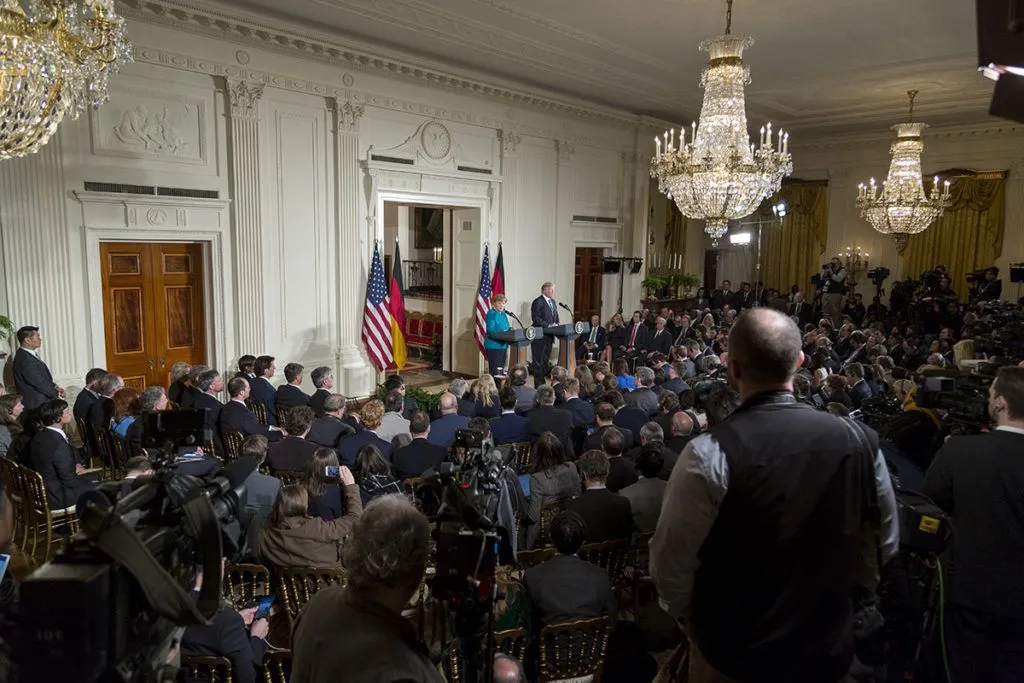
This article investigates how much confidence Americans place in conventional news outlets, alternative news outlets, and media-published political surveys. We use party affiliation and ideology to analyze the situation.

Almost three-fifths of Americans (59%) believe the pandemic has had a negative impact on their mental health.
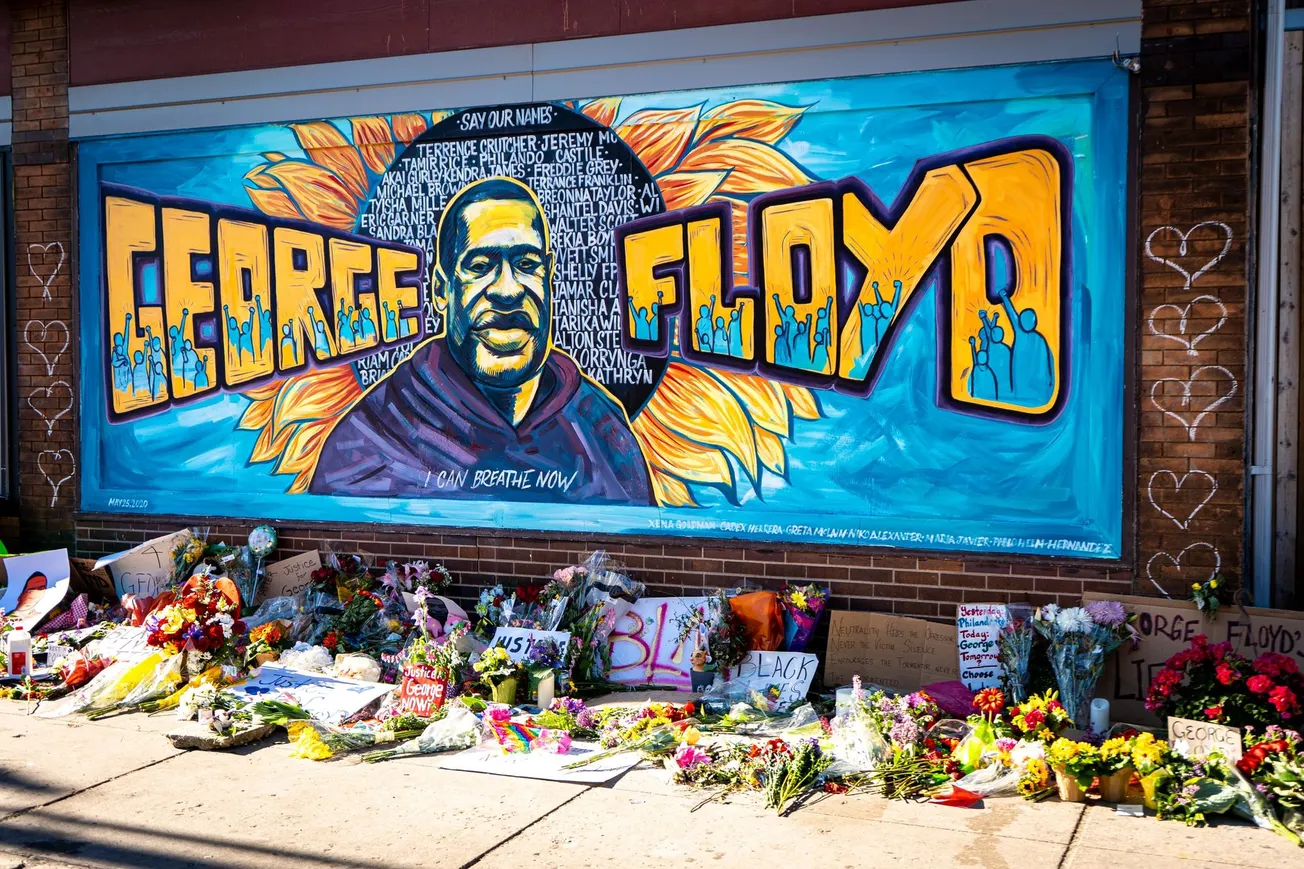
We'd like to know what you think about why our morals and ethics index has been steadily declining. We'll evaluate and present our findings once we've gathered enough data.

Citing misinformation related to the unfortunate events of Jan 6, the Democratic lawmakers are now going after specific news channels. In this article, we examine Americans' views on this topic and their commitment to free speech.

The IBD/TIPP Economic Optimism Index posts its highest reading since the start of the pandemic.
The U.S. has a Twitter problem. Sooner or later, it has to be resolved by market forces, public opinion, and regulators. TIPPinsights is providing real data for this critical discourse.
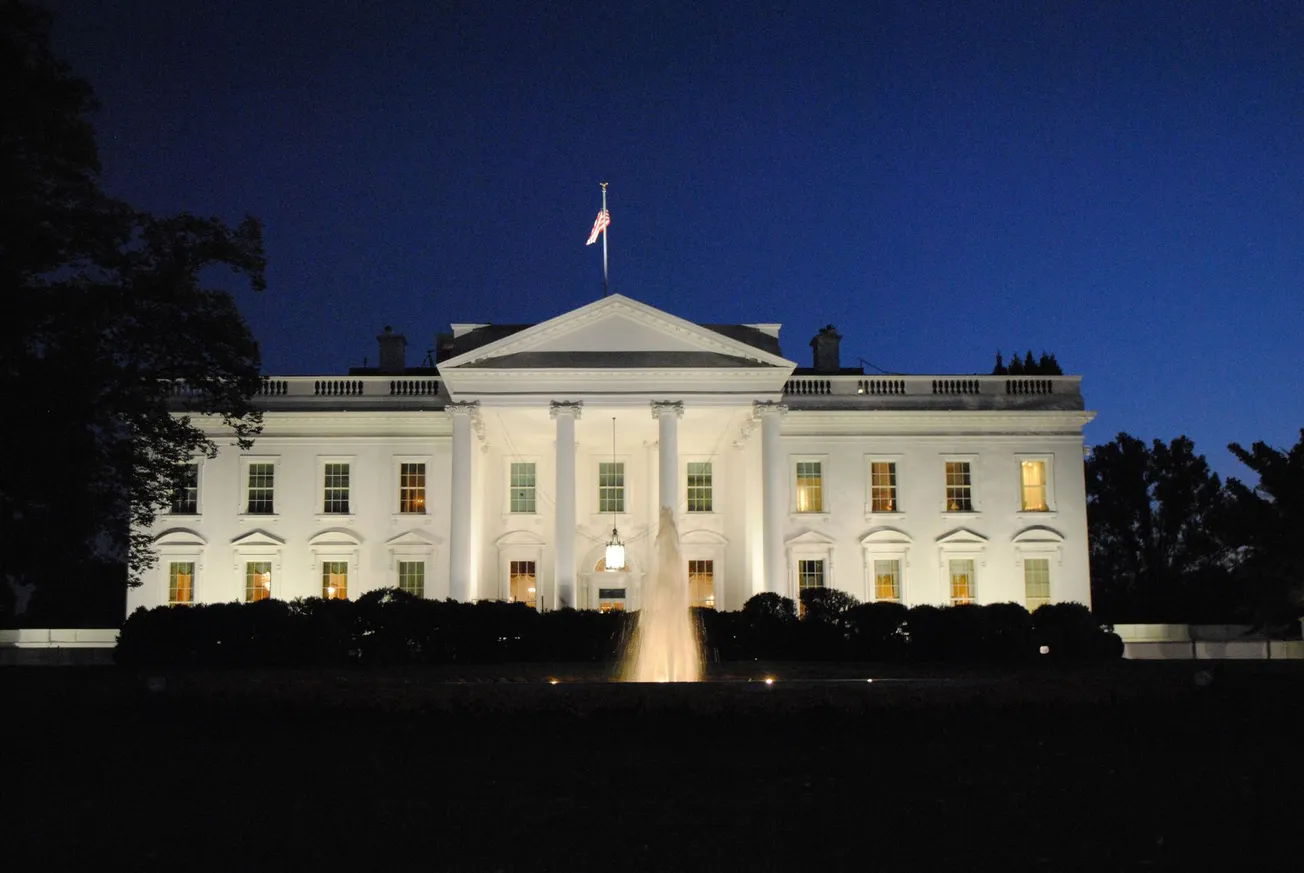
The objective of this article is twofold. The first is to deliver on the story's headline, and the second, to introduce seven indexes that TIPP publishes each month to measure various country facets.
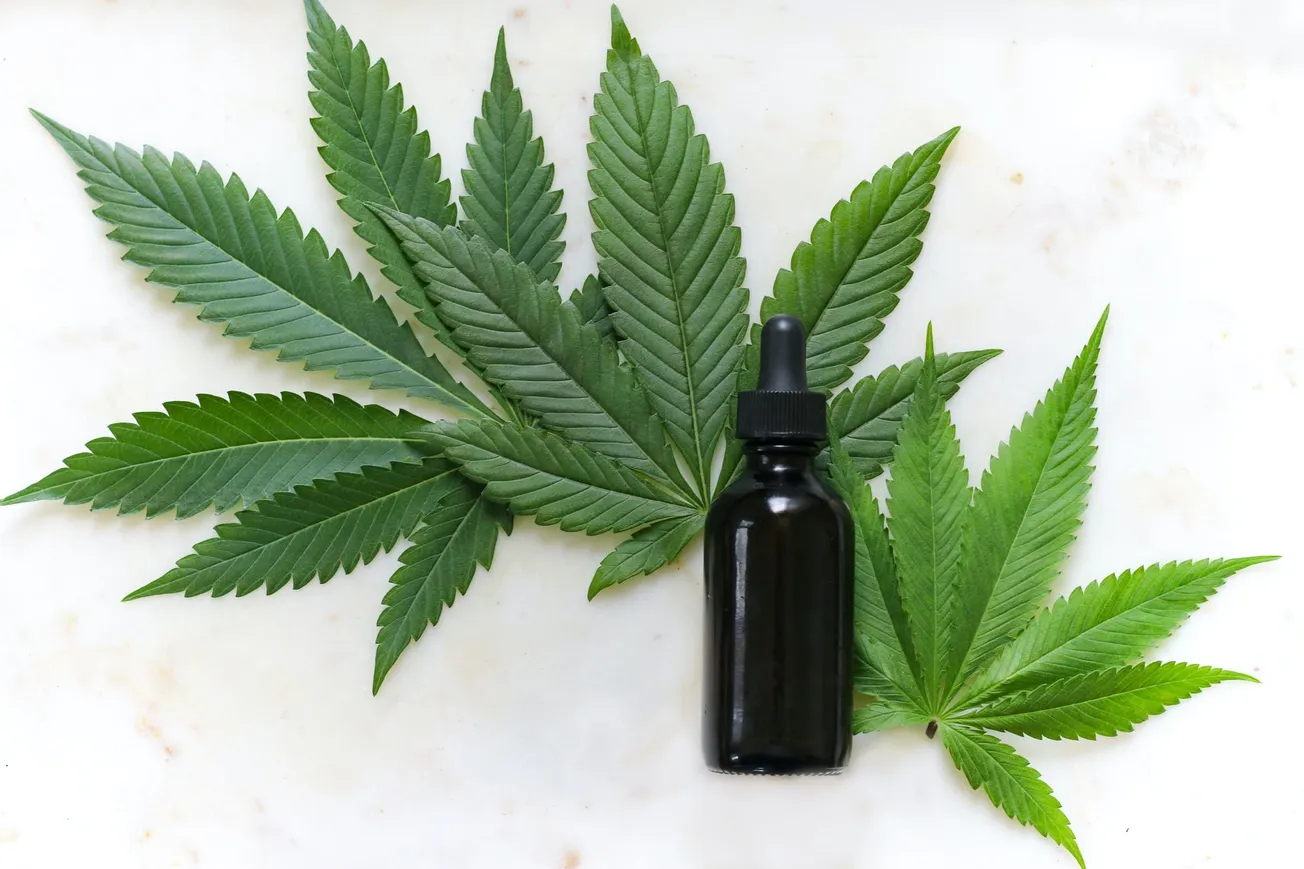
This article compares data collected in 2021 and 2019 that reveals a surprising trend

Our February survey reveals a strong momentum for auto purchases.
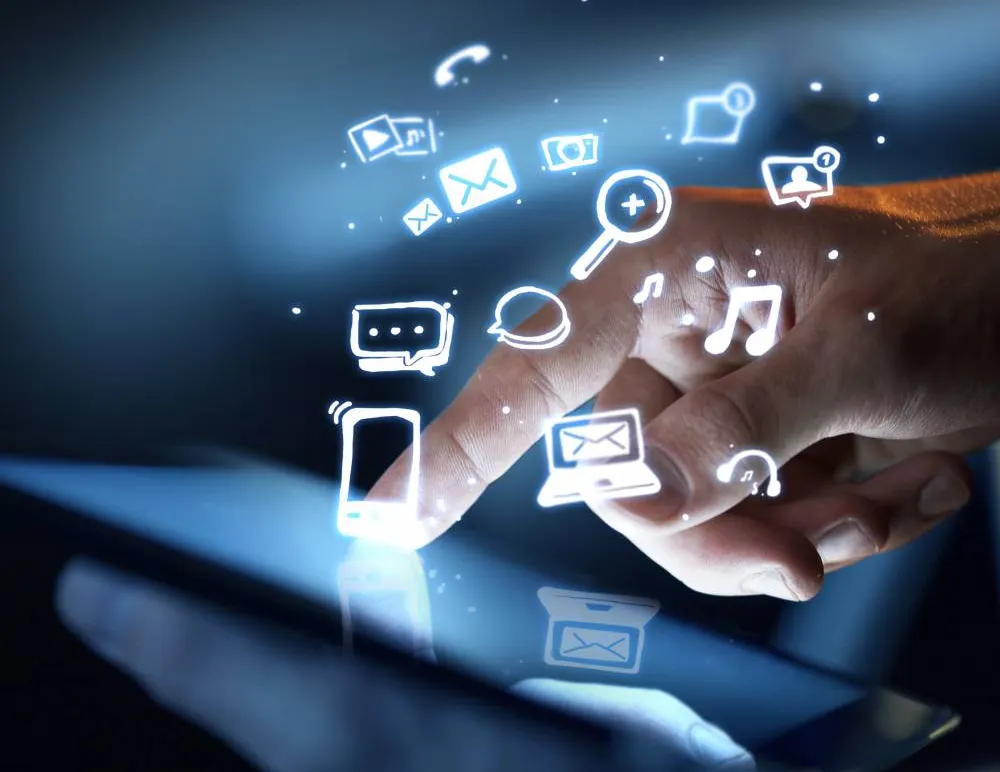
According to Oxford Economics, 20 million jobs worldwide will be lost due to artificial intelligence by 2030. Our report plumbs Americans' hopes and concerns about AI.
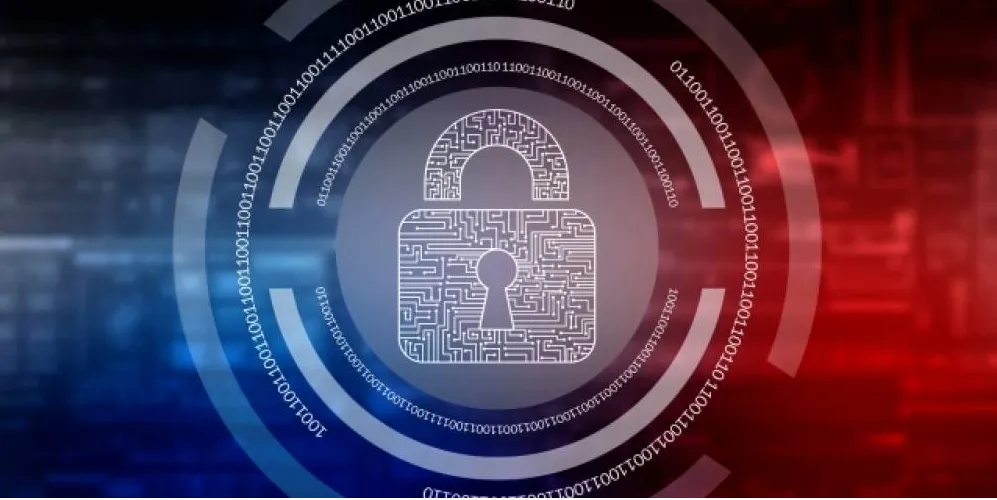
Americans show increased cybersecurity concerns in the aftermath of the recent SolarWinds hack.
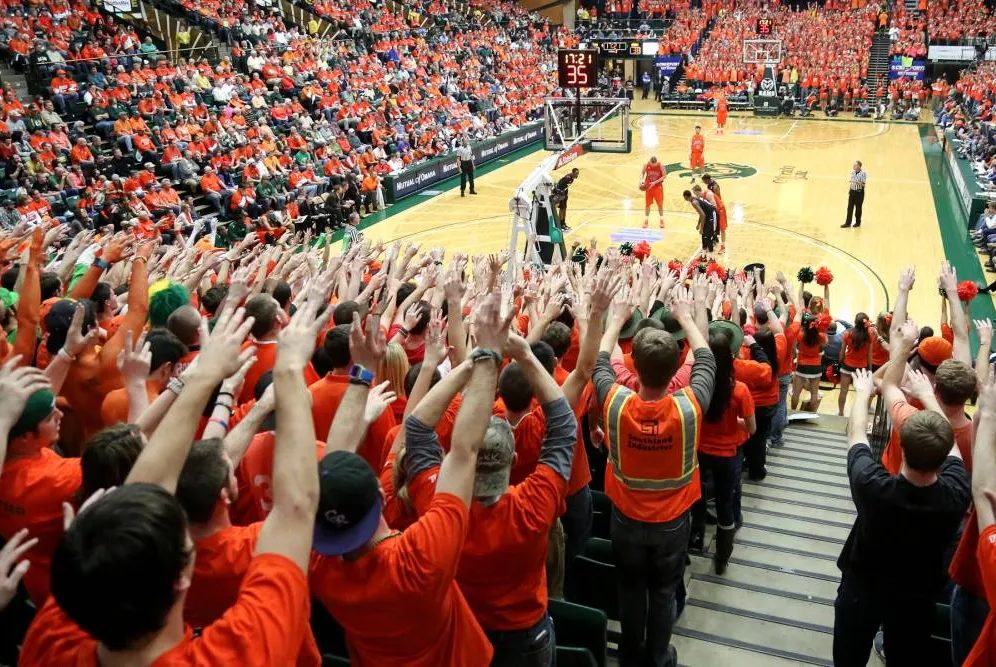
We present what Americans think about compensating college athletes.

We compare financial stress levels before and after the start of the pandemic.