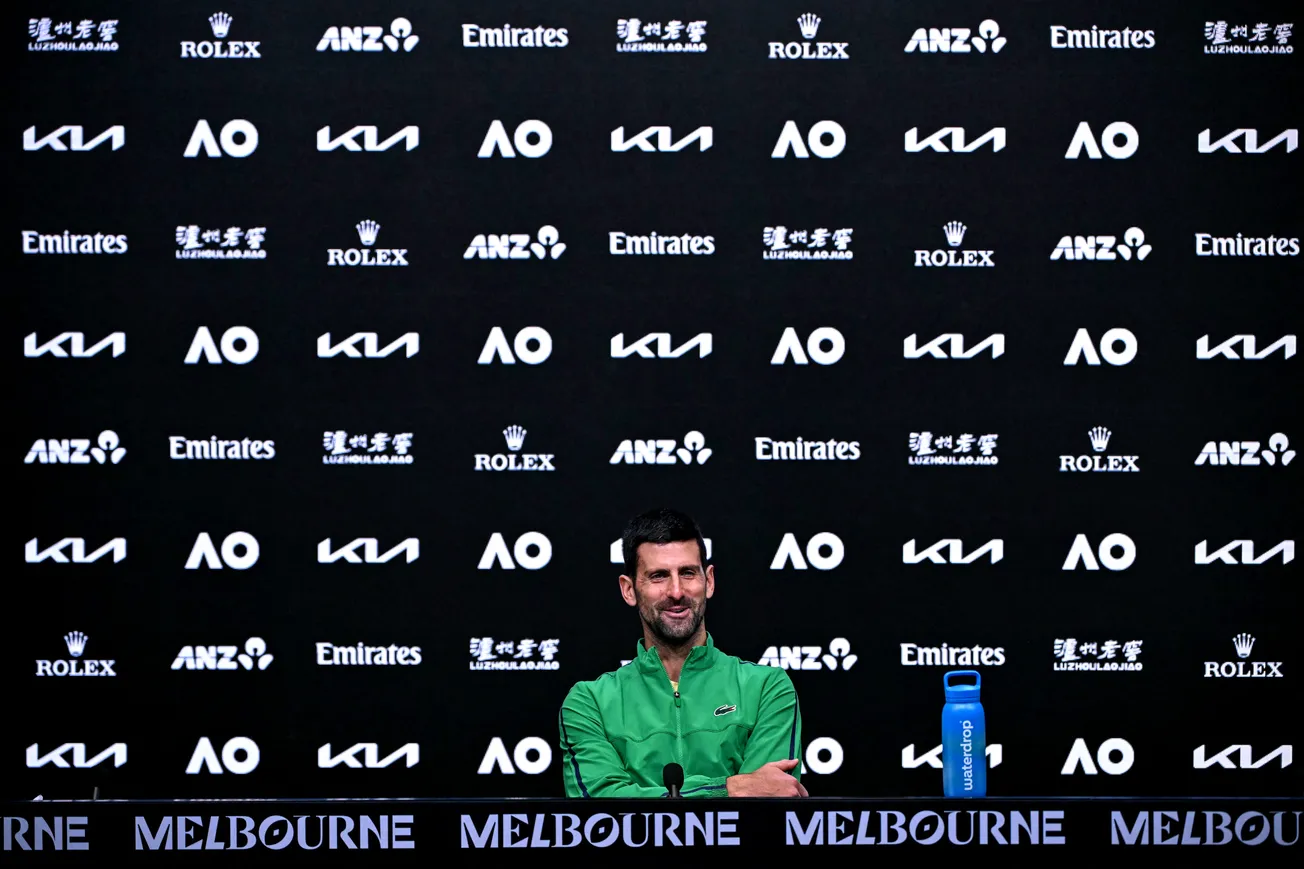
At the Australian Open tennis event a fortnight ago, freelance journalist Owen Lewis repeatedly ambushed American tennis players with politically charged questions designed to elicit criticism of their country.
He asked Amanda Anisimova how it felt to "play under the American flag right now," pressed Learner Tien about Trump and ICE policies in the context of his Vietnamese heritage, and lobbed similar grenades at Coco Gauff, Taylor Fritz, Madison Keys, and others. Each question was an activist masquerading as a journalist.
The athletes' responses varied, but two stood out for their professionalism and clarity.
Learner Tien looked directly at the reporter and said, "Sorry, I don't really want to talk about that right now." In those ten words, Tien demonstrated more wisdom and integrity than many athletes twice his age. Amanda Anisimova also recognized Lewis's trap immediately, calling his question "not relevant" and later clarifying she had every right to avoid "clickbait" political queries.
Both these athletes are rising American tennis stars and children of immigrants.
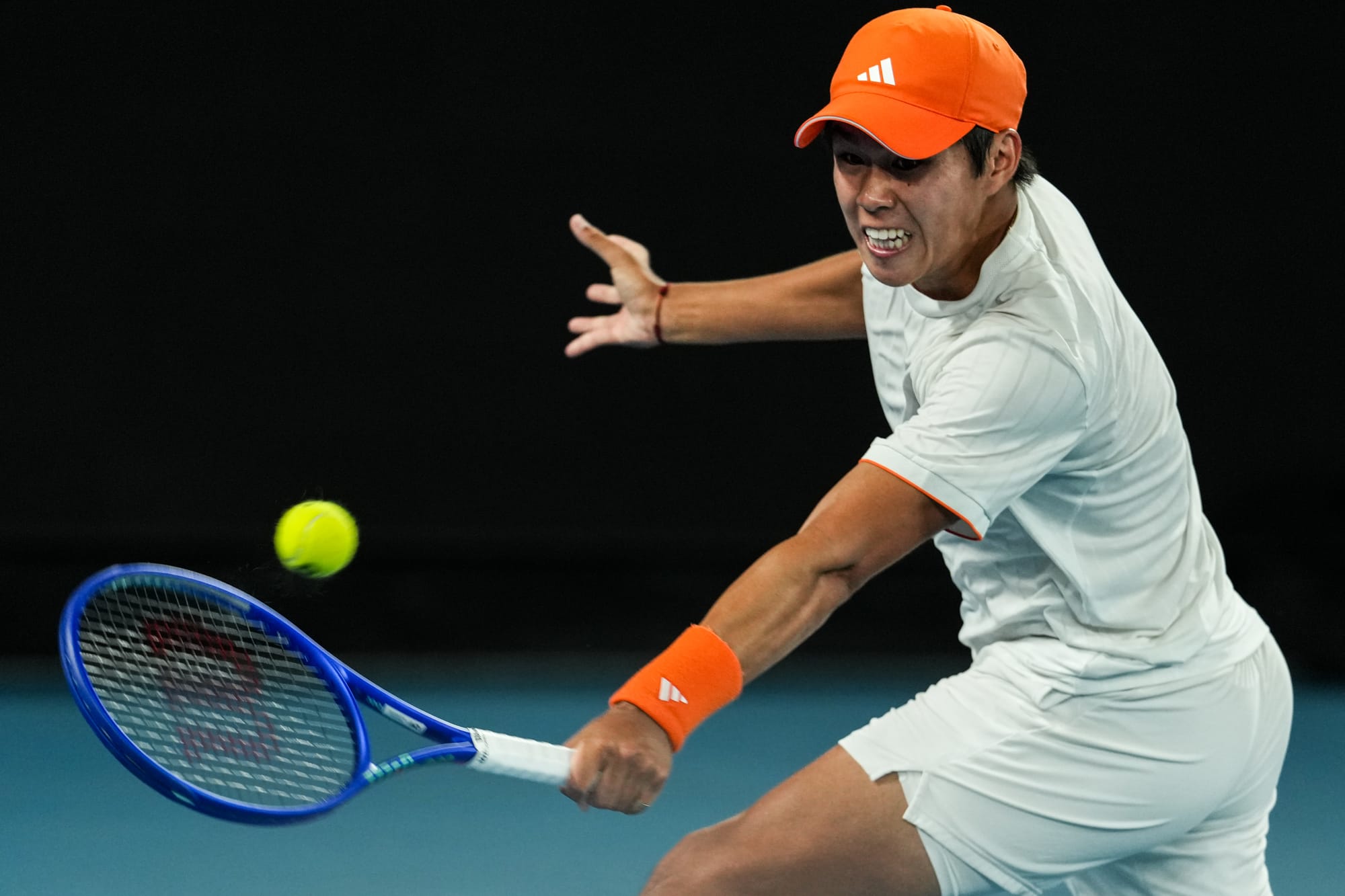
Learner Tien was born on December 2, 2005, in Irvine, California, to Vietnamese immigrant parents (Hoa refugees from South Vietnam). His father, a real estate attorney, coached him early on; his mother, a former math teacher, inspired his unique first name. A left-handed prodigy, he turned pro in 2023 and reached a career-high ATP ranking of No. 23 recently after a notable Australian Open quarterfinal run.
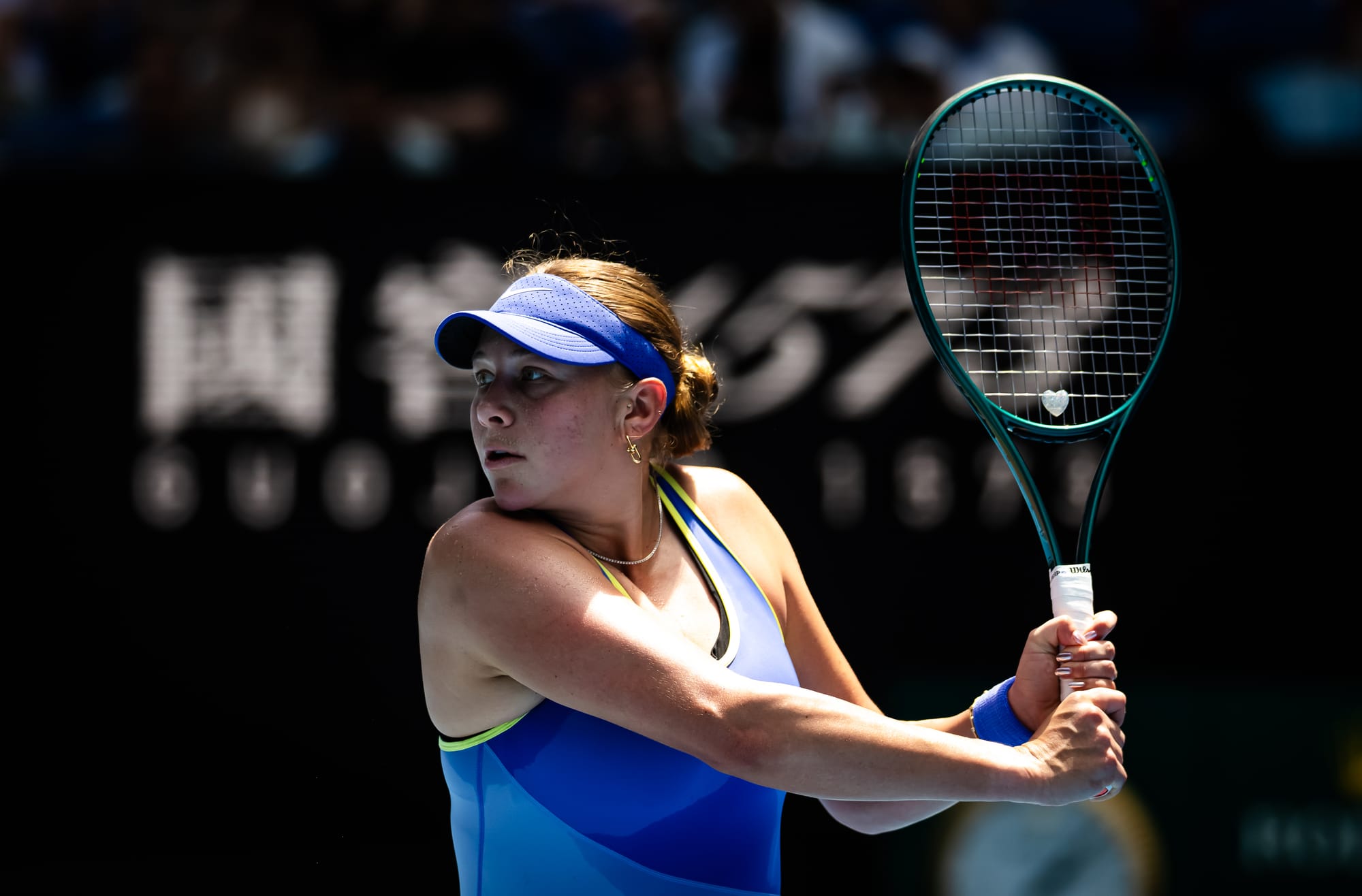
Amanda Anisimova is a 24-year-old American professional tennis player born August 31, 2001, in Freehold Township, New Jersey, to Russian immigrant parents, Olga and the late Konstantin Anisimov. She began playing at age five, inspired by her older sister Maria. A right-hander, she turned pro in 2016, achieved a career-high WTA ranking of No. 3, has won multiple titles, and showcased strong performances at the Grand Slams.
Tien and Anisimova understood that there is a profound difference between exercising your First Amendment rights as a private citizen and using an official platform, in your professional capacity, to make political statements. They recognized that Lewis wasn't asking about their matches, training, opponents, or even thoughtful questions about what representing America meant to them personally.
It is little wonder that the backlash against Lewis was swift and justified. Fans and commentators promptly identified him as injecting politics into sports press conferences and pushing an agenda rather than reporting on the sport. Lewis is said to have turned off comments on his social media sites, including Instagram.
Unfortunately, at the 2026 Winter Olympics in Milan-Cortina, American athletes were bested by activist journalists.
Hunter Hess sat before cameras and described "mixed emotions" about wearing the U.S. flag, noting it was "a little hard" given policies he wasn't "the biggest fan of." Hess's comments were especially immature and unprofessional because, unlike the tennis stars in Melbourne who were appearing as individuals, Hess was an official representative of the United States Olympic Team. He was in a forum organized and facilitated by the Olympic Committee, before a global audience assembled to watch athletic competition, not political commentary.
When Chris Lillis referenced ICE actions and felt "heartbroken about what's happened in the United States," or Amber Glenn discussed LGBTQ+ issues and declared she would "not just be quiet" about politics, these Olympians are just as irresponsible as Hess.
Sports exist, in part, as a refuge from politics—a realm where excellence can be measured objectively, where competition transcends ideology. Sports should be a place where Americans of all political persuasions can find common ground.
When athletes use official sports platforms for political commentary, they transform sports into yet another battlefield in America's polarized political landscape. It doesn't benefit the athletes, who become political lightning rods. It doesn't benefit sports fans, who can't escape politics even in contexts designed for athletic competition. And it doesn't meaningfully benefit political discourse, which gains nothing from coerced statements from people whose expertise lies in athletic performance, not policy analysis.
Of course, athletes should and can attend protests, post on social media, donate to causes, speak at rallies, write op-eds, and engage in any political activity they choose, all on their own dime. But when an athlete sits at a press conference podium wearing their national team uniform or representing their sport's governing body, they're not there as private citizens—they're there in an official capacity. This distinction matters enormously.
The expectation for non-political coverage extends to sports journalists as well. These professionals have an obligation to cover sports by asking thoughtful questions about an athlete's journey, play-by-play analysis, or their relationship with the sport. However, when a journalist uses press conference access to conduct what amounts to a political ambush, repeatedly targeting athletes with questions designed to generate controversy about matters unrelated to their profession, they abandon journalism for advocacy.
The solution is straightforward: athletes should follow Learner Tien's example. When confronted with politically charged questions in professional settings, the appropriate response is to decline politely but firmly. "I'm here to talk about tennis/skiing/hockey. I'm happy to discuss my match/performance/sport, but I prefer to keep my political views separate from my professional obligations."
Sports journalists, meanwhile, should be held to basic professional standards. Press questions must be reasonably related to the athletic event, the athlete's performance, or their general experience in the sport. Credentialing exists to facilitate sports coverage, not to provide activists with platforms to ambush athletes. Organizations that grant credentials—the ATP, WTA, Olympic Committees, and others—have every right and indeed an obligation to ensure that press conferences serve their intended purpose: covering sports.
👉 Show & Tell 🔥 The Signals
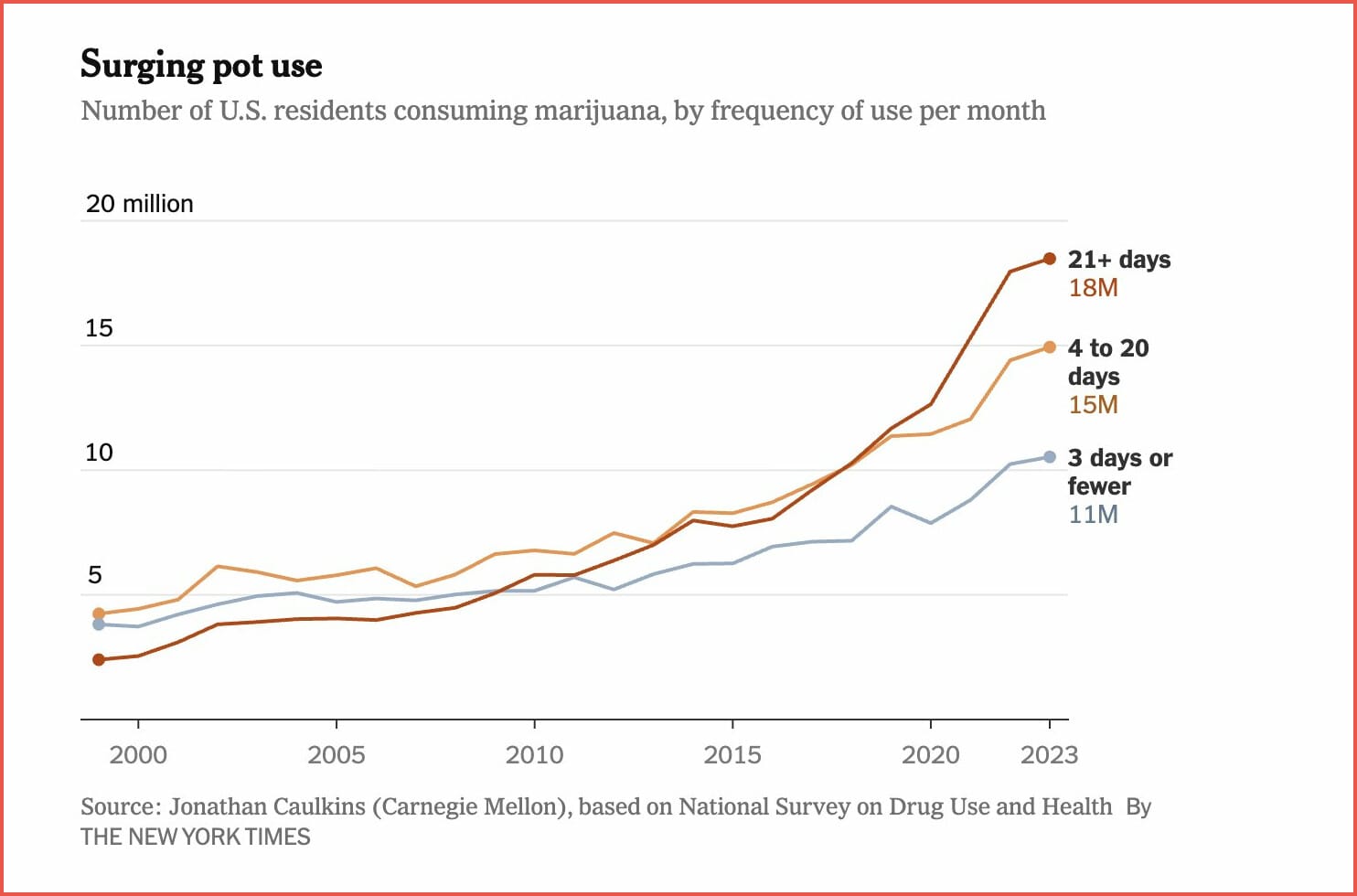
I. Frequent Marijuana Use Hits Record Levels
About 18 million Americans now use marijuana 21 or more days per month, marking a sharp rise over the past two decades. The number of frequent users has climbed steadily since legalization expanded across many states.
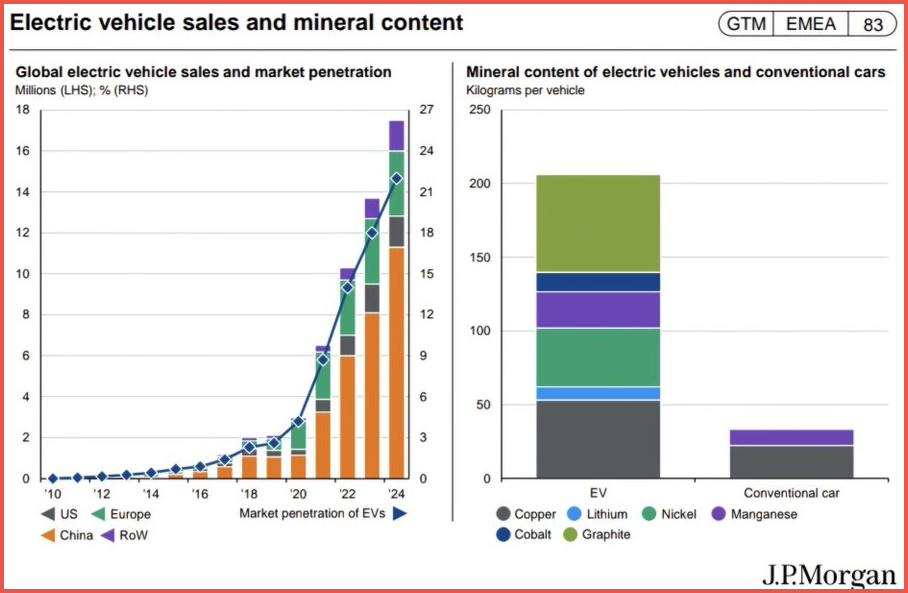
II. Electric Vehicles Require Far More Minerals Than Gas Cars
Electric vehicles use significantly more raw materials than traditional cars, including large amounts of copper, lithium, nickel, and graphite. Analysts estimate EVs require several times more minerals per vehicle, raising expectations of growing demand for mining and processing capacity.
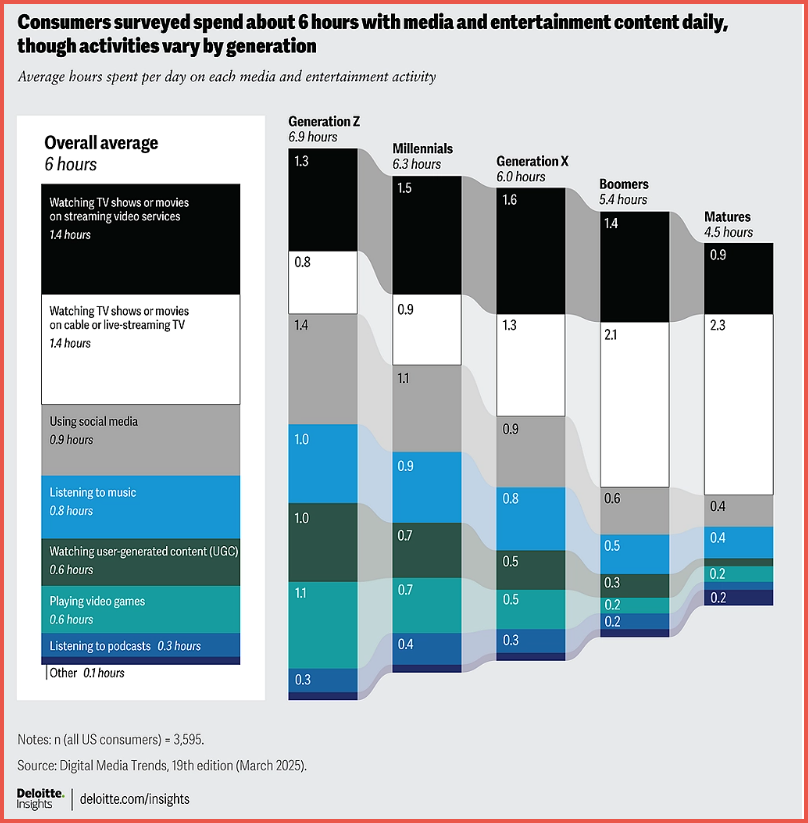
III. Americans Spend Similar Media Time, Habits Differ by Age
Americans spend about six hours per day consuming media, but how that time is used varies widely. Younger generations spend more time on social media and streaming, while older groups devote more time to traditional TV.
The TIPP Stack
Handpicked articles from TIPP Insights & beyond
1. The EU Is Trying To Steal Hungary’s Elections—Gerry Nolan, Ron Paul Institute for Peace and Prosperity
2. Newsom Won’t Cut Ties To Homeless Fraudster Firm—Susan Crabtree, The Daily Signal
3. Is This The End Of Transgender Hysteria?—Josh Hammer, The Daily Signal
4. The Department Of Education Lives On—Adam Dick, Ron Paul Institute for Peace and Prosperity
5. Americans Vote With Their Feet—Star Parker, The Daily Signal
6. Pollsters Don’t Ask If Anti-ICE Activists Have ‘Gone Too Far’—Tim Graham, The Daily Signal
7. ‘NOT ACCEPTABLE’: Trump Admin ‘Clamping Down’ On Foreigners Taking American Jobs—Elizabeth Troutman Mitchell, The Daily Signal
8. Brazil’s Social Function Trap: When Property Becomes Conditional, Markets Become Political—Antonio Vladika, Mises Wire
9. Penicillin And American Power—Paolo Surico, Project Syndicate
10. Super Bowl LX Program Features Heritage Foundation Ad—Rob Bluey, The Daily Signal
11. ‘Melania’ Shows First Lady Living With Purpose And Style—Virginia Grace McKinnon, The Daily Signal
12. Trump Shreds Olympic Skier Hess Over Comments About Repping The US—Sheila Dang, The Daily Signal
13. Conservative Media At A Crossroads: Daily Signal’s Rob Bluey On Press Freedom, Trust, And Future Of Journalism—Daily Signal Staff, The Daily Signal
14. History Is Not A Mathematical Calculation—Wanjiru Njoya, Mises Wire
15. Syria On Path To Genocide, Former Trump Official Warns—Virginia Allen, The Daily Signal
16. Has Gen Z’s Relationship With Religion Really Shifted? A New Chapter In Belief—Katherine Matt, The Daily Signal
17. Machiavelli Is Dead: Why Politics Without Property Rights, Rules, And Moral Limits Cannot Work—Jenny Joy Schumann, Mises Wire
18. We Will Barro You—David Gordon, Mises Wire
19. 4 House Primaries You Need To Watch—George Caldwell, The Daily Signal
📊 Market Mood — Tuesday, February 10, 2026
🟩 Tech Rebound Keeps Indexes Near Records
AI-linked tech gains push the Nasdaq and S&P 500 close to fresh highs despite cautious futures trading.
🟧 Earnings Wave Tests Market Momentum
Results from major consumer, healthcare, and tech firms this week will gauge corporate strength early in 2026.
🟦 Retail Sales Data in Focus
Investors await fresh retail sales figures for clues on whether U.S. consumer spending remains resilient.
🟨 Japan Stocks Hit Record on Pro-Growth Optimism
Japanese equities surge to new highs as markets cheer Prime Minister Takaichi’s pro-business agenda.
🗓️ Key Economic Events — Tuesday, February 10, 2026
🟩 8:30 AM — Retail Sales & Core Retail Sales (December)
Measures consumer spending trends, with core sales offering a clearer view of underlying demand driving U.S. economic growth.
editor-tippinsights@technometrica.com