
U S agriculture officials have confirmed two additional cases of the New World screwworm, bringing the total number of known infections to four and raising concerns about the spread of the flesh-eating parasite in the Southwest.
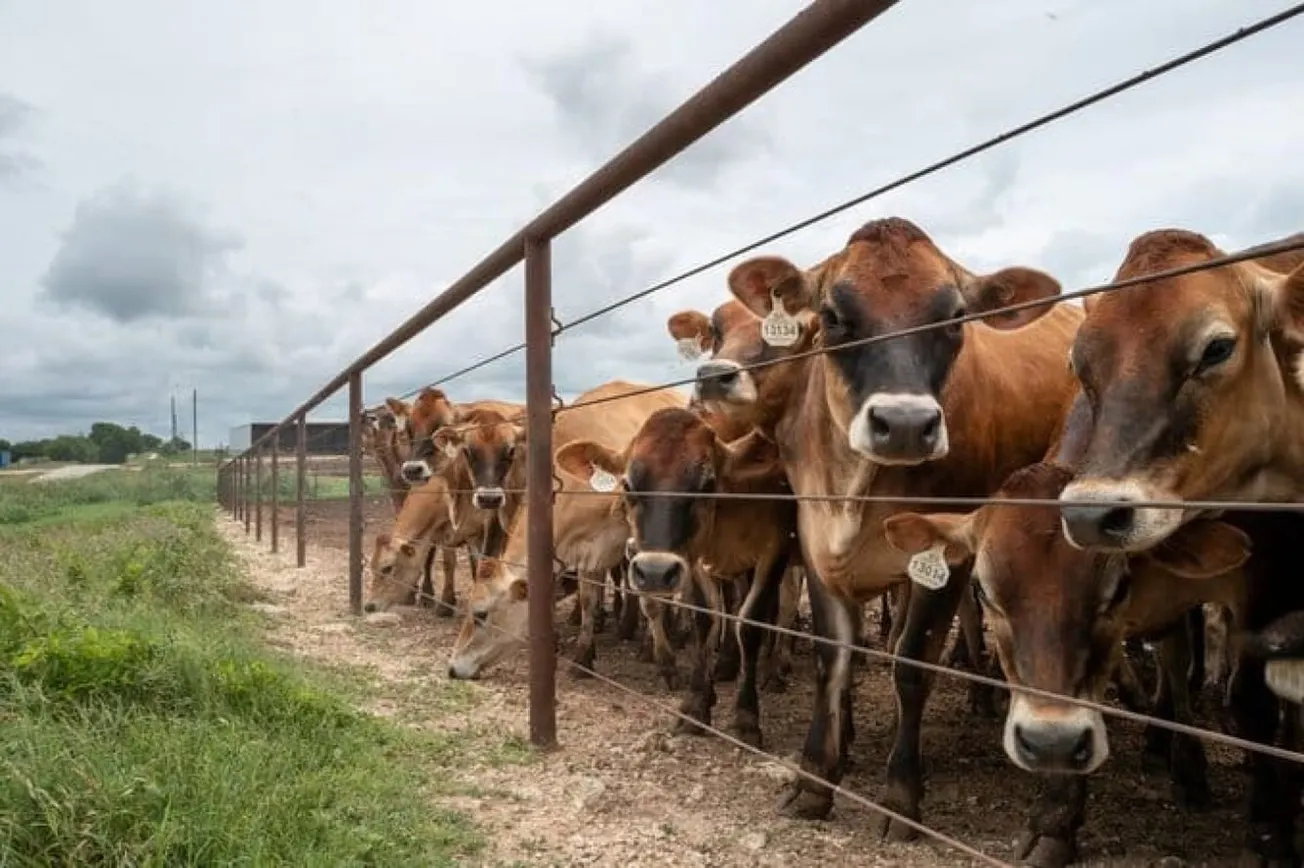
According to the U.S. Department of Agriculture, the latest cases involve three infected calves in Texas and a dog in New Mexico.
The parasite, which is the larval stage of a fly species, feeds on living tissue and can cause severe injuries to animals.
Experts say the increase in confirmed cases may reflect heightened surveillance rather than a sudden surge in infections.
Entomologist Edward Burgess noted that ranchers and veterinarians are now paying closer attention following the first reported cases.
Meanwhile, Texas officials have urged additional action, arguing that a faster response is needed to prevent wider spread.
Canada has temporarily halted livestock imports from Texas as a precaution, although beef prices have remained stable.
Authorities continue encouraging ranchers to inspect animals regularly and report suspected infections immediately.
Related Tweet:
The New World screwworm is back in the US, and the infection of a dog in New Mexico is raising concerns about the risks to animals beyond cattle. https://t.co/el4X5qET8P
— Bloomberg (@business) June 9, 2026
Related Video:
Additional cases of New World screwworm are confirmed in the US, including in Texas, Secretary of Agriculture Brooke Rollins said https://t.co/dZopZsYGsX pic.twitter.com/sC855K91su
— Reuters (@Reuters) June 8, 2026
Also Read:
 TIPP Staff