
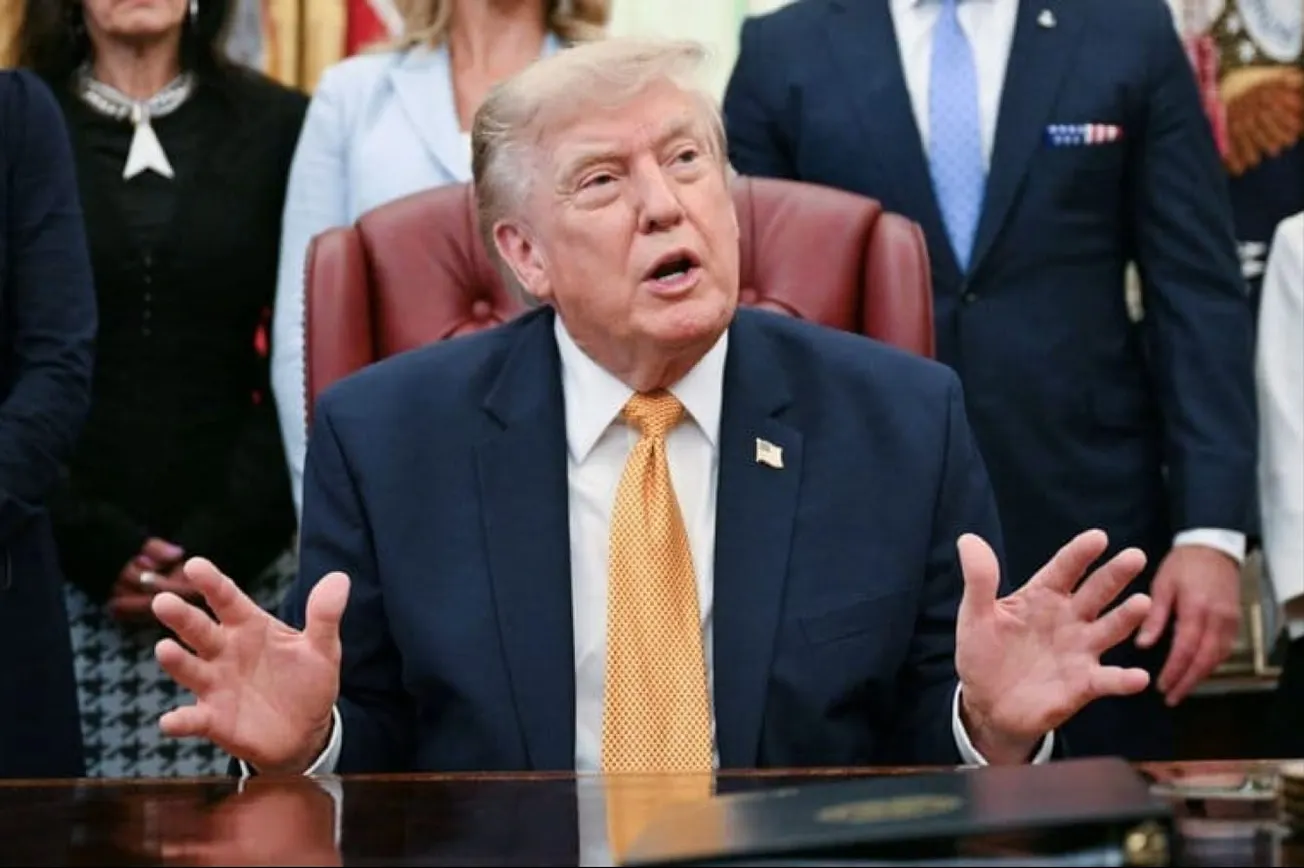
Trump Criticizes Exxon, Chevron Over Iran War Profits
The increase has been driven in part by concerns over disruptions to oil shipments through the Strait of Hormuz.
TIPP Poll data on Americans' perception of the economy is the foundation for this section. Topics covered include U.S. consumer confidence, consumer sentiment, job market, economic growth, recession, financial stress, economic outlook, personal financial outlook, federal economic policies. We also cover trade, taxes, and debt. Our TIPP economic optimism index, financial stress index, job sensitivity metrics, and other polling on current economic issues drive the discussions.
The increase has been driven in part by concerns over disruptions to oil shipments through the Strait of Hormuz.

The ISM Purchasing Managers' Index rose to 55.6 in July from 53.3 in June, beating analysts' expectations of 54

The benchmark 10-year Treasury yield slipped to 4.688%, while the two-year and 30-year Treasury yields also moved lower
Cleveland Fed President Beth Hammack, Minneapolis Fed President Neel Kashkari and Dallas Fed President Lorie Logan opposed the central bank's decision to hold rates steady for a fifth consecutive meeting.

According to Commonwealth Bank of Australia, shipping through the Strait of Hormuz has recovered to about 30% to 35% of pre-conflict levels.


Mamdani’s office noted that the basket of goods “will include all fresh produce, meat and seafood, along with roughly 20 additional categories of pantry staples, dairy and refrigerated goods.”

Six of the entities targeted for sanctions were based in China, it said.

The previous week's figure was revised upward to 188,000, while the four-week moving average, which smooths short-term fluctuations, declined to 202,750.
Gross domestic product grew at an annualized rate of 1.5% between April and June, below both the previous quarter's 2.1% pace and economists' forecasts
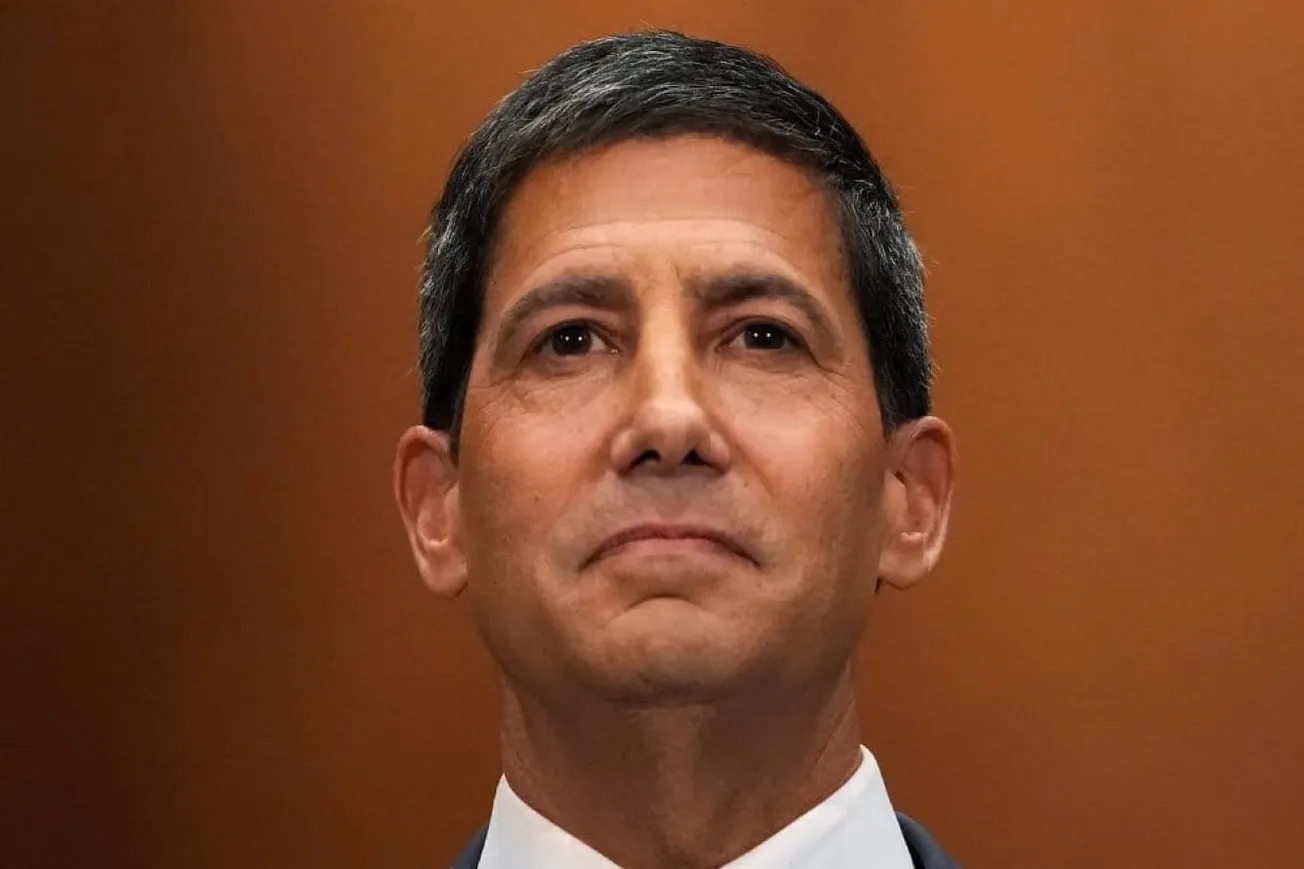
Federal Open Market Committee voted 9-3 to keep rates steady

The report said China's Commerce Ministry maintained that the country has never pursued a large trade surplus as a policy objective and dismissed claims of a so-called "China shock 2.0" as unsupported by evidence.
The Fed’s economists have established that policymakers should target inflation at two percent

The latest action follows an earlier round of 76 removals announced after Treasury Secretary Scott Bessent launched a comprehensive review of sanctions policies in May.

Economists know this as the “resource curse,” a specific version of which is the Dutch disease where the resource-rich country’s fiat currency gets bid up and undermines most other sectors’ competitiveness.

Those policies have led to economic stagnation, high unemployment, soaring migrant crime, and the gradual erosion of citizens’ basic political and religious rights.