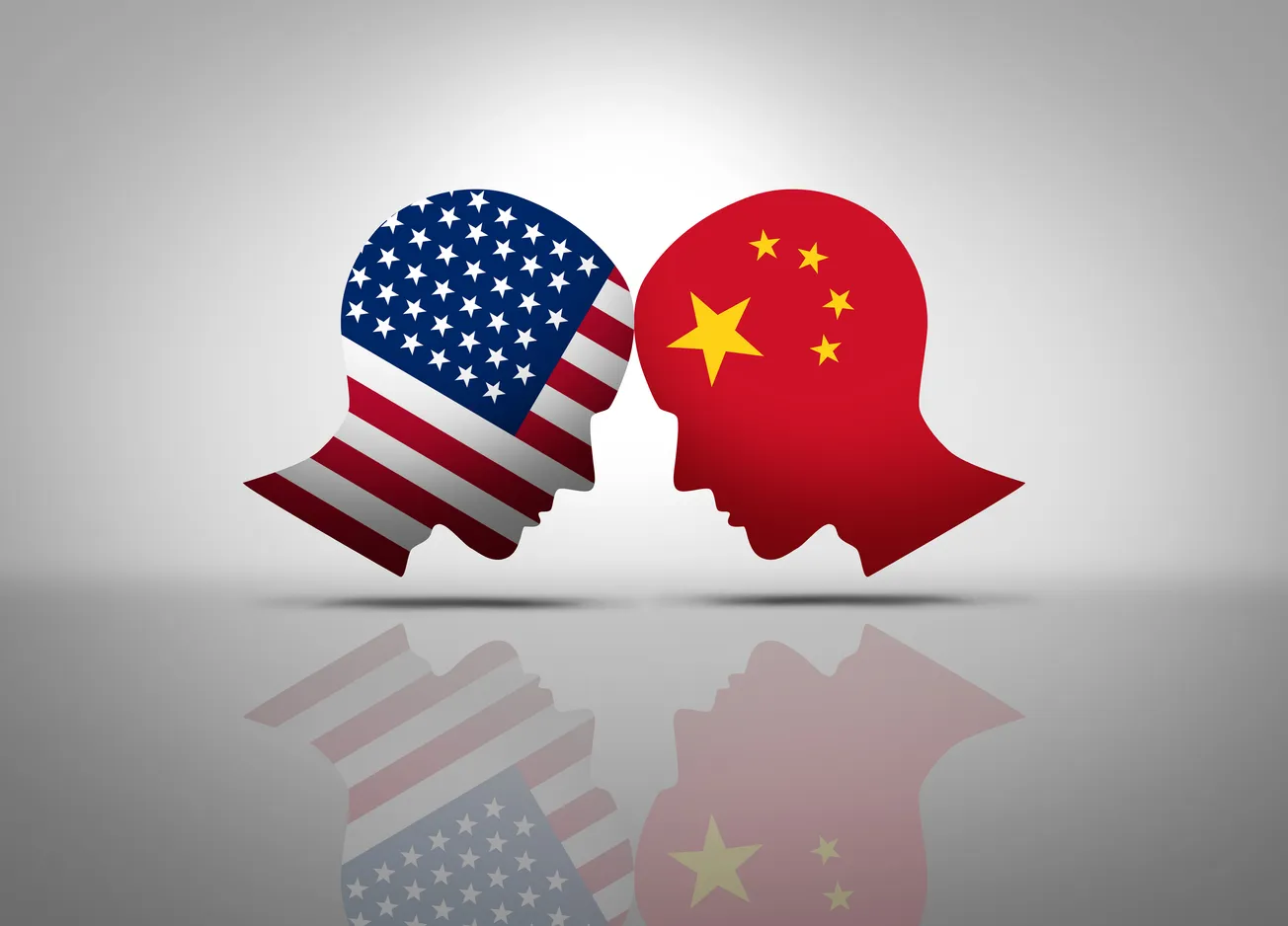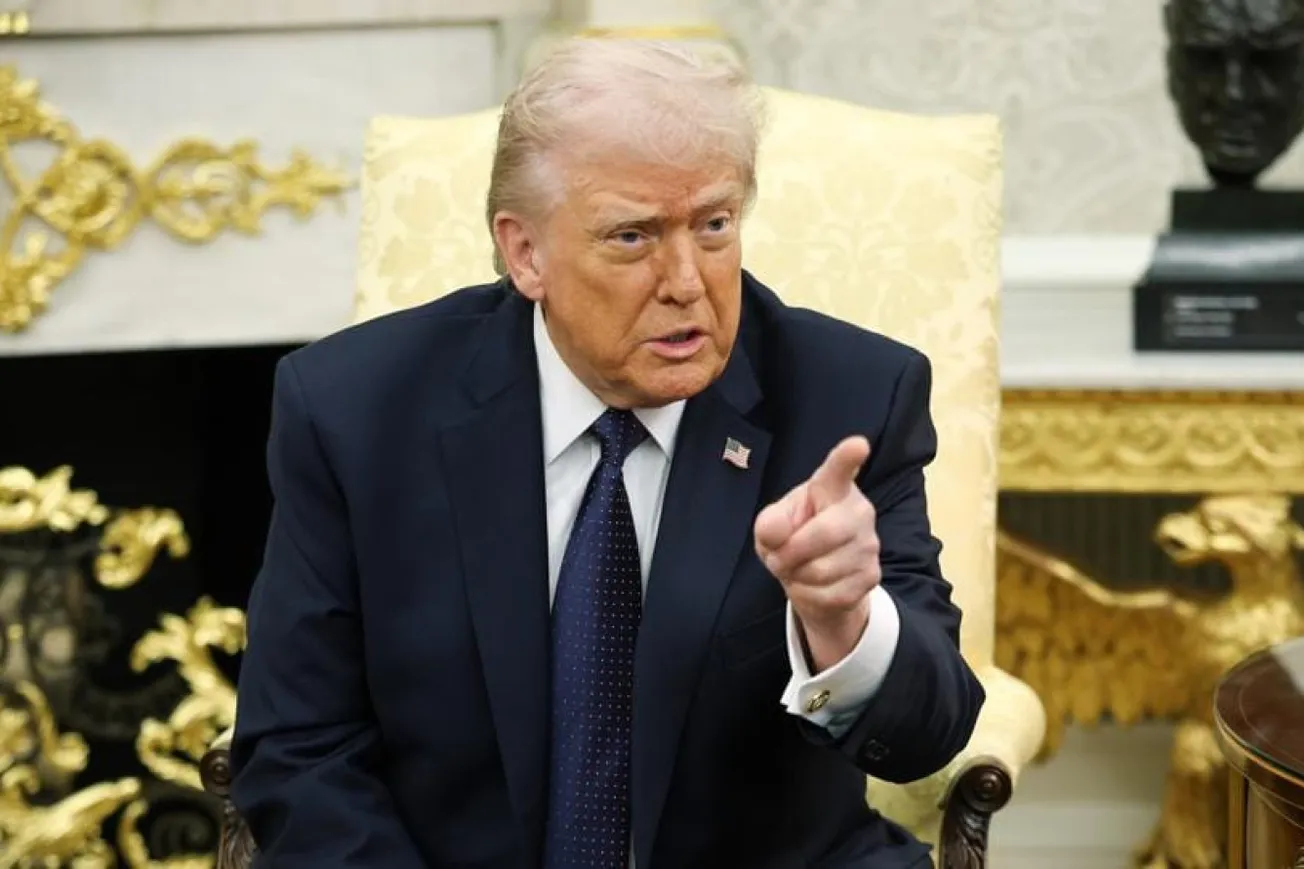
What Trump’s critics don’t understand—and probably never will: President Trump isn’t rattled. He’s composed, deliberate, and in control—which drives his opponents crazy.
But instead of fixating on his tone, measure his results. Trade victories are stacking up, each one strategically designed to favor America.
And why shouldn’t we enjoy these kinds of wins?
We earned them through generations of sweat, toil, and ingenuity, all of which built the U.S. consumer market into the most coveted in the world—the literal engine of global discretionary demand. Access to it isn’t automatic, and therein lies the leverage. For the first time in decades, we have a leader who knows how to employ those earned advantages.
Critics see disruption and scream chaos, but they confuse volatility with recklessness. In reality, disruption is the strategy. Tension is the prerequisite tool, and while it makes some ninnies uncomfortable, this rigged system cannot be unwound by simply asking politely. After decades of American acquiescence on trade, the old economic regime will not just submissively fade away.
Accordingly, this process isn’t accidental—it’s engineered. Trump guards the strategic sectors of the U.S. economy through calculated, targeted, and surgical incentives and prohibitions to grow domestic production of semiconductors, steel, medicine, energy, and defense technology.
Behind the TV news chyrons and hand-wringing, a blueprint unfolds. This emerging paradigm harnesses America’s unmatched strengths to reorient global trade and tip the balance back toward U.S. workers.
That kind of work demands poise, not polish. That kind of grand task necessitates brains, leverage, and calm under pressure. Think Tom Brady in the pocket: the chaos swirls, the hits keep coming—but he hangs in and delivers the throw.
Trump operates the same way. While his critics flinch, he closes. This isn’t small-ball, and these wins are not incremental. Instead, this process accelerates a truly global correction—long overdue—and only possible through business instincts brought into geopolitics.
Even former FBI hostage negotiator Chris Voss would recognize the method. In Never Split the Difference, Voss lays it out: apply pressure. Stay detached. Never settle halfway.
Sound familiar?
But Trump’s critics cannot see past their own biases to discern the mounting stack of headline-worthy wins. Consider the results, just in July:
European Union:
- $600B in EU investment
- $750B in U.S. energy purchases
- Broad tariff reductions for American exports
- 15% across-the-board tariffs for European firms—unless they move production to the U.S. and hire American workers.
Japan:
- The tariff cap was lowered to 15% (from 25%)
- $550B investment fund with direct U.S. veto power
South Korea:
- 15% tariff agreement
- $350B investment in the U.S.
- $100B LNG purchase commitment
China:
- Talks resume.
- Tariff protections hold.
- The deadline looms—and the leverage is as American as apple pie.
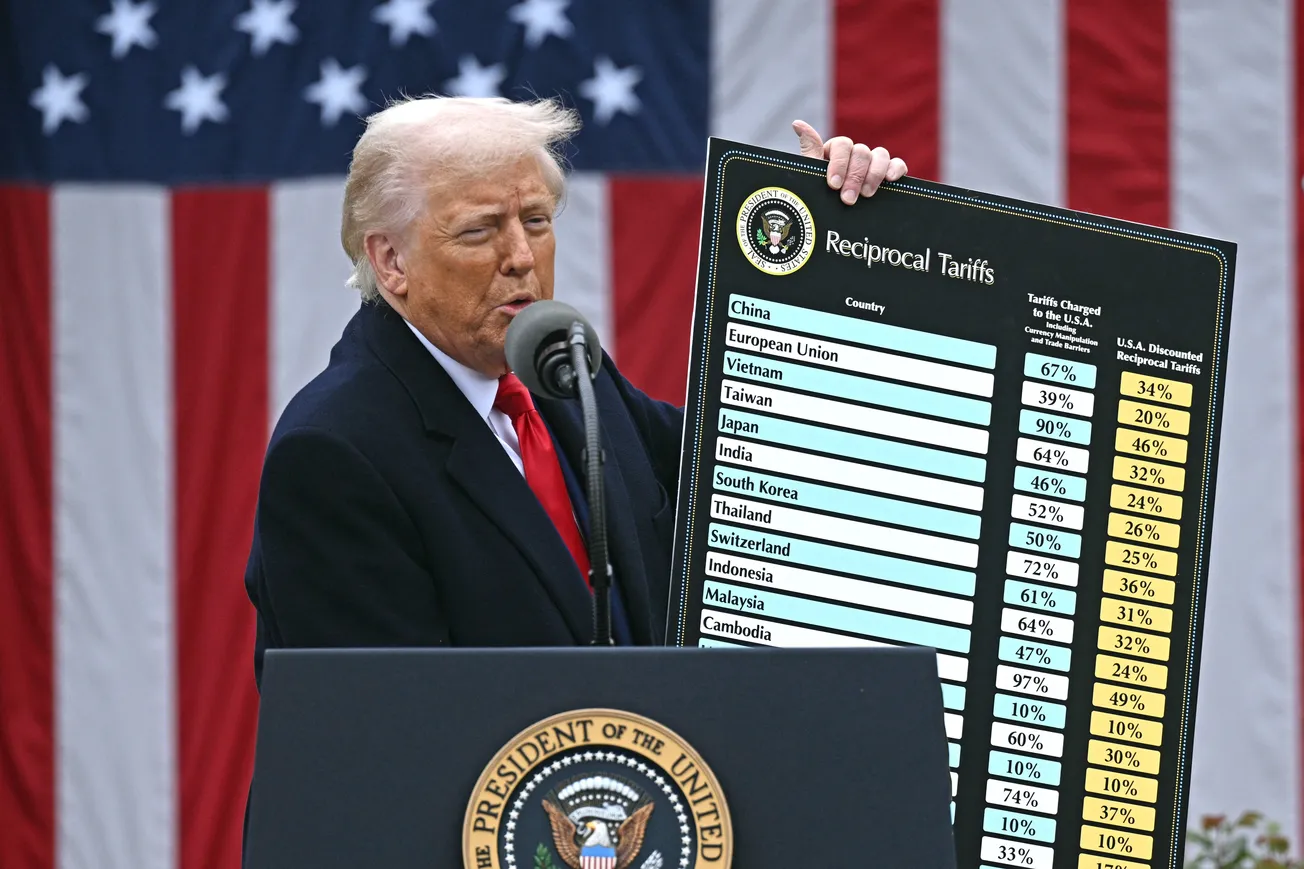
Tariffs aren’t punishment—they’re strategy. In this new era, tariffs represent policy and positioning. They compel the secure rebuilding of supply chains. In this process, America reclaims the leverage we are due, and reasserts our primary role in shaping the terms of global trade—not reacting to them.
So, it’s not a tantrum, not remotely. It’s a recalibration.
As Scott Adams wrote in Win Bigly, Trump isn’t unpredictable. He’s persuasive.
He throws the political equivalent of a knuckleball—deliberately unconventional and difficult to counter.
Adams and Trump recognize that superpowers don’t beg and don’t need to ask for permission. We are done allowing the ruling class of this country to profit and thrive by managing a national decline.
What beckons? Nothing less than a golden age—built on leverage, clarity, and control.
Steve Cortes is president of the League of American Workers, a populist right pro-laborer advocacy group, and senior political advisor to Catholic Vote.
He is a former senior advisor to President Trump and JD Vance, plus a former commentator for Fox News and CNN.
TIPP Takes
Geopolitics, Geoeconomics, And More
1. Kremlin Calls Putin-Witkoff Talks "Constructive" As Sanctions Loom - TIPP Insights
The Kremlin described a three-hour meeting between President Vladimir Putin and U.S. special envoy Steve Witkoff as "constructive and useful," ahead of a possible new round of sanctions from the Trump administration.
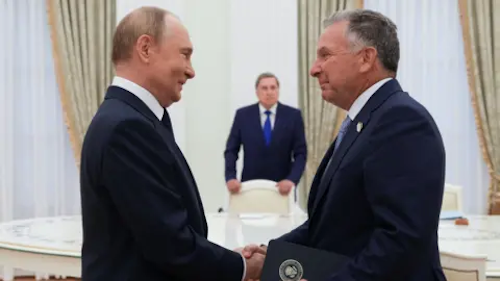
President Trump, frustrated by Moscow's intensified attacks on Ukraine, has warned of fresh sanctions if no progress is made. The White House awaits Witkoff's briefing before deciding next steps. In the meantime, Russia escalated its assault, targeting cities and critical infrastructure.
2. Trump Threatens 50% Tariffs On India For Buying Russian Oil - BBC
President Donald Trump has issued an executive order hitting India with an additional 25% tariff over its purchases of Russian oil. That will raise the total tariff on Indian imports to the United States to 50% - among the highest rates imposed by the US.
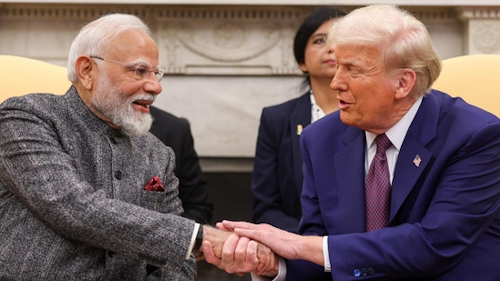
The new rate will come into effect in 21 days, so on 27 August, according to the executive order.
A response from India's foreign ministry on Wednesday said Delhi had already made clear its stance on imports from Russia, and reiterated that the tariff is "unfair, unjustified and unreasonable".
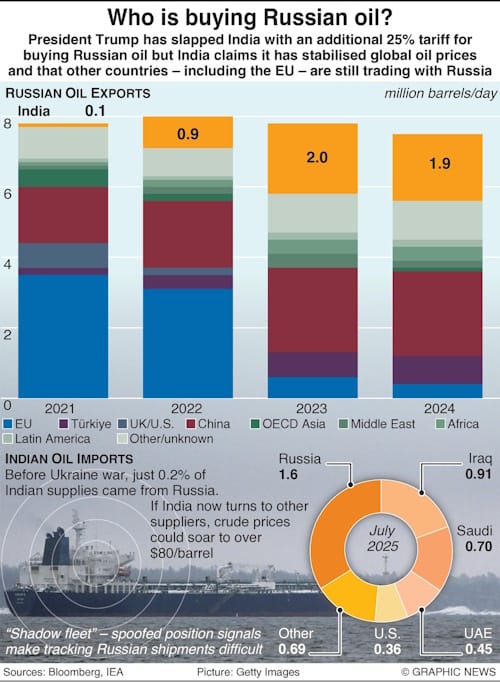
3. Who Is Buying Russian Oil? - TIPP Insights
President Trump has slapped India with an additional 25% tariff for buying Russian oil, but India claims it has stabilized global oil prices and that other countries, including the EU, are still trading with Russia.
4. Poland: Trump-Backed Nawrocki Sworn In As New President - DW
Conservative Karol Nawrocki spoke against the euro single currency in his first speech as president. He's set for a confrontation with Polish Prime Minister Donald Tusk.
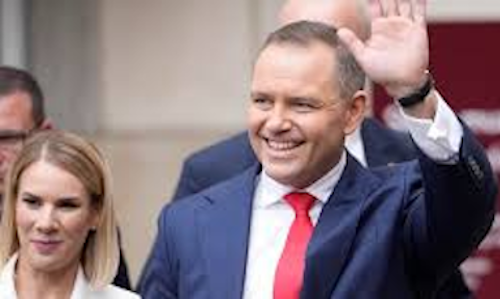
Nawrocki's campaign motto was "Poland first, Poles first," and he sees the EU as a threat to Polish sovereignty.
He has also spoken against support for Ukraine and its bid to join the EU or NATO.
5. Japanese Population Down Record 900,000, 16th Straight Year Of Decline - Kyodo
The population of Japanese nationals in 2024 fell by around 908,000 from a year earlier to 120,653,227, declining for the 16th straight year and the largest drop since the current survey began in 1968, government data showed Wednesday.
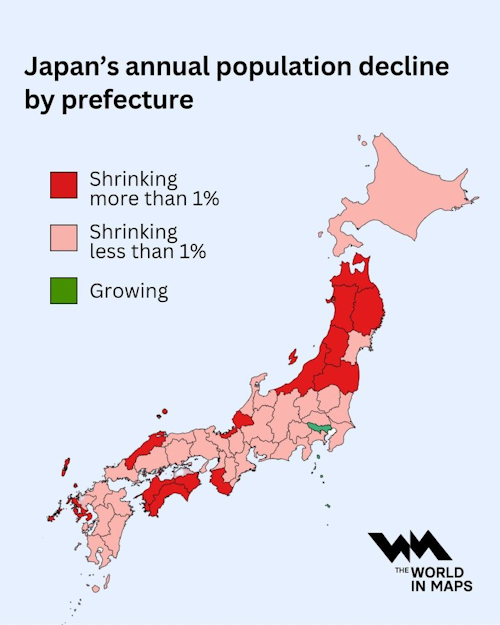
The latest figures come as policymakers continue to struggle to reverse falling birthrates and regional depopulation, and while anxiety over record foreign resident numbers spurs some voters to turn to opposition parties touting slogans such as "Japanese First."
6. Japan PM Vows To Uphold Non-Nuclear Principles On A-Bomb Anniv. - Kyodo
Prime Minister Shigeru Ishiba on Wednesday renewed his pledge to uphold Japan's three principles of not possessing, producing or permitting the introduction of nuclear weapons, as the country marked the 80th anniversary of the U.S. atomic bombing of Hiroshima.
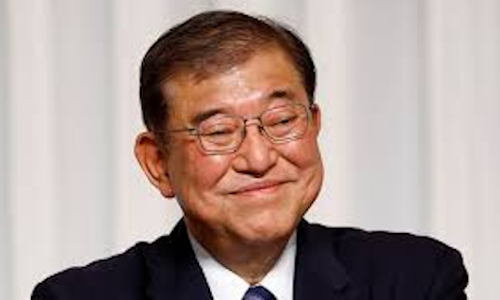
Speaking at a press conference after attending a memorial ceremony earlier in the day in Hiroshima, western Japan, Ishiba dismissed the idea of Japan entering a NATO-like nuclear-sharing arrangement with the United States, which became Tokyo's closest ally in the postwar era.
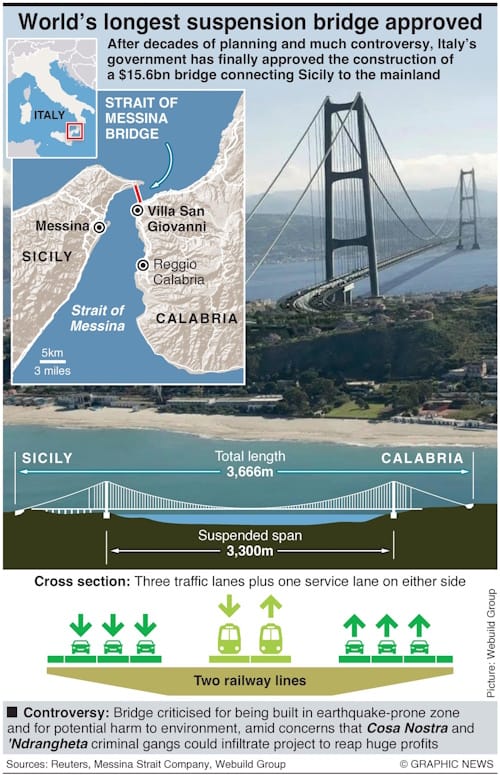
7. Italy Approves Plans For World’s Longest Suspension Bridge - TIPP Insights
After decades of planning and much controversy, Italy’s government has finally approved the construction of a $15.6bn bridge connecting Sicily to the mainland.
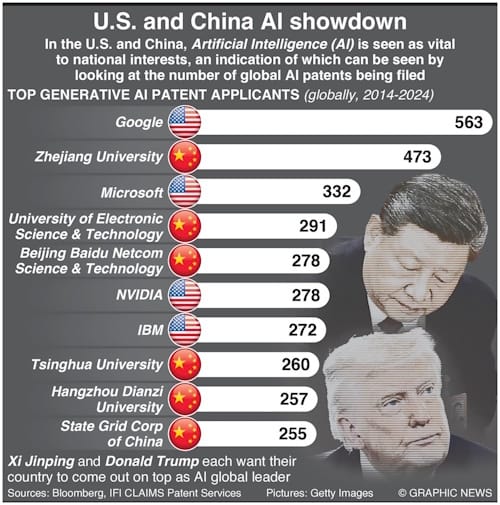
8. It’s A Two-Horse Race For Global AI Dominance - TIPP Insights
In the U.S. and China, Artificial Intelligence (AI) is seen as vital to national interests, as evidenced by the number of global AI patents being filed.
9. Apple Commits $100 Billion More To U.S. Manufacturing - TIPP Insights
Apple is set to invest an additional $100 billion in the United States, President Donald Trump will announce Wednesday, according to the White House. This comes after the tech giant committed $500 billion earlier this year to expand its American operations.
The new funds will support Apple’s American Manufacturing Program, a White House initiative designed to reshore production and safeguard national security. White House spokesperson Taylor Rogers credited Trump's "America First" economic strategy with driving trillions in domestic investment.
10. U.S. Slaps $15,000 Visa Bond On Malawi And Zambia - TIPP Insights
The United States will now require tourists and business travelers from Malawi and Zambia to pay up to $15,000 as a visa bond, effective August 20. The State Department says the refundable deposit aims to curb visa overstays, although payment does not guarantee visa approval.
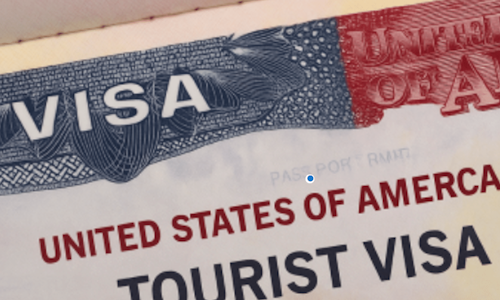
The 12-month pilot program singles out these two African nations, despite neither having the highest overstay rates. The Trump administration continues to tighten immigration policies, including a separate $250 "visa integrity fee."
11. Are Men Or Women Better At Saving Money? Here's What The Data Says - Yahoo Finance
Research shows men tend to have more money set aside, but it’s not necessarily because they’re better savers. Here’s what the data reveals — and why the real issue may not be about spending and savings habits at all.
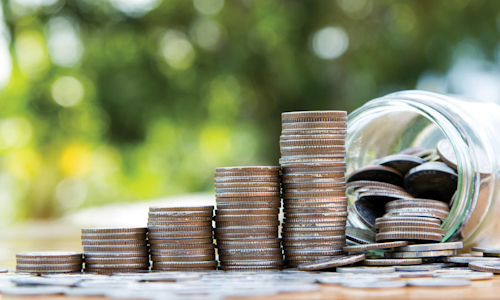
On the surface, it may appear that men are “better” at saving money than women. However, there is a lot more to these numbers than meets the eye.
“The gap is not surprising,” said Jenna Biancavilla, Founder of Svvy® and owner of Pearl Capital Management. “It reflects a combination of cultural norms, systemic realities, and personal choices that women are often forced to make.”
12. Aging Spreads Through The Body Like An Infection, And This Protein Could Be To Blame - Study Finds
Aging may spread through the body via a protein called HMGB1, which sends pro-aging signals between cells, depending on its chemical state. Only the “reduced” form of HMGB1 triggers aging, causing healthy cells to stop dividing and release inflammatory molecules.

Injecting this protein into mice induced signs of aging, while blocking it improved healing and physical performance in older animals. The findings suggest new paths for anti-aging treatments, including drugs that block HMGB1 or its downstream effects.
13. Cognitive Decline Can Be Slowed Down With Lifestyle Changes, From Diet to Exercise and Social Time, New Study Suggests - Smithsonian
A 2,100-participant clinical trial found that structured and self-guided lifestyle changes can improve cognitive capabilities in older, at-risk adults.

“These are cognitively healthy people between the ages of 60 and 79 who, to be in the study, had to be completely sedentary and at risk for dementia due to health issues such as prediabetes and borderline high blood pressure,” explains principal investigator Laura Baker, a researcher of gerontology and geriatrics at Wake Forest University, to Sandee LaMotte at CNN.