
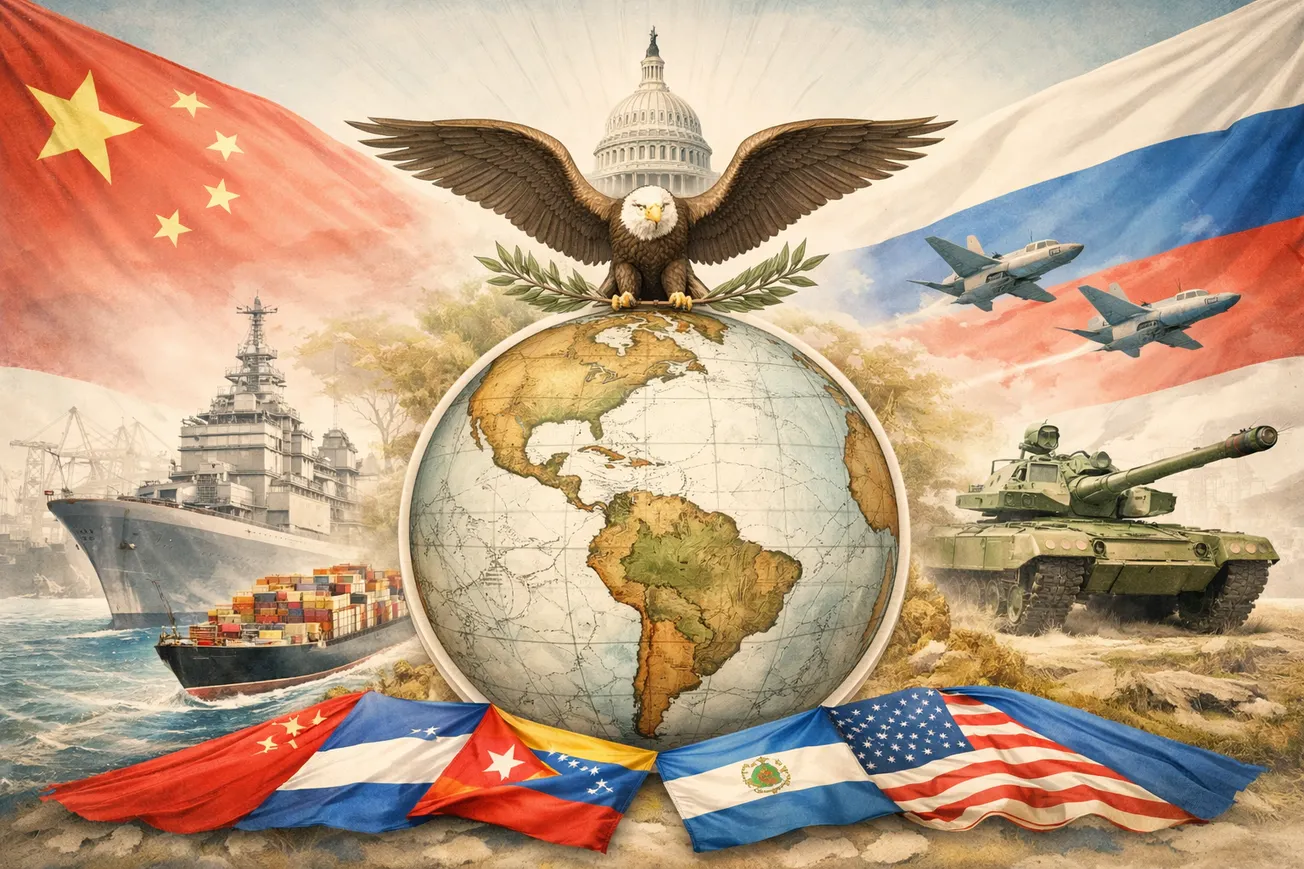
Recent events have once again pushed the Monroe Doctrine to the forefront of global headlines. A cornerstone of American foreign policy, the Doctrine was formulated by President James Monroe in his 1823 annual message to Congress. The fifth President of the United States formulated the doctrine primarily to separate the Americas from European influence.
Put forth at a time when many Latin American countries were breaking away from their colonial rulers and emerging as independent nations, the Doctrine was established to further America’s interests in its backyard and to stave off dominant foreign powers from asserting their influence in its vicinity. While it protected American interests on one hand, the doctrine also ensured that European influence did not undermine the political stability and economic independence of the newly independent nations.
Key Principles
In his address to Congress on December 2, 1823, President Monroe articulated a set of ideas that later historians would distill into four core principles shaping U.S. foreign policy. He declared that the Western Hemisphere was closed to further European colonization and that any attempt to oppress or control newly independent Latin American nations would be viewed as a direct threat to U.S. security. Such a defensive, overtly aggressive stance against European intervention positioned Washington as the enforcer of regional sovereignty.
At the same time, the US committed to avoiding involvement in European internal affairs and ongoing conflicts on the continent. By staying out of the Old World conflicts, such as those involving the Holy Alliance, America signalled that it respected Europe's sphere of influence away from its borders and purview.
While reining in European imperial ambitions, the U.S. recognized the legitimacy of European colonies that already existed in the Americas. Such a declaration prevented conflict over territories already under European rule.
Even as President Monroe recognized existing European strongholds in the region, he explicitly prohibited colonial powers from attempting to "extend their system to any portion of this hemisphere as dangerous to our peace and safety." The fourth tenet of the Doctrine set America apart as a distinct entity, founded on the principles of republicanism and democracy, in contrast to much of Europe, which was based on monarchical and aristocratic institutions.
Impact And Legacy
One of the most significant and enduring principles of American foreign policy, the Monroe Doctrine has been invoked to justify and expand Washington’s interests in the region ever since. Over the following quarter-century, the doctrine was increasingly invoked alongside the spirit of Manifest Destiny to justify America’s territorial expansion, including the annexation of Texas and the acquisition of California and the Mexican Cession after the Mexican-American War.
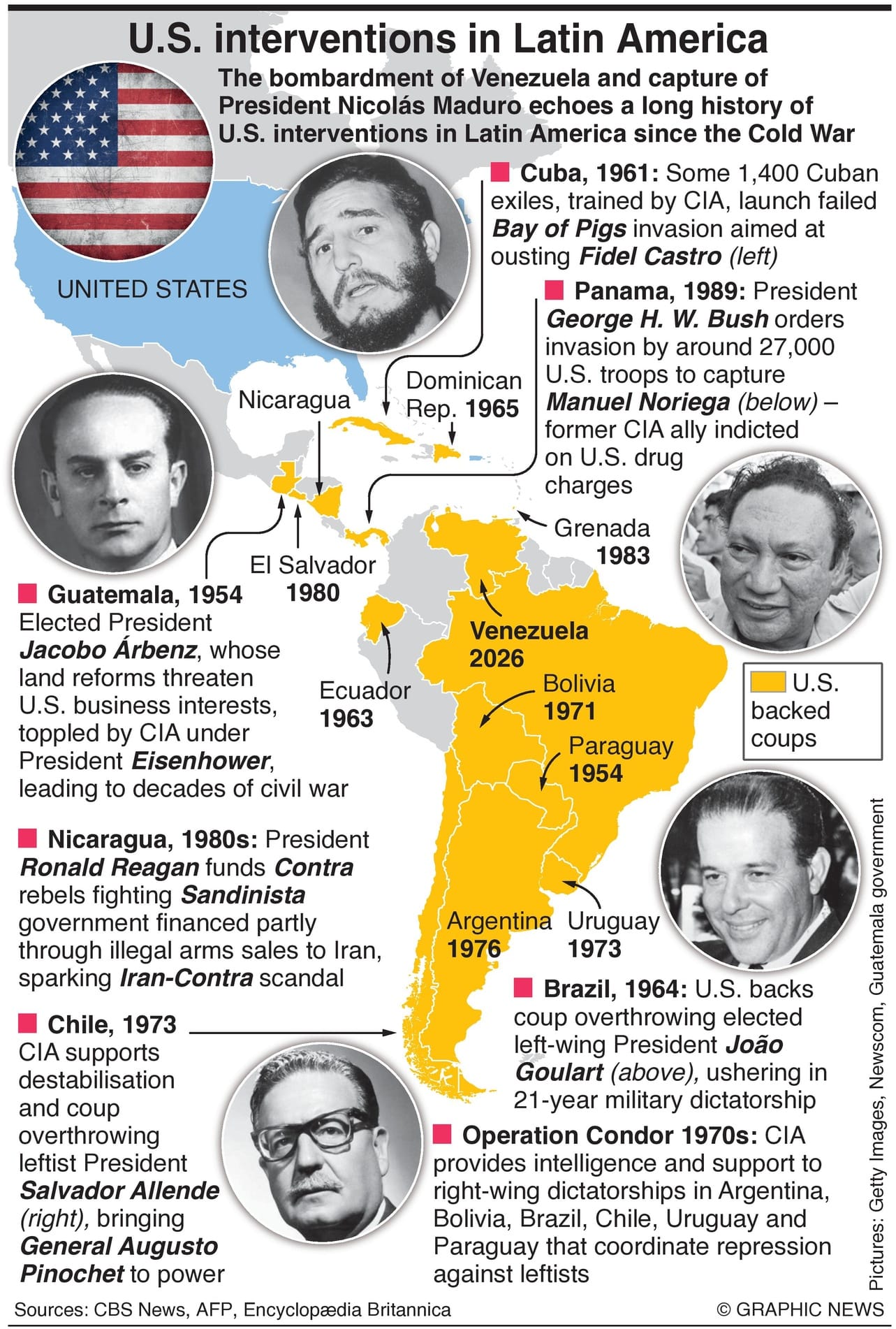
Subsequent administrations have used it to legitimize a range of military and political actions in the Americas, including interventions in Panama, Haiti, the Dominican Republic, Nicaragua, and Cuba.
During the Cold War, the Doctrine's influence expanded to include the threat of communism's spread. The Cuban revolution and Russia’s plans to install long-range missiles in Cuba, which resulted in the Cuban Crisis, were all viewed as a foreign threat to American safety and interests.
Changing World Order
Two centuries after the Monroe Doctrine was established, much has changed in the global order. Europe is no longer a collection of colonial empires with global expansionist ambitions, even as several European states retain significant economic and military power. For decades, the continent has embraced peace and leaned left, though the political landscape is witnessing a distinct change.
Russia continues to assert its influence, despite its flagging economy, thanks largely to its nuclear arsenal and immense natural resources. China has emerged as the United States’ most significant strategic and economic competitor. Meanwhile, America has reigned as a superpower for much of the second half of the twentieth century and well into the twenty-first. Washington has intervened and interfered to diffuse crises, political and military, across the world. NATO continues to bolster territorial security and military strength for much of Europe. Ukraine has managed to resist Russia’s invasion with the help of extensive American intelligence, military and financial support, alongside significant backing from European allies and its own domestic mobilisation. A majority of the nations look to America to uphold and maintain peace and direct the global economy.
Enduring Influence
Despite the changes in the geopolitical dynamics, the Monroe Doctrine’s core principles of opposing foreign intervention and asserting U.S. influence in the Americas continue to shape Washington’s foreign policy. While safeguarding the nation’s geopolitical interests, the application of the four tenets in various situations reflects America’s efforts to maintain the status quo of the balance of power in the Americas and worldwide.
While much may have changed over the past two centuries, the Monroe Doctrine's relevance remains unquestioned. Its legacy of ambition, intervention, and protectionism continues to guide administration after administration, guiding their foreign policy and America’s complex relationship with its neighbors and the broader world.
👉 Quick Reads
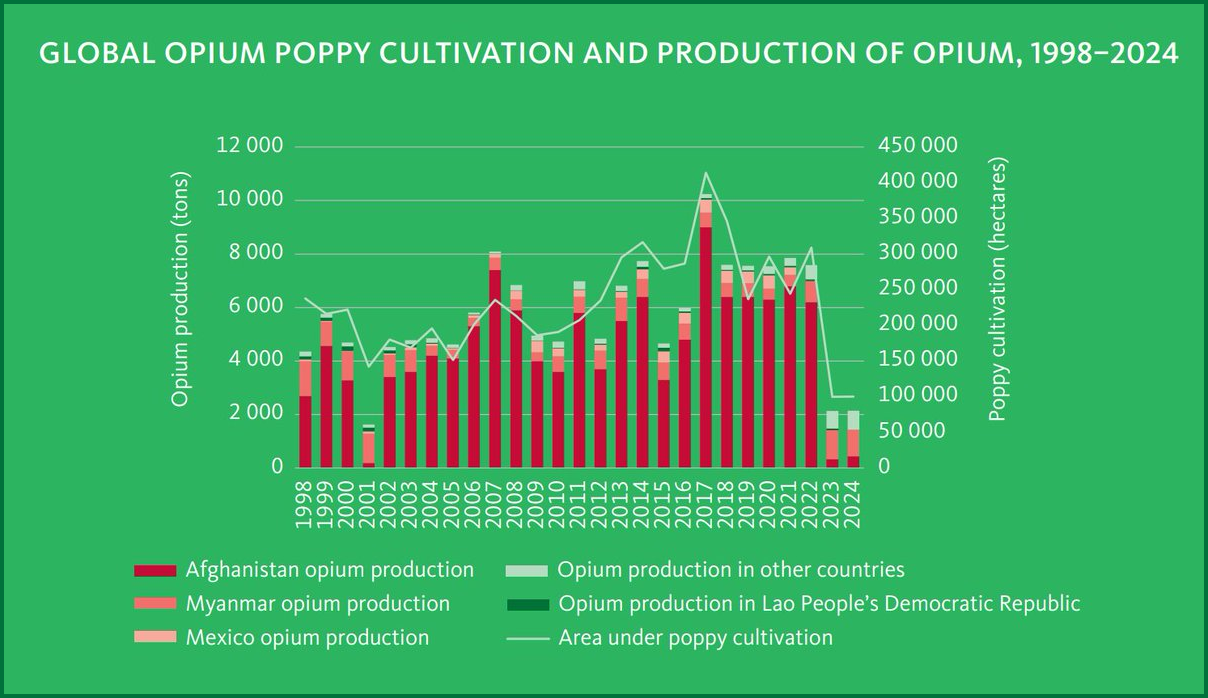
I. Global Opium Production Has Collapsed
After two decades of steady concentration in Afghanistan, global opium output plunged after 2022, with both poppy cultivation and total production falling sharply by 2024 — signaling a structural break in the world’s narcotics supply chain.
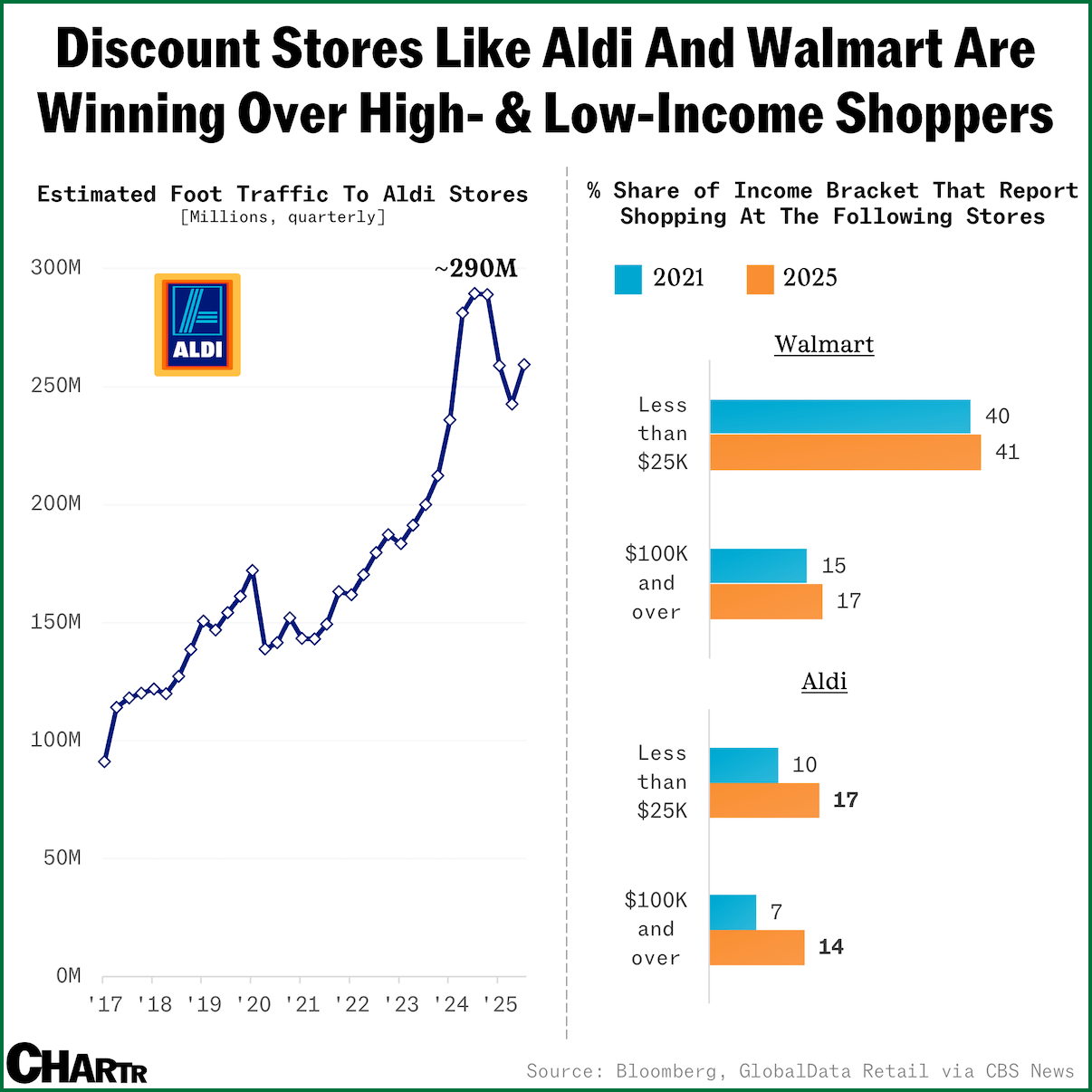
II. America’s Rich Are Shopping At Discount Stores
Nearly three in ten high-income households now shop at discount chains, up sharply from four years ago, as inflation and slower job growth push even affluent Americans toward Aldi and Walmart — turning bargain retailers into the new middle-class mainstream.
The TIPP Stack
Handpicked articles from TIPP Insights & beyond
1. Regime Change And Nation-Building Are Back!—Ron Paul, Ron Paul Institute for Peace and Prosperity
2. Amid Fraud Scandal, Walz Won’t Seek Third Term As Minnesota Governor—Fred Lucas , The Daily Signal
3. Vance’s Ohio Home Attacked—Elizabeth Troutman Mitchell, The Daily Signal
4. The Day The Monroe Doctrine Went Kinetic—Lawrence Kudlow
5. Trump Weighs US Action In Five Other Nations Following Capture Of Maduro—Virginia Allen, The Daily Signal
6. Maduro Arrives In Court And Pleads Not Guilty—Virginia Allen, The Daily Signal
7. Do Central Banks Determine Interest Rates?—Frank Shostak, Mises Wire
8. Hegseth Takes Action Against Sitting Senator—Virginia Allen, The Daily Signal
9. HHS Announces Monumental Changes To Childhood Immunization Schedule—Elizabeth Troutman Mitchell, The Daily Signal
10. HOT Tax Would Let Liberals Pay More, Sparing Everyone Else—Deroy Murdock, The Daily Signal
11. The Statism Of Donald Trump—Llewellyn H. Rockwell Jr., Mises Wire
From TIPP Insights News Editor
12. Activists Say Protest Deaths Mount In Iran Amid U.S. Pressure
13. Russian Oil Still Anchors India Imports Despite Trump Tariff Threats
14. White House Adviser Stephen Miller Signals U.S. Claim To Greenland
15. NATO Uneasy As Trump Signals Strategic Interest In Greenland
16. NATO Allies Push Back On Trump’s Greenland Claims
17. Rare Earths Become Latest Flashpoint In China-Japan Standoff
18. Trump Says U.S. Not At War With Venezuela After Maduro Capture
19. Trump's Venezuela Operation Spurs Security Debate In China
20. China, South Korea Reaffirm Free Trade In High-Level Talks
21. Beijing Bets On Humanoid Robots Through Sports Showcases
22. Lebanon Condemns Israeli Strikes Before Disarmament Briefing
23. Public Broadcasting Corporation Votes To Shut Down After Defunding
24. Why Trump Froze Welfare And Child Care Funds In Five States
📊 Market Mood — Wednesday, January 7, 2026
🟩 Futures Subdued, Data in Focus
U.S. stock futures are quietly mixed as traders shift attention from geopolitical headlines to a fresh slate of economic data.
🟧 Labor Metrics Take Center Stage
Early indicators suggest private payroll gains and a slight dip in job openings — key inputs for the Fed’s view on labor-market health.
🟦 Services and ISM Prints Awaited
The ISM services report is due, offering a broader look at demand and activity across the largest slice of the U.S. economy.
🟪 Constellation Earnings Watch
Spirit maker Constellation reports after the close, with beer shipment volumes expected to reflect ongoing weak demand trends.
🟫 Oil Slips on Venezuela Deal Optimism
Crude edges lower after news that Venezuela may export up to $2B in crude to the U.S., dimming near-term supply concerns.
🗓️ Key Economic Events — Wednesday, January 7, 2026
🟩 8:15 AM ET — ADP Nonfarm Employment Change (Dec)
A preview of private-sector hiring trends ahead of Friday’s official jobs report.
🟧 10:00 AM ET — ISM Non-Manufacturing PMI (Dec)
A key barometer of activity in the services sector, which makes up the bulk of the U.S. economy.
🟩 10:00 AM ET — ISM Non-Manufacturing Prices Paid (Dec)
Tracks input-cost pressures in services, offering clues on inflation trends.
🟦 10:00 AM ET — JOLTS Job Openings (Nov)
Measures labor demand and hiring appetite across the economy.
🟩 10:30 AM ET — Crude Oil Inventories
Weekly update on U.S. stockpiles, shaping near-term oil price direction.
editor-tippinsights@technometrica.com