The last time a senior presidential adviser whispered something to the President of the United States, the iconic image went viral. Andrew Card, President George W. Bush's Chief of Staff, told the President that America had been attacked minutes after the first plane struck the World Trade Center on 9/11. Indeed, the world has not been the same since that gruesome event 24 years ago.
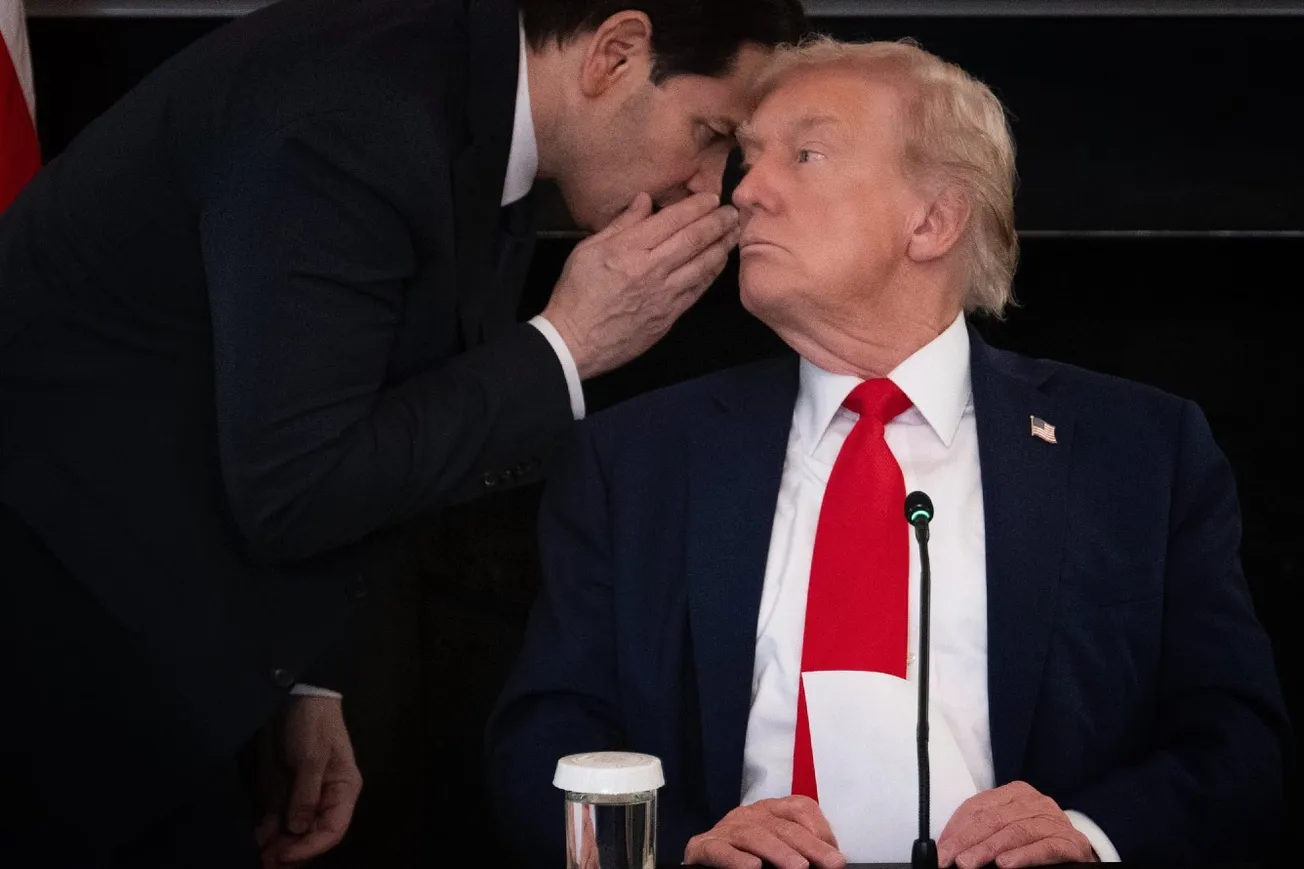
President Bush and President Trump are opposites in every sense of the word. However, when Secretary of State Marco Rubio briefly interrupted President Trump during his Cabinet meeting, which was aired live, by whispering in his ear, those of us watching knew something was afoot.
This time, the words spoken into the presidential ear were about peace, not war. As Rubio later confirmed, President Trump had just orchestrated a peace deal between the Palestinians and Israel, which included the immediate release of living hostages and the remains of those killed, while Israel also agreed to a ceasefire.
Any agreement entered into in the Middle East is always tenuous and uncertain. However, at the time this piece goes to publication, things are holding just fine.
The reactions from around the world were swift. Even people who hate Trump, including the Nobel Peace Prize Committee, privately acknowledged what a momentous accomplishment this is for humanity. Democrats were happy but chose not to credit Trump.
The last two years have been extraordinarily difficult for anyone even remotely connected with the October 7 attacks. What Hamas did will go down in history as one of the deadliest and most shocking attacks in recent history, comparable in magnitude and impact to the actions of Nazi Germany and the genocide triggered by Saddam Hussein’s use of chemical weapons in the Kurdish countryside and during his war with Iran. Of course, 9/11 will also be forever enshrined in human legacy.
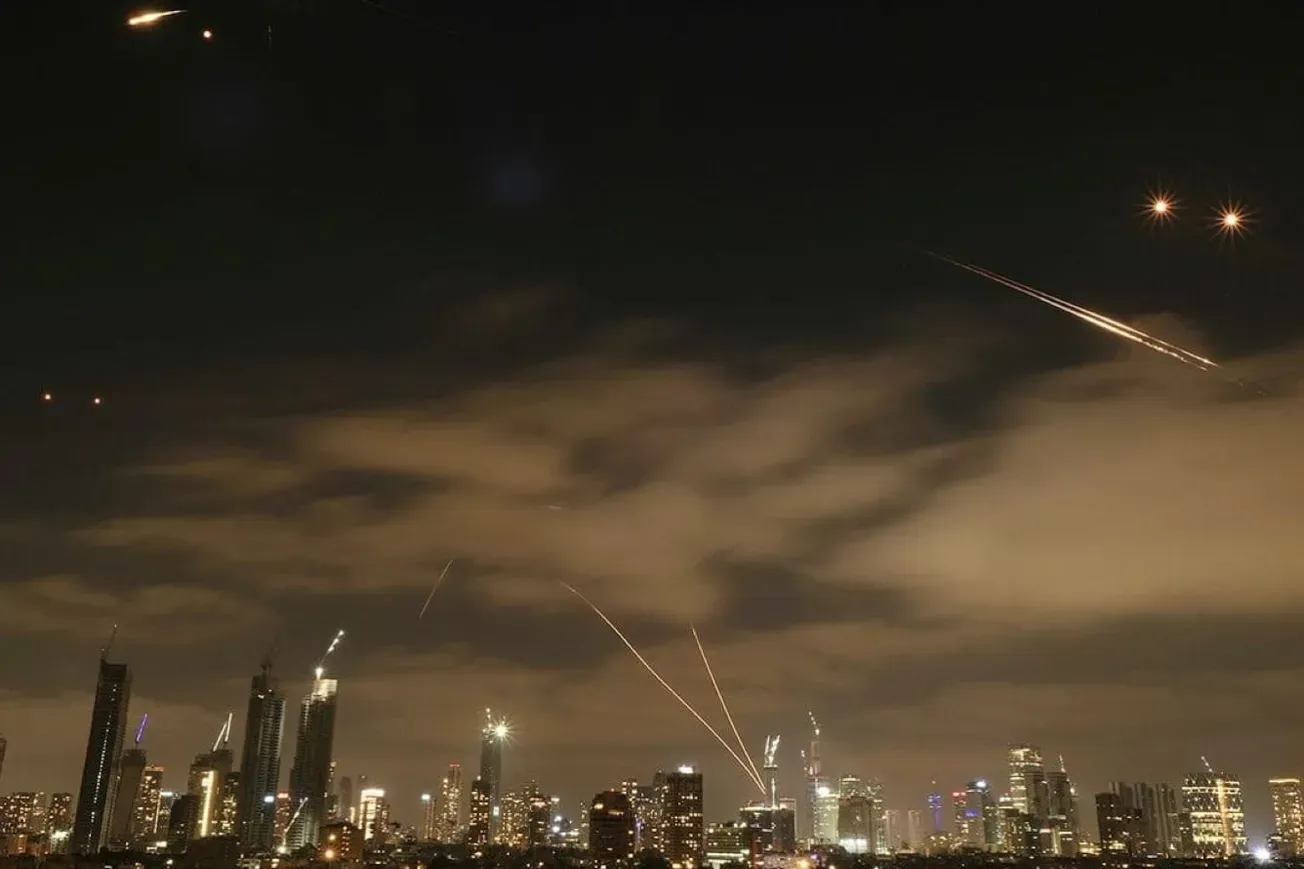
Hamas understood very well that Israel would attack in self-defense, and indeed, global opinion initially supported Israel’s right to self-defense when Israel’s Defense Forces targeted Hamas positions and attempted to recover hostages. If there is one lesson we have learned, it is that any retaliation captures the public mood only for a very short duration. The Hamas attacks took place over a period of a few short hours. If the Israeli response had been limited to a few short days, President Trump's involvement would not have been necessary.
The Hamas strategy was calculated to draw global attention to the plight of the Palestinians and how administration after administration, going back to President Clinton's carefully choreographed handshakes with the leaders of Israel and Palestine in 1995, had achieved little lasting progress.
Hamas capitalized on the failure of Israel's intelligence apparatus, which is again vaunted.
Not only did those failures contribute to an attack of that scale, but Israel was also unaware of the expansive network of underground tunnels that Hamas had built underneath hospitals and schools, many of which were used for ongoing resistance against Israeli Defense Forces and to house the hostages.
Urban warfare is perilous, and in a highly constricted area with some of the world’s highest population densities, civilian casualties are tragically difficult to avoid.
What the world could not foresee in the initial days after the attacks was just how long and how intensely painful the Israeli action—or, as many supporters would say, reaction—would be on the Palestinian people. Conservative estimates put the number of deaths at over 60,000.
The humanitarian crisis of lack of food, water, and medical supplies, along with attempts by Palestinians to flee and their subsequent denial of admission by surrounding nations, was another flashpoint in the conflict. It showed that the Arab League offered rhetorical support but little practical action, while neighboring states resisted taking in refugees.
The conflict spread far and wide, especially to American college campuses, where the deep divisions between the two sides brought American higher education to a halt. Jewish students felt threatened to even step out of their homes and go about their business. Many of the protests turned violent, such as those at Columbia and Harvard. What started as a genuine and heartfelt movement to express empathy with the Palestinians quickly turned anti-Semitic.
We have always been advocates of peace, no matter where conflict occurs. We have been for peace in the Russia-Ukraine conflict, when Iran was escalating its fight with Israel, or when India and Pakistan went into armed strife earlier this year, again triggered by Pakistani militants whom the Hamas attackers had inspired.
The point is that conflicts will persist because it is often easier to resort to force than to navigate the complicated process of diplomacy, a point the President of Finland made while congratulating President Trump. Diplomacy is complex, and it becomes monumentally harder when people arrive at a negotiating table with strong ideals that they are unwilling to budge on, even a little. It was the disease that afflicted the Biden administration. During that time, political ideology ran roughshod over the painstakingly detailed steps needed to advance trust, which is at the heart of all diplomacy.
The Biden-Harris administration’s approach often sidelined diplomacy in favor of confrontation, leaving America diminished on the world stage.
Today, thanks to President Trump, the Department of State, ably assisted by the Pentagon, has helped bring about peace in Israel-Palestine, something that has eluded multiple Democratic administrations.
And yet, history teaches us that great achievements are not always recognized when they occur.
Humans are fallible and often driven by bias.
So too are the six men and women of the Eurocentric Nobel Peace Committee, who, seated comfortably in Oslo, routinely pass judgment on conflicts they scarcely comprehend, least of all the brutal complexities of the Middle East.
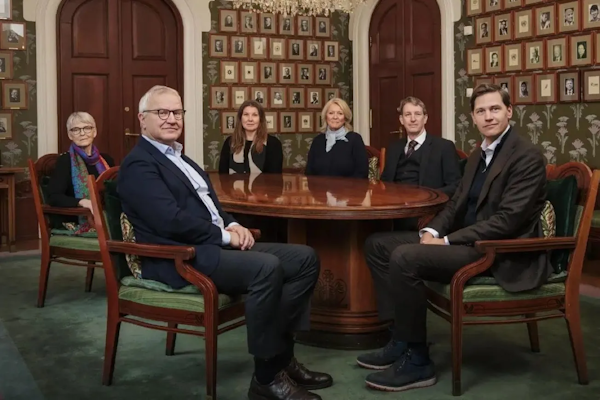
Ronald Reagan, who helped end the Cold War without firing a shot, was never honored. Mahatma Gandhi, nominated five times for liberating a nation through non-violence and for leading a struggle that endured brutalities such as the Jallianwala Bagh massacre and the Bengal Famine, died without the prize, a moral failure so glaring that the committee later admitted its regret. Yet Barack Obama received it in 2009 not for what he had done but for what the committee hoped he might do.
Donald Trump should already have been recognized for the Abraham Accords. Add to this his tireless efforts to end the Russia-Ukraine war, and now for brokering peace between Israel and Palestine.
That the committee still hesitates says more about the politics of Oslo than about the magnitude of what he has achieved. By denying Donald Trump his due, the committee does more than diminish the prize Alfred Nobel created over a century ago. It exposes itself as a relic of political fashion, unworthy of the very achievements it was meant to honor.
History keeps the score, not the committee.

TIPP Top-20 Stock Picks
Each weekend, TIPP Insights spotlights 20 actively traded stocks, all priced above $20 with a 50-day average trading volume greater than 500,000 shares. These names are drawn from themes of innovation, energy, technology, and financial strength.
Think of the Top-20 as your weekend market compass. It is not investment advice, but a disciplined screen to help you focus on liquid, high-quality opportunities as you plan the week ahead.
1. IREN – IREN Ltd. – $59.77 – Crypto mining
2. OKLO – Oklo Inc. – $147.16 – Clean energy
3. QURE – uniQure B.V. – $61.55 – Biotechnology
4. NBIS – Nebius Group N.V. – $129.58 – Cloud services
5. APLD – Applied Digital Corporation – $33.99 – Data centers
6. BE – Bloom Energy Corp. – $86.87 – Industrial energy
7. CDTX – Cidara Therapeutics, Inc. – $113.05 – Biotechnology
8. ASTS – AST SpaceMobile, Inc. – $82.03 – Mobile communications
9. METC – Ramaco Resources, Inc. – $47.20 – Coal mining
10. RGTI – Rigetti Computing, Inc. – $43.92 – Quantum computing
11. MP – MP Materials Corp. – $78.34 – Rare earth mining
12. LEU – Centrus Energy Corp. – $363.71 – Nuclear fuel
13. RKLB – Rocket Lab USA, Inc. – $64.26 – Aerospace
14. BETR – Better Home & Finance Holding Co. – $56.89 – Mortgage finance
15. QBTS – D-Wave Quantum Inc. – $33.02 – Quantum computing
16. UUUU – Energy Fuels Inc. – $20.34 – Uranium & rare earths
17. HOOD – Robinhood Markets Inc. – $138.96 – Investment services
18. USAR – USA Rare Earth Inc. – $32.61 – Rare earth mining
19. BKKT – Bakkt Holdings, Inc. – $32.94 – Digital assets
20. KTOS – Kratos Defense & Security Solutions, Inc. – $94.63 – Defense
We’ll be back tomorrow with our look at the week’s best performing stocks and ETFs. Stay tuned.
Disclaimer: These stock picks are for informational purposes only and are not investment advice. Please do your own research before investing.
Access our Featured Stocks and TIPP Top-20 archives — exclusive to paid subscribers. Subscribe now → $99/year.