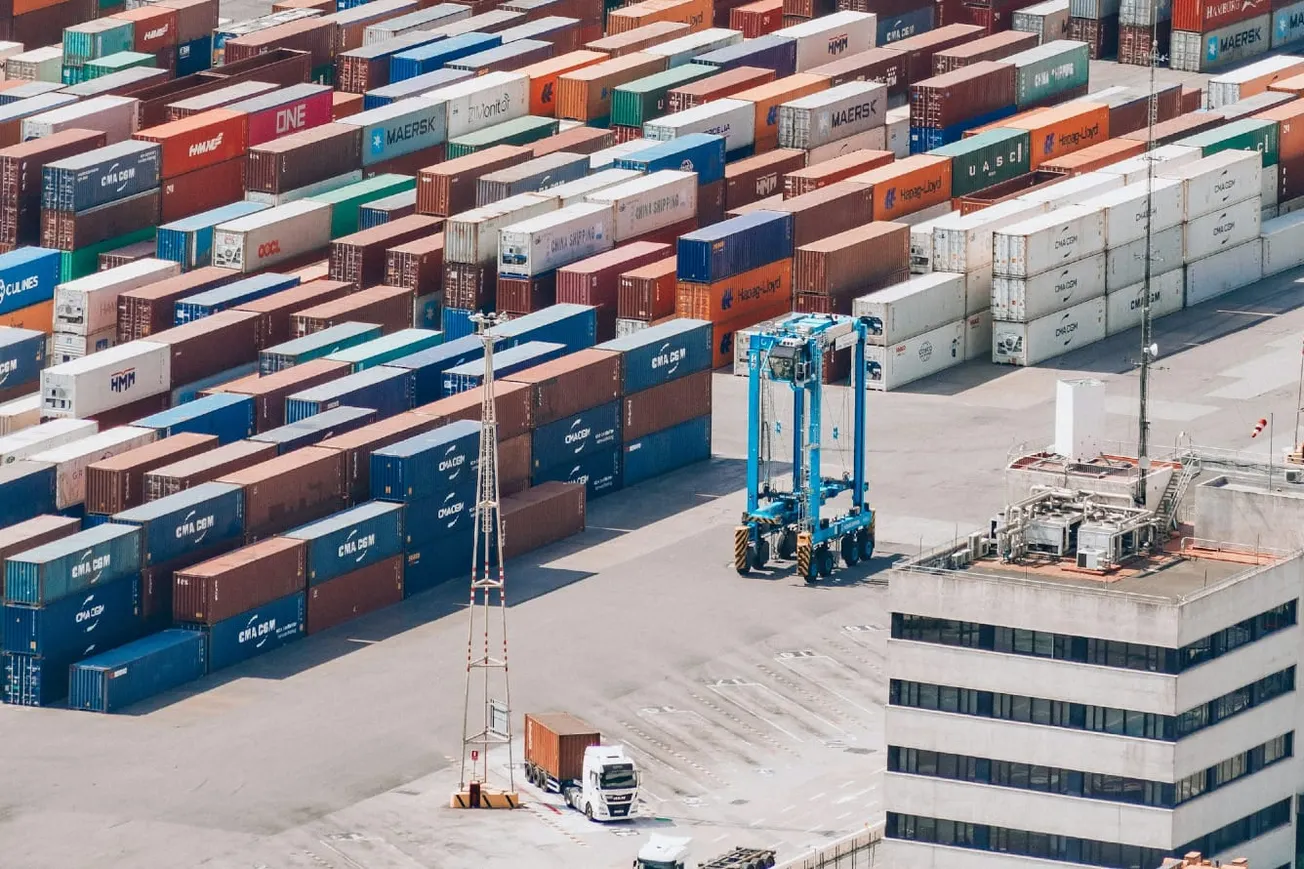
A US federal trade court has ruled that President Donald Trump exceeded his authority by imposing a temporary 10% global tariff under Section 122 of the Trade Act of 1974.
The decision marks another legal setback for the Trump administration’s trade agenda after the Supreme Court previously struck down broader tariff measures introduced earlier this year.
A US federal court has ruled President Trump’s 10% global tariffs illegal in a major blow to the administration's trade agenda. pic.twitter.com/fhvEqTOUZ7
— TaiwanPlus News (@taiwanplusnews) May 8, 2026
According to the ruling by the US Court of International Trade, the administration failed to justify the emergency tariffs under the law.
In a 2-1 decision, the judges said the duties were “invalid” and “unauthorized by law.” One judge dissented, arguing that the president has broader powers on tariff matters and that the plaintiffs had acted too early.
The court blocked the tariffs only for Washington state and two import companies, while allowing the duties to remain in effect for others until they expire in July. The report said the administration could appeal the ruling to higher courts, including the Supreme Court.
Trump criticized the judgment, blaming “radical left judges” and signaling that his administration could pursue alternative legal routes for tariffs.
Also Read:
 TIPP Staff