By Issues & Insights Editorial Board | May 26, 2026
Democrats were quick to make hay of President Donald Trump’s remark that the high price of gasoline “is peanuts.”
But what if he’s right? What if today’s prices are lower than they were, say, when we had a peanut farmer as president? Or many times since then?
Democrats called Trump “out of touch” with everyday Americans.
“’Peanuts’ isn’t how my constituents would describe the spiking gas prices that make everyday life more expensive,” said New Hampshire Sen. Jeanne Shaheen. “POTUS isn’t paying for this war. Middle-class Americans are, and he couldn’t care less.”
Trump is, of course, being maligned … again. What he said was that the cost of gasoline “is peanuts” next to what would happen if Iran got a nuclear weapon.
He’s certainly right about that.
But since when did being fair or accurate matter to Democrats or their handmaidens in the press? Which spent the past several days running headlines about “Soaring Fuel Costs,” “Memorial Day Sticker Shock,” and “Gas Prices … Squeezing America’s Food Banks.”
Still, even if you take Trump’s quotation out of context, he’s not entirely wrong.

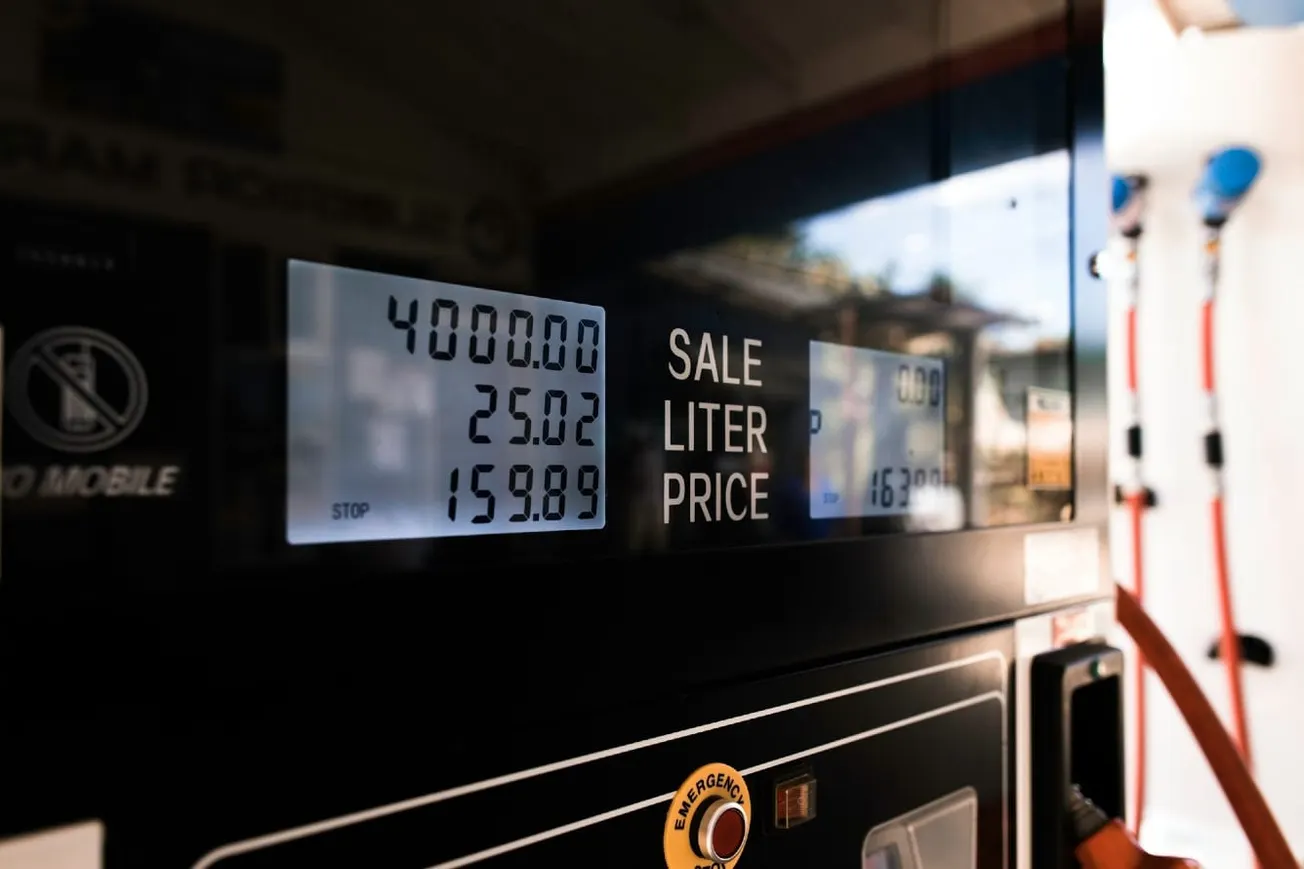
Yes, the national average is around $4.60 a gallon. And yes, that means filling up a tank will cost you more than $50.
But every story about high gas prices leaves out one piece of critically important context. Inflation.
When you factor in inflation, you see that today’s prices aren’t nearly as high as they have been over the past several decades. In fact, the national average price hit $5.79 a gallon — in today’s dollars — under Joe Biden in June 2022. (Funny, but we don’t seem to recall gasoline price horror stories being written back then.)
Go a little further back, and you see that gas prices were higher than they are today practically the entire two terms of Barack “We Can’t Drill Our Way To Lower Gas Prices” Obama. In fact, the average inflation-adjusted price of gasoline during Obama’s eight years in office was $4.39.
Prices are lower than they were for most of George W. Bush’s second term, and lower than during Jimmy Carter’s stagflation. And this time around, high prices are for an important cause, at least.
Tomorrow, we will report on this space on our latest I&I/TIPP poll, which focuses on gas prices. But we’ll preview one of the most interesting findings: while most blame the Iran war for the spike in gas prices, the public is split on whether the focus today should be on lowering prices or dealing with Iran. Despite the relentless onslaught of negative coverage of the Iran war and the impact it’s having on the economy, many Americans still understand the stakes.
Well, the Iran war will end, Iran won’t get nukes, and gas prices will come down, sharply.
What will the complaint be then?
Issues & Insights was founded by seasoned journalists of the IBD Editorials page. Our mission is to provide timely, fact-based reporting and deeply informed analysis on the news of the day – without fear or favor.
Original article link