
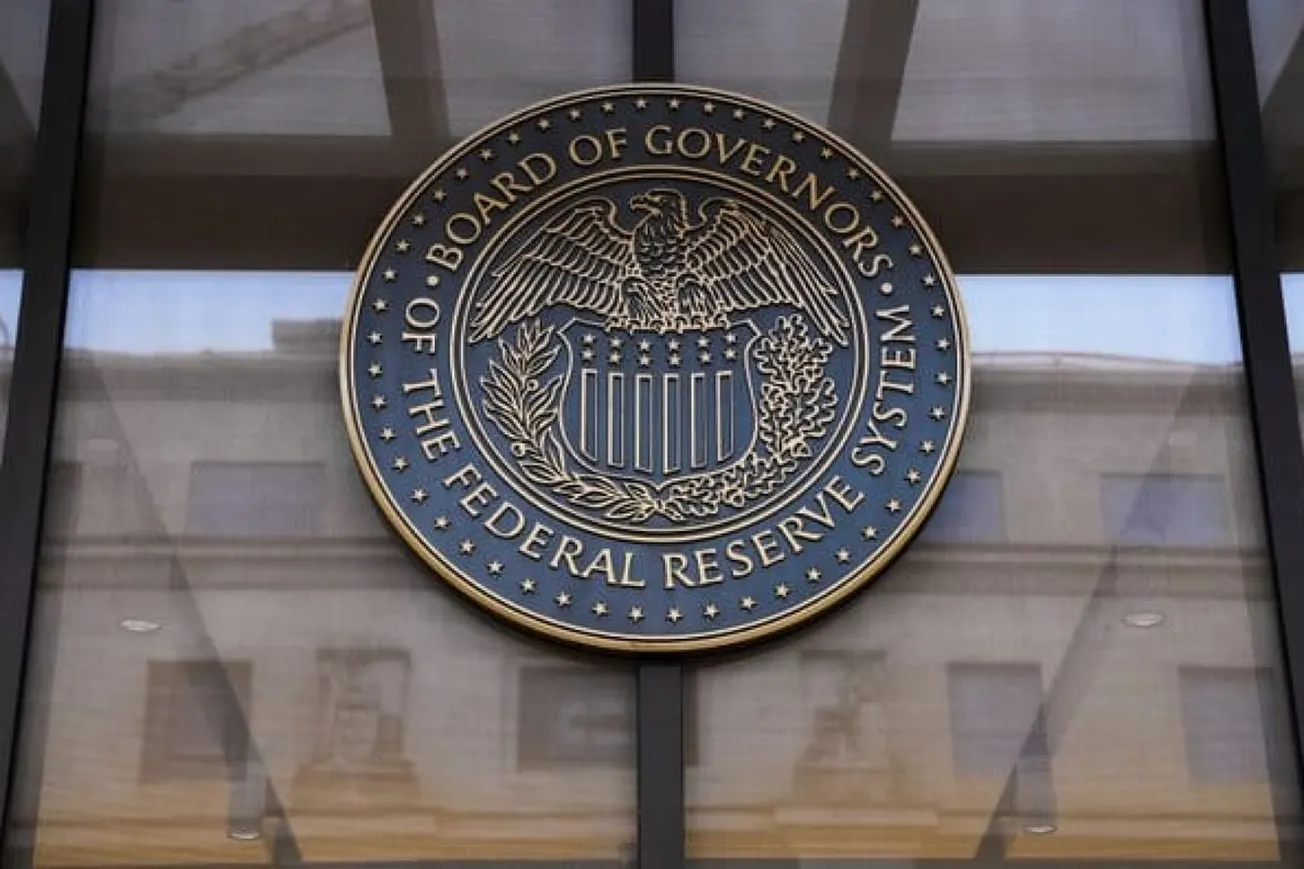
All 32 of the largest U.S. banks have successfully passed the Federal Reserve's 2026 annual stress test, demonstrating that the nation's banking system remains well-capitalized and capable of withstanding a severe economic downturn while continuing to lend to households and businesses.
This year's assessment subjected banks to a hypothetical scenario involving a deep recession, sharp declines in asset prices, and rising unemployment.
Under the Federal Reserve's 2026 scenario, housing prices were assumed to fall by 30%, equity markets were projected to decline by 58%, unemployment was expected to climb from 5.5% to 10%, and the U.S. economy was modeled to contract by 4.6%.
Despite these severe assumptions, every participating bank maintained capital levels above the regulatory minimum throughout the simulated crisis.
Following the release of the results, several major financial institutions announced plans to increase shareholder returns.
Banks are required to maintain a Common Equity Tier 1 (CET1) capital ratio above 4.5%, one of the key measures of a bank's financial resilience.
Institutions that fail to meet regulatory standards can face higher capital requirements, limiting their ability to distribute profits through dividends or stock buybacks until their financial positions improve.
Related Tweet:
All 32 of the nation's biggest banks clear the Fed's annual 'stress test' @WashTimes https://t.co/cxJsGh3enL
— Washington Times Local (@WashTimesLocal) June 25, 2026
Also Read:
 TIPP Staff