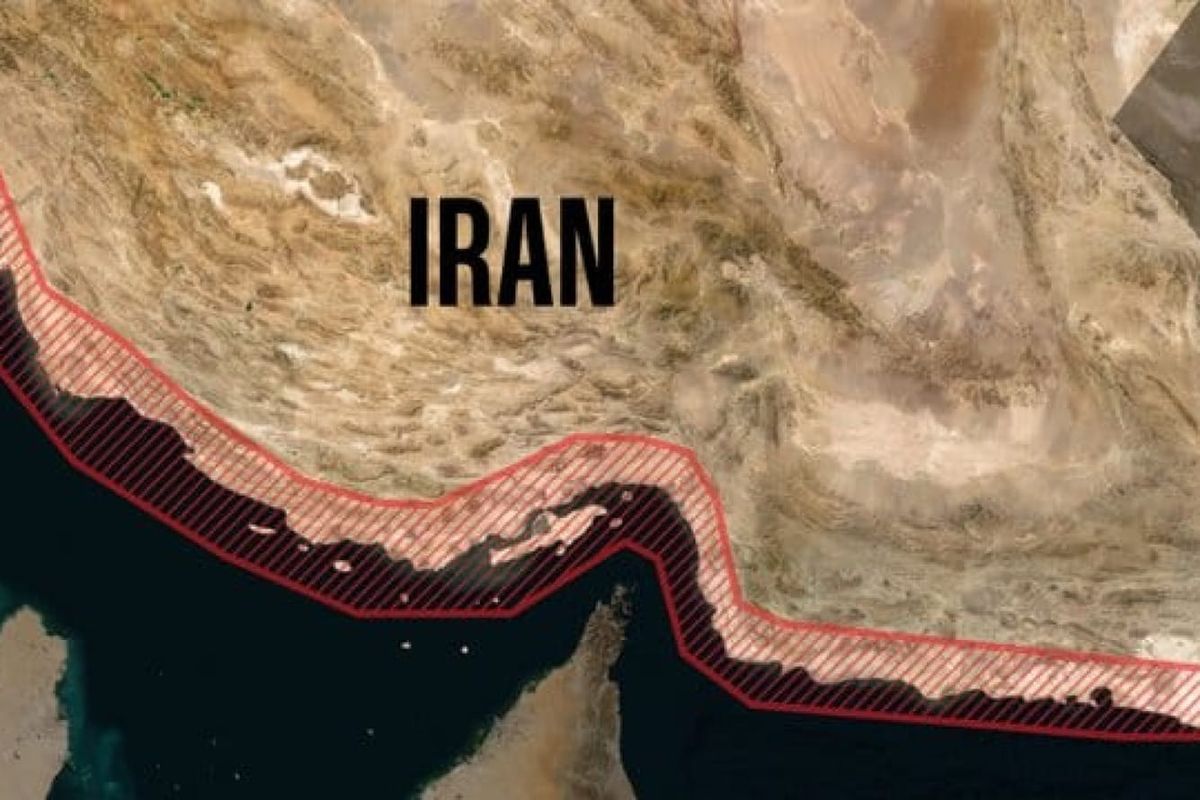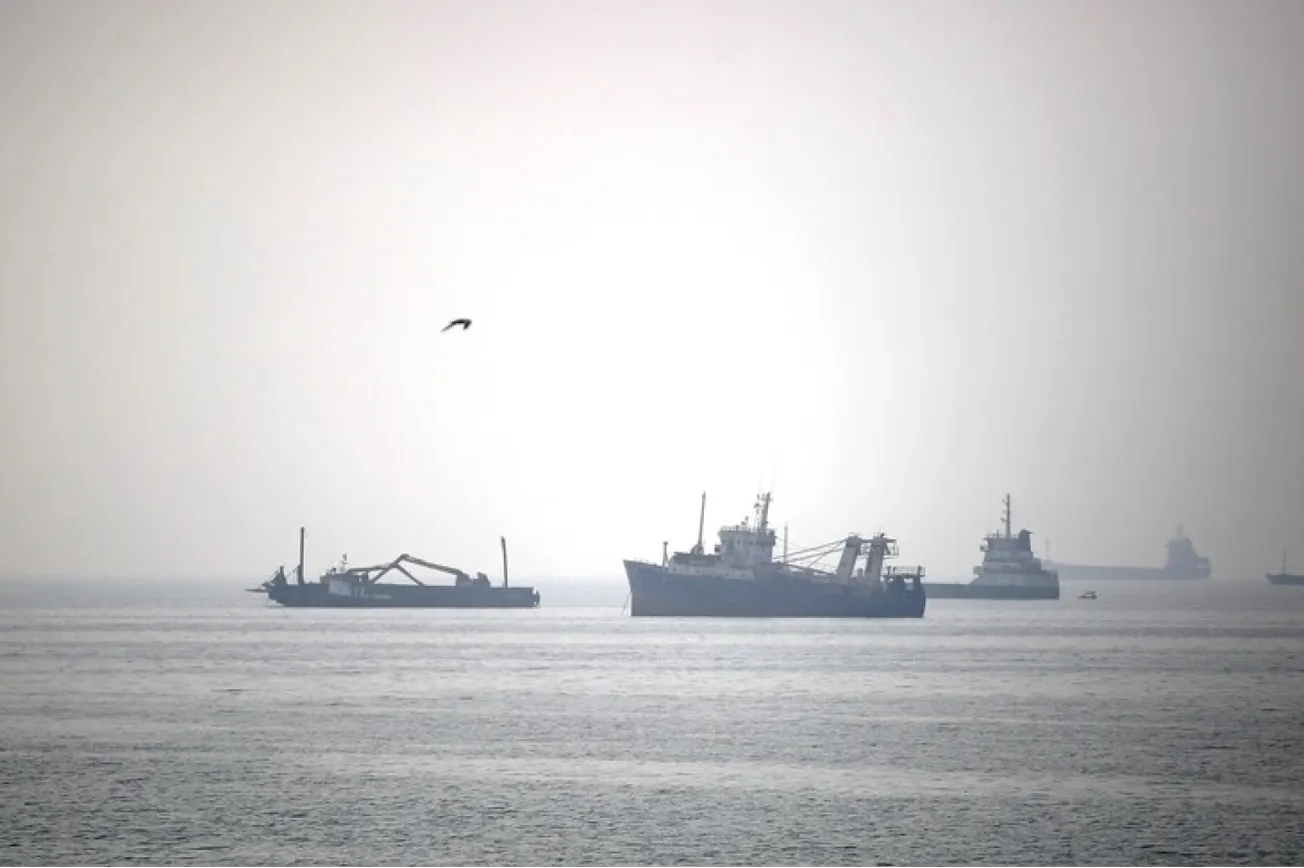
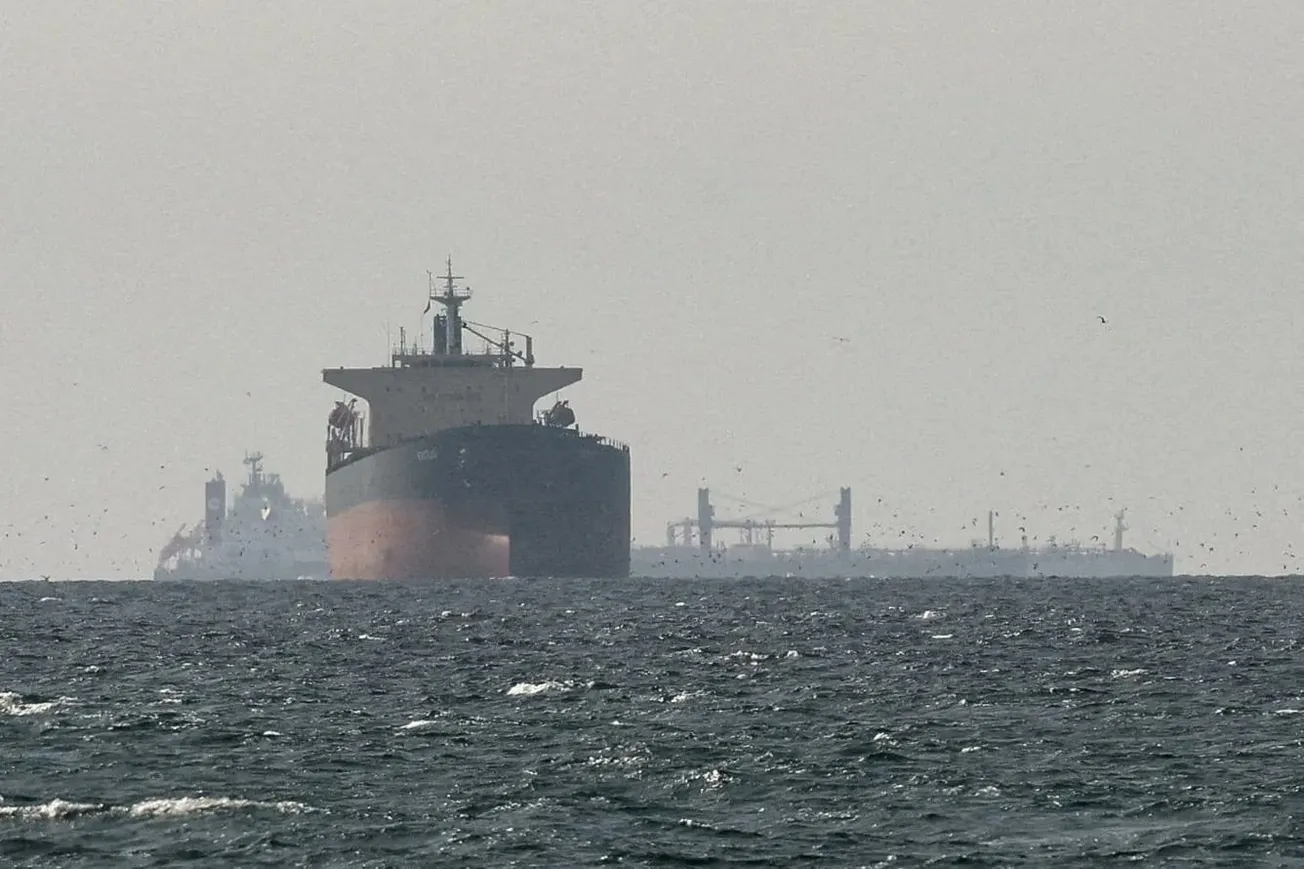
President Donald Trump's proposal to impose a 20% fee on cargo passing through the Strait of Hormuz, coupled with renewed U.S.-Iran tensions, has accelerated Gulf nations' efforts to reduce reliance on the strategic waterway, according to the report.
Saudi Arabia is diverting around four million barrels of crude per day through its East-West pipeline to the Red Sea, while the United Arab Emirates is reportedly planning a new port and container terminal on its east coast to bypass Hormuz.
The report said the UAE is also using shuttle tankers to move crude outside the strait for onward shipment to Asia.
According to the International Energy Agency, only Saudi Arabia and the UAE currently possess operational pipelines capable of bypassing Hormuz. Other major exporters, including Iraq, Kuwait, Qatar and Bahrain, remain heavily dependent on the strait, with broader alternatives expected to take years to develop.
Related Tweet:
Trump says the US is targeting Iran's Strait of Hormuz capabilities and adding a 20% transshipment charge. The UAE says Iran has struck two tankers in the strait, with at least one death. pic.twitter.com/5LZSWM6LSr
— TaiwanPlus News (@taiwanplusnews) July 14, 2026
Also Read:
 TIPP Staff