The International Atomic Energy Agency (IAEA) said Thursday that Iran’s nuclear program appears largely unchanged since the outbreak of the recent conflict, but warned that its ability to monitor key nuclear materials has been significantly weakened.
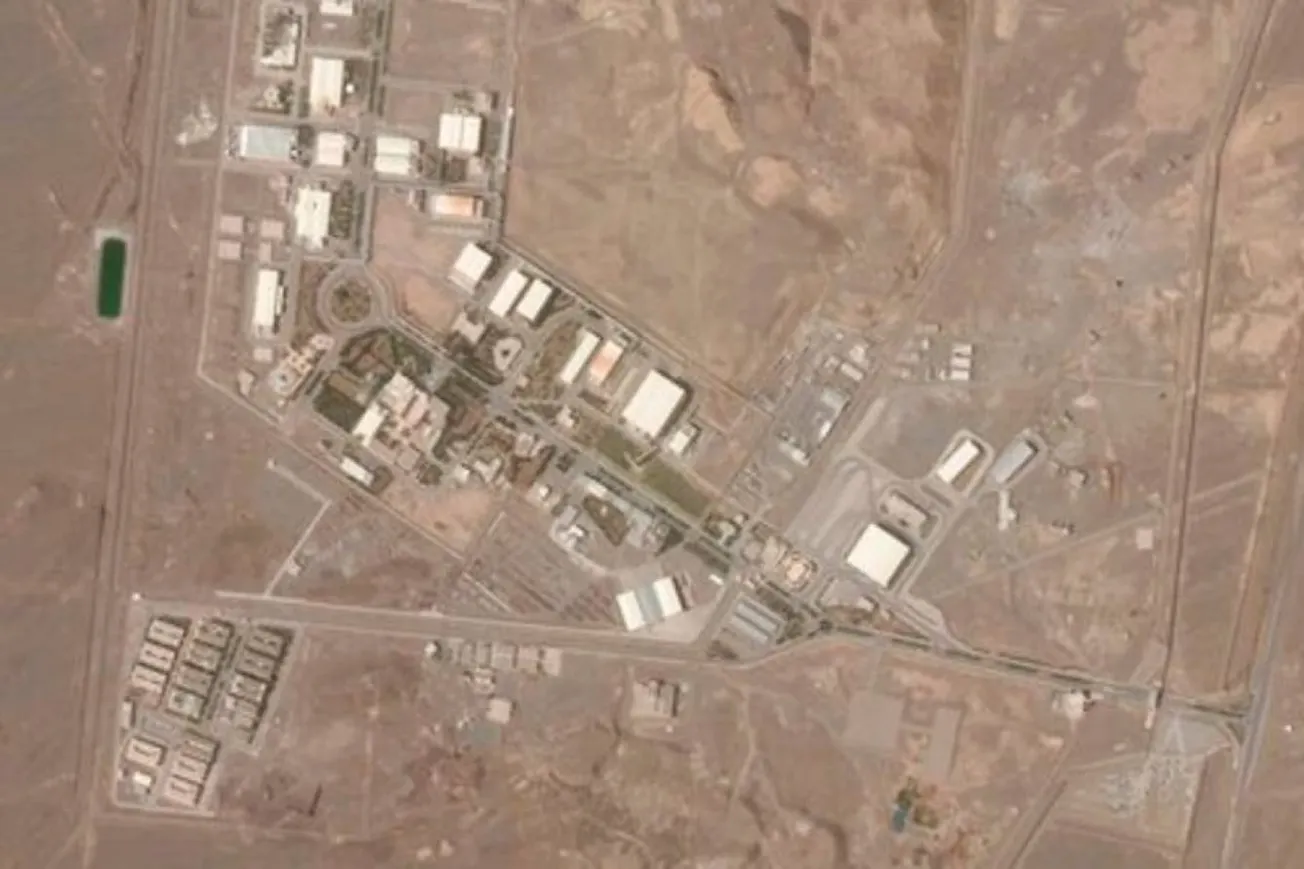
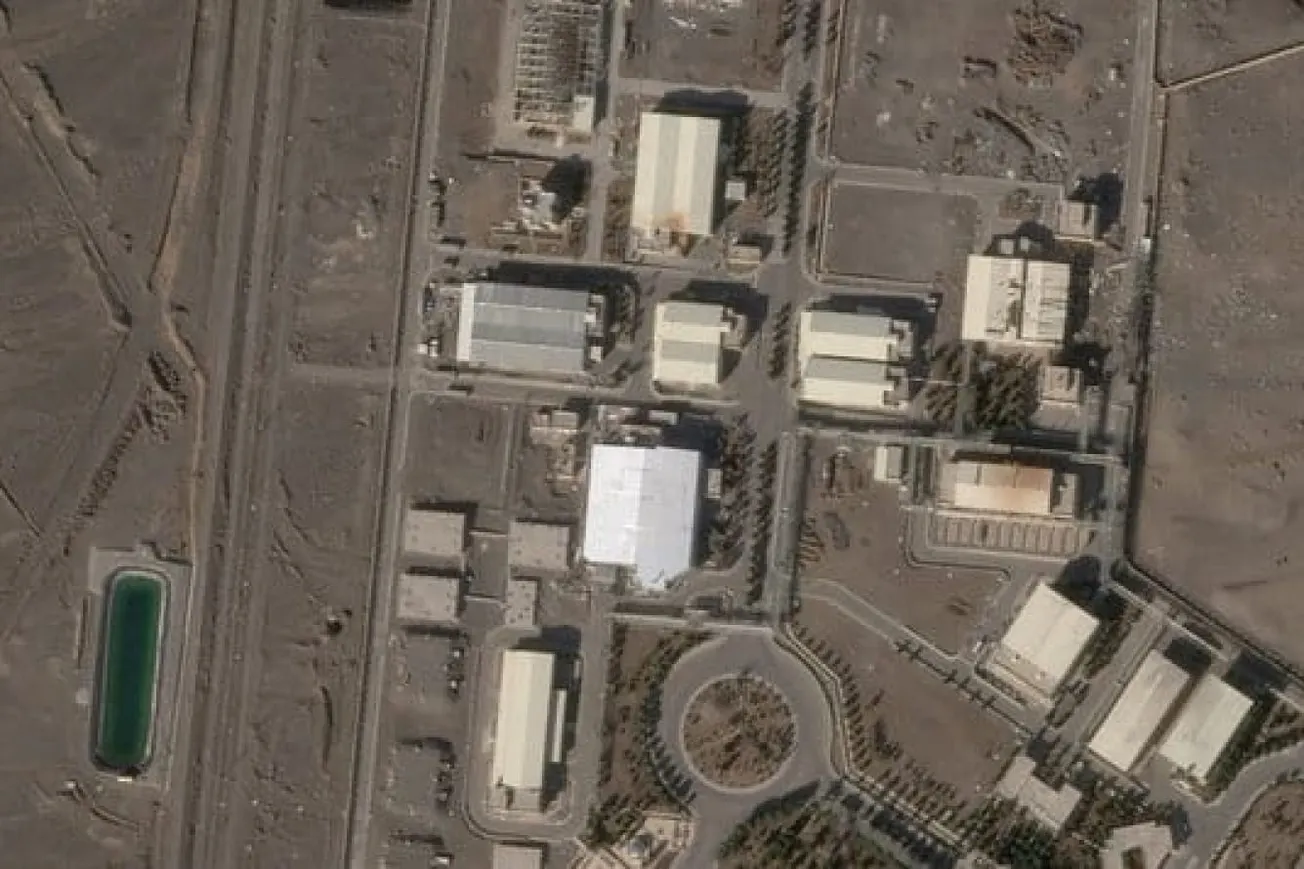
According to the agency, inspectors have been unable to access major nuclear facilities, including Fordow, Natanz, and Isfahan, since U.S. and Israeli strikes targeted the sites last June.
As a result, the IAEA said it has lost critical “continuity of knowledge” regarding Iran’s enriched uranium stockpiles and other sensitive nuclear materials.
First IAEA report on Iran's nuclear programme since February shows little change despite war https://t.co/u6ooJgusjp https://t.co/u6ooJgusjp
— Reuters (@Reuters) June 4, 2026
The report noted that Iran has not provided updated information on its reserves of low- and highly enriched uranium.
Particular attention remains focused on uranium enriched to 60% purity, which is technically close to the level required for weapons-grade material.
The findings come as diplomatic efforts continue following a tentative agreement to extend a ceasefire for an additional 60 days.
The arrangement is intended to support further negotiations on Iran’s nuclear activities and help stabilize regional tensions, including efforts to reopen the Strait of Hormuz.
While President Donald Trump expressed confidence that Iran has agreed not to pursue nuclear weapons, administration officials acknowledged that negotiations remain ongoing and unresolved.
Also Read:
 TIPP Staff
Also Read:
 TIPP Staff