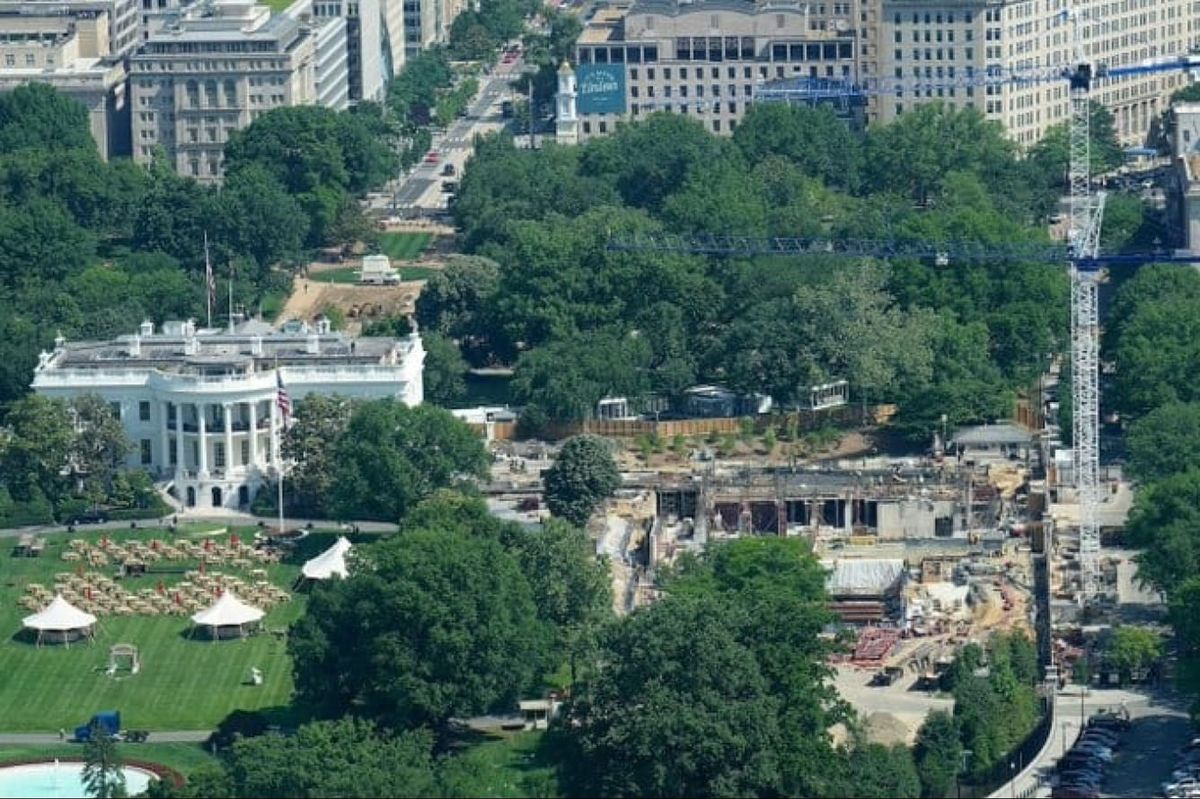
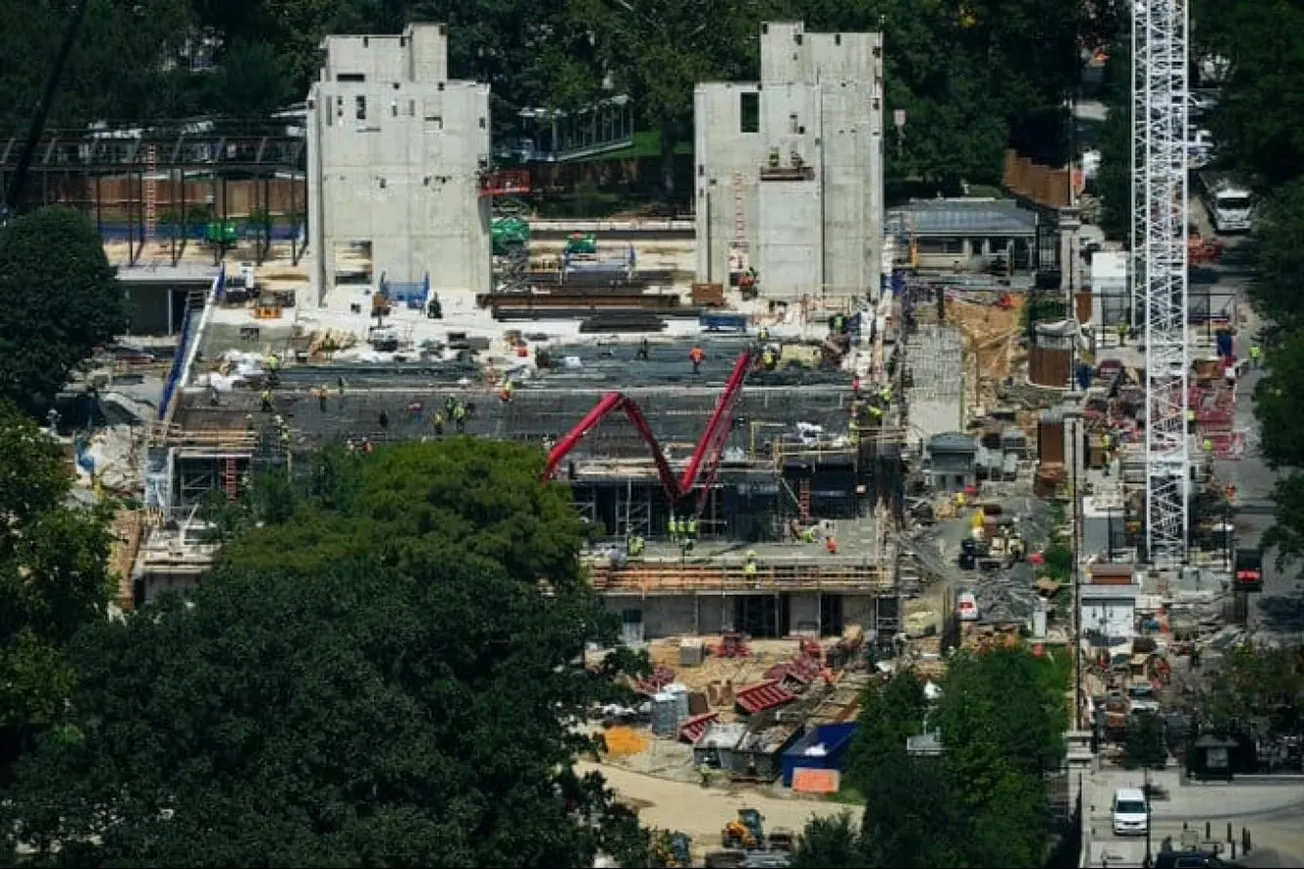
The Supreme Court has allowed construction of President Donald Trump's proposed $400 million White House ballroom to continue while a legal challenge moves through the lower courts.
The ruling replaces a temporary order issued by Chief Justice John Roberts and permits construction to proceed for now. A lower-court judge had previously halted the project after the National Trust for Historic Preservation challenged the demolition of the White House East Wing, arguing that the project lacked required congressional approval.
The administration argues that the project is necessary for national security and other official functions. Solicitor General John Sauer defended the construction, while lower courts have questioned whether the executive branch can proceed without the required authorization.
The case will return to the lower courts for further proceedings. Court documents indicate that the ballroom's framework could be completed by November, with the full project currently projected for completion in August 2028.
Related Tweet:
The Supreme Court has allowed President Trump to keep building his White House ballroom, clearing the way for construction crews to continue their nearly round-the-clock work to complete one of the president’s prized projects. https://t.co/moYcZzYsy9
— The Wall Street Journal (@WSJ) August 31, 2026
Also Read:
 TIPP Staff