Paul Pushes Contempt Vote After Fauci Declines Questions
Republican senators continued questioning him on COVID-19, gain-of-function research and the virus' origins despite his repeated refusals
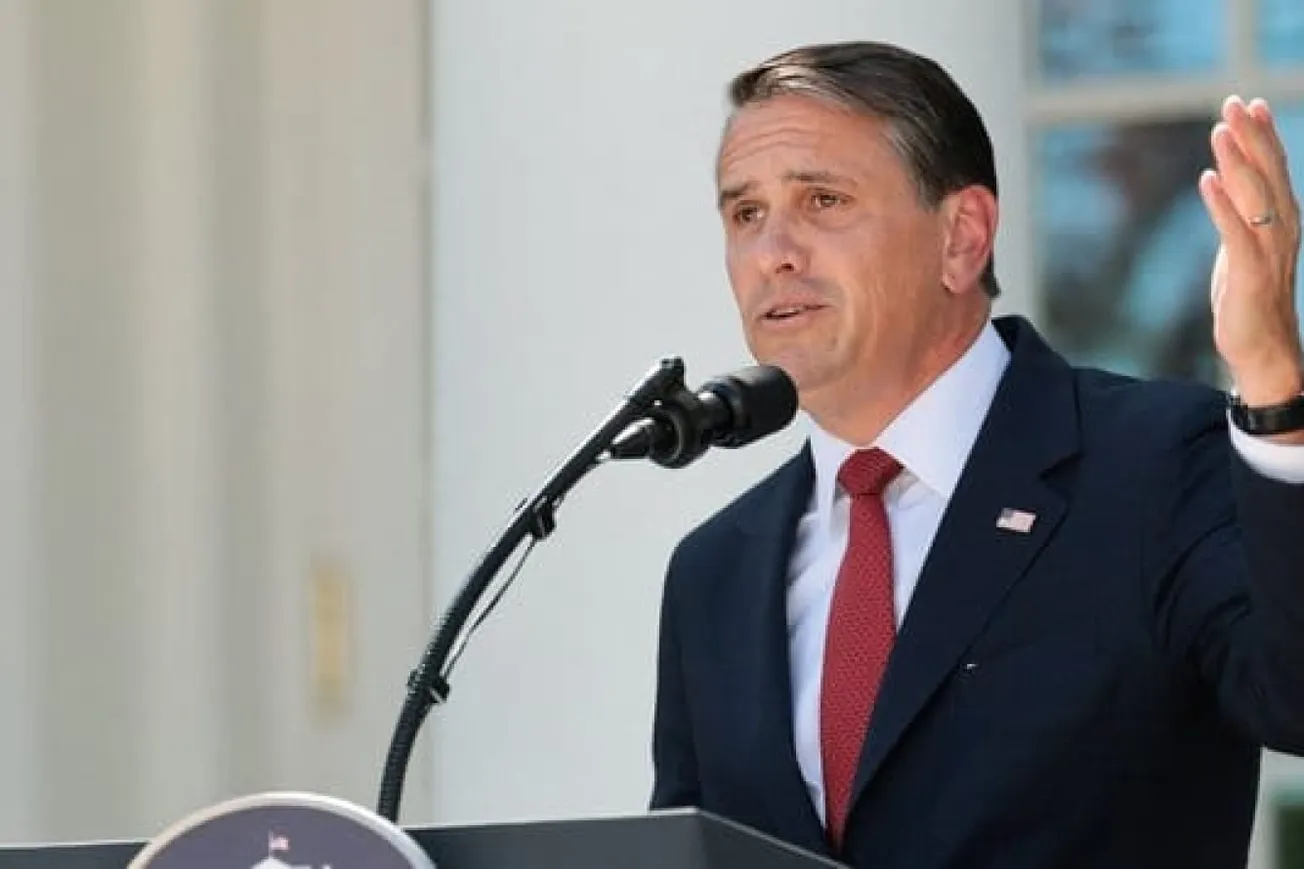
Chairman Sen. Rand Paul questioned Fauci about gain-of-function research, COVID-19 vaccines, the pandemic response and the presidential pardon issued by former President Joe Biden
Fauci argued that Paul's repeated calls for his prosecution and the release of his personal diary convinced him the hearing was intended to build a case against him.
Fauci appeared under subpoena just days after Paul's office released personal diary entries written during the Trump and Biden administrations' response to the COVID-19 pandemic
Paul has repeatedly argued that the coronavirus likely leaked from a laboratory in Wuhan, China, and has accused Fauci of downplaying that possibility during the pandemic.
The hearing is expected to revisit competing theories that COVID-19 emerged either through natural animal transmission or an accidental laboratory leak in Wuhan, China
Approval among Democrats and independents remained largely unchanged at 12% and 35%, respectively.
An appeals court previously rejected that argument, describing the damages award as reasonable given the facts of the case.
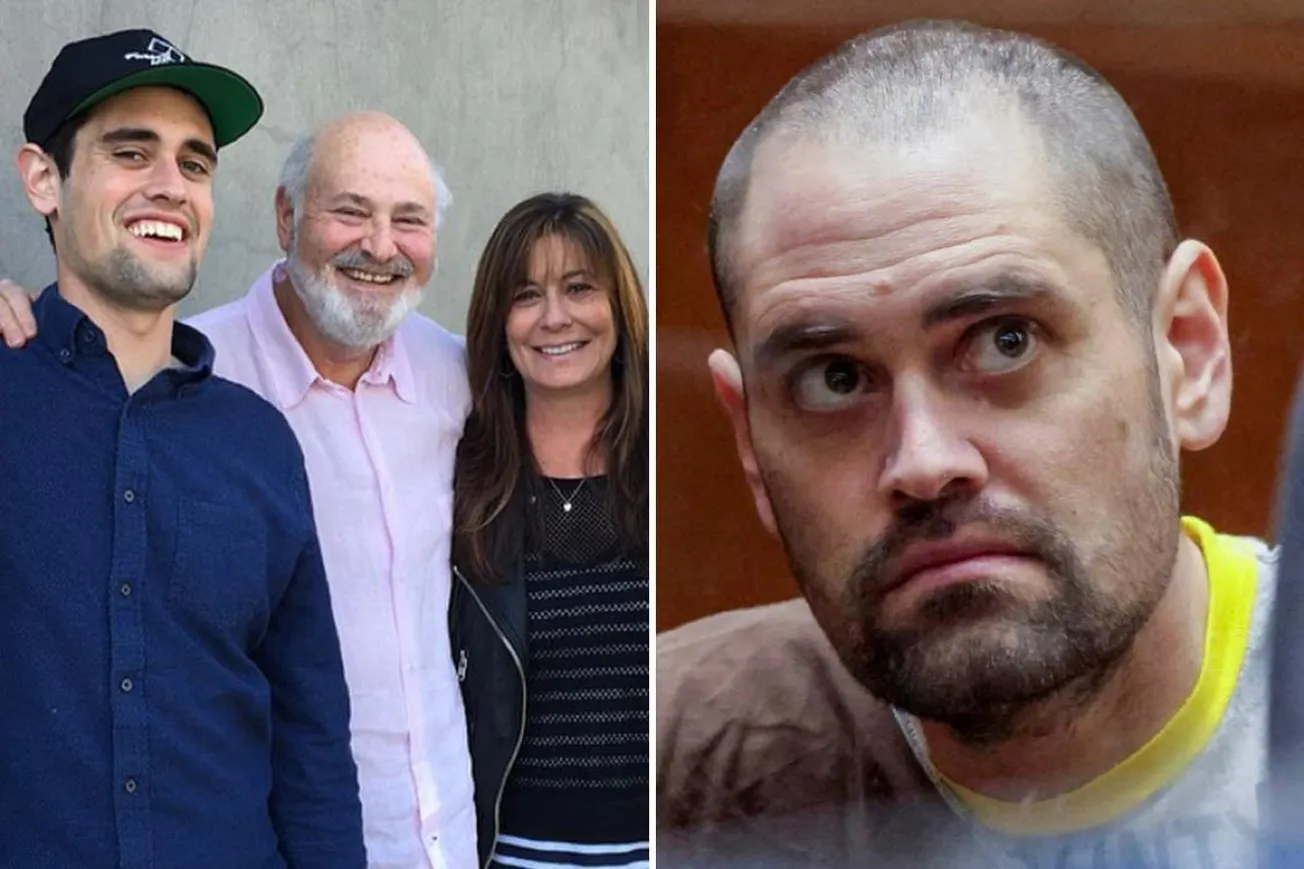
The defense urged the court to consider Gray's troubled upbringing and mental health.
The Justice Department requested that the justices temporarily block lower court rulings that halted the order in 23 states and Washington, D.C.
The order also instructed the U.S. Postal Service to limit the delivery of mail ballots to individuals included on that list.
The report said prosecutors allege Clancy used exercise resistance bands to fatally strangle her children—Cora, 5, Dawson, 3, and seven-month-old Callan—at the family's home in Duxbury.
The memo, which revises and expands upon the Religious Liberty Guidelines published in 2017 under President Donald Trump’s first administration, lays out 21 principles that federal agencies must follow on religious freedom.
Siad had maintained that his relationship with Epstein was strictly professional, while his lawyer said investigators found no evidence that he had committed a crime.
The ads claim Collins sided with protecting powerful elites, while Ossoff has worked to protect children.
The resolution passed 214-208, with four Republicans joining Democrats in support, marking the latest congressional challenge to the administration's handling of the conflict.