
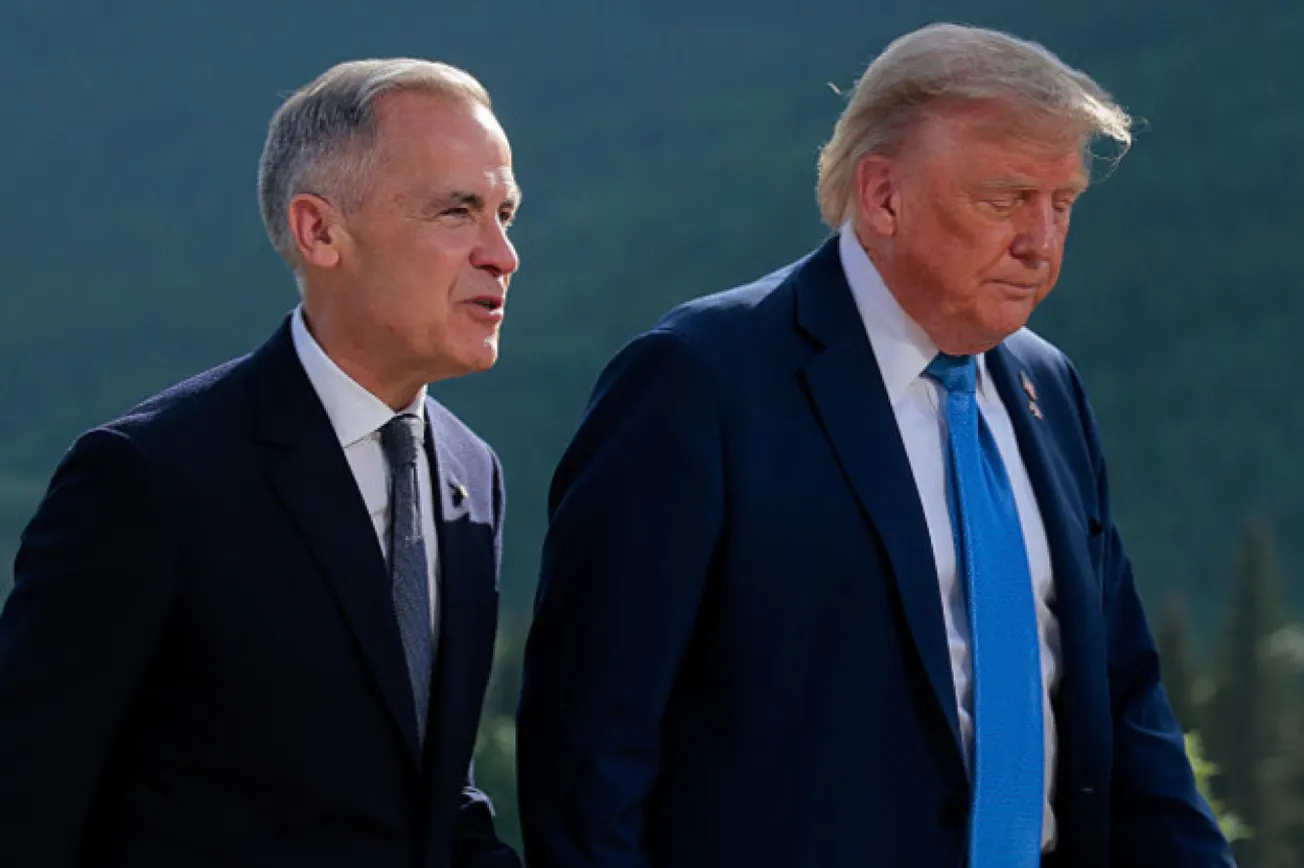
US-Canada Trade War Escalates With Fresh Tariffs And Bombardier Threat
Trade negotiations collapsed last month after disagreements over autos, tariffs and Canadian language and cultural protections
Trade negotiations collapsed last month after disagreements over autos, tariffs and Canadian language and cultural protections
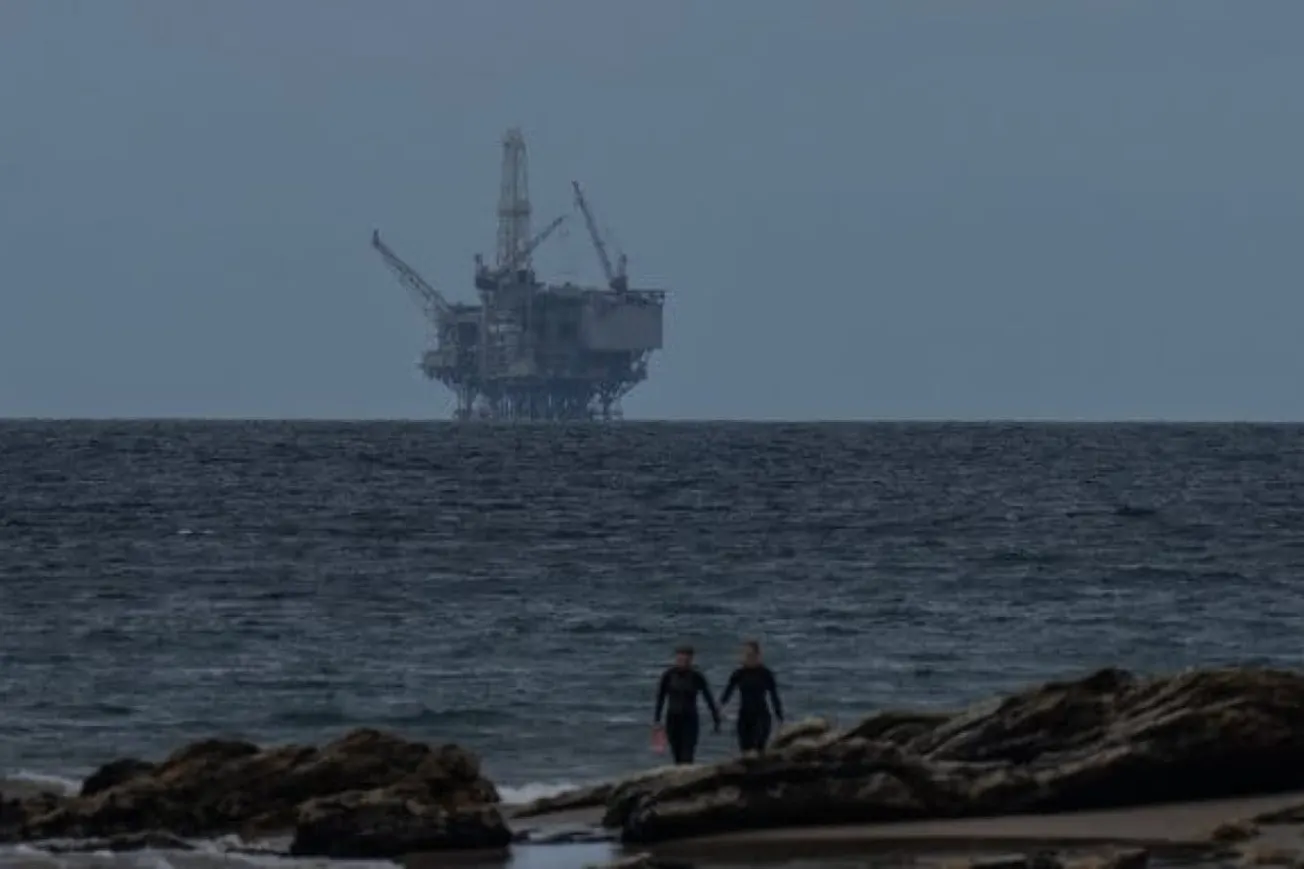
Environmental advocates warn that weakening California’s coastal oversight could reduce protections for beaches, coastal bluffs and other sensitive areas.
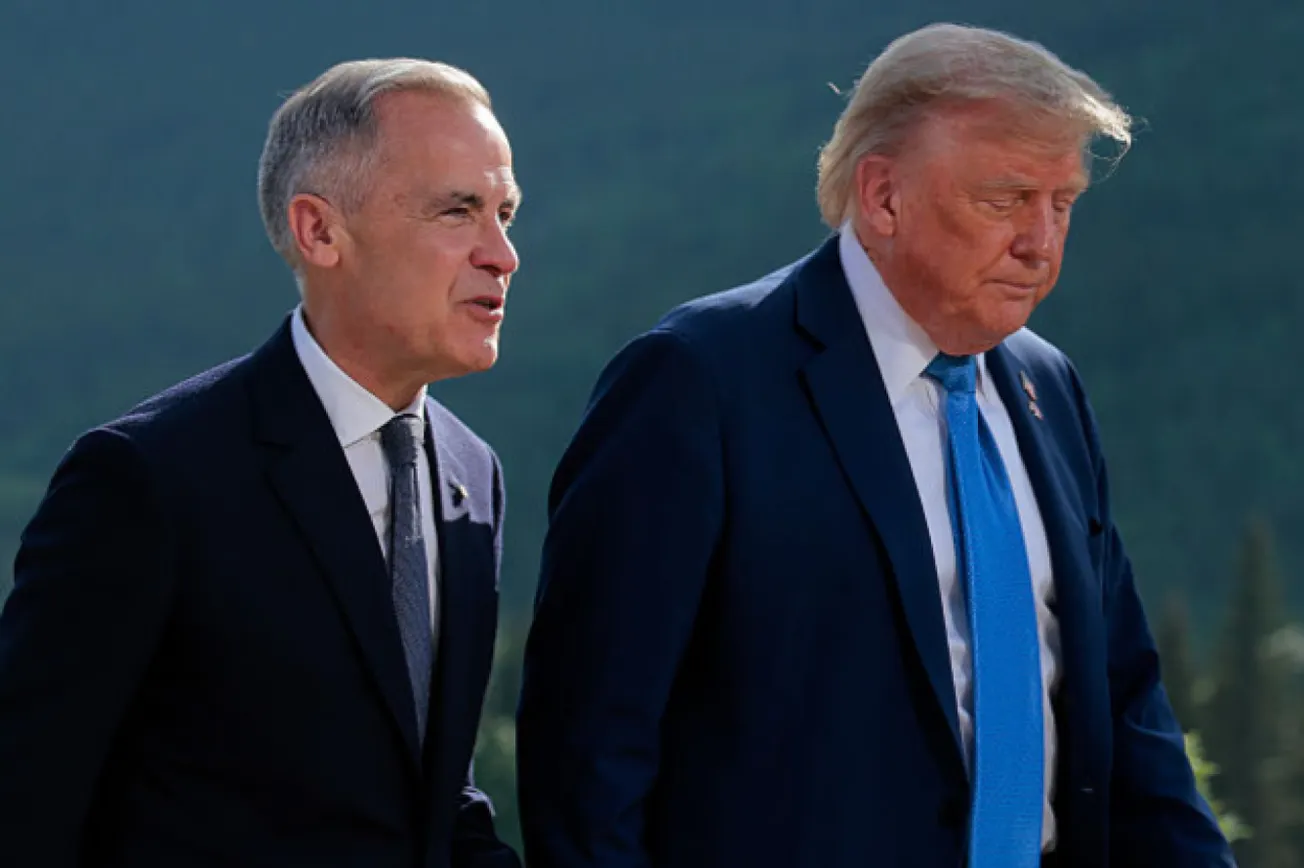
The findings could create political risks for Republicans ahead of the 2026 midterms
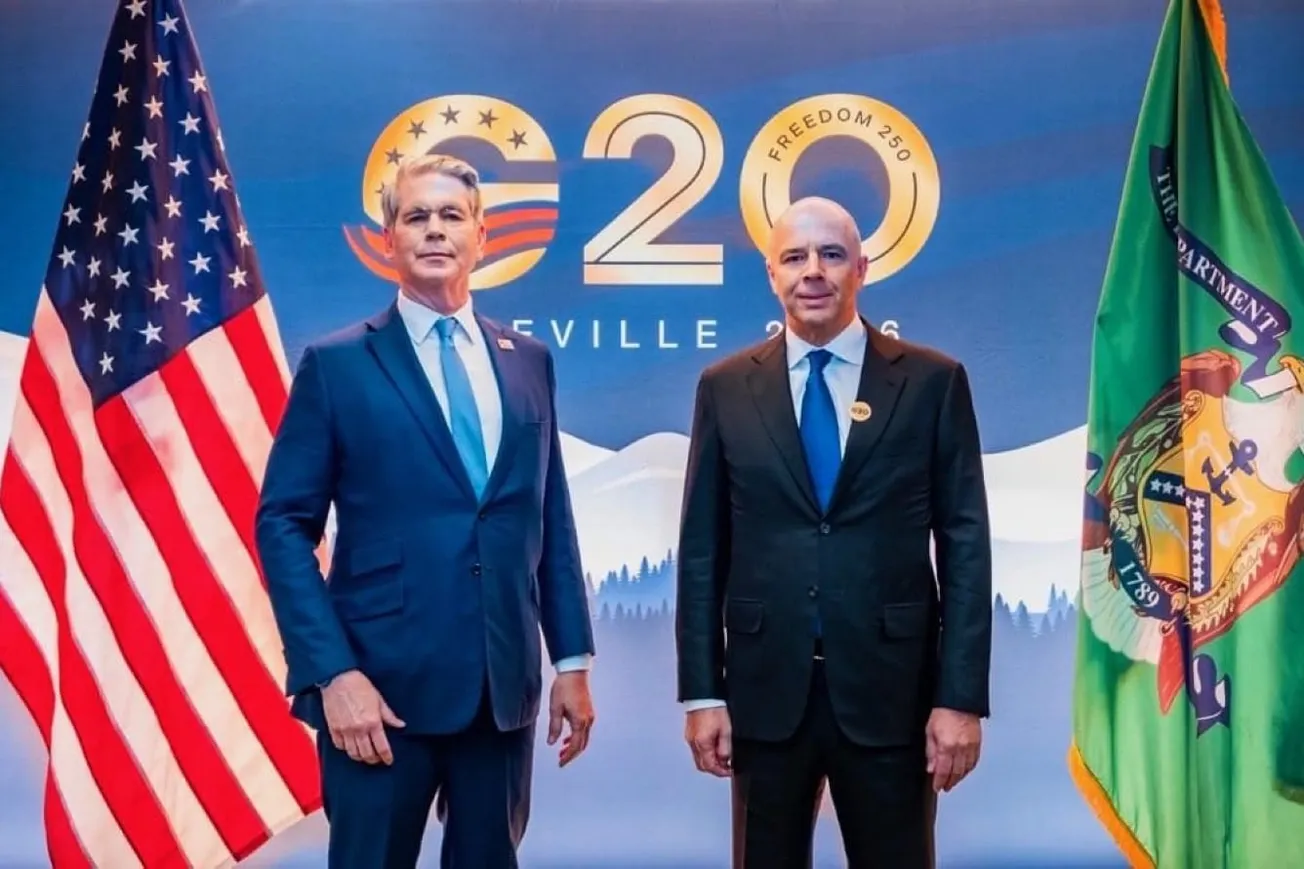
The two officials met Monday on the sidelines of the G20 finance ministers’ gathering in Asheville, North Carolina
China’s embassy in Washington rejected the allegations as baseless

FTC Chairman Andrew N. Ferguson said the alleged conduct misled millions of advertising customers and ultimately contributed to higher costs for consumers.
The one-year measure requires suppliers to offer their entire monthly output to US buyers and retain the materials domestically.
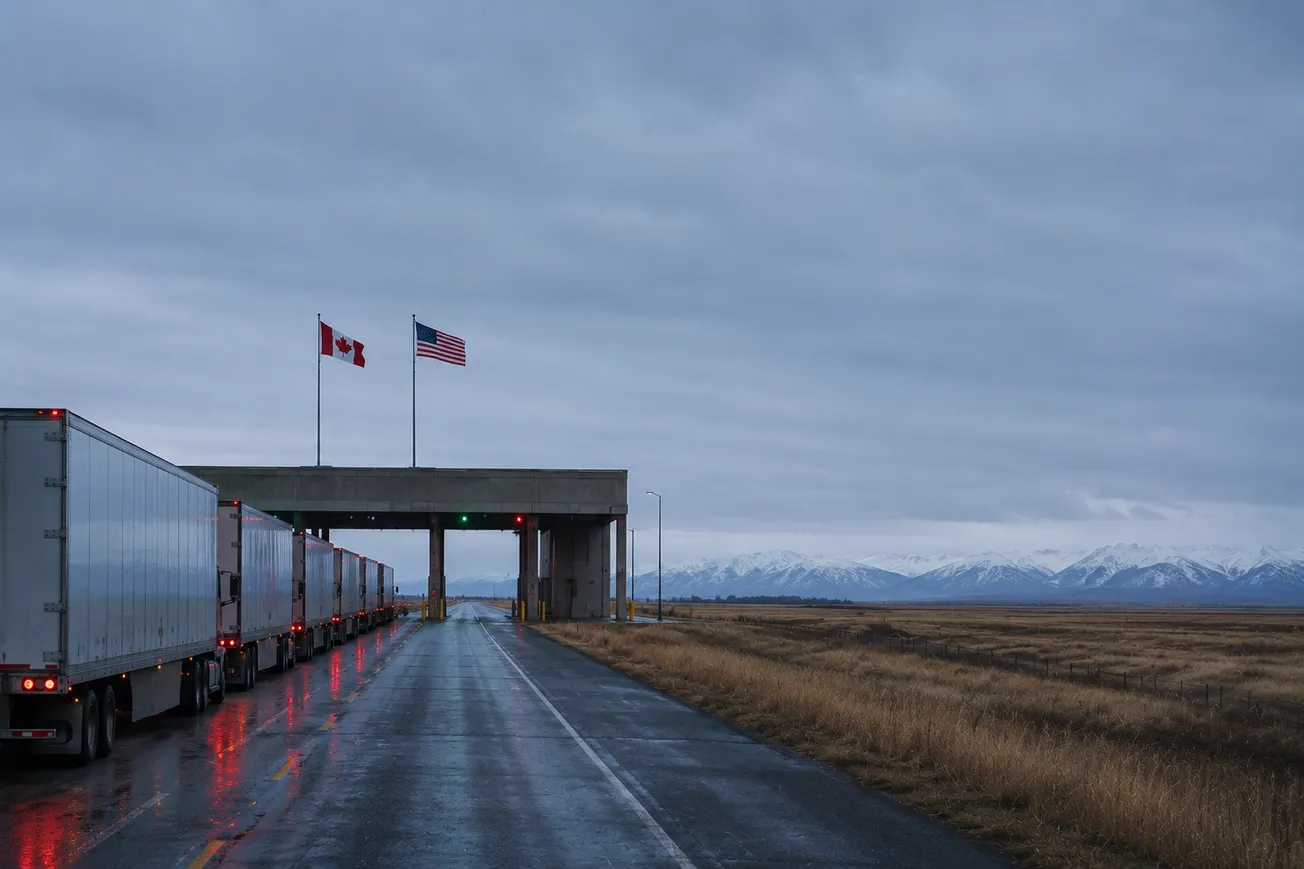
Alberta's premier wants Ottawa back at the table before the counter-tariffs bite on September 8. Carney should send Danielle Smith.
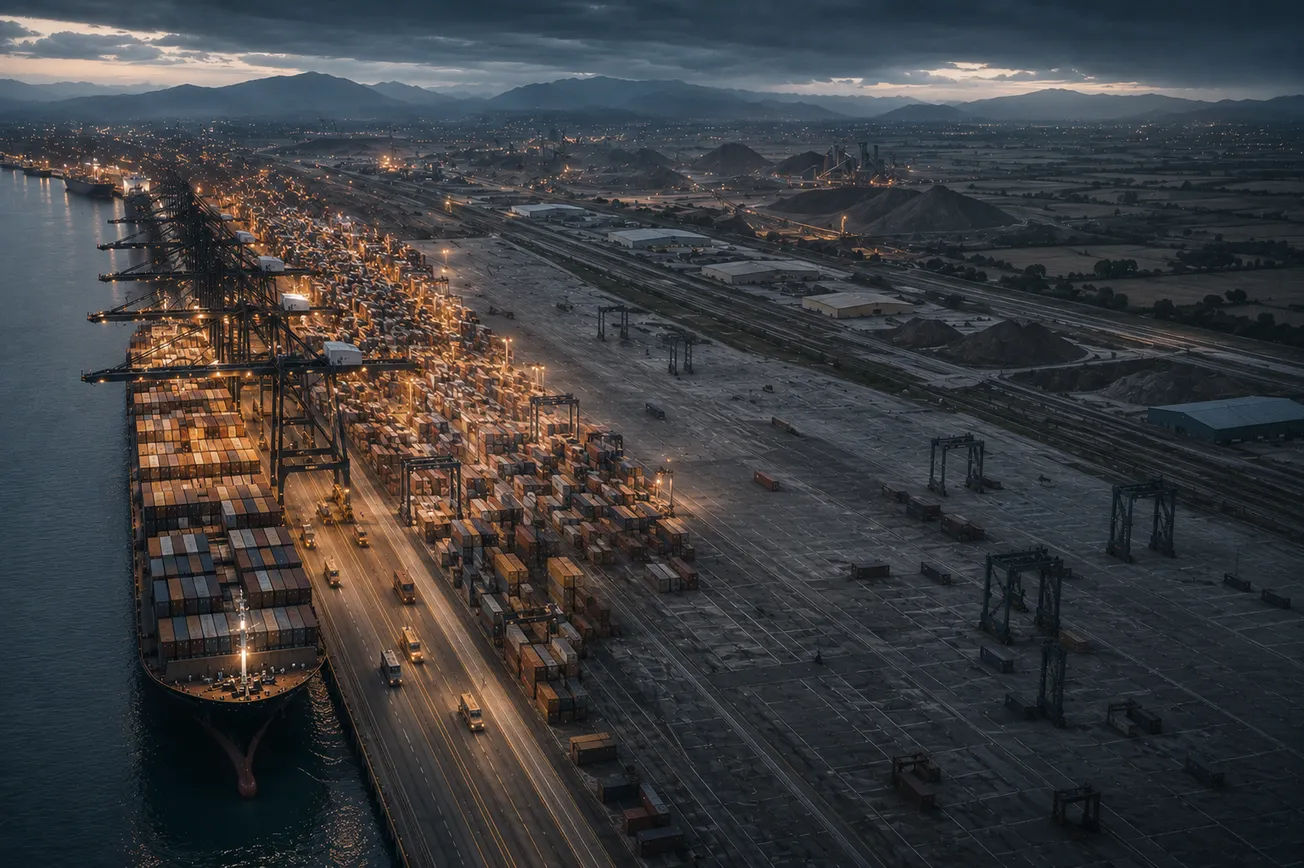
Determining China’s motivations requires a deeper understanding of its current rivalry with the US.

The proposed duties could cover products built alongside advanced chips, including laptops, data center servers and gaming hardware
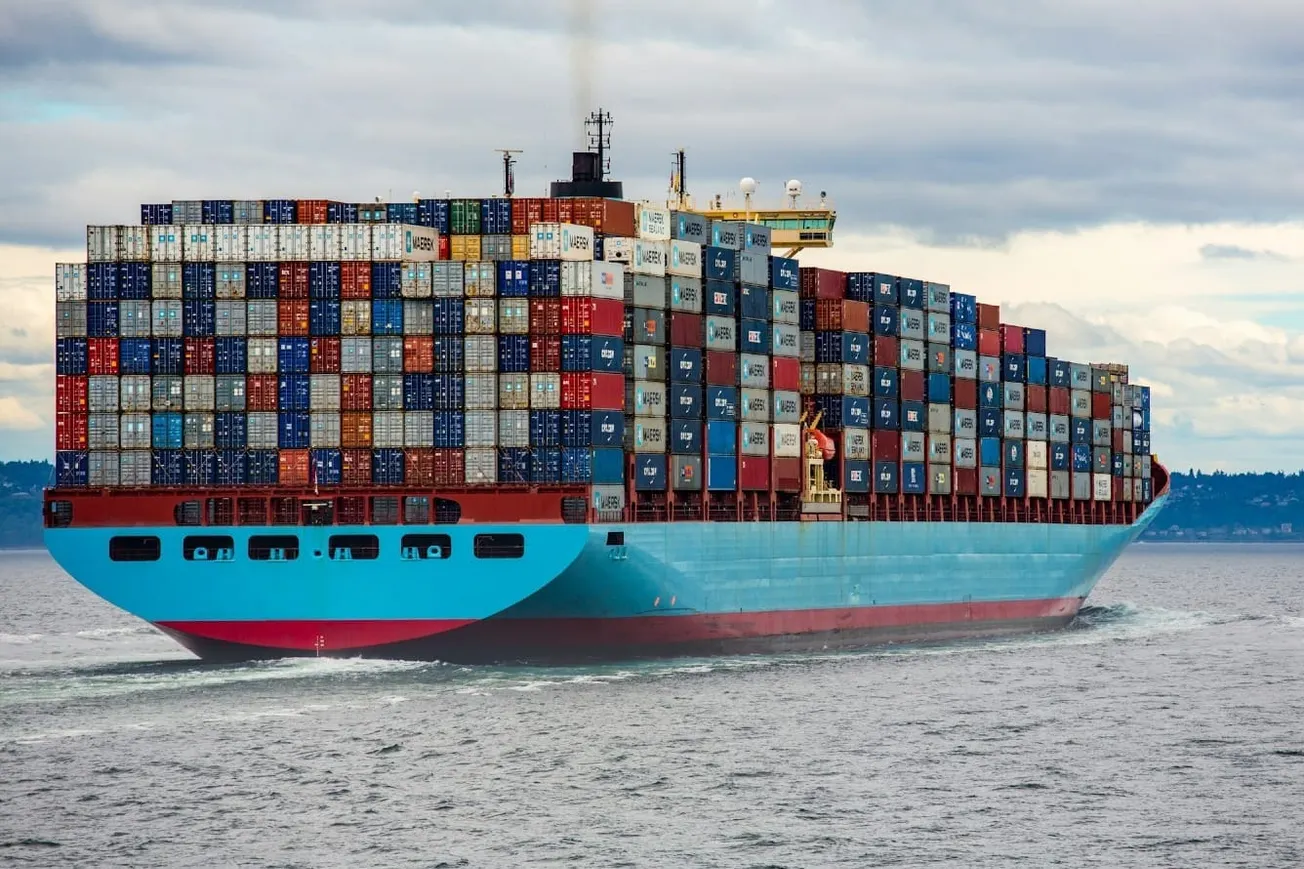
Prime Minister Mark Carney is expected to impose matching tariffs on U.S. goods, potentially targeting steel, dairy, appliances, agricultural equipment, paper and electronics

“The United States is giving serious consideration to changing the name of Lake Ontario to Lake America in that we don’t expect to [be] doing much business with Ontario any longer,” Trump said on social media Tuesday morning.
The personal consumption expenditures price index increased 0.2% from June and rose 3.7% over the year.
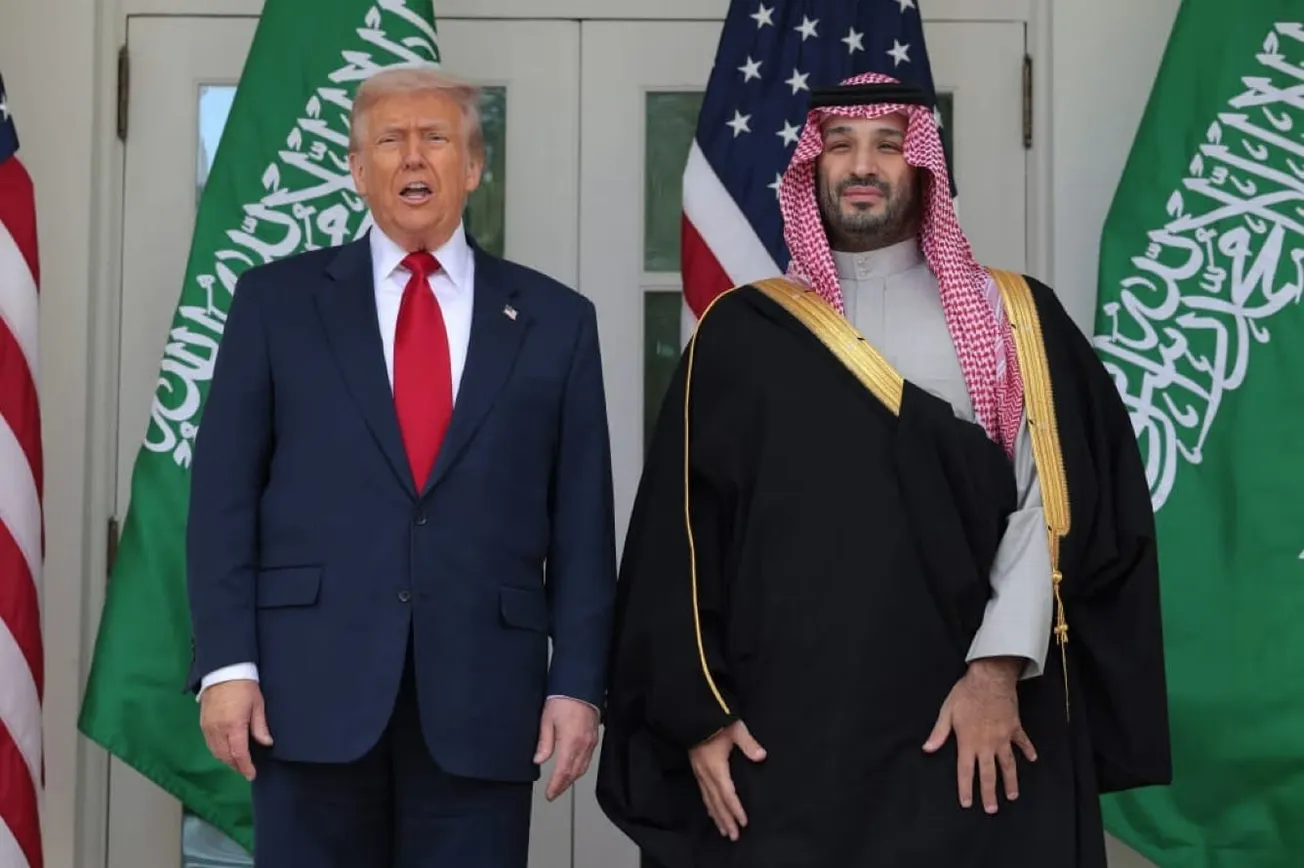
The 30-year pact includes plans for AP1000 reactors, potentially creating a multibillion-dollar project for Westinghouse and its owners.
The benchmark 10-year Treasury yield was little changed at 4.647%, while the 30-year yield stood at 5.181%. The 2-year yield was also steady at 4.199%.
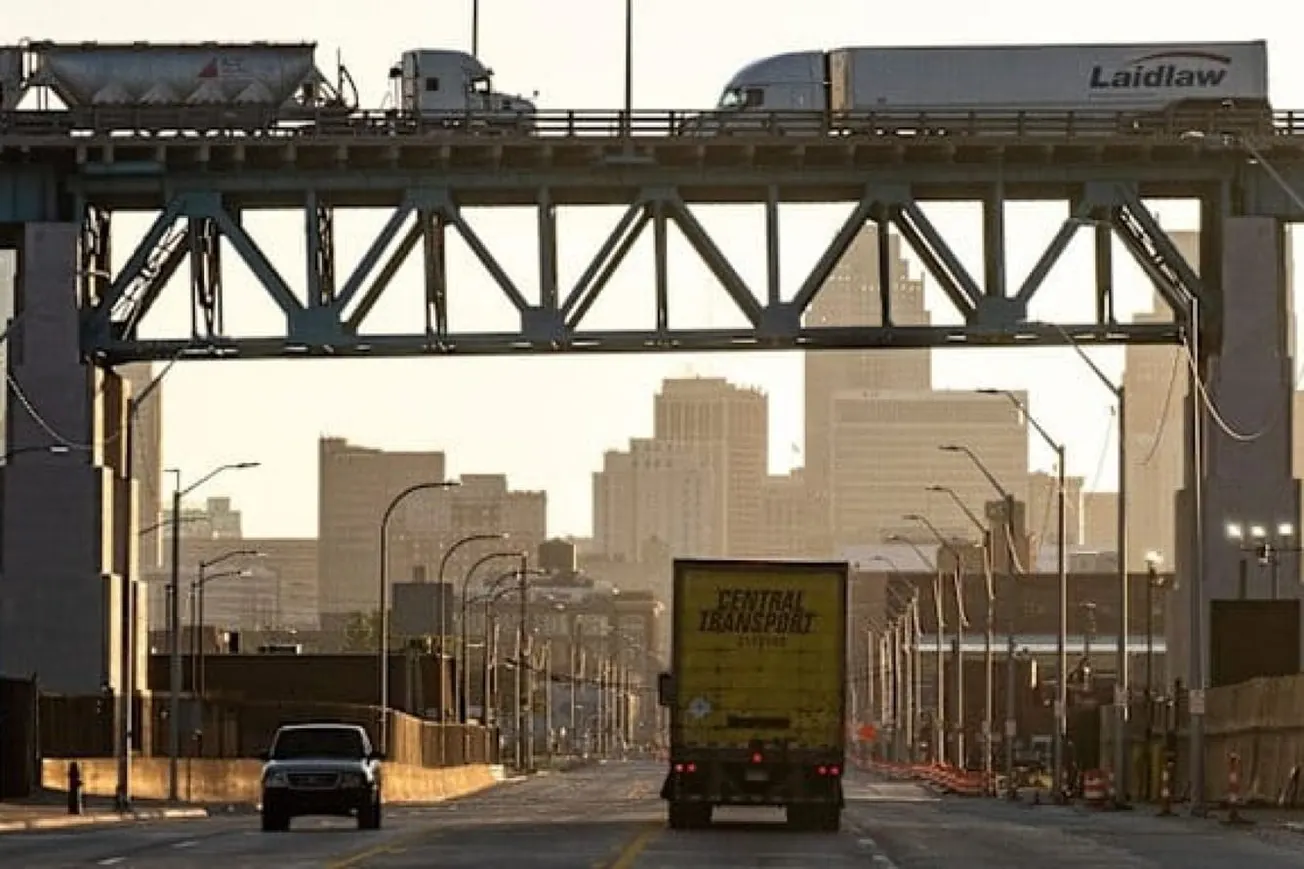
The measures target products including steel, dairy, electronics and motorcycles and broadly match the tariff levels imposed by Washington.