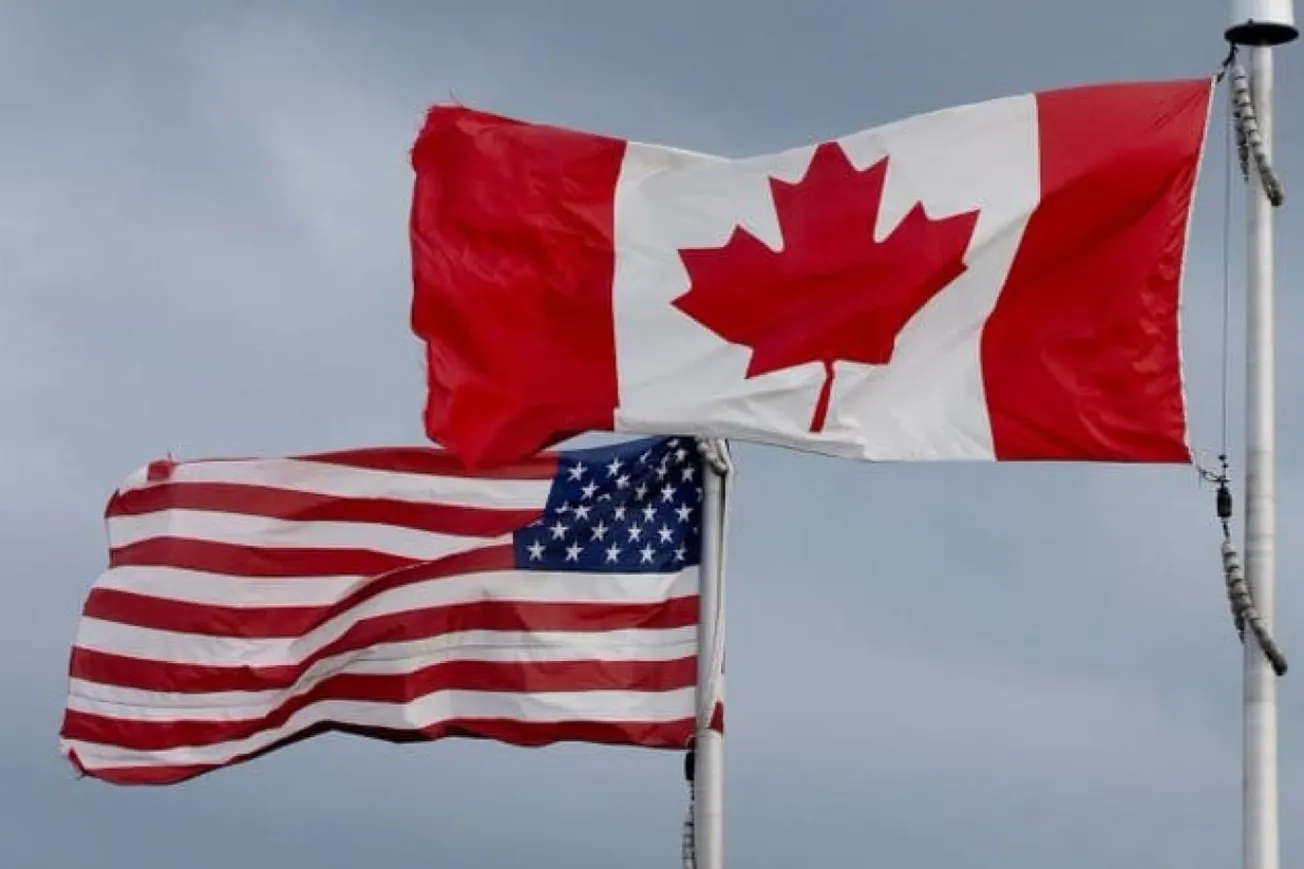
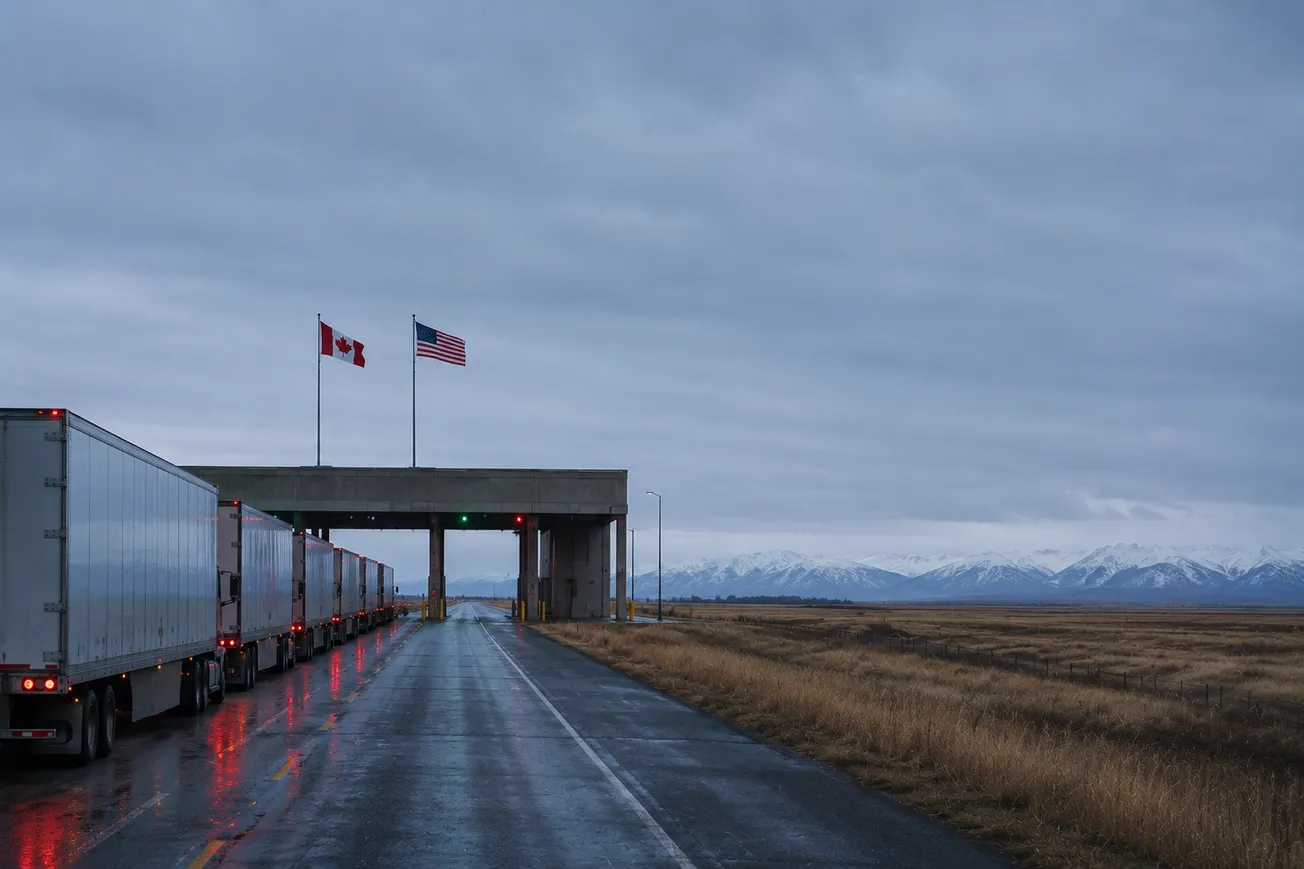
No two sovereign countries share so much prosperity and trust, beginning with the world's longest undefended land border, 5,525 miles of it. They fought as allies in both World Wars, helped found NATO, created NORAD, the only binational military command of its kind, and share intelligence through the Five Eyes. Two countries that close are now in a trade war that neither can win.
The United States has legitimate concerns about Ottawa's behavior. Canada imposed unique 25% auto tariffs and quotas that cut U.S. vehicle exports by 22%, and holds U.S. cheese to tighter import quotas than it grants the Europeans.
Provincial liquor boards did the rest: all but two provinces and territories pulled American alcohol from their shelves, and those exports fell 81%, or $582 million, in a year. Alberta is one of the two.
President Trump has said that America offered Canada the world's best market access, including tariff cuts on steel, autos, and lumber, but Ottawa rejected the deal. Trump argues Canada depends on the U.S. for most of its exports and will no longer receive special treatment.
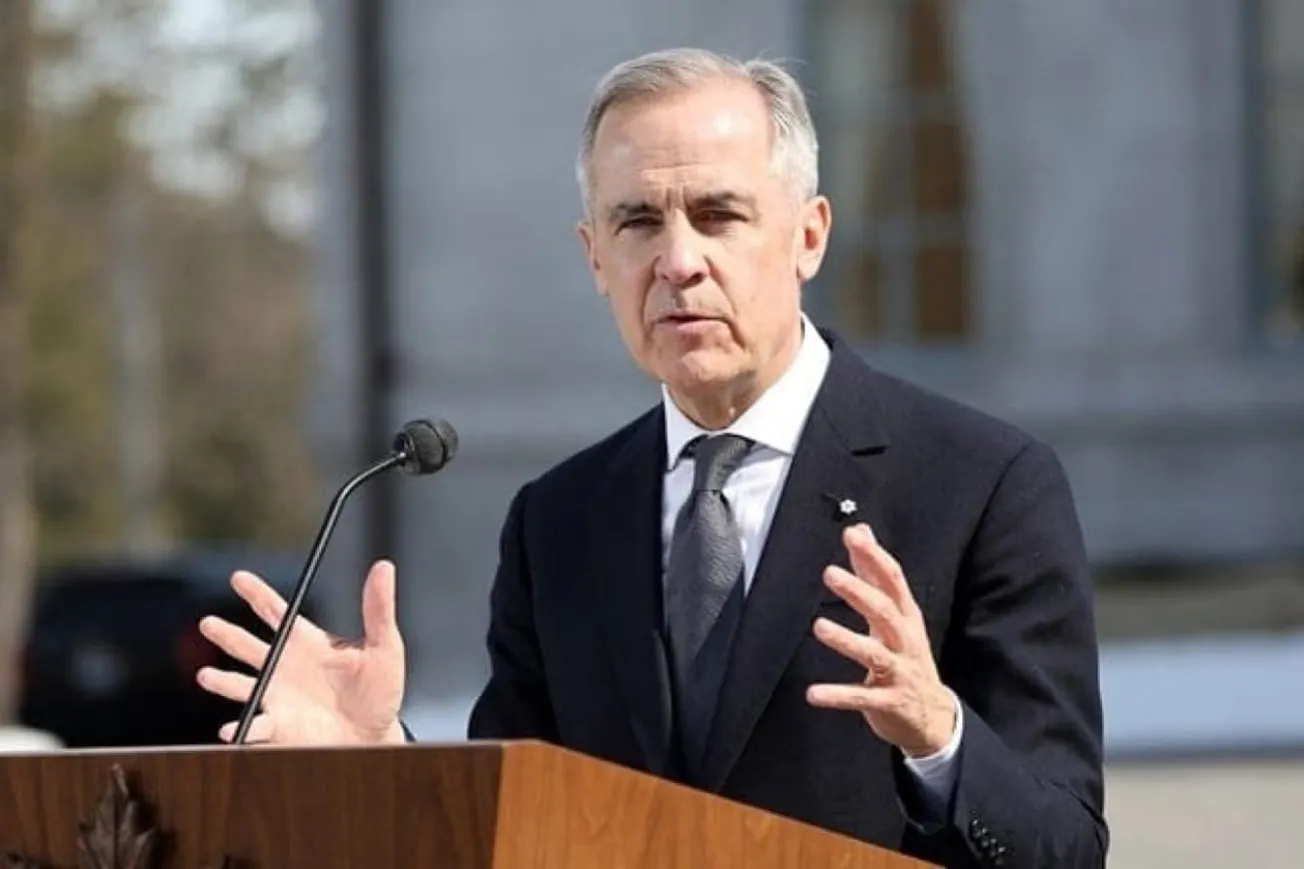
The Canadian argument rests more on political ideology than on facts. Under Prime Minister Mark Carney, Canada has taken an aggressive stance toward the United States in international forums both in speech and in action.
His January 20, 2026 Davos speech took direct aim at President Trump, without naming him. He charged that “American hegemony” no longer guaranteed mutual benefit, and that great powers were using tariffs, finance, and supply chains as weapons. He argued middle powers like Canada must band together—“if we're not at the table, we're on the menu”—and defend sovereignty, rather than pretending the old order still works.
Carney has thus assumed the mantle of a staunch Western leader unafraid to cross Trump.
President Trump threatened to impose 50% tariffs under an obscure Depression-era law (Section 338 of the Tariff Act of 1930) on roughly $20 billion Canadian goods—including wine, dairy, furniture, clothing, cement, and hockey equipment—citing Canadian restrictions on U.S. alcohol, dairy, and autos. Those levies took effect August 22 after a brief pause.
Rather than instruct his team to address America's concerns, Carney fought back. He announced matching “dollar-for-dollar” retaliatory tariffs of 15–50% on roughly $20 billion U.S. goods (steel, aluminum, dairy, appliances, farm equipment, electronics, clothing), effective September 8.
Each side accuses the other of last-minute demands that killed a near-deal. The U.S. says it offered Canada unusually favorable market access, and that Ottawa walked away. Ottawa says Washington's terms were “unfair and uneconomic,” sought to hobble Canadian autos, steel, and aluminum, and even targeted cultural policies such as Canadian-content rules and French-language protections. Broader friction over steel, aluminum, autos, lumber, USMCA/CUSMA reviews, and prior tit-for-tat tariffs provided the backdrop.
Trump signed an executive order renaming Lake Ontario “Lake America” and said he might do the same to an ocean. Ontario's premier called him a dictator and the king of bankruptcies. Neither has moved a crate across the border.
Perhaps Carney should appoint Alberta's premier as his representative in the trade talks. On the U.S. tariffs, Premier Danielle Smith has been the most cautious. She wants Ottawa to resume talks before Canada's counter-tariffs take effect on September 8, opposes export taxes and the use of Alberta oil as leverage (calling that “disastrous” for both Alberta and Eastern Canada), and prefers diplomacy over escalation.
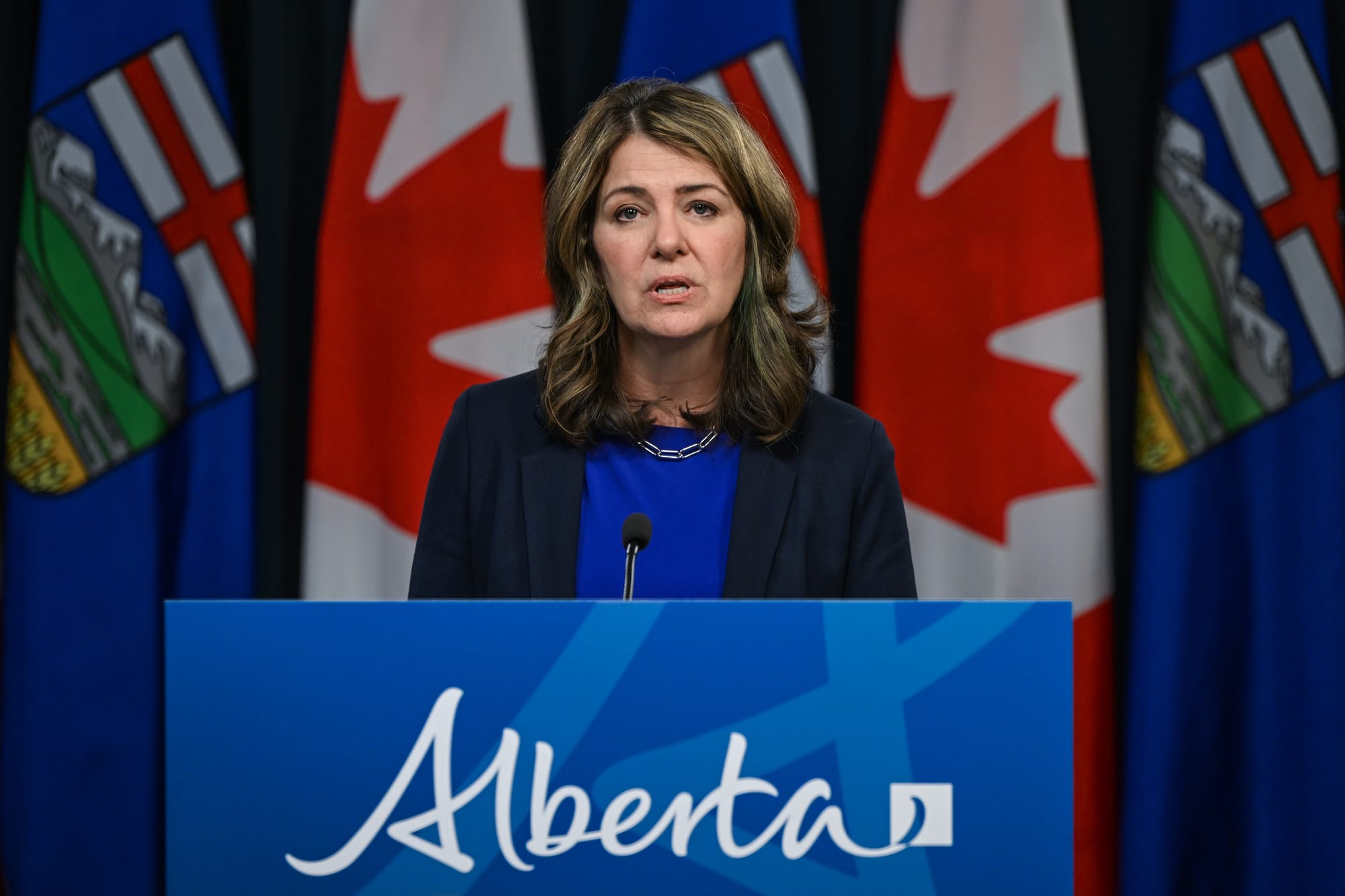
Her caution has a material basis. The Section 338 tariffs do not apply to energy or potash, which leaves Alberta's largest export untouched by the measures that are hurting Ontario and Quebec. Philosophically, too, Premier Smith's thinking aligns more with Republican priorities in Washington. The Toronto Star has noted that she has spent years arguing that Ottawa overreaches on pipelines, carbon rules, and resource development. Last November, her government signed an energy memorandum of understanding with Prime Minister Mark Carney. Ottawa agreed to drop its proposed cap on oil and gas emissions and to suspend clean electricity rules in the province; Alberta agreed to price industrial carbon and to act as proponent for a new pipeline to the West Coast. She is the only premier who has negotiated with this Prime Minister and come away with what she wanted.
Alberta is Canada's most conservative province, and on October 19 it votes on ten referendum questions, the last of which asks whether the province should remain in Canada or start the legal process toward a binding vote on separation. Smith put the question on the ballot and is urging Albertans to vote to stay. Polls have the remain side ahead by better than two to one. Quebec has twice voted on leaving, and in 1995 came within a point of it.
Canada is a vast, complex country with extremely low population density and diverse views from coast to coast. Carney would do well to keep this in mind before engaging in a fight with the United States.
If there is a loser here, it is likely to be Canada, which is far more dependent upon the United States than vice versa.
The border does not have to be a battlefield. Carney has a premier who has already made a deal with him and wants to make another. He should send Danielle Smith to the table.
Loved it, hated it, or somewhere in between — tell us. Grade this article here and help shape what lands in your inbox next.
🧭 Power & Capital · August 29, 2026
Where state power meets the boardroom.
🔷 Trump Vows Action To Break Up US Meatpacking "Monopoly" – Power & Capital Desk, TIPP Insights
🔷 Senate Passes Russia Sanctions Bill After Zelenskyy Visit – Power & Capital Desk, TIPP Insights
🔷 EU Decarbonization Is A Security Threat For The West – Samuele Furfari, The Daily Signal
🌍 Global Affairs
The world's flashpoints, in motion.
🟥 Why Trump Gets Results While Diplomats Fail – Victor Davis Hanson, The Daily Signal
🟥 ACTION MEMO FROM THE GULF: Trump Needs a War Czar – Mark Pfeifle, TIPP Insights
🟥 More Military Murders On The High Seas – Jacob G. Hornberger, Ron Paul Institute for Peace and Prosperity
🟥 All It Takes Is One Crack In The Lie We’ve Been Sold – Caitlin Johnstone, Ron Paul Institute for Peace and Prosperity
🟥 Watch: Russian Barrage Blasts Kyiv Region, Striking Warehouses And Homes – TIPP Video
🏛️ National Affairs
The fights shaping America right now.
🟫 The Radical Left Wants To Destroy America And Rebuild It – Victor Davis Hanson, The Daily Signal
🟫 Ken Paxton Unveils ‘Texas First’ Data Center Plan To Protect Grid, Communities – Emily Medeiros, The Daily Signal
🟫 ‘Stop Nick Shirley Act’ Sparks Showdown At California Capitol – Angelina Delfin, The Daily Signal
🟫 ‘High Crime’ Impeachment Of Trump Doomed To Fail – Virginia Grace McKinnon, The Daily Signal
🟫 Why Democrats Are Angry At Hakeem Jeffries – Robert B. Bluey, The Daily Signal
🟫 With Crucial Win At The Supreme Court, Trump Administration Has Path To Security, Transparency Rules In Mail Balloting – Don Palmer, The Daily Signal
🟫 HHS Responds To Democrat’s Head-Scratching Defense Of Transgender ‘Medicine’ – Tyler O'Neil, The Daily Signal
🟫 Support For Beaver’s Mini Mart Continues After Buc-ee’s Sparks Outrage – Rebecca Downs, The Daily Signal
🟫 Beluga Whale Peekachu Dies During Rescue Transfer To Chicago – TIPP News
🟫 DOJ Seeks Dismissal Of Lawsuits By Fired Immigration Judges – TIPP News
🟫 Database Shows Abuse Of License Plate Readers; Police Defend Their Use – Kim Jarrett, The Daily Signal
🟫 Twilight’s Last Gleaming – Andrew P. Napolitano, Ron Paul Institute for Peace and Prosperity
📈 Economy
Prices, policy, and the pressure on your wallet.
🟩 The Real Reason Young Families Can’t Find Homes To Buy – Peter St. Onge, The Daily Signal
🟩 Housing Is Too Expensive. Blame Your Local Tree Ordinance. – Chance Weldon, The Daily Signal
🟩 The Wealth Tax Revival Is Repeating A Failed Experiment – Lipton Matthews, Mises Wire
Letters to the editor email: editor-tippinsights@technometrica.com
Subscribe Today And Make A Difference. Consider supporting Independent Journalism by upgrading to a paid subscription or making a donation. Your support helps tippinsights thrive as a reader-supported publication. Contact us to discuss your research or polling needs.
Reach our audience. For sponsorship and advertising opportunities, visit our Partner With Us page.