By Sergio Fernández Redondo via Mises Wire | April 29, 2026
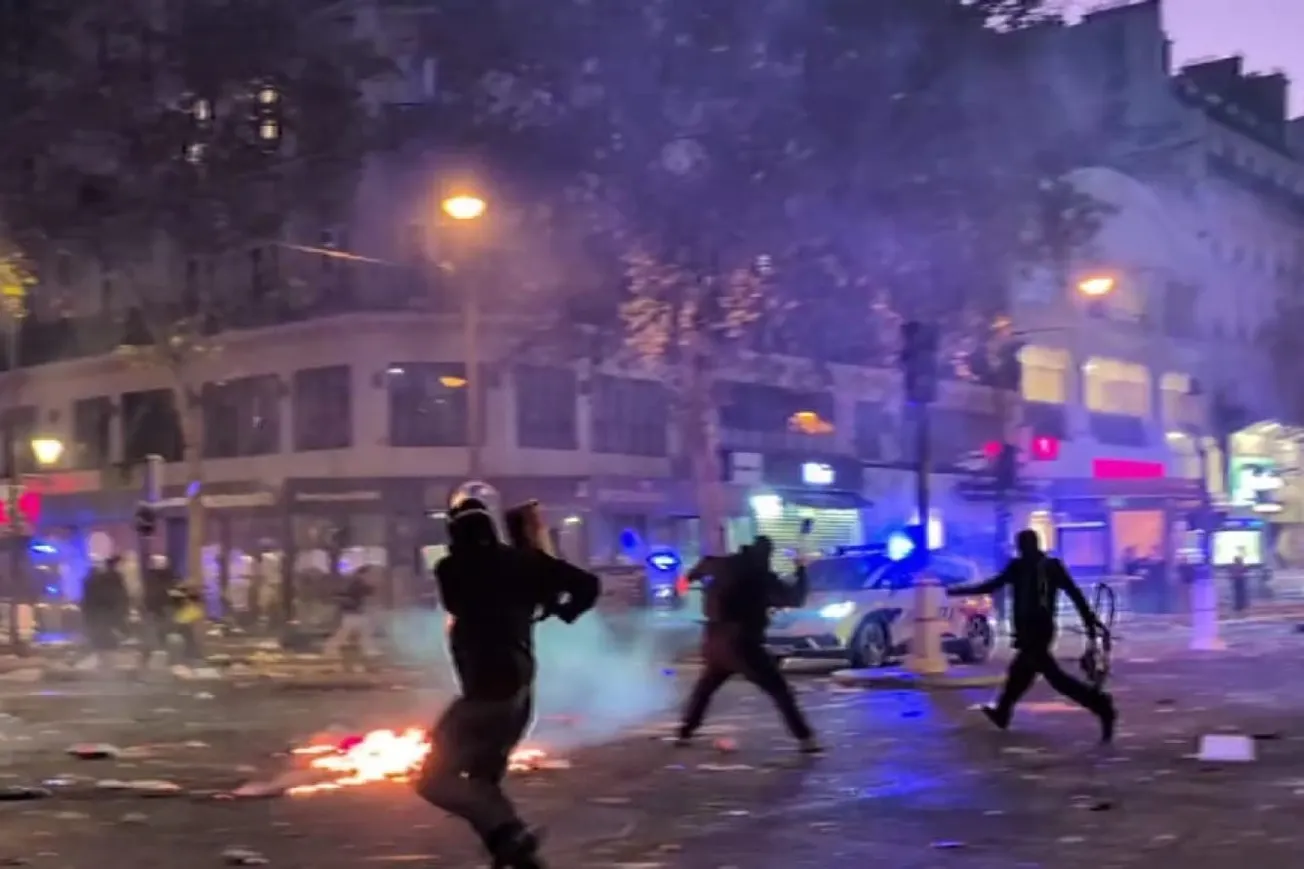
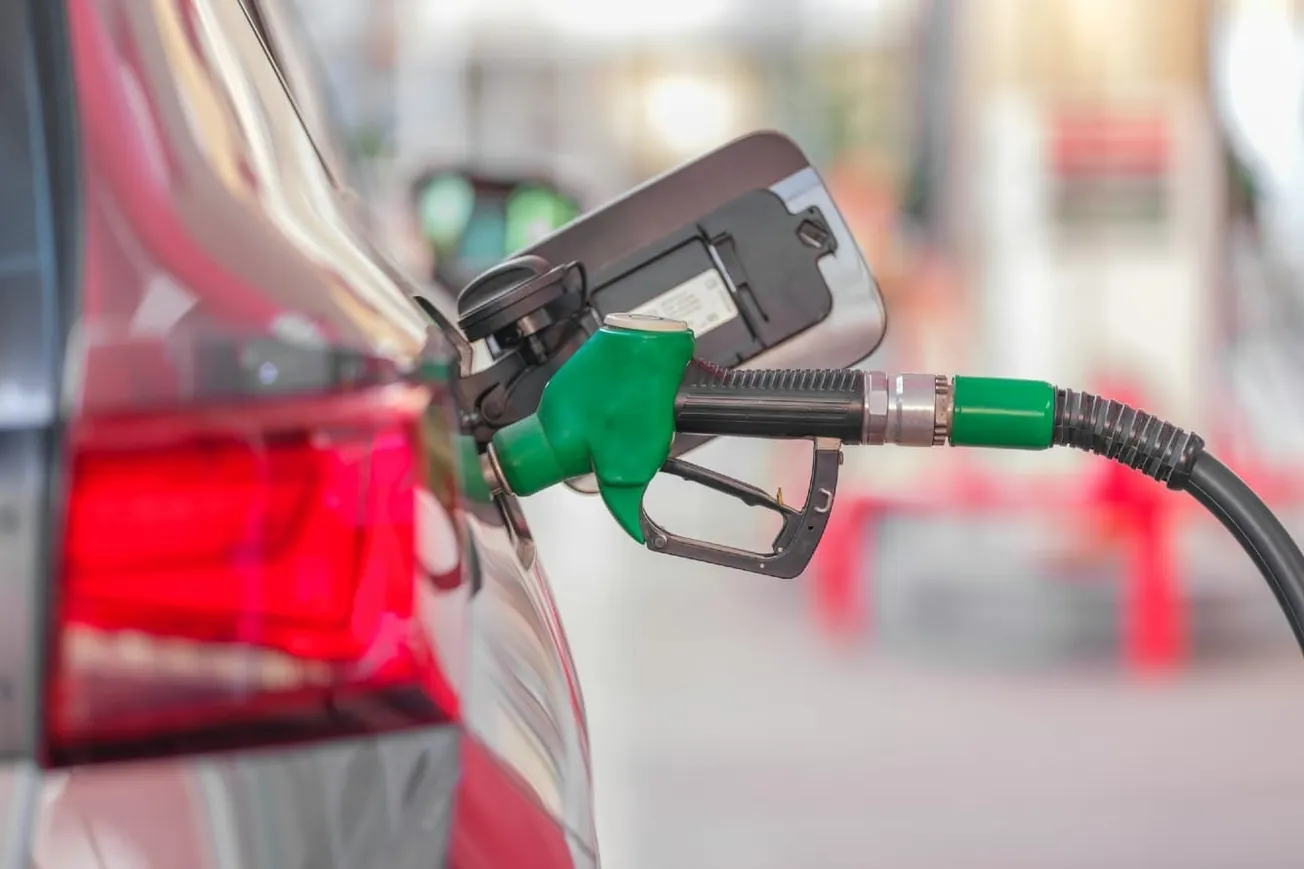
Europe is experiencing a significant escalation in the price of fuel as a result of the ongoing conflict in Iran, prompting notable discontentment and unrest among the population. This sentiment has reached a tipping point in Ireland, where numerous protests have been taking place for the past week.
Farmers and hauliers have been blockading main arteries in big cities and also the only oil refinery in the country, causing severe disruptions and also a shortage of fuel in filling stations.
The form that these protests are taking is being met with a mixture of emotions from the general public. Over the past century, trade unionism and republicanism have somehow managed to instill into public opinion a certain romanticization of strikes or violent political actions. Some—imbued by early 20th century iconography—still view these actions as a brave act of defiance of the down-trodden against evil forces. Some are just plainly annoyed by the disruption that they are causing to their daily routines. And some others struggle with the ambivalence of a certain sympathy for their cause and the complete vexation by the practical consequences. There is also the figure of the naturally-inclined to political action but suspicious of the motivations of this one, and also of who might be pulling the strings from the shadows. The high degree of organization exhibited by protestors make some observers dubious that it is a genuinely grassroots movement.
After all, farmers in Europe often fall into a type of political limbo that might challenge traditional perspectives. They are hard workers but not proletarians. They own extensive amounts of land and normally espouse values of private property rights and traditional social views. They are also held in an ignominious grip of political clientelism whereby their trade is severely restricted by endless and pointless regulations, making it difficult to maintain a profitable business, and receiving thus numerous grants and payoffs from the same institutions that cripple their ability to prosper. Enough to make people at any point of the political spectrum skeptical.
Whatever your stance on the matter, and whoever is actually behind the protests, one thing is certain: there is nothing remotely laudable about A (protestors) violating the rights of C (the public) because they have a grievance with B (the government). You could accept it from a utilitarian, or even Machiavellian, perspective but there is nothing morally justifiable about it. This is true even if their grievance is genuinely justified or if C ends up benefiting from the action in the long term.
After that caveat on the form of the protests, we can now move onto their content. The protestors base their petitions on two essential points of contention: lower taxes and a cap on fuel price. Unfortunately, these two proposals are seen as naturally concomitant within the context of lowering fuel prices, even though they stem from diametrically opposing moral and political principles.
Insomuch as taxes are an obligation that the government imposes on us, advocating for their reduction—as the protestors do—is a laudable request which all citizens would do well to support. On the other hand, price control is essentially a curtailment of economic agents’ freedom to exchange goods at any rate they agree on without coercion. In this case, the protestors are actually requesting the government to further impinge on our rights. Quite paradoxically, they are proposing for the government to release their clutches from some parts of social and economic life while extending them to other parts.
Some might see these cautions as pointless philosophical quibbles to decisions which, in praxis, would have a positive overall result. But, as renowned economist Jesús Huerta de Soto posits, what is immoral is often also ineffective and economically unsound. Prices are an indicator of the scarcity of goods, and their fluctuations give the markets the necessary information to manage those goods. Artificial and coercive interference with those indicators leads to misallocation of resources and scarcity, as we can see for instance in the case of rent control. All the more since filling stations in Ireland operate on very tight profit margins—most of their profits come from the associated shops. Our attention is better focused on the reasons for price escalation, which frequently lie in the actions of the very same government that we naïvely implore to.
Fuel in Ireland is subject to a plethora of taxes including excise duty or MOT (Mineral Oil Tax), VAT (Value Added Tax), NORA (National Oil Reserves Agency) levy and the infamous Carbon Tax—which is intended to continue increasing in line with the targets of the Agenda 2030—accounting for more than 50 percent of its retail price. This means that there is enough leeway for price reduction on the side of taxation, without opening the can of worms of price control. To give credit where it is due, the government has agreed to reduce taxes temporarily as an emergency measure, rather than giving in to the temptation of price capping like other countries, so we can hope that further pressure on that respect will lead them to continue working in that direction.
There is strong potential in these protests for genuine and necessary claims, but it has to be channeled into a serious and well-founded political message. Otherwise, it might end up in an infantile tantrum of genuinely aggrieved economic agents throwing their toys out of the pram. Or, worse, being sequestered by political organizations with dubious agendas (if it has not been, already).
Sergio Fernández Redondo hails from Spain and is located in Ireland. Although he has degrees in engineering and translation, his range of interests encompasses History, linguistics, economy and political philosophy.
Original article link