
Donald Trump promised he could end Russia's war in Ukraine in 24 hours. Nearly 22 months into his second term, the war goes on.
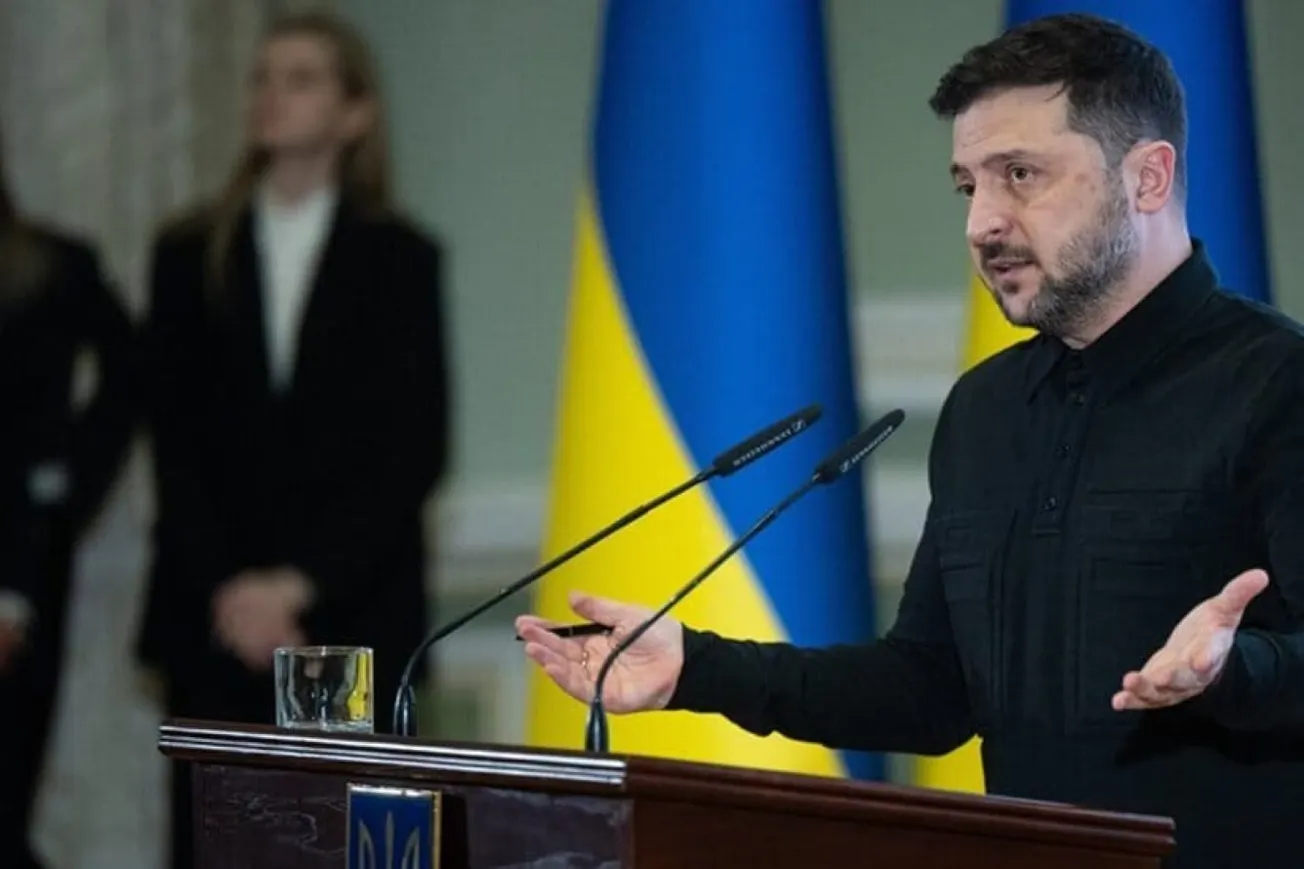
In February 2025, Ukrainian President Volodymyr Zelensky came to the Oval Office without a suit jacket. Trump told him he had no cards, Vice President J.D. Vance demanded gratitude, and Zelensky went home without an agreement.
Six months later, Trump applauded as Vladimir Putin walked toward him on a red carpet in Alaska, with four F-22 fighters lining the tarmac and a B-2 stealth bomber and four F-35s flying overhead. The two presidents rode off together in Trump's limousine to negotiate, and Putin left without agreeing to a ceasefire.
This week in Abu Dhabi, Trump's negotiators held two days of talks with Russian and Ukrainian representatives. The two sides agreed to a large prisoner exchange but made no progress on territory. Russia controls roughly one-fifth of Ukraine and wants more, while Ukraine wants security guarantees that would prevent another Russian invasion.
Meanwhile, Trump also wants a deal with Iran. Tehran wants Washington to lift its naval blockade, ease sanctions and end military operations before it negotiates over its enriched uranium.
Trump sees prosperity as the reward for making peace, but for Putin and Tehran's leaders, giving in could cost them their hold on power. Trump's envoys have held plenty of meetings. What's missing is someone in Washington managing the pressure that would make Moscow and Tehran give ground.
At the same time, the Iran war is helping Putin pay for his own. In September, higher oil prices pushed Russia's oil export earnings up 25 percent to $17.7 billion, and Washington eased sanctions on Russian diesel to stabilize world markets.
Even so, Russia is paying a heavy price. Since invading Ukraine in February 2022, it has suffered an estimated 1.4 million military casualties through June of this year, including as many as 450,000 killed, according to the Center for Strategic and International Studies. Ukraine has suffered as many as 625,000 casualties, including up to 150,000 killed.
Russia is losing soldiers faster than it can recruit them, and its regions are running short of money. Regional governments are cutting payments to the families of soldiers killed in the war, and some plan to cut healthcare and other public-sector jobs.
Moscow has also lost much of its European energy market. Russia supplied about 45 percent of the European Union's natural gas imports in 2021 but only 12 percent in 2025, and Russian oil's share of EU imports fell from 27 percent at the start of 2022 to 2 percent.
European governments have spent billions on LNG terminals, and Norway and the United States have taken much of the business Moscow once controlled.
Still, some European countries buy Russian gas, Russian LNG keeps arriving, and the Iran war has made other energy supplies more expensive.
Yet American negotiators have discussed restoring commercial ties with Russia in oil, aviation and pipelines, including proposals involving the Druzhba pipeline and the Sakhalin energy projects.
Washington is taking the opposite approach with Tehran, and Iran's economy is paying for it. The IMF now projects a 7.6 percent decline in Iran's GDP this year. In September, consumer prices were nearly 90 percent higher than a year earlier, and an average monthly wage of roughly $92 doesn't come close to the estimated $336 needed to support a working-class family of three.
Many Iranians want the regime gone. A June 2026 GAMAAN survey found 69.5 percent of respondents favored regime change or a transition away from the Islamic Republic, and nearly 80 percent agreed with the protest slogan "Death to the dictator."
Human rights monitors confirmed more than 6,800 deaths in the crackdown earlier this year, most of them protesters, and other estimates exceed 30,000.
Iran's rulers, meanwhile, have spent nearly five decades chanting "Death to America," building proxy armies and supporting terrorism.
Speaking at the United Nations in September, Trump argued that a deal would let Iran rebuild and prosper. "I believe we'll make a deal right after the election because it doesn't make sense for them not to," Trump said.
But for the men running Iran, surrendering enriched uranium and normalizing relations with Washington could destroy the system that keeps them in power.
Instead, the regime has answered American military and economic pressure by moving the fight to the Strait of Hormuz, the Houthis and Hezbollah, and ships now face threats in two of the world's most important waterways.
To break the deadlock, Qatar has proposed a two-day sequence. On the first day, Washington would lift its blockade and release frozen Iranian funds, and Tehran would invite international nuclear inspectors to its damaged facilities. Hormuz would reopen on the second day, followed by negotiations over enriched uranium.
Steve Witkoff had met Putin nine times by the end of October, and he and Jared Kushner have pursued talks with Tehran from Muscat to Geneva, Islamabad and Doha. None of it has produced a peace agreement in either war.
Compare that with the Minnesota Vikings, who tried Kyler Murray and Carson Wentz at quarterback this season.
I can picture the call to the Raiders: "Hi, Mark Davis. Is Kirk Cousins available?" On Tuesday, the Vikings traded for him.
Maybe the problem is the quarterback, or maybe it's the offensive line, the coaches or the playbook. Either way, the general manager owns all of it.
The question is who Putin and Tehran will actually listen to, respect or fear.
Vance questioned the Iran war before it began, and now his political future depends on ending it. Rubio is both secretary of state and national security adviser, yet he hasn't even made it off the practice squad while Witkoff and Kushner run the negotiations.
I watched an earlier version of this while serving on President George W. Bush's National Security Council.
Condoleezza Rice sent Chris Hill, one of the finest Foreign Service officers of his generation, to negotiate with North Korea. Hill traveled to Pyongyang, Beijing and other capitals, held meetings and press conferences, briefed reporters and kept coming back to the table.
He secured agreements, inspections and the disabling of facilities at Yongbyon.
Even so, North Korea kept its nuclear weapons, and it still has them after Trump met Kim Jong Un three times. Even the most talented diplomat needs leverage.
In August, Treasury Secretary Scott Bessent announced Operation Economic Outcast, which he called an economic D-Day against Iran.
Treasury followed with sanctions on Iranian banking networks, aviation suppliers, shadow tankers, maritime fraud operations and companies helping Tehran evade restrictions. The sanctions kept coming, but the nuclear concessions didn't.
Two months later, Bessent was at the Cheesecake Factory defending the restaurant against Barack Obama's jokes about Trump's Oval Office renovations and ordering his usual French Dip Cheeseburger.
I've eaten at the Cheesecake Factory in Doha, where Qatar is mediating the Iran negotiations.
Maybe Bessent should take the Iranians there for lunch. Order the French Dip. It's on the menu.
Eisenhower spent months preparing the Normandy invasion. Bessent declared an economic D-Day against Iran without a comparable strategy for forcing the regime to surrender its enriched uranium. If Franklin Roosevelt and General Eisenhower had run D-Day the way Trump and Bessent are running this one, I'd be typing this in German.
In August, I called for a Stephen Miller type to manage the Iran war, though not Miller himself.
Now Miller is White House chief of staff. He has the big job, but who's managing the wars?
Trump needs a War Czar who can anticipate what Putin and Tehran will do next and make sure Washington is ready before they do it.
A Pressure Cell would have to move faster than Iran's jet-powered Hadid-110 drone, finding where Iranian money is going next and cutting off the route before it arrives.
Trump's negotiators have sanctions, a naval blockade and American military power behind them. But the pressure is scattered, and Putin and Tehran have learned to live with it.
The president picks the negotiators, and a War Czar would turn American pressure into the leverage that changes Putin's and Tehran's behavior.
Putin and Tehran can afford another meeting. With two years left in office and no exit strategy, Trump can't, and both wars could outlast his presidency.
Mark Pfeifle, a member of the TIPP Insights Editorial Board, served as deputy national security adviser for strategic communications and global outreach at the White House from 2007 to 2009. He runs the crisis management firm Off the Record Strategies.
Loved it, hated it, or somewhere in between — tell us. Grade this article here and help shape what lands in your inbox next.
🧭 Power & Capital · November 12, 2026
Where state power meets the boardroom.
🔷 Nvidia Board Reportedly Considers Ousting Jensen Huang Over Affair Allegations – Power & Capital Desk, TIPP Insights
🔷 Who Is Kimberly Powell, The Nvidia Executive Linked To Jensen Huang – Power & Capital Desk, TIPP Insights
🔷 Brazil's Electoral Court Imposes $1.3 Million Fine On Meta – Power & Capital Desk, TIPP Insights
🌍 Global Affairs
The world's flashpoints, in motion.
🟥 Russia And Ukraine Reach Humanitarian Breakthrough In UAE Talks – TIPP News
🟥 Iran Reports Strike On Shipping Navigation Infrastructure In Gulf Of Oman – TIPP News
🟥 Germany Bans Chinese-Made Drones From Military Training Grounds – TIPP News
🟥 1,500 Migrants Leave Southern Mexico Hoping For Easier US Entry – TIPP News
🟥 Pope Leo XIV Ends Argentina Visit With Appeal To Help The Vulnerable – TIPP News
🟥 Portugal Shuts Schools And Public Services As Storm Charles Approaches – TIPP News
🏛️ National Affairs
The fights shaping America right now.
🟫 Traffic Delays Leave 11 Democrats Absent For Hegseth Impeachment Vote – TIPP News
🟫 Democrat Scott Colom Wins Mississippi Senate Race – TIPP News
🟫 Trump Administration Plans To Sell Federal Public Lands To Reduce Government Ownership – TIPP News
🟫 17-Year-Old Held In Killing Of 15-Year-Old Javits Frimpong – TIPP News
🟫 Two Rescued After Building Partially Collapses In Brooklyn – TIPP News
🟫 Florida Plans Major Artificial Reef Project Using Historic Ocean Liner – TIPP News
🟫 Deer Rescued After Spending 10 Days Trapped In Plastic Pumpkin – TIPP News
📈 Economy
Prices, policy, and the pressure on your wallet.
🟩 What Factors Drove U.S. Economic Growth In Early 2026 – TIPP News
💼 Markets & Business
The deals and tickers making moves.
🟧 Anthropic Targets $1.4 Trillion Valuation In Major Nasdaq IPO – TIPP News
🟧 United Airlines Blocks AI Bots From Booking Flights – TIPP News
🟧 What Is Driving The Growing Financial Crisis In The AI Industry – TIPP News
🔬 Science & Tech
What's being discovered, built, and launched.
🟪 Congo Ebola Outbreak Surpasses 11,000 Cases And 5,300 Deaths – TIPP News
🟪 One Dead In E. Coli Outbreak Linked To California Pumpkin Farm – TIPP News
🟪 Study Finds BMI Alone May Misclassify Millions With Obesity – TIPP News
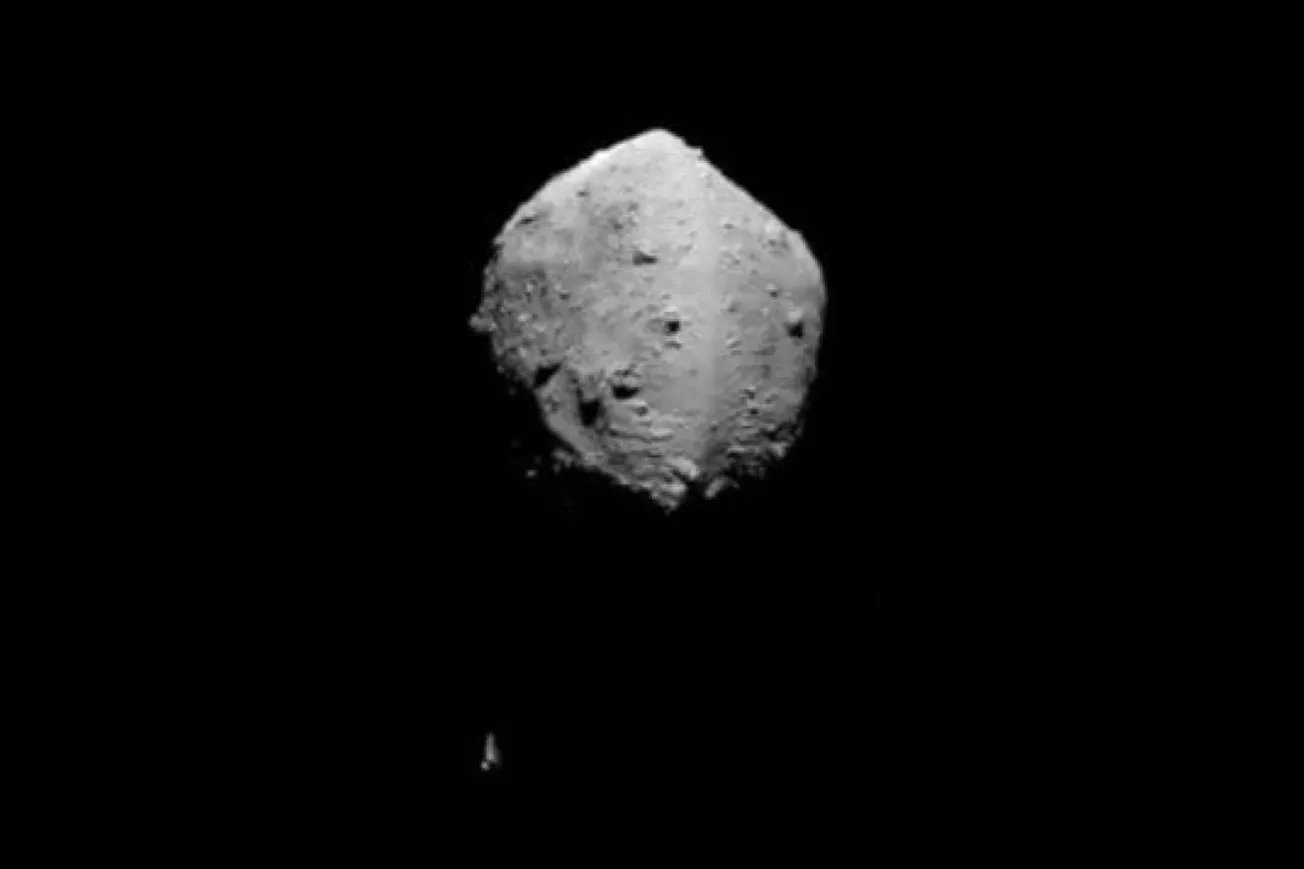
🟪 ESA’s Hera Mission Inspects Asteroid Struck In 2022 Planetary Defense Test – TIPP News
📊 Market Mood · November 12, 2026
How the trading day is setting up.
🟥 Nvidia turmoil is rattling technology stocks. Nasdaq futures are down nearly 0.8% as reports of a possible leadership shakeup at Nvidia send its shares sharply lower, dragging down chipmakers and AI infrastructure companies.
🟧 Hot inflation is keeping the Fed on edge. October's stronger-than-expected CPI report has reinforced expectations of further tightening, while elevated Treasury yields continue to pressure technology valuations.
🟩 Oil is falling despite renewed Middle East tensions. Brent has slipped toward $92 a barrel as rising OPEC+ production offsets concerns about tanker attacks and shipping disruptions in the Strait of Hormuz.
🟦 AI investment remains a divided trade. Strong CoreWeave results helped lift Wall Street on Wednesday, but concerns about data-center financing and the sustainability of massive AI spending continue to unsettle investors.
🗓️ Key Economic Events
On today's U.S. data calendar.
🟧 10:00 a.m. ET — Construction Spending (May)
Forecast: +0.4% | Previous: -0.3%
A rebound would suggest business and residential investment remains resilient despite elevated borrowing costs.
Letters to the editor email: editor-tippinsights@technometrica.com
Subscribe Today And Make A Difference. Consider supporting Independent Journalism by upgrading to a paid subscription or making a donation. Your support helps tippinsights thrive as a reader-supported publication. Contact us to discuss your research or polling needs.
Reach our audience. For sponsorship and advertising opportunities, visit our Partner With Us page.