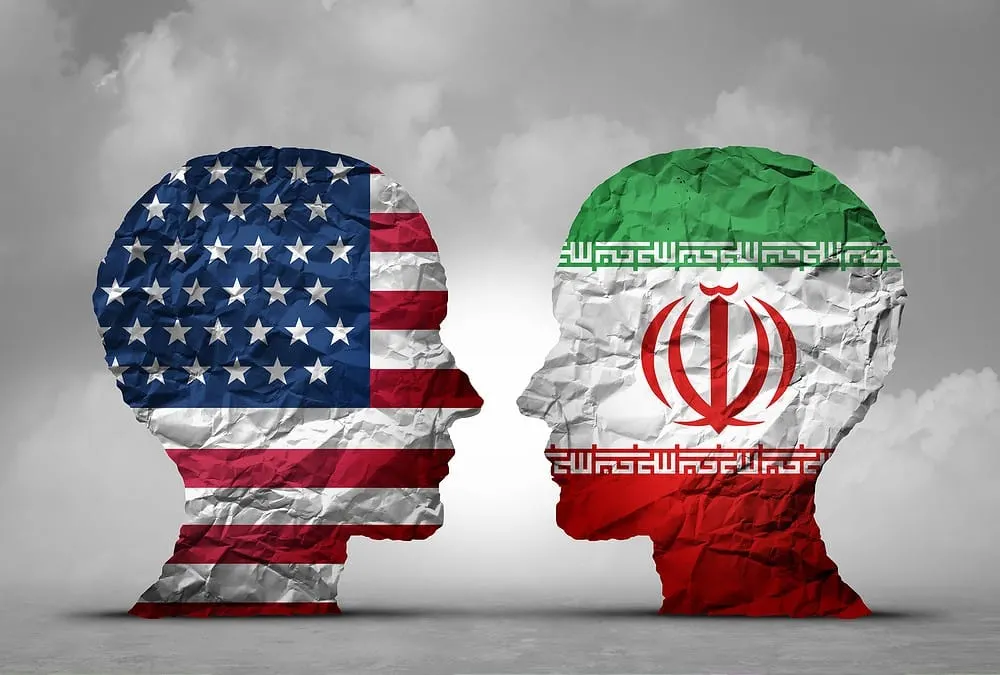
The U.S. and Iran are reportedly close to agreeing on a one-page memorandum of understanding to end the current conflict and establish a framework for broader nuclear negotiations.
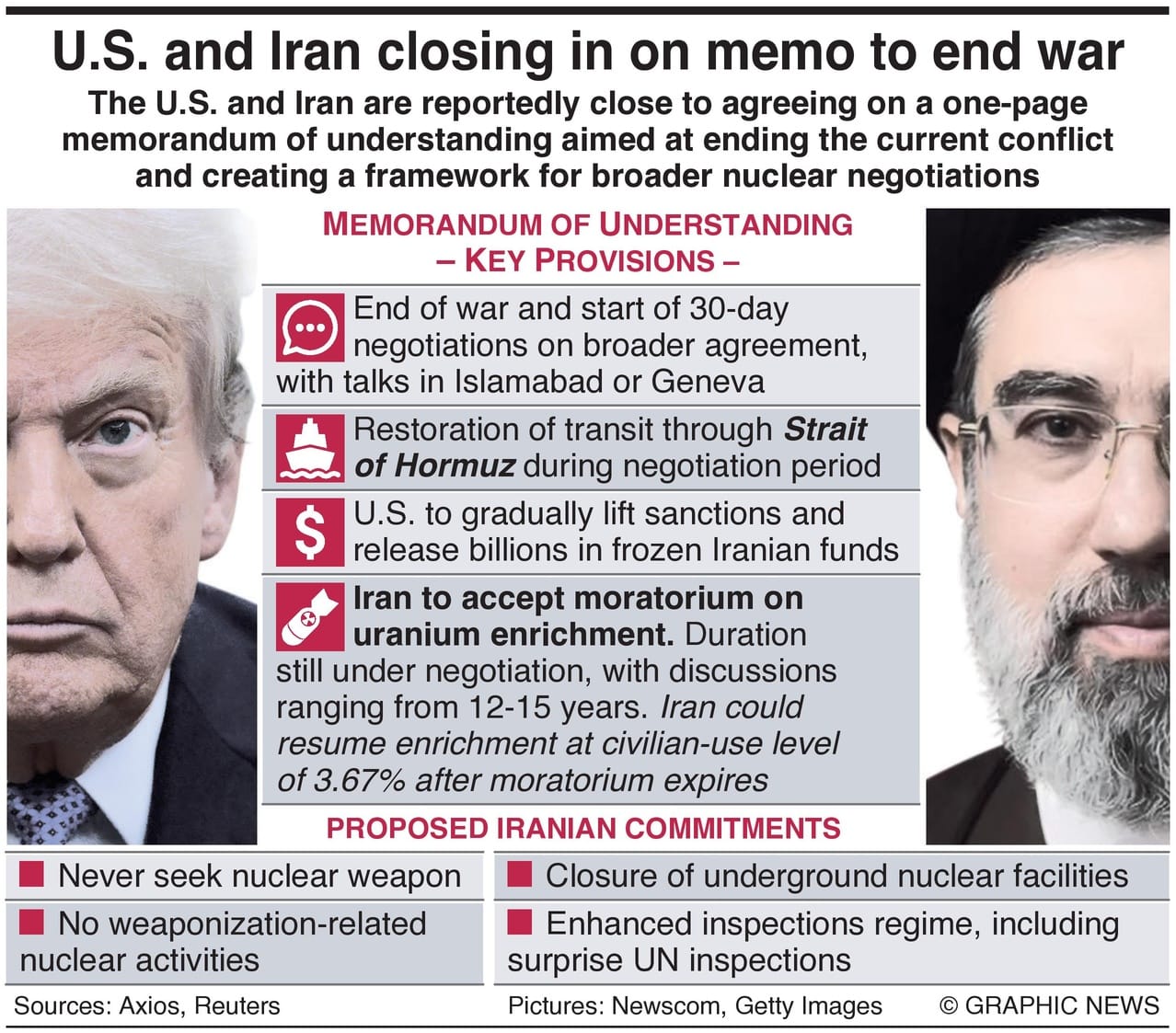
Under the proposed agreement reported by Axios, citing two U.S. officials and two other sources briefed on the issue, both sides would declare an end to hostilities and begin a 30-day period of negotiations aimed at reaching a more detailed long-term deal. Talks are expected to take place in either Islamabad or Geneva.
The memorandum would also provide for the restoration of transit through the Strait of Hormuz during the negotiation period, easing tensions in one of the world’s most strategically important shipping routes.
As part of the proposed framework, the United States would gradually lift sanctions on Iran and release billions of dollars in Iranian funds frozen abroad.
Iran, meanwhile, would agree to a moratorium on uranium enrichment. The duration of the moratorium remains under negotiation, with discussions reportedly focused on a period of between 12 and 15 years. After the moratorium expires, Iran could resume uranium enrichment at the civilian-use level of 3.67%.
The proposed memorandum is intended to serve as an initial framework for more comprehensive negotiations and could mark the most significant diplomatic breakthrough between Washington and Tehran since the latest conflict began.