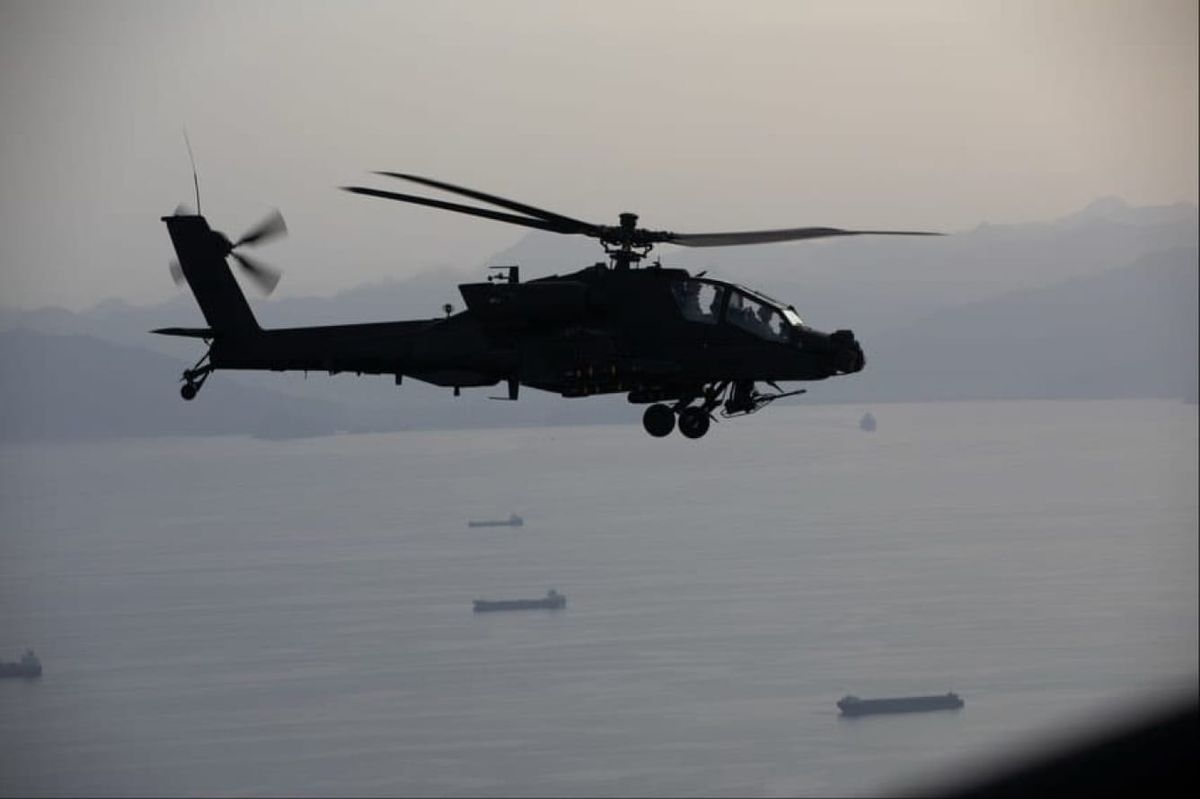
The United States launched military strikes against Iran on Tuesday evening in response to the downing of a U.S. Army Apache helicopter near the Strait of Hormuz, according to U.S. Central Command.
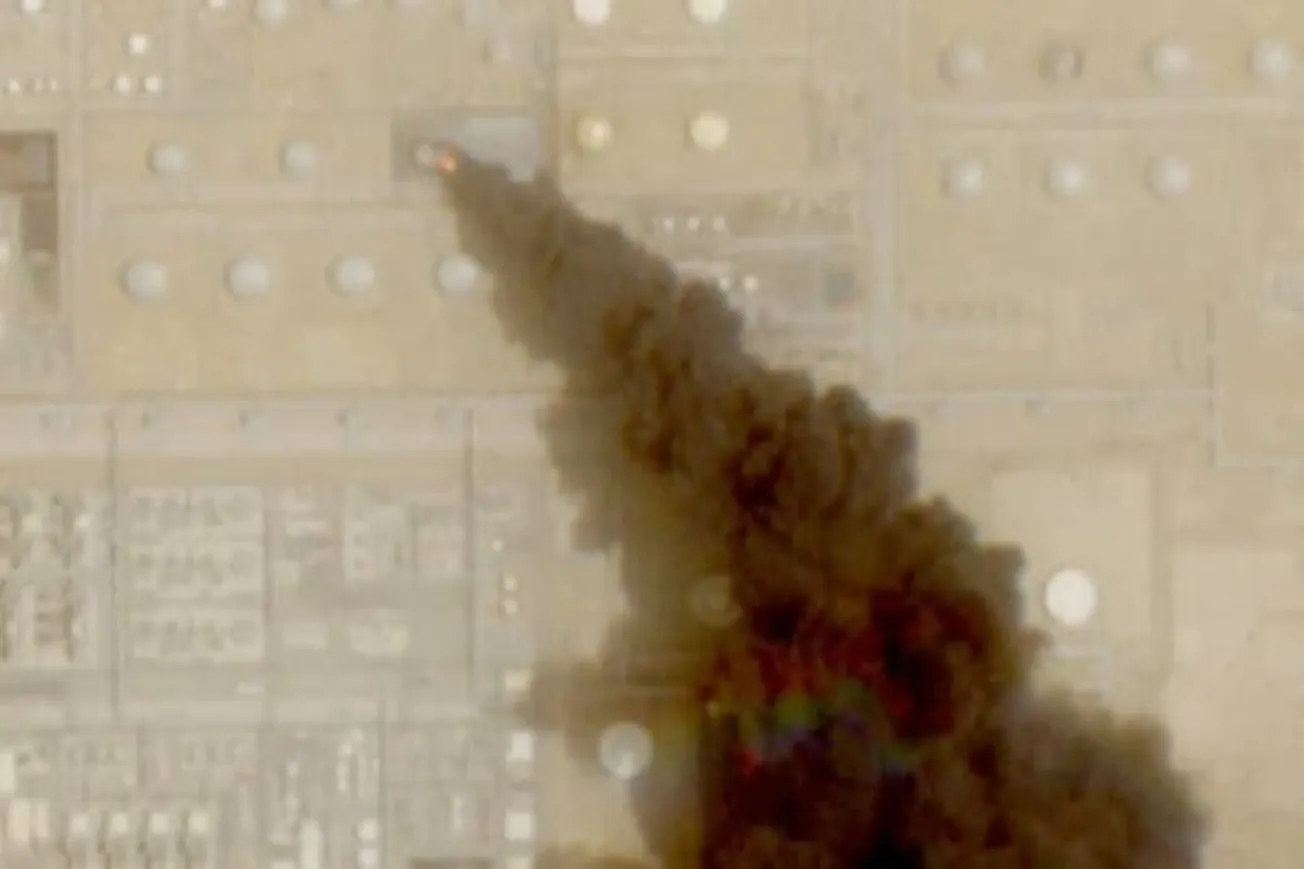
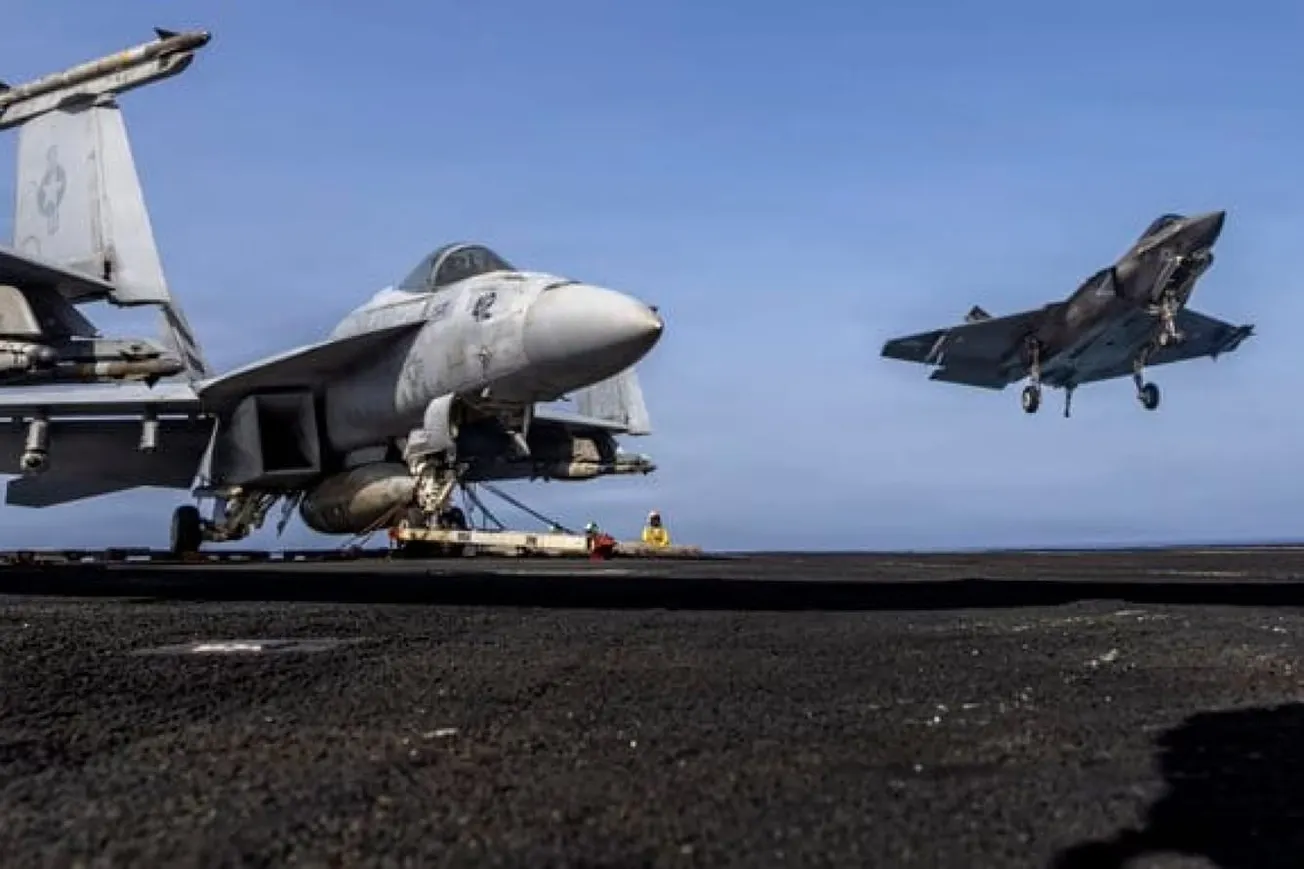
Centcom described the operation as a series of “self-defense strikes” and said the action represented a proportional response to what it called Iranian aggression.
The strikes were ordered by President Donald Trump following the helicopter incident, which occurred during a patrol mission over one of the world’s most strategically important waterways.
Trump stated that both pilots aboard the helicopter survived the attack without injuries but argued that a response was necessary despite the absence of casualties.
The president had indicated earlier in the day that the United States would retaliate for the incident.
The military action adds new uncertainty to an already fragile ceasefire between Washington and Tehran. While clashes have continued intermittently, the administration has maintained that diplomatic efforts remain active.
Trump recently expressed optimism that negotiations could soon produce an agreement aimed at preventing Iran from obtaining nuclear weapons and restoring normal navigation through the Strait of Hormuz.
However, the latest exchange of military action highlights the challenges facing those talks.
Despite repeated suggestions from both sides that a breakthrough may be near, a final agreement has yet to emerge as tensions continue to simmer across the region.
Related Tweet:
U.S. military launches strikes in retaliation for Iran downing helicopter: Pentagon https://t.co/Qv8oThleYi
— CNBC (@CNBC) June 9, 2026
Also Read:
 TIPP Staff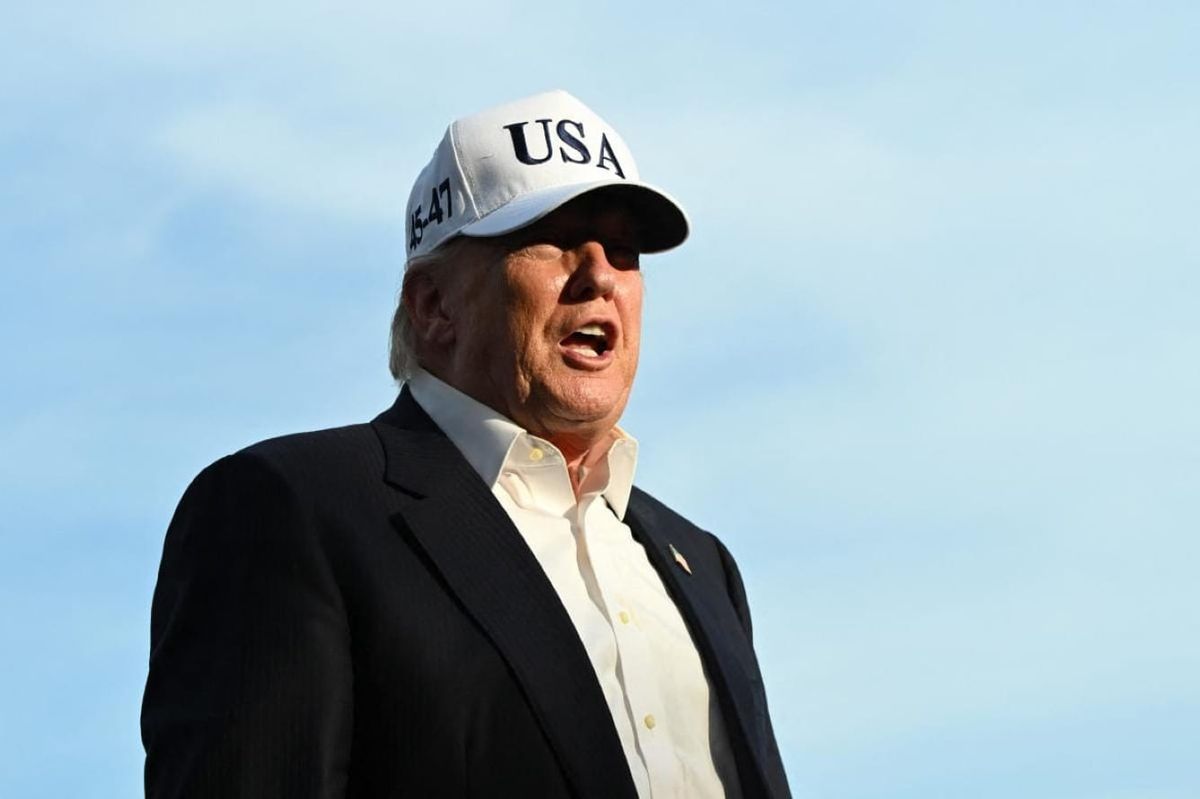
 TIPP Staff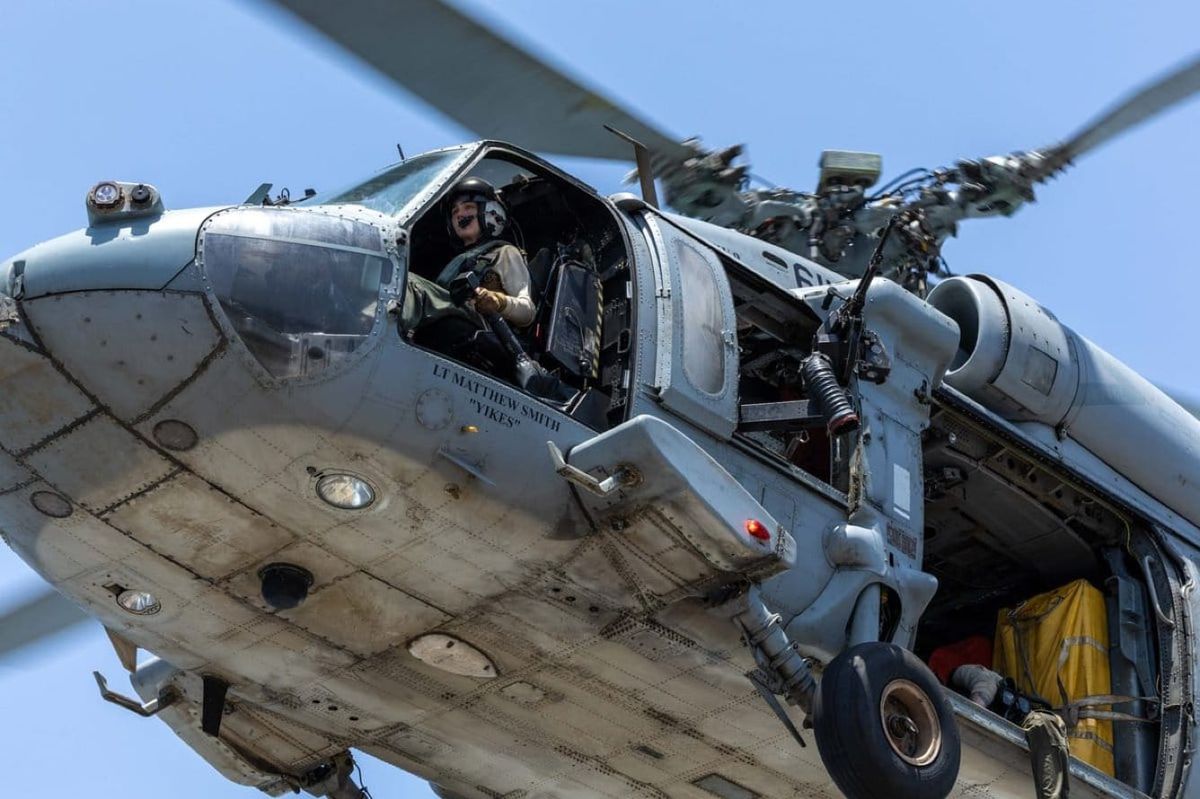
 TIPP Staff