President Donald Trump has barely finished the first year of his second term in office, but already pollsters are looking to the midterm 2026 congressional battle and 2028 presidential election. That includes the I&I/TIPP Poll. Believe it or not, many voters are already deciding whom they will support.
The latest national online I&I/TIPP Poll asked registered voters of both major parties and independents two questions about their preferences.
The poll, which was taken by 1,126 registered voters from Jan. 27 to Jan. 29, has an overall margin of error of +/-3.1 percentage points.
The first question: If the vote were held today, which candidate would they favor to be their presidential candidates in 2028? And, the second: Which party do they want to control Congress after 2026’s midterm elections?
Start with the 2028 presidential election. While no candidate received a majority for either party, the leading candidates were predictable.
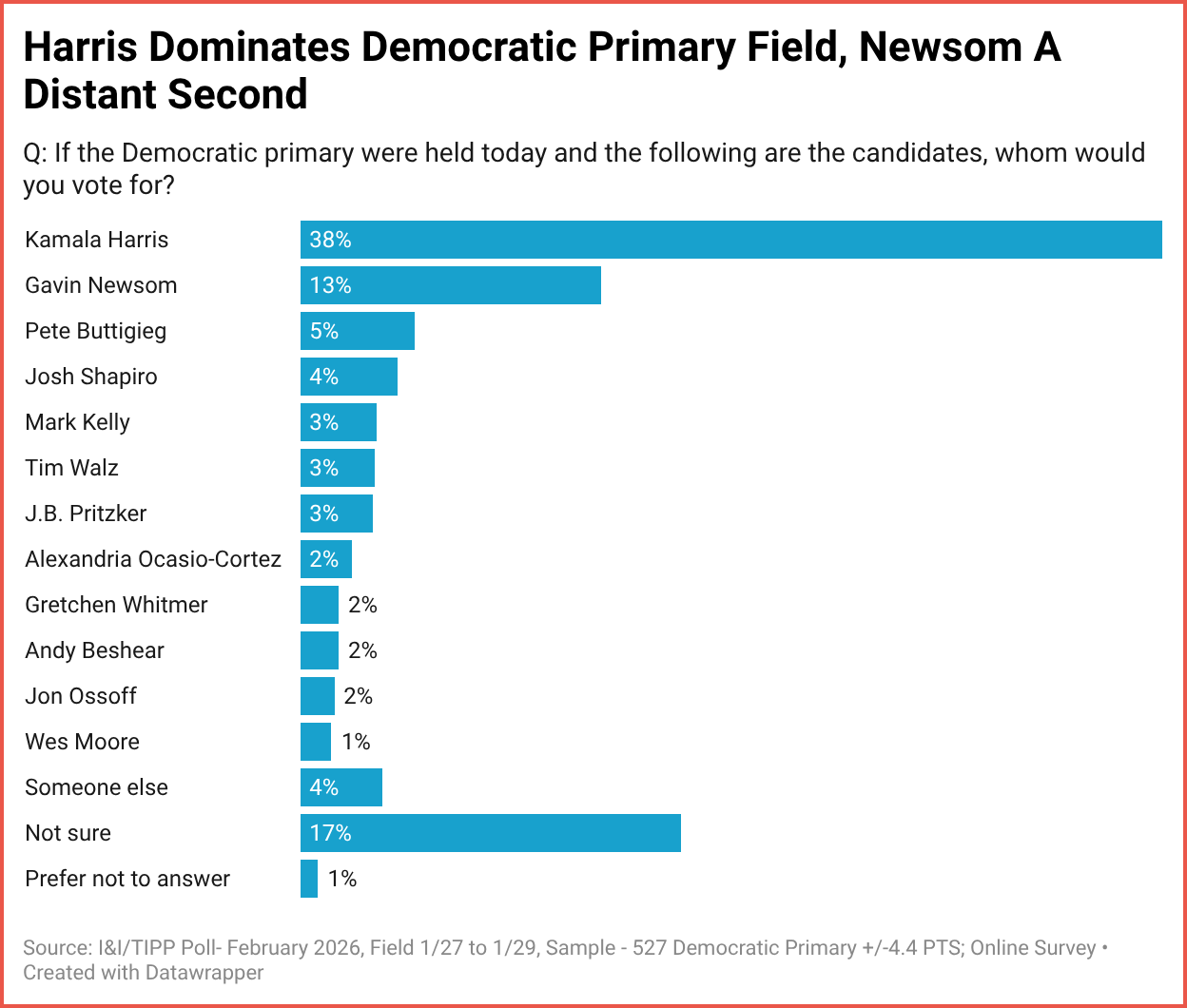
Among the 527 Democratic primary voters, Kamala Harris received 38% of the vote, followed by California Gov. Gavin Newsom (13%), former Transportation Secretary Pete Buttigieg (5%), Pennsylvania Gov. Josh Shapiro (4%) and a long list of others at 3% or less.
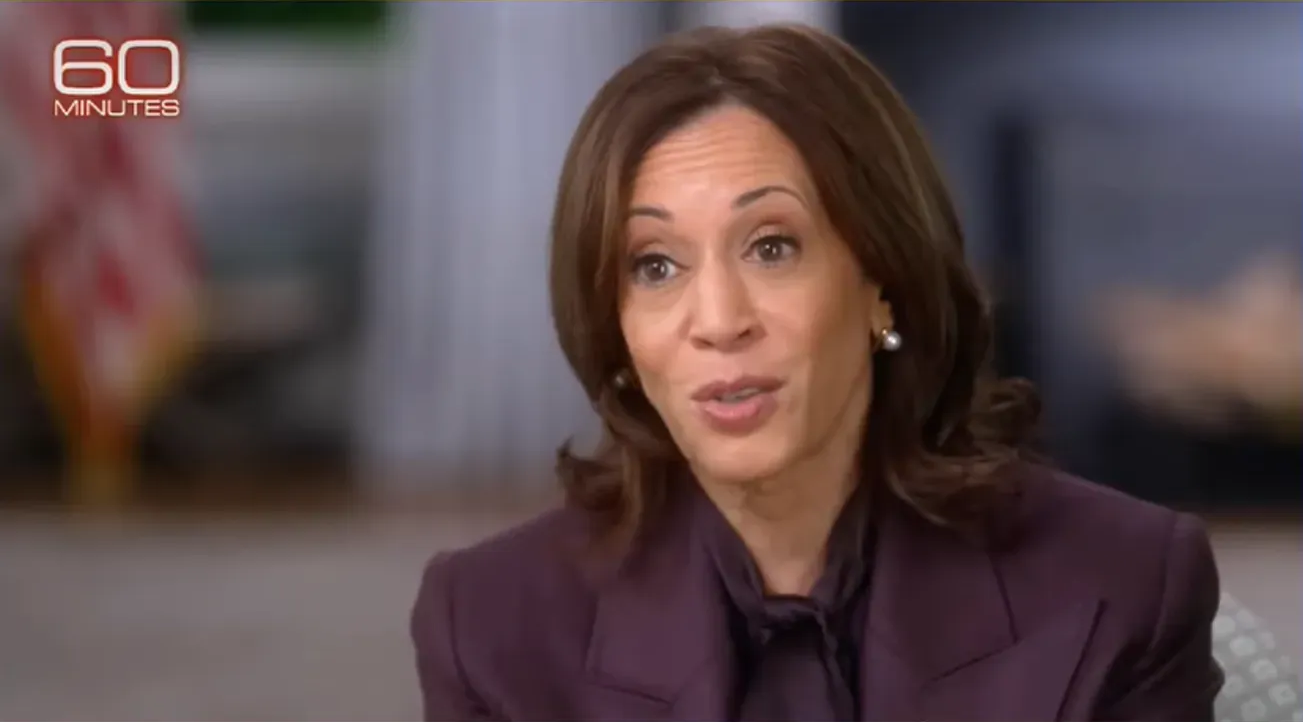
However, not all people on the Democrat side have made up their minds: “Not sure” got a 17% chunk of the answers, while “someone else” (4%) got smaller support.
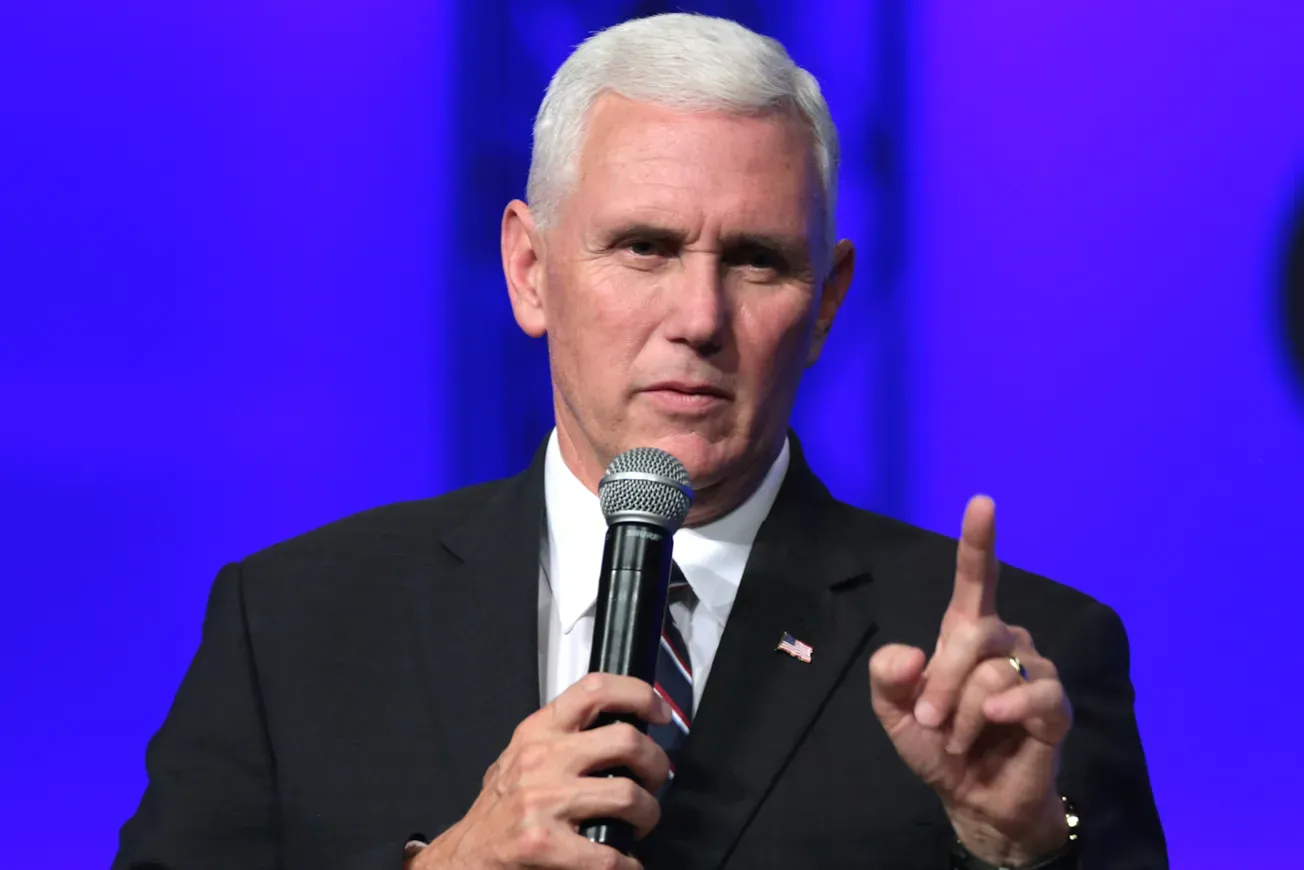
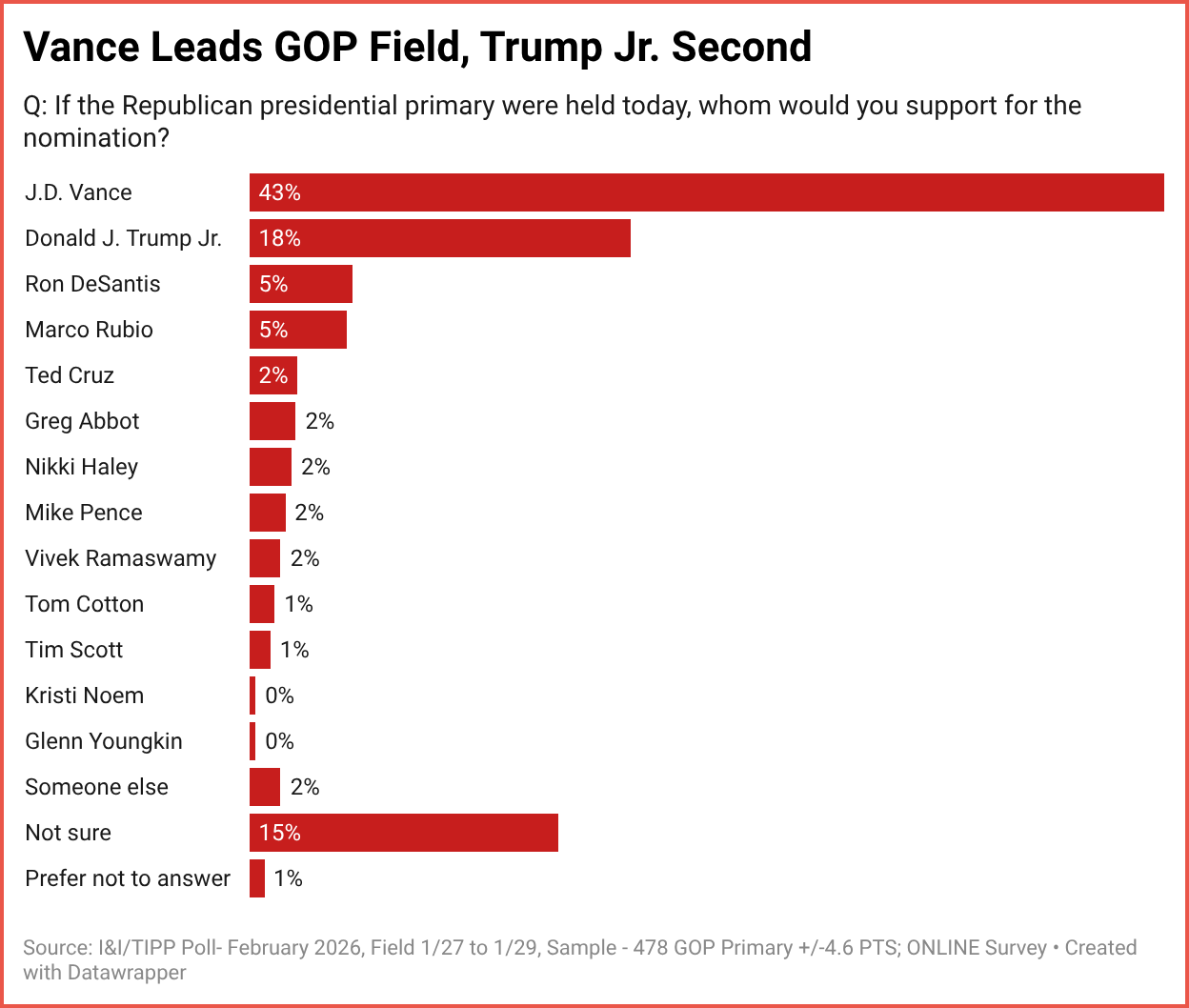
Among the 478 Republican primary voters, the 2028 presidential favorites include Vice President J.D. Vance (43%), Donald Trump Jr. (18%), Florida Gov. Ron DeSantis and Secretary of State Marco Rubio (5%), and a list of nine others who received 3% or less support.

Once again, “not sure” got a sizable 15% and “someone else” got just 1%.
So name recognition, at this stage of the process, seems to mean a lot.
That might be why Kamala Harris still gets a hefty chunk of the Democratic vote, despite being drubbed by Donald Trump in 2024; and also why Donald Trump Jr. looms large with nearly a fifth of the total vote for his party, despite not showing any clear presidential ambitions — at least not yet.
With only nine months to go for midterm congressional elections, I&I/TIPP asked another significant question of voters, namely: “Which party do you prefer to control Congress after this year’s midterm election?”
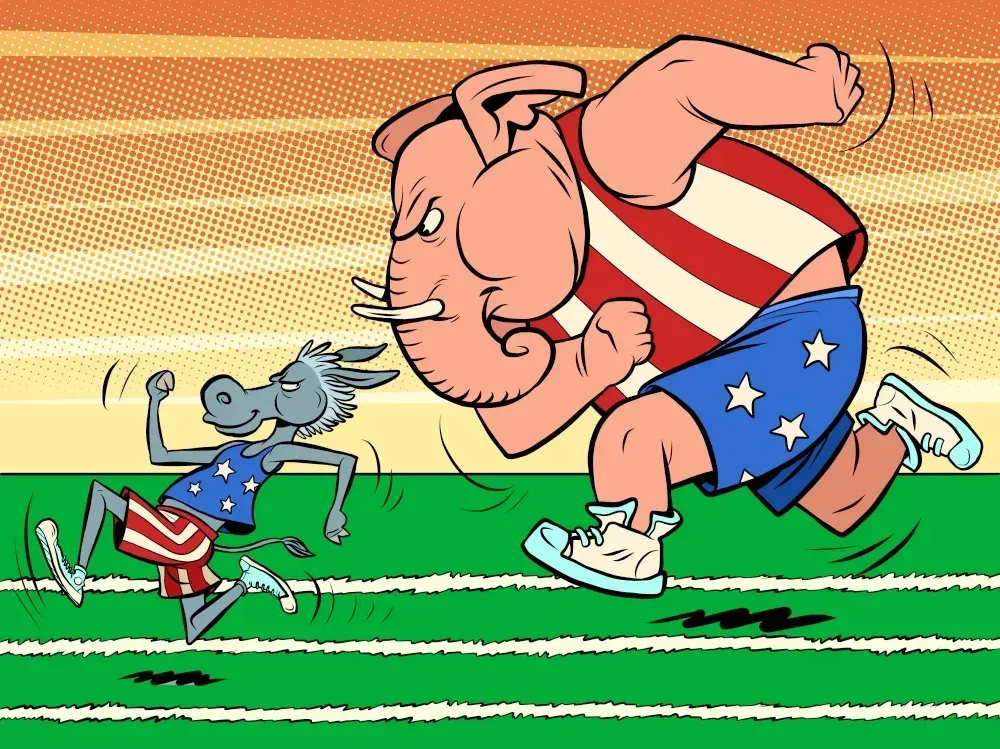
There, the Democrats have a slight edge over the Republicans, 45% to 42%, with a significant 12% who say they haven’t decided yet.
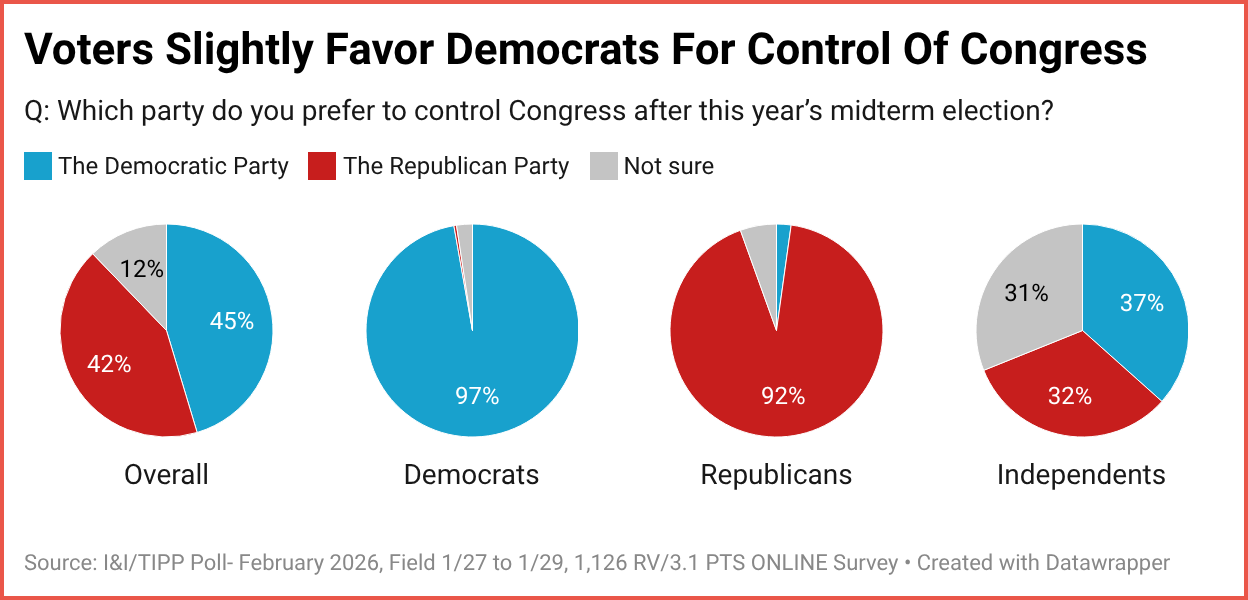
Even so, the breakout by political affiliation shows why Democrats have a slight edge right now. Democrats, by an overwhelming 97%, want their party in control; none selected the GOP. Meanwhile, 92% of Republicans said they wanted their own party in power, while 2% said they thought Democrats should control Congress.
The decider in the coming election will likely be independents: They lean 37% to Democratic control, and 32% to Republican control. But a whopping 31% of independents still haven’t made up their minds.
So Republicans have their work cut out for them in the upcoming election battles. But they also have some hidden advantages.
Democratic support is heaviest among young people: those in the 18-24 age group, for instance, lean 50% toward the Dems, but only 22% toward the Republicans. Among those 25-64 years of age, the parties are virtually deadlocked in terms of support around 35% each. But for those 65 and over, Republican registrations account for 42%, Democrats just 32%.
This is significant because older voters are most likely to go to the polls. In 2024, they had a 74.7% turnout, compared to just 47% for 18-24 year olds and just over 60% for the 25-44 year olds
White voters lean Republican over Democrat by 43% to 28%. That compares to 52% Democrat, 18% Republican for minority voters. Again, this is significant because white voters are more likely to vote than other groups.
The same is true for income. Republican registration rises with income, as does voter participation.
So turnout will be key for the coming elections for both parties, particularly with a deadlocked electorate as we currently have.
Turnout, indeed, is key for the entire electorate. The question is: Who will turn out?
That might depend to a great extent on the SAVE Act now in Congress. The new law would require proof of citizenship to register to vote, and also would compel states to remove all noncitizens from their voting rolls. It also requires voters to provide a valid ID at the polls, as they now must do to board a plane, rent a a hotel room, or buy alcohol.
That bill passed the House of Representatives 218-213 last week, and now goes to the Senate, where Republican supporters say they now have 50 votes — enough to pass it with a tie-breaking vote by Vance.
However, it’s enough to pass the bill only if the Democrats don’t filibuster. If they do, it will require 60 votes to move forward.
There’s also another signal issue involved in the upcoming elections, one that directly affects the Democratic Party: Americans believe it has gone too far to the left.
“You know, there used to be a lot of conservative Democrats,” CNN senior election data analyst Harry Enten said. “Right back in 1999, 26% of Democrats self-identified as conservative. Just 5% said that they were very liberal. It was a smidgen, a smidgen, a smidgen. Now that far left has gained considerably in power. Look at this. Now we’re talking about a fifth of Democrats, 21% say they’re very liberal. That conservative part of the Democratic Party, adios amigos, goodbye, just 8%.”
What’s more, 33% of Democrats and 42% of Democrats under 35 now call themselves Democratic Socialists.
That could be enough to scare off independent voters and fence-sitters come election time. As the I&I/TIPP data show, 18% of voters self identify as “conservative,” while 16% call themselves “liberal” and a big plurality of 43% see themselves as “moderate.” America is not a liberal majority nation, not even close, which could be big trouble for Democrats.
I&I/TIPP publishes timely, unique, and informative data each month on topics of public interest. TIPP’s reputation for polling excellence comes from being the most accurate pollster for the past six presidential elections.
Terry Jones is an editor of Issues & Insights. His four decades of journalism experience include serving as national issues editor, economics editor, and editorial page editor for Investor’s Business Daily.
👉 Show & Tell 🔥 The Signals
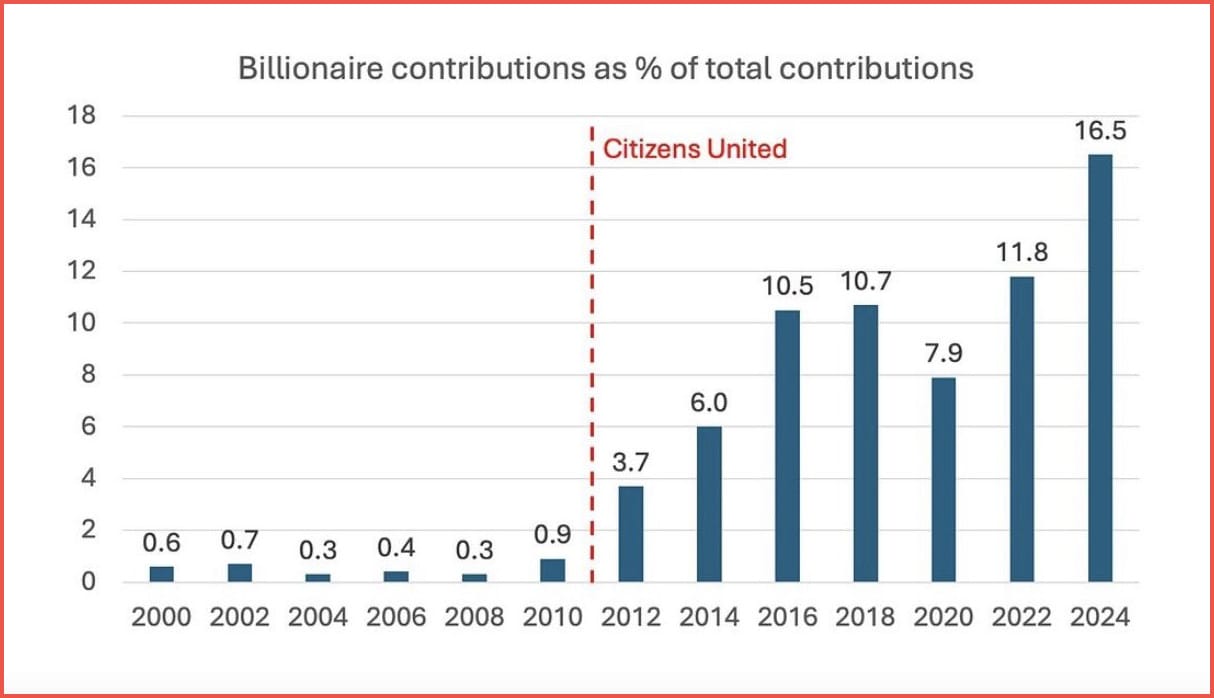
I. Billionaire Money’s Growing Role in U.S. Elections
Billionaire contributions as a share of total federal election funding have climbed sharply since 2010, rising from under 1% pre–Citizens United to more than 16% in the 2024 cycle. The trend underscores how concentrated wealth is playing a larger role in campaign finance.
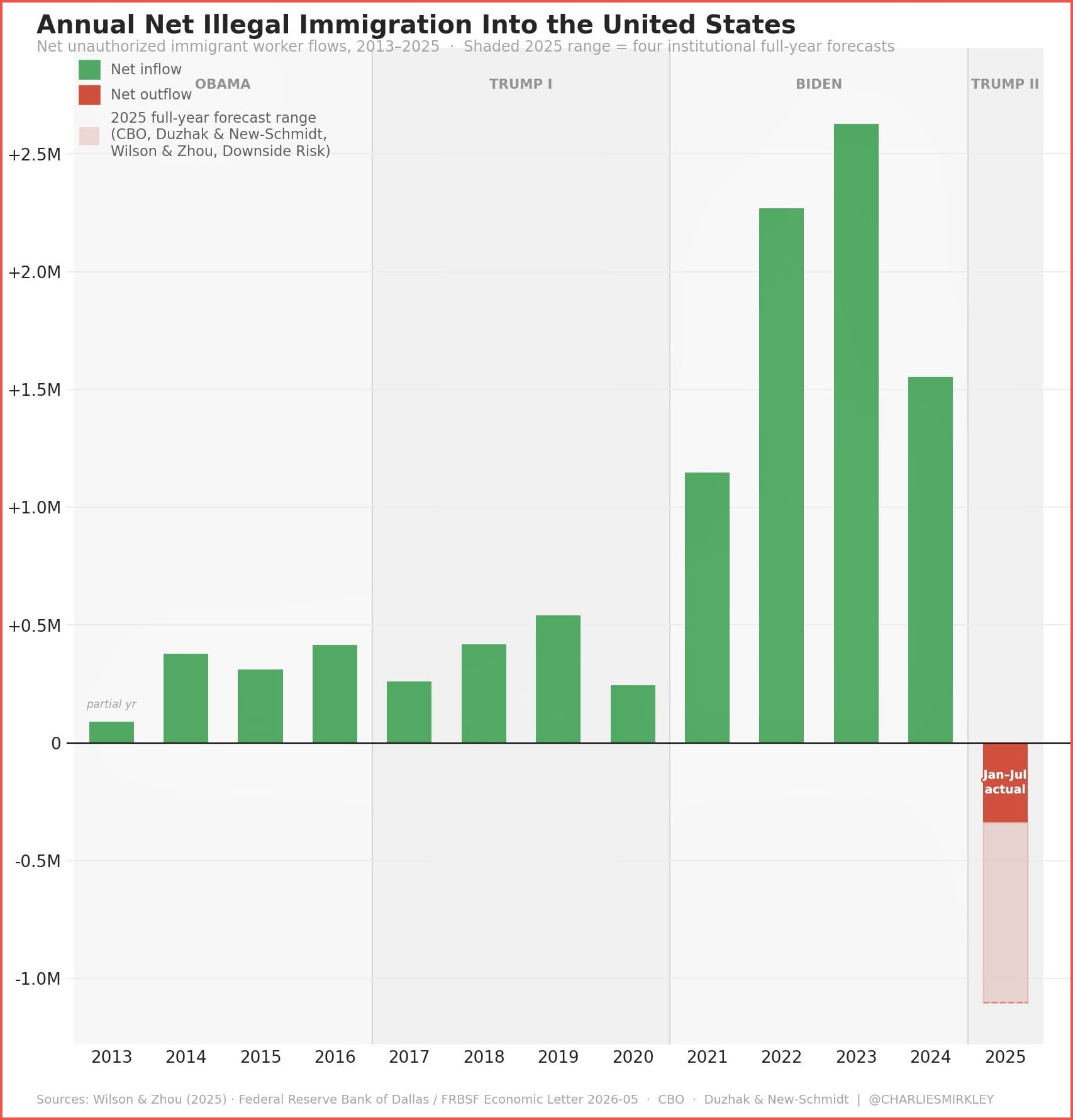
II. Net Illegal Immigration Turns Negative in 2025
Preliminary estimates show net illegal immigration into the U.S. may have turned negative in 2025, with departures exceeding arrivals in the first half of the year. If sustained, it would mark a sharp reversal from the 2022–2023 surge.
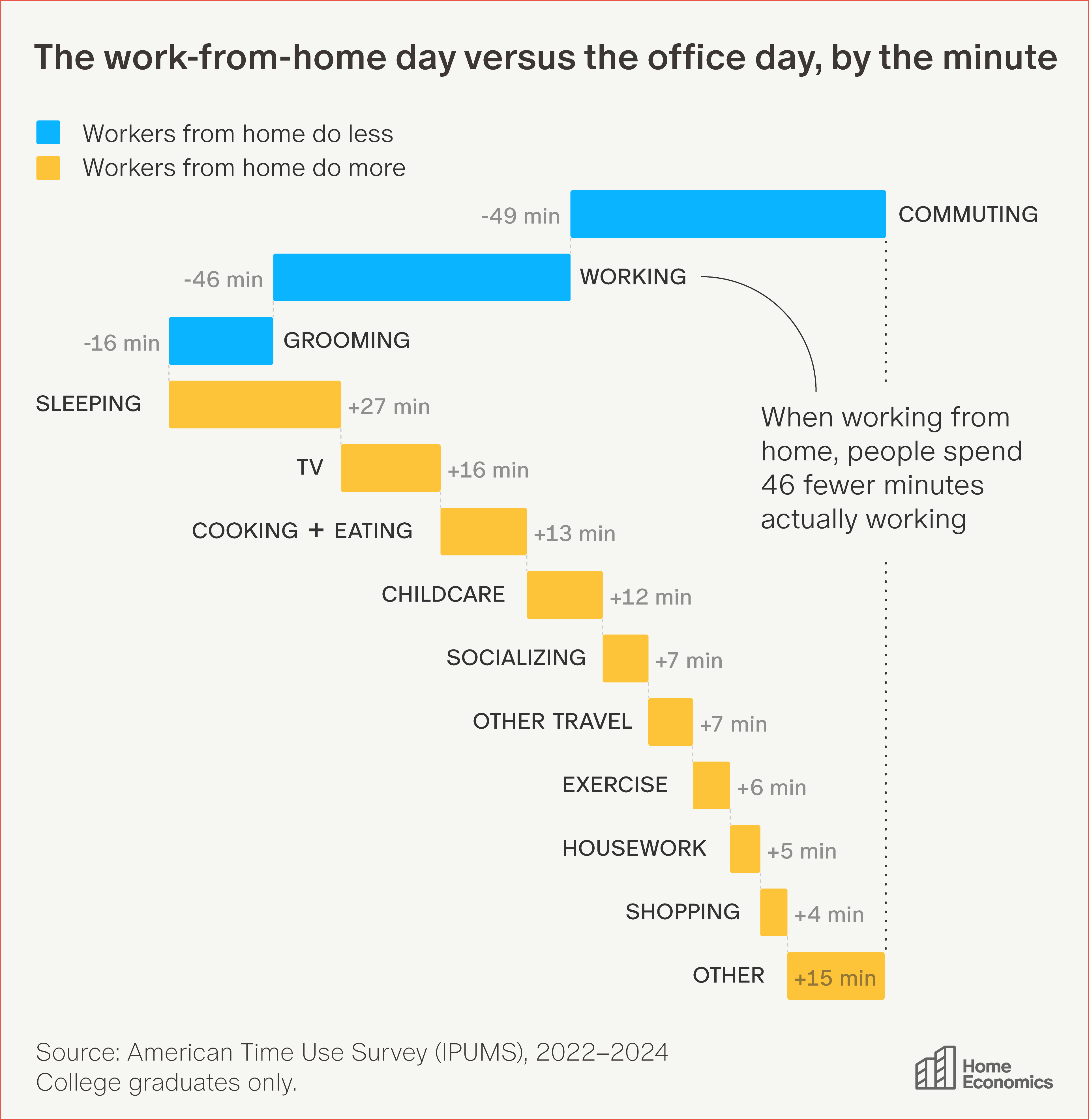
III. Working From Home Means Less Work, More Life
Time-use data suggest remote workers spend fewer minutes actively working compared with office days but gain back significant time by eliminating commuting, sleeping more, and spending more time on family and personal activities. Surveys also show higher reported happiness on work-from-home days.
The TIPP Stack
Handpicked articles from TIPP Insights & beyond
1. Duplicate Propaganda For War On Iran—Moon of Alabama, Ron Paul Institute for Peace and Prosperity
2. Peeling Back The US Information Operation In Iran—Larry C. Johnson, Ron Paul Institute for Peace and Prosperity
3. The Big Lie About Iran’s Support For Terrorism—Larry C. Johnson, Ron Paul Institute for Peace and Prosperity
4. Here’s Why A Strong Japan Is Key To Peace In East Asia—Matt Cookson, The Daily Signal
5. Trump Kabuki Theatre In Ukraine: Nothing Of Substance Gets Resolved—Alastair Crooke, Ron Paul Institute for Peace and Prosperity
6. Russia Is No Superpower? Then What The Hell Does That Make Europe?—Gerry Nolan, Ron Paul Institute for Peace and Prosperity
7. SOTU Boycott Urged By Gen Z Activist Group—Pedro Rodriguez, The Daily Signal
8. White House Works With Social Media Companies On Deadly Drug Crisis—Virginia Allen, The Daily Signal
9. Why Children Need Both A Mother And Father, According To Research—Delano Squires, Ellie Carson & Jesse Castrinos, The Daily Signal
10. Trans ‘Bill Of Rights’ Could Jeopardize Women’s Spaces, Experts Warn— Pedro Rodriguez, The Daily Signal
11. A Brief History Of The Petite Bourgeoisie—Ryan McMaken, Mises Wire
12. These Republicans Will Revolt Against Trump, Massie Says—George Caldwell, The Daily Signal
13. AOC Exposes The Left’s Attack On Western Culture—Tyler O'Neil, The Daily Signal
14. US Troops Begin To Arrive In Nigeria—Virginia Allen, The Daily Signal
15. Republicans Stand Up To Trump Admin On Key Abortion Issue—Elizabeth Troutman Mitchell, The Daily Signal
16. Why We Should Repeal The Civil Rights Act—Wanjiru Njoya, Mises Wire
17. Endangerment Finding Rescission Major Win For Science And The Rule Of Law—Jack Spencer, The Daily Signal
18. Biden Targeted Your Grocery Discounts–Trump Will Trump Them—Brian McNicoll, The Daily Signal
19. Vatican Turns Down Trump’s Invitation To Board Of Peace— Virginia Allen, The Daily Signal
20. Voter ID Is Common Sense, But It Won’t Fix Anything—Connor O'Keeffe, Mises Wire
21. TRANS FAMILY DISPUTE: Rhode Island Ice Rink Shooter’s Troubled Legal History— Tyler O'Neil, The Daily Signal
22. Challenging The Efficient Market Hypothesis And Fundamentals Analysis— Frank Shostak, Mises Wire
23. Trump’s Repeal Of Endangerment Finding Will Make Life More Affordable For Everyone— Jenny Beth Martin, The Daily Signal
24. Unluckily Woke: Anti-Trump US Figure Skater Finishes 13th At Olympics—Fred Lucas, The Daily Signal
25. Why Are Anti-ICE Activists Building Borders?—Daniel McCarthy, The Daily Signal
26. It’s Not Just Billie Eilish, Students Get Indoctrinated About ‘Stolen Land’ In Schools—Paul Runko, The Daily Signal
27. FTC Probes American Academy Of Pediatrics, WPATH Over Gender-Transition Procedures For Minors—Joshua Arnold, The Daily Signal
📊 Market Mood — Thursday, February 19, 2026
🟩 Futures Extend Tech-Led Gains
U.S. futures edge higher as AI-related stocks rebound and investors look ahead to key retail earnings.
🟧 Fed Minutes Strike Cautious, Slightly Hawkish Tone
January minutes hint policymakers could pivot if inflation stalls, reinforcing a “wait-and-see” stance on rate cuts.
🟦 Oil Jumps on Middle East Tensions
Crude climbs to multi-week highs as rising military activity in the Persian Gulf revives supply disruption fears.
🟨 Walmart Earnings to Gauge Consumer Strength
Results from Walmart and Deere will offer a read on U.S. spending trends and industrial demand amid tariff pressures.
🗓️ Key Economic Events — Thursday, February 19, 2026
🟩 8:30 AM — Philadelphia Fed Manufacturing Index (February)
Regional factory activity gauge offering an early read on manufacturing momentum and business conditions.
🟧 8:30 AM — Initial Jobless Claims
Weekly unemployment filings provide timely insight into labor market strength.
🟨 12:00 PM — Crude Oil Inventories
Government data on U.S. stockpiles that can influence oil prices and energy market sentiment.
editor-tippinsights@technometrica.com