
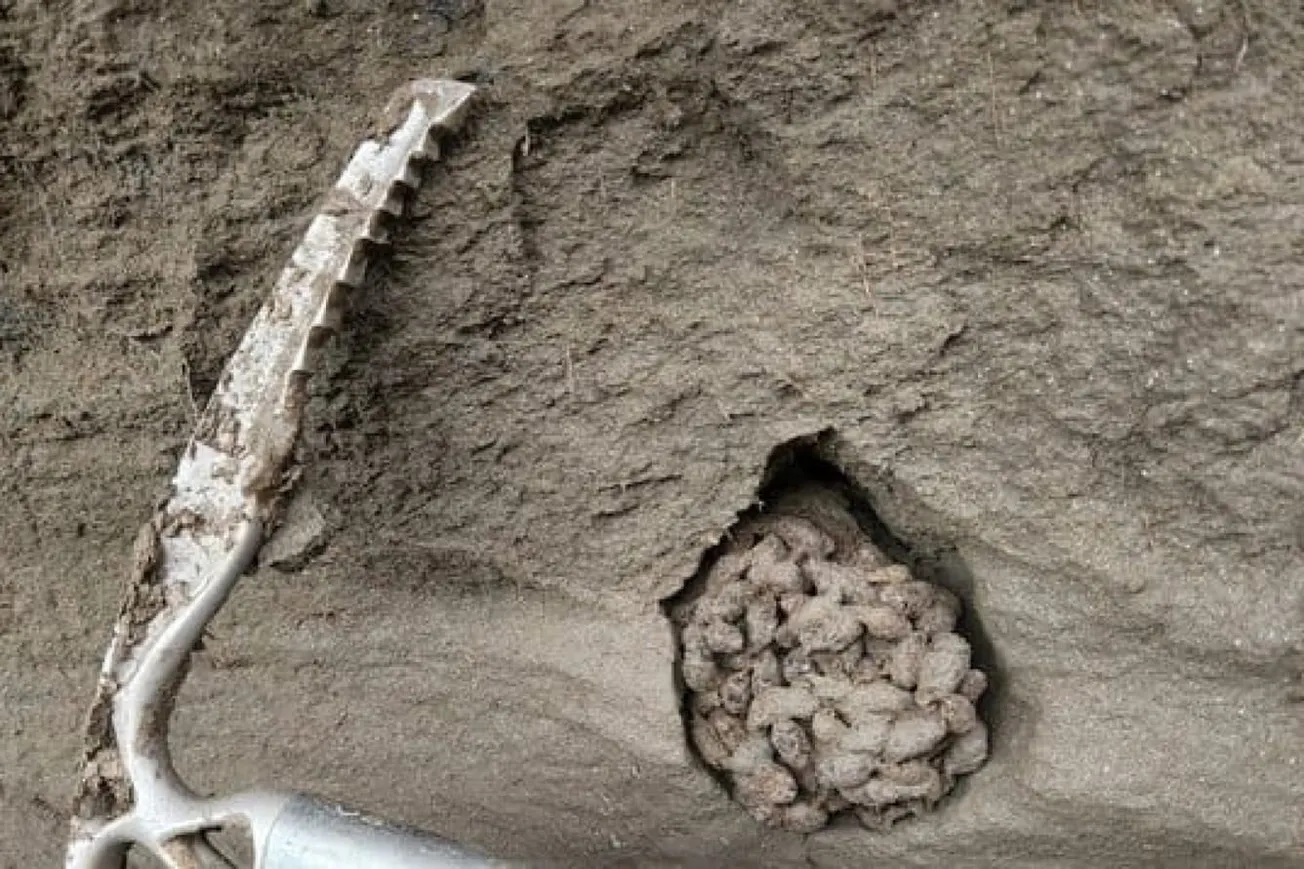
Scientists have uncovered remarkably preserved ancient DNA from woolly mammoths, cheetahs, and other long-extinct organisms in fossilized Arctic ground squirrel droppings, providing a rare window into ecosystems that existed hundreds of thousands of years ago.
The findings, published in Nature Communications, are based on samples recovered from permafrost-preserved squirrel burrows in Canada’s Yukon region.
Researchers say some of the material dates back as far as 700,000 years, making it one of the oldest sources of environmental DNA ever analyzed.
By collecting plant material and other organic matter in underground burrows, the animals unintentionally created what researchers describe as frozen time capsules that captured details of ancient landscapes and wildlife.
The recovered genetic evidence offers insights into species that once inhabited the region and how ecosystems changed during past warm and cold climate periods.
Researchers believe the discovery could significantly expand understanding of prehistoric environments and climate transitions.
Scientists involved in the project say additional squirrel deposits remain to be studied, raising the possibility of even more discoveries about life in the distant past.
Related Tweet:
Ancient squirrel feces offer 'time capsule' of environment thousands of years ago https://t.co/WIyxHkQ2jx
— CTV News (@CTVNews) June 9, 2026
Also Read:
 TIPP Staff