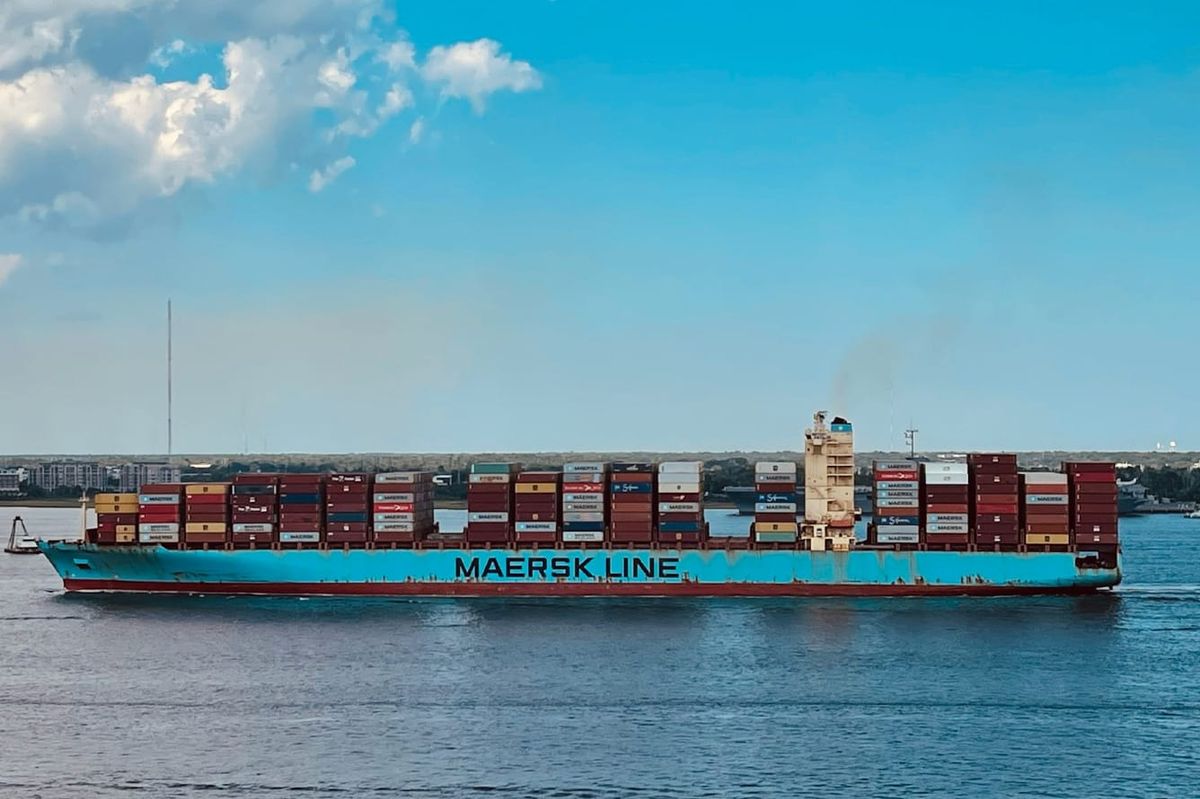
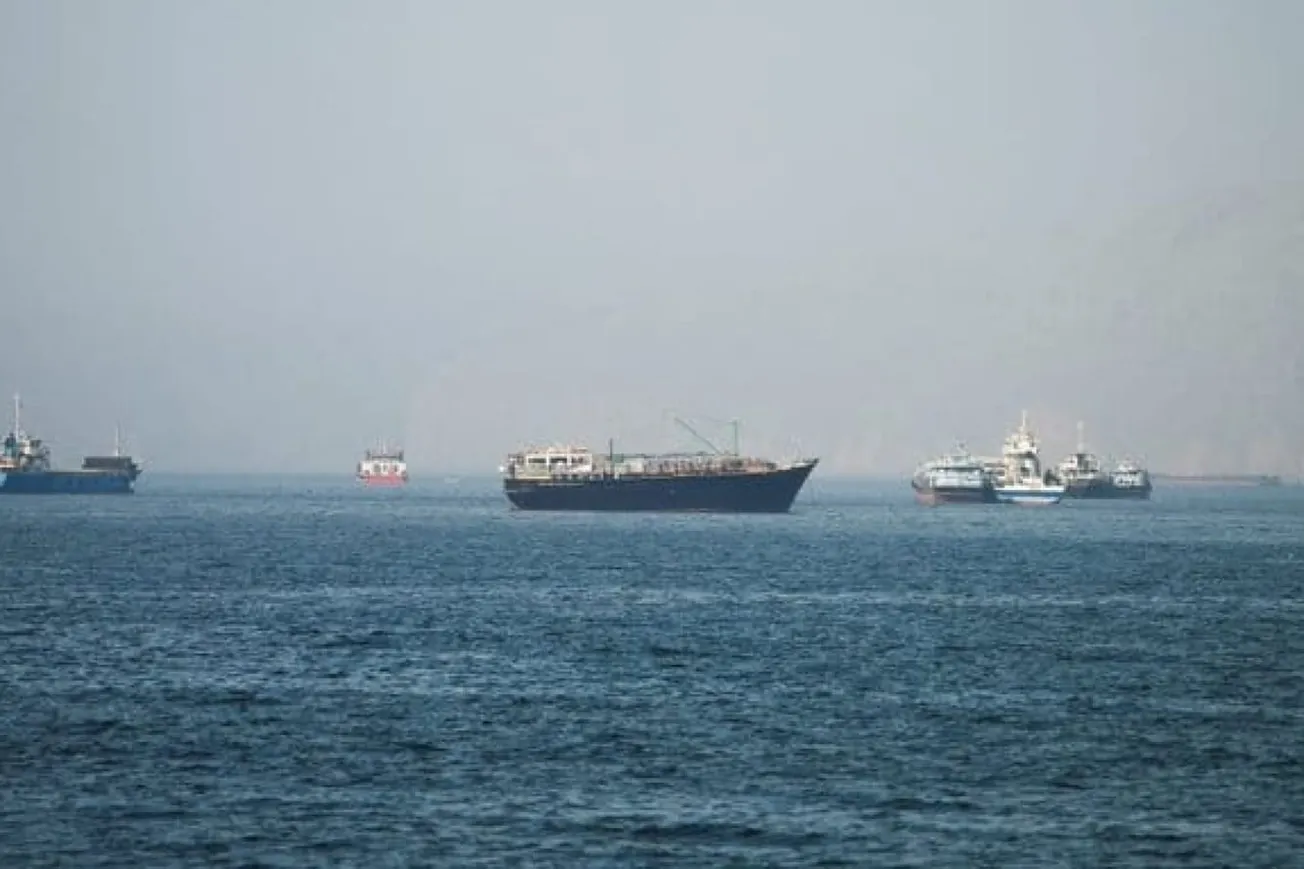
Nearly 40 commercial vessels stranded in the Persian Gulf have successfully transited the Strait of Hormuz over the past three weeks by quietly coordinating with the U.S. Navy, according to shipping intelligence firm Lloyd’s List.
Industry sources told Lloyd’s List that some shipowners have been submitting transit plans to the Naval Cooperation and Guidance for Shipping organization in Bahrain.
While there is no formal escort program in place, the arrangement is believed to provide limited assurances that U.S. naval forces would respond to threats targeting commercial vessels.
Ships stranded in Persian Gulf quietly coordinate with U.S. Navy to exit Hormuz https://t.co/Fa9WYAd737
— CNBC (@CNBC) June 4, 2026
According to U.S. defense officials, American forces are not escorting merchant ships through the strategic waterway.
Instead, they are communicating with and coordinating movements of vessels seeking to navigate the route safely.
Despite the increase in departures, shipping activity through the Strait of Hormuz remains significantly below pre-conflict levels.
The report noted that vessel traffic fell to its lowest point during the Iran conflict in May.
Ships operating in the region continue to face difficult choices, including the risk of potential attacks by Iranian forces and the possibility of U.S. sanctions if they engage with Tehran to secure transit permissions through the narrow maritime corridor.
Also Read:
 TIPP Staff